Conservation and restoration of riparian zones under multiple pressures

Riparian zone around Burns Run, Clinton County, Penn, USA. Image: Nicholas A. Tonelli | Flickr Creative Commons
Conservation efforts to maintain and restore riparian zones along many global rivers are often inadequate, according to a new study. Writing in the journal Biological Conservation, Eduardo González and colleagues draw on a body of emerging research on riparian zones to identify a range of ecological, socio-economic and policy pressures for their fragmented distributions.
Riparian zones are the ecosystems found along the banks of rivers and streams: narrow transitional zones between land and water, often with diverse ecosystems that play important roles in the ecological functioning of the wider landscape. Riparian zones – often dominated by tree and plant species which thrive in damp conditions – can help buffer diffuse pollution, mitigate flood risks, store carbon, reduce bank erosion, provide shaded and cool stream water, prevent livestock from trampling fish spawning grounds, and offer valuable biodiversity habitat.
However, riparian zones have been under pressure in many rivers across the world for decades, if not centuries. Floodplains have been widely built upon, river channels straightened and reinforced, hydrology patterns altered by dam building, and riparian woodland cleared in many landscapes. González and colleagues cite studies stating that up to 90% of North American and European floodplains are considered ‘ecologically dysfunctional’, and in Europe up to 88% of floodplain forests have disappeared, as a result of human activity.
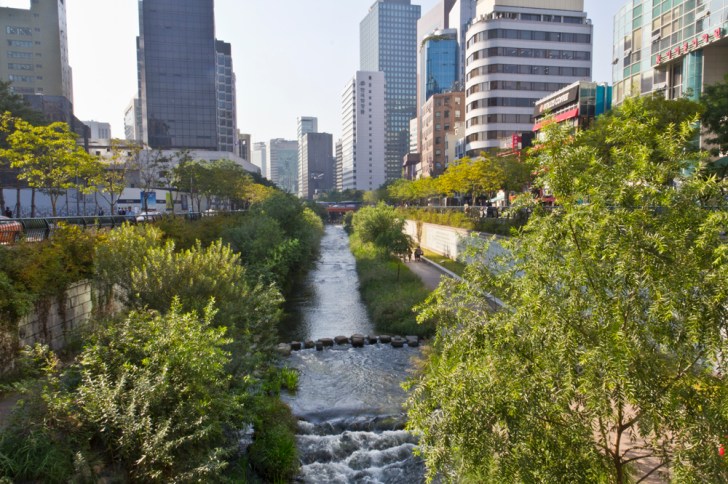
Cheonggyecheon stream and new ‘riparian zone’ in Seoul, South Korea, daylighted from sewers in 2003. Image: Kaizer Rangwala, Flickr Creative Commons
Riparian zone restoration is an important part of many ongoing river basin management strategies, with some notable successes (see, for example the restoration of the Truckee River in Nevada, USA). However, González and colleagues identify three barriers to successful riparian zone management. The first barrier is ecological: some riparian ecosystems are so highly altered that they may not be able to respond positively to conservation initiatives (as this study outlines).
The second barrier is socio-economic: where societies prioritise floodplain development and flood defences over the potential (perhaps sometime poorly communicated) ecosystem services and benefits that riparian zones may generate. The third barrier is the structure of policy systems in which environmental goals may be marginalised by economic or social imperatives. The complexity of such policy barriers are clearly outlined in the following passage from the study:
One of the problems associated with the lack of formal recognition of riparian zones is that the application of individual policies can have antagonistic effects. For example, in Europe, young cohorts of poplar and willow trees are frequently removed under the Flood Risk Directive to avoid vegetation encroachment and increase stream conveyance capacity (Geerling et al., 2008), while these same species are being promoted by the Habitats Directive to preserve alluvial forests (Hughes and Rood, 2003) and create ecological networks along river corridors (Jongman et al., 2004). The creation and maintenance of alluvial forests are also supported by the European Agricultural Funds for Rural Development and enforced by the cross-compliance regulation as one strategy to achieve vegetated buffer zones along rivers (Gumiero et al., 2016).
In common with every modern-day environmental issue, we might add in climate change as a fourth key barrier to riparian zone conservation. Hydrology alterations, increased droughts in some regions, and floods in others, changes to species habitat niches and biological invasions and extinctions are all projected to occur under global climatic change over coming decades (see this analysis of climate change and riparian zone vegetation for more information).
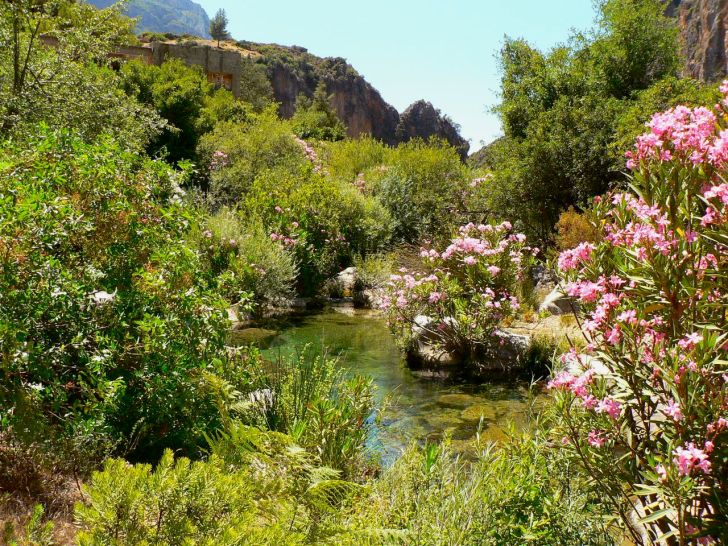
A diverse riparian zone along a river in the Rif region of Morocco. Image: Nuria Bonada
In order to navigate this complicated landscape, the authors argue that riparian zone management is in need of integrated approaches that promote and restore the value of these unique ecosystems. González and colleagues sketch a model for such integrative riparian zone management, based on five themes: education, inventory, protection, sustainable management, and restoration.
Expanded and effective education schemes about the value and aesthetics of well-functioning riparian ecosystems are advocated by the authors, whether through NGO outreach, citizen science initiatives or national education policies. In many urbanised and agricultural landscapes, there may be a ‘shifted baseline‘ in environmental perception which means that many people may be unaware of historical riparian zones in their local landscapes. Such education work may thus form the groundwork for generating popular support for riparian conservation and restoration.
Whilst it may sometimes seem like humans have mapped and measured every inch of the world, there are still ecosystems in even highly populated areas that are still only partially understood and monitored by scientists. Riparian zones are one such ecosystem type: they cover vast distances, cross political and environmental boundaries, and can be highly dynamic over seasons. As such, developing long-term environmental inventory and monitoring schemes can help inform and prioritise riparian conservation and restoration, and provide a stronger scientific base for influencing policy decisions.

Room for biodiversity, heritage and art along the Water of Leith riparian corridor in urban Edinburgh, Scotland. Image: Saskia Heijltjes | Flickr Creative Commons
The final three themes of González and colleagues’ management proposal are linked aspects of conservation: protection, sustainable management, and restoration. In some areas, protection through restricting activities such as livestock grazing or agricultural production is highly effective in promoting riparian regrowth.
In others, engaging local communities with the sustainable shared use of riparian zones is key, for example through ‘green corridor’ riparian zones along urban rivers (such as on the Water of Leith in Edinburgh). In some areas, this may involve the use policy incentives such as payments for ecosystem services or agri-environmental schemes to promote riparian zone conservation and compensate for the loss of potentially valuable land. The authors advocate that all economic activities in riparian zones should be run on sustainable management principles.
Riparian restoration is a core element of many river basin management plans across the world. González and colleagues highlight a key challenge for such restoration: many riparian zones have been so highly modified that it is difficult to return ecological conditions and processes to a pre-modification ‘reference’ state. Where riparian zones have been lost as the result of the construction of a small dam or flood walls, the subsequent removal of such structures may allow for “room for the river” to be restored. In many cases, though, the active transformation of riparian land through alterations to river hydrology and environmental flows, tree-planting, control of grazing, or ceasing of agricultural production is necessary. For the authors, such restoration processes require clear, realistic, multi-scale and evaluable goals.
Riparian zones are valuable land to many individuals, both human and non-human. To humans, they provide the space to access, use and enjoy waterways, and fertile and often aesthetically pleasing land for development and production. For plants and animals, riparian zones are often diverse and valuable habitats, which in turn can generate a broad range of ecosystem services.
As such, they are always likely to be contentious spaces for management, planning and policy, particularly when the uncertainties of flooding and climate change (and their subsequent management and mitigation) are brought into decision-making processes. Whilst González and colleagues’ paper doesn’t necessarily offer any new information, it provides a valuable and clear-headed review and synthesis of the existing research in the field, which will likely help extend and develop current debates in riparian zone management and policy.
Multiple stressors in Science of the Total Environment

MARS scientists studying multiple stressors in Lake Beyeshir, Turkey. Image: METU Limnology Laboratory
The MARS Project has been undertaking scientific research into the effects of multiple stressors on aquatic environments for nearly three years now, and project scientists are beginning to widely publish their findings.
Six new papers involving MARS research have recently been published online in the journal Science of the Total Environment, some of which are currently available for free through open-access publishing.
***
Analysing the impact of multiple stressors in aquatic biomonitoring data: A ‘cookbook’ with applications in R
The health and status of Europe’s freshwaters has been closely monitored since 2000, creating detailed environmental and biological datasets covering over 120,000 water bodies. However, this data has – until now – been rarely used to analyse multiple stressor interactions and impacts. This is partly because of the various scales at which stressors are monitored and reported. A MARS team led by Christian Feld has designed an analytical framework that allows for multiple stressor effects to be analysed through this rich biomonitoring dataset, which is outlined in this paper (link).
Effects of hydro- and thermopeaking on benthic macroinvertebrate drift
Hydropower plants – often located on mountain streams and rivers – are commonly designed to operate in response to electricity demand. This means that the timing and flow of the water they release during and after electricity production can be highly variable. This process is known as ‘hydropeaking’, and can have a range of detrimental ecological effects on downstream ecosystems. Working at the HyTEC facility in Austria, a team led by Lisa Schülting used experimental flumes to observe the ‘drift’ (or movement down and across the simulated stream bed) of macroinvertebrate (or aquatic insect) species.
Overall, the team found that hydropeaking significantly increased the rates of macroinvertebrate drift from their original position on the stream bed. However, this pattern was influenced by water temperature: when hydropeaks of water were cold, total drift rates were reduced, although with strong taxon-specific response patterns. The results were also influenced by the time of day that hydropeaks occurred: increased water flows during the night led to significantly higher drift rates than those during daytime (link).
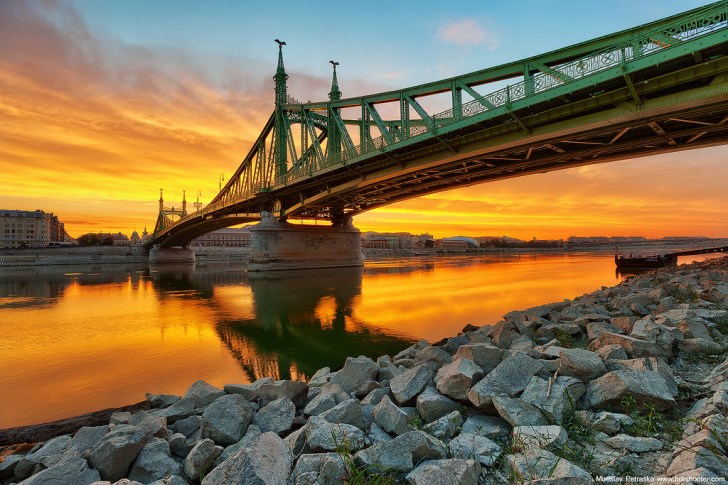
A golden morning on the Danube River in Budapest. Image: Miroslav Petrasko | Flickr Creative Commons
Relative influence of chemical and non-chemical stressors on invertebrate communities: a case study in the Danube River
Understanding the influence of chemical pollution on the health, diversity and status of biological communities in aquatic ecosystems is a key challenge for ecological risk assessments. However, there are a vast number of different chemicals (and new ones developed each year) which can form complex ‘cocktails’ in freshwaters, and can trigger a number of multiple stress effects. In many cases, the toxic effects of chemical pollution on aquatic life is poorly understood.
A collaborative team from the SOLUTIONS and MARS projects led by Andreu Rico used data from a comprehensive ecological survey of the Danube River – from its source in Germany to its mouth at the Black Sea – to analyse the influence of chemical and non-chemical stressors on invertebrates. They found that variations in invertebrate communities along the Danube are influenced more by varying habitat conditions and physico-chemical parameters (e.g. suspended solids, nutrients and dissolved oxygen) than by chemical pollution (link).
Potamodromous fish movements under multiple stressors: Connectivity reduction and oxygen depletion
Potamodromous fish are those which migrate, but only within freshwater environments, such as from a river to a lake for spawning. In Mediterranean rivers, two key stressors are water abstraction – which can reduce the connectivity between ecosystems needed for migration – and diffuse pollution – which can have harmful ecological impacts such as oxygen depletion.
A team led by Paulo Branco studied the impacts of these two stressors on a Mediterranean potamodromous fish species, the Iberian barbel (Luciobarbus bocagei) using experimental flumes. They found that when connectivity was reduced, fish movement was similarly reduced, regardless of oxygen depletion levels. When connectivity was high, fish movements were reduced in response to increasing oxygen depletion. The results suggest that oxygen depletion as a result of diffuse pollution may prove a barrier to fish migration, even when physical connectivity between different parts of a river basin is high (link).
Untangling the effects of multiple human stressors and their impacts on fish assemblages in European running waters
Understanding the impacts and interactions of multiple stresses on aquatic environments is a key research challenge for scientists, both in Europe and across the world. This study, led by Rafaela Schinegger, used data from over 3,000 sampling sites to map the effects of multiple stressor combinations on fish assemblages in European rivers (read an earlier blog post relating to the work here).
Across the sampling sites, 15 different stressor combinations were observed. Rivers were affected by single stressors only at 30% of sites, whilst 42% of sites were affected by multiple stressor combinations, and 28% were un-impacted. The multiple stressor interaction types varied in character: 40% were additive (where the total stress effect is the sum of each stressor), 30% were synergistic (where the total stress effect exceeds the sum of each stressor) and 30% were antagonistic (where total stress effect is less than the sum of each stressor) (read more about multiple stressor interactions here).
Stressor interactions varied with habitat type: antagonistic effects were only observed in headwaters and medium-gradient rivers, whilst synergistic effects increased from headwaters through medium gradient rivers and Mediterranean streams to large lowland rivers. The study is an important step forward in understanding multiple stressor interactions and impacts in European rivers, and will most likely provide valuable information for guiding conservation and restoration management (open-access link).

The Otra River, Norway. Image: Baard Skaaden
Effects of multiple stresses hydropower, acid deposition and climate change on water chemistry and salmon populations in the River Otra, Norway
The Otra River in Southern Norway is impacted by acid deposition, hydropower development (around 40% of the river has been modified for electricity production) and, increasingly, by climate change. The Otra supports populations of both land-locked and migratory (anadromous, moving between rivers and the sea) salmon which have been severely impacted by acidification in the latter part of the 20th century.
Environmental policy and conservation initiatives have prompted a reduction in acid deposition into the Otra since the 1980s, which has caused a partial recovery of both populations of salmon. However, in order to predict and manage the long-term health and status of the Otra’s salmon populations, it is important to consider acidification as part of a multiple stress combination affecting the river alongside hydropower and climate change.
A MARS team led by Raoul-Marie Couture used a set of linked process-oriented models to provide estimates of future water discharge and chemistry and their effects on fish populations in the Otra River. The models were run to 2100 using two Representative Concentration Pathway climate scenarios: RCP4.5, in which global carbon emissions peak at 2040 then decline; and RCP8.5 in which global carbon emissions continue to rise through the 21st century.
The projected changes in climate produced only small – but ecologically positive – changes in the water chemistry of the Otra River. Run-off was predicted to increase by around 30%, largely during winter (as a result of increased precipitation and snowmelt), which, when coupled with projected decreases in acid deposition through the 21st century reduces the possibility of acidification. And, linked to this, the likelihood of river water pH dropping below levels where fish are significantly stressed (5.8 for parr and 6.2 for smolt) is reduced.
The study suggests that future climate change may cause slight improvements the water chemistry conditions for salmon populations in the Otra River through the 21st century. However – as the authors acknowledge – this result addresses only one aspect of climate change and not others such as increased water temperatures, river basin vegetation growth and soil mineralisation. Future river run-off levels will be affected by the continuation of hydropower projects on the river.
As such, the multiple stressor combination of acidification, hydropower and climate change on the Otra River are fundamentally linked, and whilst this study sheds new light on their interactions, their complex, interconnected nature provides ongoing challenges for environmental modelling and management (link).
Invasion of the Swamp Monster
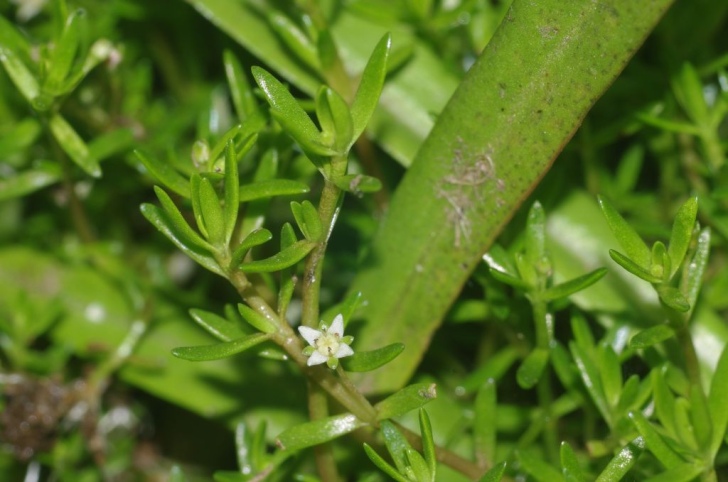
Crassula helmsii – an invasive aquatic plant. Image: eyeweed | Flickr Creative Commons
In August, we heard from Dr Claire Wordley from the Conservation Evidence Group at the University of Cambridge about the publication of What Works in Conservation, an evidence-based manual reporting the effectiveness of different conservation approaches on a range of ecosystems and species.
Since then, the group has published a new set of findings on the control of freshwater invasive species, based on reviews of recent scientific studies.
Today, we hear from Dr Wordley again, as she writes about the ecological impacts of Crassula – an invasive aquatic plant originally from Australia which is popular with gardeners in Europe – and the effectiveness of different control methods to halt its spread.
***
Crassula: A ‘Superweed’ from the South
The Australian Swamp Stonecrop is a small, unassuming looking plant with incredible superpowers. It can survive both baking heat and freezing cold; it can live underwater, on the water’s surface and on land; it can survive being dried out, bleached and sprayed with hot foam; and it can regenerate from tiny fragments. Unfortunately, in the UK it is an invasive species, choking the oxygen from ponds and shading out other plants with knock on effects for entire freshwater ecosystems.
Australian Swamp Stonecrop, also known as New Zealand Pigmyweed (or to give it its Latin name, Crassula helmsii), was first introduced to the UK from Tasmania in 1911 and sold in garden centres from 1927 as an ornamental pond oxygenator. Shockingly, despite being documented as an invasive plant in New Forest ponds as early as 1976, its sale in the UK was only banned in 2014. Crassula appears to be spread mostly by people, whether deliberately or accidentally; it appears to be concentrated around car parks, residential areas and areas where equipment such as fishing gear is likely to have come from an infected site.
Nearly 20% of 700 UK waterbodies surveyed contained the weed. Since every 10% increase in Crassula corresponds with a 5% decrease in native vegetation, and negative effects of Crassula invasion have been documented for zooplankton, macro-invertebrates and fish, with possible negative impacts on amphibians as well, control and ideally eradication is clearly needed. But what works to destroy this ‘superweed’?
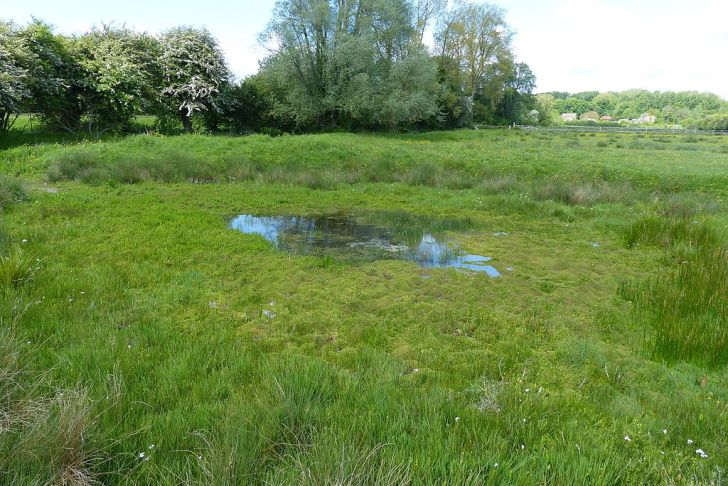
Crassula blanketing a small pond. Image: Benjamin Blondel | Creative Commons
Killing the hydra
Like the seven headed hydra of legend, Crassula helmsii seems able to regenerate after incredibly harsh treatment and being shattered into tiny pieces. Documenting clearly what works to control this beast – and what does not – is critical. This work has recently been completed by Conservation Evidence at the University of Cambridge, as part of an ongoing series on controlling freshwater invasives. The team has worked to collect together all the evidence on different ways of killing Crassula, and experts have scored these for their effectiveness (or otherwise).
One of the most effective ways to knock back Crassula appears to be applying herbicides, particularly glyphosate and diquat or diquat alginate. While each of these performed well to reduce Crassula in many trials – and the use of glyphosate and diquat together led to a 98% reduction in one trial – there are concerns that the medicine may cure the disease, but kill the patient. One study in the New Forest noted that native plant cover fell in the treatment sites at a greater rate than in the control sites, and glyphosate appears to be toxic to amphibians. There may also be adverse effects on some bird species, although this may be due more to habitat level changes than direct toxicity as other birds appeared to benefit from wetlands being sprayed with glyphosate.
Covering the invasive plant with black sheeting or carpet strips, may, where feasible, provide an alternate approach. While the evidence for the effectiveness of keeping Crassula in the dark is not as strong as the evidence for spraying it, five studies showed very promising results that lightproof barriers can eradicate or severely reduce the coverage of the weed. Sadly, on two sites Crassula recolonised after it was eradicated – indicating that controlling the spread of this plant is likely to be an uphill battle for some time to come. Flooding contaminated ponds with salt water also appears effective at killing Crassula, but salt levels need to be high, as it can survive in brackish water. The lethal effects of salt water are likely to be experienced by native flora – and in some cases fauna.
Since Crassula appears to be mostly spread by people, often on equipment such as nets and rods, effective biosecurity measures to stop the spread will be critical to maintaining areas free from this relentless invasive. Crassula survives drying well, but a 15 minute immersion in 45 °C water led to mortality in 90 % of the plants by one hour after treatment. Experimenting with hotter temperatures and longer immersion times may improve this further.
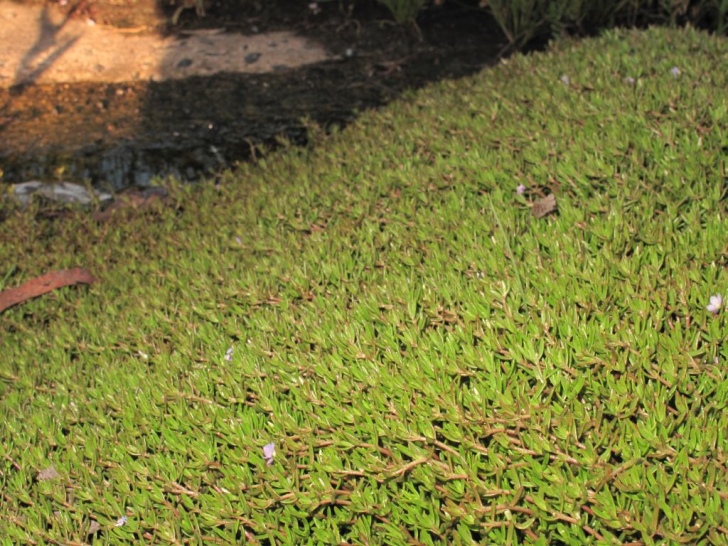
Crassula growing from an urban storm drain in Australia. Image: eyeweed | Flickr Creative Commons
Treatments to forget
Unfortunately, not all the methods that have been trialled to get rid of Crassula have proven effective. Since Crassula, like other aquatic plants, needs light to grow, aquatic dyes that reduce the light available to submerged plants seemed like a good idea. Unfortunately, in a trial in the New Forest, this proved to be a non-starter, with Crassula cover increasing slightly in dyed pools. Hot foam was another inventive idea – foam stays in contact with the plant for longer than hot water, rupturing the cells of the leaves. Sadly, this was totally ineffective in one trial, and pretty ineffective in another, meaning that this treatment won’t be rolled out to a pond near you any time soon.
Bleach was another failed treatment – adding hydrogen peroxide to tanks containing Crassula did not have sufficient controlling effects to merit field testing, where other plants and native wildlife may be damaged by the chemical. Grazing was also rated as likely to be ineffective or harmful – trials showed varying results, but Crassula cover actually increased significantly in grazed plots in one trial, and did not vary significantly between grazed and ungrazed plots in the other trial.

Crassula covering the shoreline of a lake. Image: Benjamin Blondel | Flickr Creative Commons
Go forth and test
As ever, there are treatments out there that have not yet been tested sufficiently (or at all) – some of which may later prove to be effective. It is up to conservation practitioners who use these methods to test them experimentally and publish the results where they can be accessed by others, enabling the whole community to learn from each manager’s experience.
Combining treatments such as spraying and covering plants with light proof barriers is one method that needs more testing. Other suggestions range from using liquid nitrogen or flame throwers to using fungal-based herbicides and educating the public about the need to decontaminate clothes and equipment between ponds.
Whatever methods people are using to get rid of this plant, it is clear that rigorous collection of more data is needed; on what works to kill Crassula, on what methods lead to an increase in native plant cover, and on what the effects of treatment are on freshwater fauna from zooplankton to fish, frogs and birds. Trials don’t need to be huge to help build our knowledge base, so long as they are well designed – in conservation science, truly every little counts.
What next?
Conservation Evidence will continue to add species to the freshwater invasives synopsis, which already contains 139 actions on American bullfrog, Asian clams, brown and black bullheads, floating pennywort, Ponto-Caspian gammarids, Ponto-Caspian gobies, Procambarus crayfish, red-eared terrapin, skunk cabbage, water primrose and now Crassula helmsii.
The synopsis will hopefully stimulate action to fill in the knowledge gaps, making invasive species control more effective; and when the synopsis is updated in a few years’ time, it is hoped that the evidence base will be much stronger. If not, we could see more freshwater ecosystems irreversibly altered.
Tools for managing multiple pressures: workshop collaborations between MARS and ECOSTAT

Attendees at the Den Helder workshop in October 2016. Image: MARS
At the end of October, MARS, a European Union FP7 project, and ECOSTAT, an European Commission Working Group for the implementation of the Water Framework Directive, held a collaborative workshop to discuss the challenges of aquatic multiple pressures in Den Helder, Netherlands. Around 50 ECOSTAT members and 10 international stakeholders attended the workshop.
In their invited presentation, Wouter van de Bund and Sandra Poikane from ECOSTAT outlined the challenges of linking multiple pressures and ecological classification, whilst Jo Halvard Halleraker used examples from water management in Norway to suggest the management tools needed to conserve and restore aquatic ecosystems under multiple pressures.
Four central aspects of the developing MARS toolbox for multiple pressure management were presented as prototypes. Clara Chrzanowski outlined the new Information System, Christian Feld presented the Diagnosis Tool, Gerben van Geest introduced the Model Selection Tool, and Markus Venohr discussed the Scenario Analysis Tool.

Discussions at the Den Helder workshop. Image: MARS
The aim is that each of these MARS tools will soon provide comprehensive and accessible resources for managing and mitigating multiple pressures in Europe. Attendee feedback highlighted the potential role of such tools in guiding both local and transboundary water management.
Similarly, workshop feedback from stakeholders (such as water managers) highlighted current difficulties in locating and accessing appropriate scientific research to guide management plans. It is intended that the MARS Information System will address this shortfall, by presenting up-to-date scientific research on multiple pressure interactions and impacts in a clear and accessible format.

The evocative location for the workshop. Image: MARS
Reflecting on the discussions at the workshop, Markus Venohr said: “We received valuable feedback in this early phase of the toolbox development, helping us to develop most appropriate functionalities of the individual tools. In particular the reflection of national management options on EU scale and our attempts to further close the knowledge-gap between stressors and biological responses received special interest.”
Further engagements with European water management stakeholders are planned in the future to test the developing toolbox and discuss their results and outcomes.
Freshwater species populations fall by 81% between 1970 and 2012

Freshwater biodiversity is decreasing across the world. Image: Mike Goehler | Flickr Creative Commons
Freshwater species populations dropped by 81% globally between 1970 and 2012, according to a new World Wildlife Fund report released today. According to the Living Planet Report 2016, this freshwater species decline is more than double that observed in land (38%) and marine (36%) populations, and population declines are predicted to continue in years to come.
Habitat loss is the major cause of declining freshwater species populations, as lakes, rivers and wetlands across the world continue to be abstracted, fragmented, polluted and damaged. As ongoing research into multiple stressors tells us, freshwater habitat loss can be caused by numerous pressures caused by human activities throughout entire catchments and river basins. Over-exploitation is another key cause of species loss, as fish and bird populations are harvested for food, and reptiles and amphibians collected for the pet trade.

The new Living Planet Report findings continue the downward trend reported in the previous 2014 report (see our blog here). What is striking about the findings – in context, that the world’s freshwater species populations have dropped by around four-fifths since the year in which the Beatles split up and the first Earth Day was held – is that in many parts of the world, 1970 is likely to be an already heavily-altered biodiversity baseline from which to observe subsequent trends. In effect, the Living Planet Report is reporting an 81% decline in many freshwater populations already subject to extinctions and declines prior to 1970.
In a section focused on rivers, the Living Planet Report outlines that almost half of global river flows are subject to alterations (e.g. abstraction or channel modifications) or fragmentation (e.g. weirs and dams). As work by and colleagues shows, such river modifications are likely to increase in the future, as around 3,700 major dam projects are proposed globally, many on previously lightly-altered river ecosystems.

The graph above shows a 41% decline in migratory fish species between 1970 and 2012. Migratory species are particularly affected by fragmentation of river courses, as their natural migration routes are likely to be blocked or impaired – which in turn affects their spawning success, and the ongoing health of their populations. The upturn in the population trend from the mid-2000s onwards may be interpreted hopefully: a result of environmental policy in regions such as Europe where water quality has improved, and fish passes have been widely installed (largely prompted by the Water Framework Directive).
However, it also highlights that the Living Planet Report is based on a reasonably small sample of global species (162 in total), and as such overall trends may be influenced by large increases in a small number of species (for example, the Atlantic salmon in UK rivers such as the Tyne), and may not adequately capture real-life global trends.
There is an inherent trade-off here, of course. Such biodiversity surveys and predictions are necessarily based on partial samples of the world’s wildlife. Despite its limitations, the Living Planet Report, gives the most comprehensive indication yet of global biodiversity trends.
According to the report, global populations of all fish, birds, mammals, amphibians and reptiles declined by around 58% between 1970 and 2012. This species loss across biomes is occurring at a rate of around 2% a year, and appears to show no signs of slowing down, despite global conservation efforts.
Marco Lambertini, Director General of WWF International stated:
“The richness and diversity of life on Earth is fundamental to the complex life systems that underpin it. Life supports life itself and we are part of the same equation. Lose biodiversity and the natural world and the life support systems, as we know them today, will collapse.”
The results of the new report were calculated using the Living Planet Index – a measure of the state of global biological diversity based on population trends of global vertebrate species. The index uses the Living Planet Database (LPD) which holds ongoing time-series data for over 18,000 global populations of more than 3,600 mammal, bird, fish, reptile and amphibian species, gathered from scientific journals, online databases and government reports. For the freshwater results, data from 3,324 populations of 881 freshwater species monitored across the globe between 1970 and 2012 was used.
Introducing the report, Johan Rockström from the Stockholm Resilience Centre frames the ongoing global species loss within recent debates over the designation of the Anthropocene – the proposed new geological epoch in which humans activity is a primary driver of Earth’s natural systems. Marco Lambertini suggests that the findings should be the catalyst for rapid and widespread cultural and behavioural shifts that work to “decouple human and economic development from environmental degradation.”
The report ends with a series of large-scale proposals for promoting sustainable development, including the transformation of economic, energy and food systems that promote unsustainable use of the environment.
Such solutions have an inherent tension – how to address rapid, ongoing biodiversity loss through national and global political systems that are often slow-moving and which continue to promote economic development alongside (or sometimes, instead of) environmental protection. The UN’s Sustainable Development Goals are highlighted as a framework for positive global political and economic change, and the upcoming Convention on Biological Diversity COP in Mexico in December potentially provides a global platform for political leaders to respond to ongoing biodiversity loss.
Reflecting on the report, Mike Barrett, Director of Science and Policy at WWF-UK said:
“For the first time since the demise of the dinosaurs 65 million years ago, we face a global mass extinction of wildlife. We ignore the decline of other species at our peril – for they are the barometer that reveals our impact on the world that sustains us.
“Humanity’s misuse of natural resources is threatening habitats, pushing irreplaceable species to the brink and threatening the stability of our climate. We know how to stop this. It requires governments, businesses and citizens to rethink how we produce, consume, measure success and value the natural environment.
A snapshot of the world’s water quality: water pollution increases in Africa, Asia and Latin America
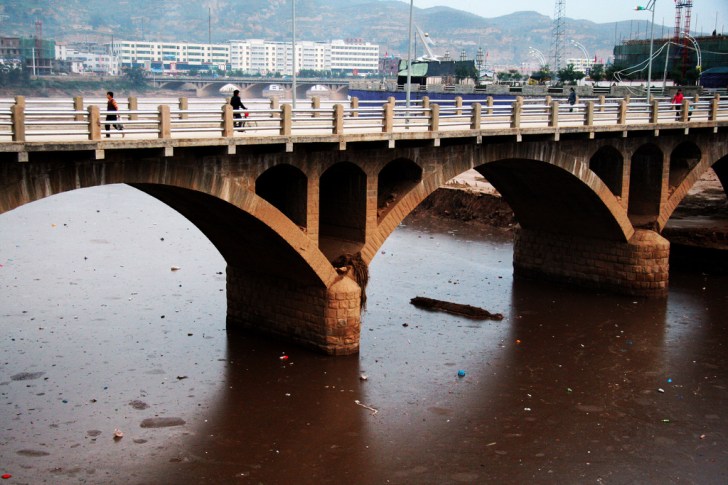
A polluted river near Suide, China. Image: Adam Cohn | Flickr Creative Commons
Water pollution has worsened since the 1990s in many rivers in Africa, Asia and Latin America, according to a new report ‘A Snapshot of the World’s Water Quality: Towards a Global Assessment‘ by the United Nations Environment Programme (UNEP). High levels of pathogens such as cholera and typhoid are present in around a third of all rivers in the three regions, creating a health risk for millions of people who rely on freshwaters for drinking, bathing and cleaning.
Severe organic pollution (primarily from untreated sewage in wastewater and agricultural fertilisers) impacts around 15% of rivers in Africa, Asia and Latin America, which is reported to place stress of the health and status of fish populations (e.g. through harmful algal blooms and reductions in dissolved oxygen in the water), with knock-on effects for food security of communities who rely on fishing. Both organic and pathogen pollution worsened between 1990 and 2010 in more than half of rivers in the three regions.
Moderate-to-high salinity levels were detected in around 10% of rivers surveyed across the three regions. As with the other two types of water stresses, salinity is reported to have increased in around a third of rivers in the study regions between 1990 and 2010, as a result of many rivers receiving flows of salt-laden irrigation wastewater, domestic wastewater from urban areas and mine runoff, and where water level are reduced by climate changes and/or abstraction.
Freshwater organisms often only tolerate a fixed range of levels of dissolved salts in their habitats, and increased salinity can therefore place significant stress on their health (as reported in this 2013 journal paper). Water with high salinity levels is likely to also require treatment before it is safe for humans to drink.
The UNEP undertook their study as a means of assessing progress towards improving global water security, linked to their set of 17 Sustainable Development Goals. The report highlights the central role that freshwater quality plays in water security, but notes that global assessments of water quality are still patchy and incomplete, particularly in the developing world. As such, the new report is a precursor to an intended global assesment of water quality.
The report highlights that global trends in freshwater quality are uneven, and that whilst broad improvements are being made in some – often more developed – regions (e.g. through the Water Framework Directive in Europe, and the Clean Water Act in the USA), water quality is falling in large parts of the world. Such decreases in water quality often have a range of negative impacts on human and non-human lives which are inextricably tied to freshwater ecosystems.
These impacts can be unevenly spread amongst society, too. The report suggests that women and children are particularly at risk from pathogen pollution, as in many developing countries they may be the members of society who have most contact with water through cleaning, washing and cooking.
The key driver of decreasing water quality in Asia, Africa and Latin America is the growth in non- or poorly-treated wastewater discharges into freshwaters. The report advocates improvements to wastewater treatment infrastructure where pollution from urban populations and industry is high. However, this is far from a straightforward process, dependent on appropriate finance and political will, and often more locally-specific in terms of small-scale society-environment interactions and development trends than this broad-scale assessment can cover in a detailed way.
Despite the negative trends, the report ends on a hopeful note: whilst water pollution is getting worse in Asia, Africa and Latin America, the majority of rivers in the three regions are still in ‘good’ condition, with some barely affected by pollution. Moreover, it is suggested that there is significant potential for their ongoing conservation and restoration in response to well-documented ongoing threats.
Such freshwater conservation attempts across the three regions could be strengthened by four actions, according to the UNEP authors: better monitoring of water quality; comprehensive assessments of national and global water quality to allow for locally targeted conservation; the transfer of knowledge on new approaches for water management (e.g. nature-based solutions and new treatment technologies) to developing countries; and the promotion of good governance and effective institutions to support these initiatives.
The report authors emphasise that protecting and improving water quality should be considered an integral part of environmental sustainability, as outlined by the UNEP Sustainable Development Goals. This highlights the interdependence of freshwater ecosystem health and status and human livelihoods, and the potentially wide-ranging effects that changes to water quality can have on all our lives.
Microplastics in transitional waters

75% of flounder sampled in the Thames Estuary were found to have ingested microplastics. Image: Hans Hillewaert | Flickr Creative Commons
Estuarine – or ‘transitional’ – waters are often unique and fascinating ecosystems – dynamic, liminal landscapes of brackish water between freshwater and the sea, through which adapted species such as salmon and flounder frequently migrate and move. Transitional ecosystems are often highly influenced by the tide, which can alter the amount, speed and salinity of water flows numerous times each day.
The term ‘transitional waters’ first came to prominence through the publication of the EU Water Framework Directive in 2000, which required European member states to improve the ecological status of fjords, estuaries, lagoons, deltas and rias alongside fresh and groundwaters through their river basin management plans. As Steve Ormerod and G Carleton Ray recently argued, such interconnected freshwater-marine management may have a range of positive aquatic conservation outcomes.
Transitional waters are impacted by a range of distinctive pressures and stresses. Estuaries are frequently dredged and deepened in order to allow for shipping, whilst coastal land may be reclaimed and reinforced in order to provide building land to support tourism and flood defences. Such morphological stressors can significantly alter the amount and quality of habitat available to aquatic species in transitional ecosystems.
Transitional waters are often impacted by a range of chemical stressors, too. River estuaries often accumulate nutrients and pollutants brought downstream from their catchments from agricultural, industrial and urban emissions. High nutrient levels coupled with reduced water flows in estuary waters may cause algal blooms and eutrophication, whilst high levels of deposition may cause the buildup of harmful chemicals and toxins in estuary sediments.
Microplastic pollution is an emerging aquatic stressor (we’ve previously covered it here), which is increasingly common in transitional waters. Microplastics are – as the name suggests – tiny pieces of plastic (less than 5mm in diameter) which are often used in domestic cleaning products, toothpastes and facial washes. As this blog by Winnie Courtene-Jones outlines, microbeads are so small they typically pass through water filtration systems, are incredibly prevalent (a single tube of body scrub can contain up to 360,000 microbeads), and are often hard-wearing, potentially taking decades to break down.
Microplastics pose an environmental threat largely through their accumulation: they are increasingly found in the bodies of aquatic mammals, birds, fish and crustaceans, and can increase the uptake of pollutants, be sources of toxins, and alter reproduction and feeding behaviours.
A newly published paper in the journal Environmental Pollution provides evidence on the increasing impact of microplastics on fish species in transitional habitats. A team of researchers from Royal Holloway and the Natural History in London led by Alex McGoran investigated the ingestion of microplastics by two fish species – flounder and smelt – in the Thames Estuary in south-east England.
The researchers found that 75% of flounders sampled at two different sites in the estuary had microplastic fibres in their gut. The most frequent microplastics found were red or black polyamides, with others including acrylic, nylon, polyethylene and polyethylene terephthalate.
The impact of microplastic stress on fish species depended on their feeding strategies. Where the bottom-feeding (or benthic) flounder had extremely high levels of microplastic ingestion, only around 20% of the open-water feeding (or pelagic) smelt sampled were affected.
The new study provides the first scientific evidence of microplastic ingestion in Thames Estuary fish species. It complements recent research by the Thames21 charity, which has documented widespread plastic pollution in the Thames in London, through a series of citizen science initiatives. The plastics documented in the Thames21 surveys were most frequently derived from the breakdown of food packaging discarded as litter.
In the USA, the use of plastic microbeads in cosmetic products has been banned, and there are increasing calls in the UK and Europe to do the same. Increasing evidence on the incidences and impacts of microplastics in aquatic ecosystems – such as in the new study – can only help support ongoing campaigns for their regulation.
Read the full article (open-access) in Environmental Pollution here.
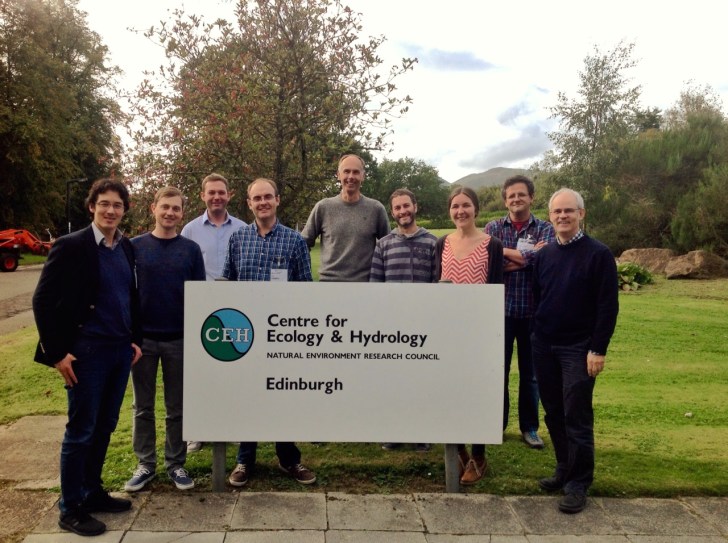
The MARS Work Package 6 Team at the Centre for Hydrology and Ecology in Edinburgh. Image: Christian Feld
Work in the EU MARS Project (which supports this blog) is currently gaining pace, as results from experiments and catchment modelling on the impacts of multiple stressors in European water bodies are increasingly available. Last week, a team of MARS scientists working on potential scenarios for multiple stressor management in Europe met at the Centre for Hydrology and Ecology in Edinburgh, Scotland.
Following the meeting, the team report that they now have sufficient evidence on the effects of multiple stressors in freshwater systems in Europe to provide new insights into these previously partially understood water management challenges. The next step is to synthesise the knowledge in a digestible way, to come up with practical guidance for water managers.
Such guidance would particularly focus on stressors interactions and stressors hierarchies, to support water managers attempting to mitigate the effects of multiple stresses and seeking to understand the potential effectiveness of different strategies. For example a management question might be: “in a fragmented, nutrient-rich stream ecosystem, what happens to aquatic life and ecosystem services when we remove barriers such as dams and weirs?” There are tools in MARS being developed that help detect both stressor interactions and hierarchies.
Reporting back on the meeting, MARS and CEH scientist Stephen Thackeray said, “My major feeling from the meeting was that there was a great deal of enthusiasm amongst the members of the team to not only develop our scientific understanding of the impacts of multiple stressors on water bodies, but also to translate this understanding into tools and messages that are useful and relevant for water body managers, and the wider community. We are planning some publications to outline what we feel are important next steps in this field of research.”
Another meeting participant, MARS scientist Christian Feld suggested some positive news, “Interestingly, the recently published deliverable 4.1 on the multiple-stressor analysis within the 16 MARS basin leads to the assumption that multiple stressors have a much less complicated role than expected, which may be a good message for European water managers.”
Taking stock and looking forward in aquatic conservation

A restored section of the Rappahannock River Valley NWR, VA, USA. Image: Chesapeake Bay Program | Flickr Creative Commons
Last week we covered a new opinion piece by Steve Ormerod and G Carleton Ray which outlined emerging topics and approaches for aquatic science-policy dialogue. This week, the piece has been published as part of a new 25th anniversary special issue of the journal Aquatic Conservation: Marine and Freshwater Ecosystems, which features a range of articles taking stock of the current and emerging themes and trends in aquatic conservation.
As the issue editors Philip J. Boon and John M. Baxter outline, the pressures faced by aquatic ecosystems have largely intensified since the journal’s founding in 1991, and policy and management responses have developed in tandem. Pressures from urban development, hydropower, agriculture and industry have worsened across Europe in that time, whilst emerging topics such as climate change and ocean acidification, river basin management, ‘people and nature‘ conservation, ecosystem services and economics, conservation genetics and invasive alien species have become common aquatic research themes, often through new multidisciplinary approaches. A set of overarching European policies addressing aquatic environments have been set in the same period, including the Habitats Directive, Floods Directive, Water Framework Directive, Marine Strategy Framework Directive, and the EU Regulation on Invasive Alien Species.
So, what is the current state of play in aquatic conservation, and how might things change in coming years? The articles in the special issue address a range of topics in response to these questions.
Fish populations – both in freshwaters and in the sea – are chiefly threatened by habitat loss and degradation, invasive species, pollution and over-exploitation, as Angela Arthington and colleagues report, pressures which are all potentially intensified by climate change. Size matters, too: smaller fish are generally threatened by their habitats becoming increasingly isolated and fragmented; whereas larger species are most often threatened by over-fishing. The authors suggest that expanded conservation measures (such as protected areas) which ideally encompass both freshwater and marine environments and reduce human pressures on fish populations – particularly at migratory ‘bottlenecks’ such as estuaries – are needed to mitigate ongoing ecological damage.
Invertebrates are some of the most important, but under-studied and protected, organisms in aquatic ecosystems, according to Kevin Collier and colleagues. The authors report that global assessments of 7857 freshwater invertebrates and 2864 marine invertebrate species (of which a third were reported as lacking suitable data), the most threatened taxa were those with poor dispersal abilities and local endemism, for example many gastropods, crayfish and mussels. Invertebrate populations are richest in freshwater springs and subterranean hydrological systems, and in marine coral reefs and lagoons; but increasingly impacted by pollution, over-exploitation, habitat degradation and invasive species. The authors argue that to increase political and conservation engagement with aquatic invertebrates, work needs to be done on better understanding their global diversity and extinction threats.
Michael Gangloff and colleagues review a set of emerging threats to aquatic ecosystems – as in the previous papers, these are habitat loss and fragmentation, pollution, over-exploitation and invasive species and diseases – and suggest a range of potential mitigation strategies, ranging from more traditional legislation to newer nature-based solutions such as green infrastructure in cities for buffering pollutants. The global spread of one of these key threats – invasive species – is investigated by Elena Tricarico and colleagues, who examine data from three regions with different climates and ecological histories – temperate Europe, tropical Asian Hong Kong, and Neotropical Brazil. They find that freshwaters are more susceptible to invasion than marine habitats, but that (as for invertebrates in the Collier et al study) detailed and up-to-date national and regional inventories of invasive species presence and impact are lacking in many areas.
As Gangloff and colleagues outline, there are a range of management approaches used in mitigating stresses on aquatic ecosystems. One key approach is habitat restoration. In their paper, Juergen Geist and Stephen Hawkins demonstrate how restoration approaches are increasingly incorporating concepts from advancing ecological theory, such as the importance of (re)building ecosystem processes, connectivity and resilience. They suggest that a key balance to be struck in restoration is incorporating such concepts into adaptive management, whilst at the same time setting clear goals for the restored ecosystem’s trajectory, which are important for leveraging political and public support.
Wetlands are often a focus for restoration management as they are often hotspots for biodiversity, valuable natural filtration systems for pollutants, carbon sinks and flood buffers. However, the contribution by Richard Kingsford and colleagues suggests that wetlands remain ‘conservation’s poor cousins’ as whilst they cover between 5–10% of the world’s land surface, around 70% of wetland areas are highly damaged and degraded. As with reports on other aquatic ecosystems and species in this collection, Kingsford and colleagues report that the distribution and health of global wetland ecosystems is poorly mapped. As such, they suggest that wetland research should be prioritised by conservationists as many wetland ecosystems face increase pressures from water abstraction, draining and conversion into agricultural land across the world.
Three more papers consider the importance of human value systems in guiding aquatic conservation efforts. Kenneth Irvine and colleagues outline the challenges of conserving tropical aquatic ecosystems which are often highly biodiverse, yet data poor. They highlight the potential of applying the ecosystem service framework through local and national institutions to aim for sustainable human use of aquatic ecosystems, based on ongoing monitoring, reporting and accountability of management.
Andrew Boulton and colleagues that the ecosystem service framework should be used to complement – rather than replace – existing conservation and restoration goals for biodiversity and ecosystem health. They outline four recommendations for setting ecosystem service-based goals for conservation:
- explicitly listing and evaluating the sets of ecosystem services to be conserved;
- identifying potential trade-offs arising from their conservation;
- specifying time frames for ecosystem service conservation (or enhancement); and
- forecasting how conservation strategies might benefit ecosystem function, service flow and public benefit.
Stefan Gelcich and Jay O’Keeffe draw from emerging research on social perception of conservation initiatives as a means of illuminating the tangled interconnections between people and the environment, and the importance of public and policy perceptions of the natural world in designing, framing and legitimating conservation and restoration work. And finally, Steve Ormerod and G Carleton Ray conclude the special issue with their piece, arguing for increased attention to ecological resilience and linked freshwater-marine systems in aquatic conservation and restoration policy.
Connecting the shifting currents of aquatic science and policy
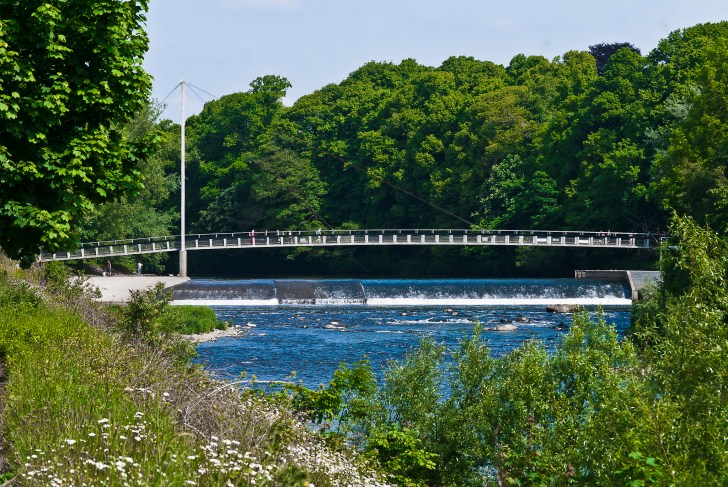
Bridging science and policy: the River Taff in Cardiff, Wales, which has been restored in recent decades. Image: Andrew Rees | Flickr Creative Commons
Dialogues between environmental scientists and policy makers form key cogs in modern conservation and restoration practices. Scientific research can inform and support ‘evidence-based’ policy making, whilst policy makers will often prioritise and fund socially and environmentally pertinent research topics.
The multiple ways in which aquatic ecosystems support and shape human lives makes productive science-policy dialogues about their management and protection particularly important. As Prof Emily Stanley articulated in a recent interview, aquatic ecosystems across the world are increasingly impacted by human pressures, which are causing ever more complex and uncertain ecological impacts (such as state shifts or multiple stressor interactions, for example), and which may be described under the broad umbrella term of the ‘Anthropocene’.
As such, there is a pressing need for science-policy dialogues to help form adaptive policy and management responses to such new ‘natures’, to try to build in ecosystem resilience to emerging treats to climate change and to conserve highly-pressurised biodiversity.
In this context, a new opinion piece by Steve Ormerod from Cardiff University and G. Carleton Ray from the University of Virginia argues that aquatic scientists can play a pivotal role in identifying gaps, failings and emerging trends for policy and regulatory practices. Writing in Aquatic Conservation Marine and Freshwater Ecosystems, the authors identify the concept of resilience as an organising principle for science-policy responses to emerging human pressures. Promoting environmental resilience provides a means of bringing new ecological concepts, the importance of an ‘ecosystem approach’, and the value of ecosystem services and natural capital further into policy making.
Two major pieces of aquatic legislation, the US Clean Water Act (1972), and the EU Water Framework Directive (2000) were significantly shaped by scientific evidence, both in their design and in ongoing monitoring and enforcement. However, Ormerod and Carleton Ray argue that there is still untapped potential for aquatic scientists to help improve and develop environmental decision-making in an ever-changing world.
New and novel science-policy practices are emerging from one of Europe’s smallest countries. In 2015, the Wellbeing of Future Generations Act was passed by the Welsh government, making the promotion of environmental resilience a key aspect of public body sustainability strategies. Through the Act, targets for environmental resilience – promoted through reduced greenhouse gas emissions, soil and water body restoration and biodiversity conservation amongst others – are set alongside social, economic and cultural goals. Another Welsh policy, the Environment (Wales) Act of 2016 has set the ecosystem approach – i.e. a focus on the health, structure, function, condition and service provision of ecosystems in all decision-making – directly into national legislation.
Ormerod and Carleton Ray highlight that effective environmental management and conservation action often requires long-term measures, which in turn require political commitments beyond the fixed-term cycles of government. Here, they suggest the importance of analysing and communicating the results of long-term data sets on freshwater ecosystems, as a means of demonstrating the value of long-term perspectives and large-scale policy interventions.
The authors suggest that aquatic science is not only important in shaping the form of environmental policy, but also in evaluating its ongoing implementation. For example, Britain’s urban rivers have largely become cleaner and healthier since the implementation of the EU Wastewater Treatment Directive in 1991; changes which have been tracked to by ongoing scientific monitoring programmes, which now indicate that there may be associated benefits in how the river ecosystems adapt to future climate change.
Aquatic scientists should engage more fully in policy arenas, in order to identify and fill gaps in existing environmental policy and regulation through good evidence and communication, argue Ormerod and Carleton Ray. An example of such engagement is in the MARS project, which identified the lack of consideration given to aquatic multiple stressor impacts in the EU Water Framework Directive, and is now midway through a large research project to provide policy-relevant results to address this deficit.
However, the authors argue that there remains significant potential in acknowledging concepts of environmental dynamism and complexity in policy and management globally, particularly the connectivity between land and water systems and between transitional waters where fresh and marine waters interact.
Ormerod and Carleton Ray’s concluding points are far-reaching and perceptive:
In sum, we are proposing that freshwater and marine conservation biologists work together towards an expanded, systemic approach to aquatic ecosystems to incorporate interaction across the whole land-freshwater-ocean nexus – both in scientific terms and onward into policy… expanding the role of science in aquatic policy and legislation requires fuller recognition of where aquatic conservation now stands in a changing world. It is not our intention to offer a prescriptive approach to any aspect of the science-policy interface, but rather to point out the nature of the present-day challenge. The 21st century is much different from preceding centuries. Aquatic issues are converging, requiring a systems approach and an improved understanding of how physical and biological processes interact under an accelerating pace of environmental change.
A key challenge, then, for aquatic science-policy dialogue is not only to scientifically understand the emergent properties of a changing world, but also to provide convincing arguments for the importance of nature-based solutions for entwined social, economic and environmental issues through policy-making.
For Ormerod and Carleton Ray, this is a collaborative process, concluding that, “Together, science and policy must spur each other onwards.”










 The Freshwater Blog