
Beavers create diverse new habitats in stream ecosystems which significantly boost biodiversity, according to a new study.
Once common across Europe, the Eurasian beaver was hunted and trapped to near-extinction by the early 20th century. However, restoration projects have reintroduced beaver populations across the continent, with more than 1.5 million animals now making their home in European freshwaters.
Beavers are often termed ‘ecosystem engineers’ due to their ability to create complex and diverse wetland habitats through tree felling and dam building. As beaver populations spread across Europe, there is increased focus on the impacts of this activity, both to human and non-human life.
As shown in the MERLIN project work in Sweden, beaver reintroduction is increasingly seen as a key part of a nature-based solutions approach to restoration. The ponds, pools and floodplains they create around streams and rivers have been shown to help reduce flooding and improve water quality through trapping sediment.
A key question for beaver restoration programmes is how their activity influences the wider ecological health of their rivers and streams they inhabit. Existing studies have shown the presence of beavers boosts populations of aquatic insects, amphibians, birds and bats, whilst providing nursery grounds for juvenile fish.

A new study by scientists in Germany focuses on the impact of beaver populations on three streams in North-Rhine Westphalia – an area in the west of the country, adjacent to the Netherlands and Belgium. The team studied aquatic insect populations in three streams: the Thönbach, Weberbach and Weiße Wehe. On each stream, the team took samples around beaver habitats, and again where the animals were not present.
“What is striking,” says Sara Schloemer, lead author of the study, “is that no species disappeared in the beaver territories we studied. On the contrary, over 140 additional species were present in these areas, compared to the sites without beavers.”
“By increasing aquatic habitats beavers boost both species abundance and richness,” Schloemer continues. “In our study, the area of aquatic habitats increased six-fold due to beaver activities. The abundance of bottom-dwelling aquatic insects increased more than four times over.”
The so-called ‘macroinvertebrates’ studied by the team are valuable proxies for the health of the wider ecosystem. These aquatic insects – including beetles, mayflies and caddis flies – provide vital food for fish, bats, amphibians and birds, and their population dynamics can reveal important insights about water quality and pollution.
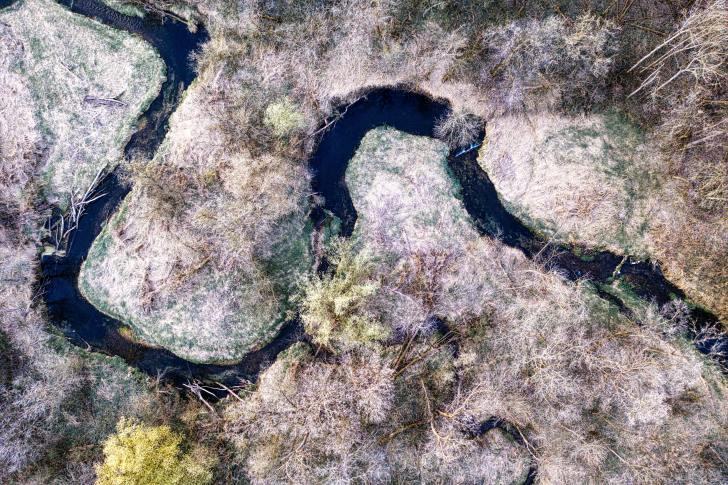
“The concern sometimes expressed by conservationists that beavers will destroy free-flowing, strong-flowing stream sections in their territories is therefore unfounded. In fact, the beaver creates fascinating additional habitats such as ponds, dams, swamps without free-flowing sections disappearing completely,” says Daniel Hering, the final author of the study.
“Beavers are rapidly expanding their range in Europe,” Hering continues. “This sometimes causes problems with land owners and land users. At the same time, they really contribute to diversity floodplains and to restore streams.”
Writing in Freshwater Biology, the research team suggest that their findings show that beavers can offer a cost-effective means by which small stream floodplains can be enhanced. As such, they emphasise the importance of their reintroduction to areas where they were formerly present.
“Beavers reintroduce habitat features that were once characteristic of natural stream ecosystems and that are missing from most contemporary European streams,” Hering says. “Beavers greatly enhance the diversity of aquatic insects and provide habitats for a multitude of species.
“By considering the full range of habitats created by beavers, we can ensure more accurate assessments and make informed decisions for conservation and restoration efforts,” Hering concludes.
///

Restoring our natural ecosystems is a task that is never really finished: science progresses; governments change; technology advances; society shifts; funding pots appear and disappear. And all the time, our rivers, lakes, streams and wetlands are a constant; their fate determined by the choices we make about them. In a time of rapid ecological loss and the ongoing climate emergency, it can be hard to think hopefully about the future of our ecosystems.
In the new episode of the MERLIN podcast we hear from four inspirational young scientists who are helping restore Europe’s freshwaters, and with it, hope for the future of our natural world. The four scientists all work on the EU MERLIN project, but each have their own research focus. They are Miriam Colls Lozano from the University of the Basque Country, Andrea Schneider from the University of Duisburg-Essen, Viviane Cavalcanti from DELTARES and Joselyn Verónica Arreaga Espin from BOKU.
We hear about the challenges of bringing disparate communities together through freshwater restoration, fostering exchange and collaboration between different communities, thinking creatively about funding restoration in the future, and strategies for bringing the public and policy makers on board with ambitious restoration programmes. The thread that runs through all these themes is the need for good communication in fostering positive change for the future.
You can also listen and subscribe to the podcast on Spotify, Amazon, and Apple Podcasts. Stay tuned for the next episode soon!
///
This article is supported by the MERLIN project.
Finance, monitoring and people: planning the ambitious restoration of Europe’s ecosystems
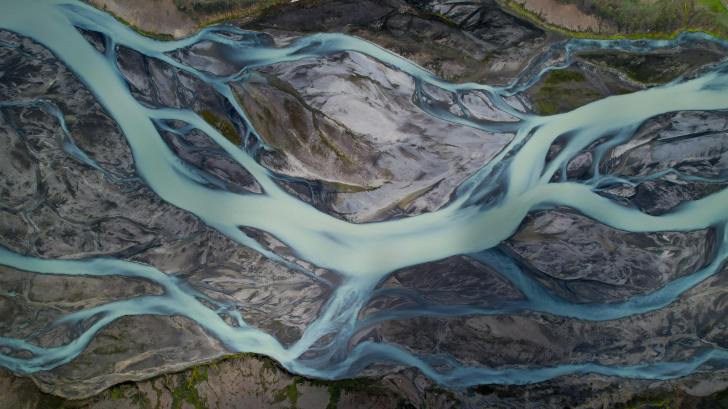
Last year, Europe adopted an ambitious new law committing to restore the continent’s degraded ecosystems.
The Nature Restoration Regulation is the first continent-wide, comprehensive law of its kind. It aims to reverse biodiversity loss, strengthen climate resilience, and support long-term environmental and economic sustainability. Previously termed the Nature Restoration Law, the legislation compels European countries to restore at least 20% of their degraded ecosystems by 2030, and all degraded ecosystems by 2050.
Each EU Member State must now develop a National Restoration Plan to kickstart the new legislation’s ambitious goals. These restoration plans – due in 2026 – will offer a roadmap for how Europe’s ecosystems can be brought back to life over the coming decades.
A key part of this process involves absorbing lessons from the cutting-edge restoration research and practice currently taking place across Europe. Four major EU nature restoration projects recently met in Brussels to discuss evidence-based recommendations to help European countries develop their National Restoration Plans.
The four projects – MERLIN, REST-COAST, SUPERB and WaterLANDS – have spent the last four years developing innovative approaches to restoring Europe’s freshwaters, coastlines, forests and wetlands. The projects share a focus on the potential of nature-based solutions – using natural processes to help benefit both people and nature – to help achieve this goal.
Three key themes emerged from the Brussels meeting. First, the importance of securing adequate, long-terms funding for restoration. Second, the need to develop robust monitoring, indicator and prioritisation tools to help make good decisions about long-term restoration management. Third, the vital role of engaging the public and policy makers to generate trust and support for restoration initiatives.

Financing long-term restoration projects
Funding long-term restoration projects through National Restoration Plans is a key challenge for EU countries. Whilst there is no dedicated EU funding stream to support the plans, they can be supported through existing national and EU programmes – such as the Common Agricultural Policy – as well as innovative private sector investments such as carbon credits and payments for ecosystem services.
The four projects highlight a number of challenges in accessing funding through these channels. They suggest that biodiversity and carbon monitoring can be tricky to link to financial outcomes, and as a result private companies can be hesitant to invest in restoration due to concerns over ‘greenwashing’. Similarly, ‘nature credit’ schemes can be challenging to implement and regulate due to difficulties over monetising ecological gains whilst avoiding negative outcomes.
Further, it’s highlighted that awareness of new financial schemes is often low amongst local and national authorities. In particular, there is the need to communicate the potential of business models based on nature-based solutions approaches to help stimulate their uptake.
The four projects offer individual lessons on how to overcome these barriers. For example, WaterLANDS identify three steps: building knowledge on sustainable finance; taking action to test new business models; and identifying pathways to upscale innovative finance models across the continent. MERLIN has built a financial workflow for restoration activities, and offers ‘off-the-shelf instruments’ to support financial solutions for restoration.
The projects state that to attract private sector investment into restoration, it is vital to demonstrate that revenue generation and business opportunities from nature are viable. They highlight the need to develop methods and tools that value the benefits nature provides to people.
They advocate for public-private partnerships where nature restoration is regarded as an investment which can not only generate revenue, but also avoid future costs and risks, for example as the result of flooding or drought.
To support such schemes, there is the need to implement financial instruments. For example, REST-COAST explore the application of ten financial instruments – including green bonds, blockchain tokens and eco-labels – in supporting restoration. Both MERLIN and WaterLANDS outline the difficulties of quantifying costs and revenues in freshwater ecosystems, particularly over long timescales.
The four projects state that there is a need for governance strategies that help combine public funding with private sources to support the long-term financing of restoration, whilst also overcoming the multiple challenges these approaches can involve.
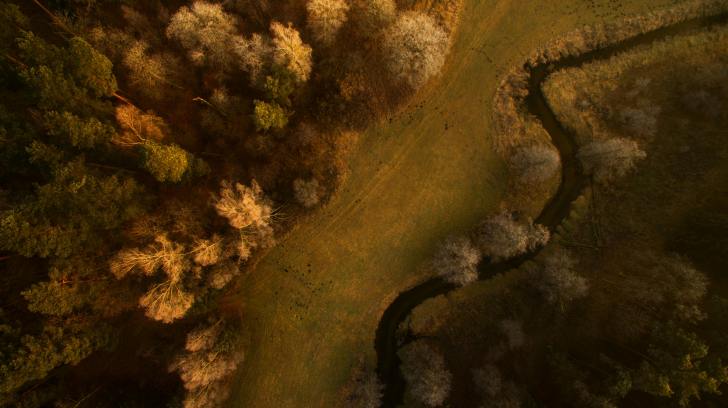
Upscaling nature restoration: monitoring, indicators, prioritisation, trade-offs
Upscaling is an increasingly-heard term in European restoration: it points to the need for ecosystems to be restored and joined up, not only at individual sites, but across a continent-wide network of living habitats. The four projects highlight the need for effective monitoring strategies to be developed to allow restoration managers to address different priorities and trade-offs in helping foster this European network of healthy, diverse ecosystems.
Monitoring is crucial for understanding the impacts of restoration activities, and allow managers to track progress over the long timescales it takes for a forest to grow or a peatland to form. SUPERB has developed a series of restoration work plans that help managers address factors like site selection, monitoring and stakeholder strategies, whilst MERLIN has produced a Flexible Indicator System which helps projects align their environmental, social and economic impacts with those of the EU Green Deal.
All four projects highlight the potential of innovative new monitoring techniques like eDNA, AI, citizen science and acoustic modelling in supporting large-scale data collection. Moreover, they point to the wealth of existing data already available to help guide restoration projects, such as that collected in the Water Framework Directive. There is a need to make such large and complex datasets more accessible to restoration managers seeking to plan and monitor their own projects.
Upscaling nature restoration across the continent will require significant prioritisation and trade-offs to help bring healthy, diverse ecosystems back into daily life. Prioritisation in National Restoration Plans could focus on factors including feasibility, ease of implementation, landscape connectivity and actions that deliver multiple benefits, or on the protection of rare or threatened habitats. The projects highlight the potential of economic cost-benefit analyses to help assess such trade-offs.
Effective restoration requires targets and monitoring systems that address multiple goals simultaneously. For example, restoration work on the Emscher River in Germany – supported by MERLIN – has improved water quality and habitat whilst providing new spaces for recreation. Similarly, WaterLANDS work on the Great North Bog in the UK is restoring peatlands for increased biodiversity and carbon storage, whilst simultaneously helping boost water quality and flood mitigation downstream.
However, such work often involves trade-offs, as found by the SUPERB project in their projects along the Danube river floodplains. Here, intensive poplar plantations are being increasingly converted to natural oak forests to benefit biodiversity, but this process temporarily reduces carbon storage and timber yield. To navigate complexities like these, SUPERB has developed a series of interactive maps to highlight policy coherences (and incoherences) between national forest laws and the Nature Restoration Regulation across Europe.

The importance of people: stakeholder engagement and governance challenges
Nature restoration is never solely about biodiversity and ecosystems: it is deeply related to people, too. As a result, our social, cultural, economic and political systems are entwined in restoration projects, particularly when the ambition is to mainstream restoration across the continent.
As a result, the four projects highlight the need for effective governance and stakeholder engagement in gaining trust and support for restoration projects. They outline a range of governance challenges that EU Member States will face when designing National Restoration Plans. These include addressing conflicting interests and priorities amongst different communities, ensuring the uptake of restoration on the ground, and mobilising ongoing public support.
Sensitively and effectively managing these challenges is key to the long-term success of restoration projects, the contributors argue, and can help maximise their social, economic and ecological benefits. Evidence from the four projects shows that stakeholder engagement, collaborative decision-making and holistic thinking are central for addressing these challenges.
Key to this work is integrating top-down approaches – which are led by national decision makers – and bottom-up approaches – which are led by public and community groups – into restoration planning. The four projects highlight that in so doing, National Restoration Plans can align with existing European policies whilst ensuring national level commitment and local buy-in based on trust and integration.
All four projects share this multi-level engagement with people in making restoration projects happen. For example, REST-COAST’s pilot sites are based on collaborative, ‘living lab’ decision-making processes which bring together multiple perspectives on restoration. Similarly, WaterLANDS has developed detailed guidelines on deliberative decision-making processes which integrate social and economic considerations with ecological assessments.
The four projects also highlight the need to address governance barriers and policy incoherences which can hinder ambitious restoration projects. A key obstacle is the difficulty of aligning different priorities, such as biodiversity conservation, agriculture, forestry and urban development. This is compounded by the fragmented nature of policies across European, national and local levels, and the short political cycles underpinning government decision-making.
These challenges can be overcome by developing integrated policies that encompass multiple interests – for example, from climate, water and environmental policy – from EU to national and local levels. A holistic perspective which focuses on the whole landscape or ecosystem can help integrate nature restoration goals into such broader objectives, the four projects suggest.
Finally, the four projects emphasise the need for effective stakeholder engagement in fostering trust, support and uptake for restoration projects. Engagement is different from communication: it requires open dialogue, trust building and co-creation, and it aims to ensure that all interests and values around a landscape are meaningfully considered and integrated.
This article offers only a snapshot of the detailed recommendations offered by the four projects, which can be read in full in the EU report here. The insights it offers should be hugely valuable in helping scaffold the next chapter of ambitious ecosystem restoration across Europe.
///
This article is supported by the MERLIN project.
Cabinet of Freshwater Curiosities: artistic riverine insects create colourful cases from unusual materials

If you’re a long-time follower of the Freshwater Blog, you might remember our Cabinet of Freshwater Curiosities project from more than a decade ago. That website has since washed away down the rivers of time, but we thought it was the right moment to showcase our collection of curious freshwater plants and animals again. So keep your eyes peeled over the coming months as we dust off the Cabinet and celebrate the wonderful world of freshwater life!
///
Caddis larvae – Trichoptera
Guest curators: Prof. Daniel Hering (University of Duisburg-Essen) and Gerhard Laukötter
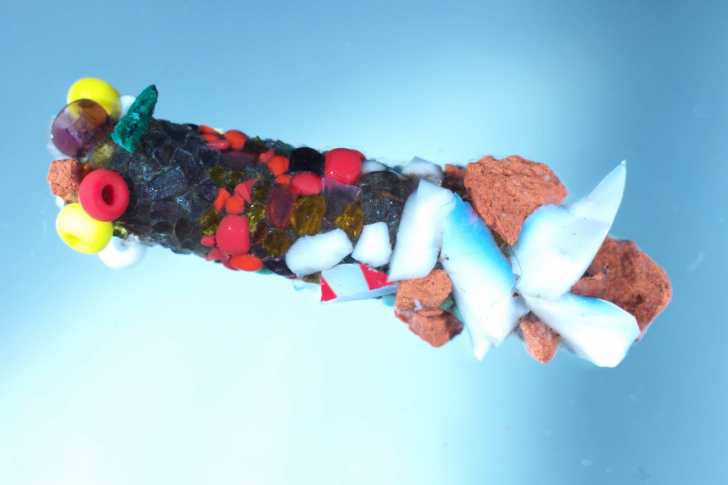
Many animal species are protected from predators, desiccation or disturbance by a thick shell or skin. Only few, however – leeches, midge larvae and butterfly larvae – are capable of building cases to artificially protect them from the environment. Unsurpassed as artistic architects of such artificial cases are tiny caddis larvae, which live amongst the rocks, vegetation and rubbish on river beds. These unique little creatures have developed the curious ability to use these raw materials to create colourful and unusual protective outer tubes.
Caddis larvae are the larval stages of caddis flies (Trichoptera), of which about 12,000 species are known worldwide. Larvae of almost all species are aquatic. Larvae of about half of the species construct transportable cases, protecting soft-skinned parts of the body and in which the larvae can retreat in case of danger. All species protect their defenceless pupal stage with artificial cases, which are firmly attached to the river bed.

Depending of the larval habitat size and form of caddis cases vary, resulting in a large number of unusually constructed cases: round and square tubes, cases in the form of a turtle shell or a snail shell, sand tubes punctuated by thick stones and multi-story cases with sophisticated ventilation systems! Fascinatingly, caddis larvae use very diverse materials for case construction, including: self generated silk; sand of a defined grain size or of different grain sizes; small pieces of wood cut at an exact size by the larvae’s mouthparts; and small parts of leaves, roots or of reed stalks.
Sand
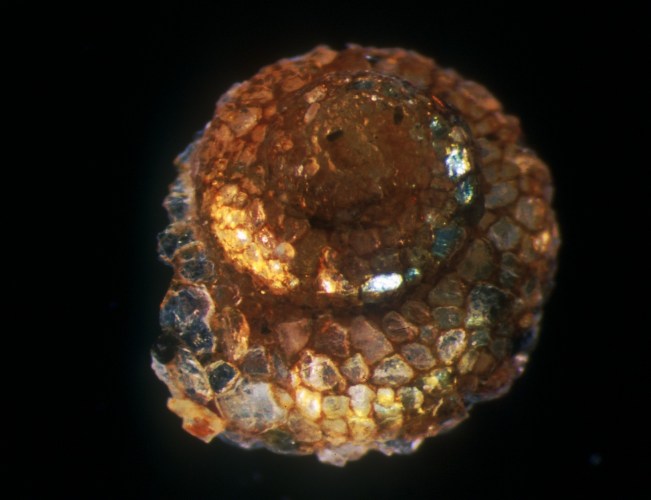
Sericostoma larvae bind small sand grains together in a seemingly jointless, curved tube. Similar material is used by representatives of the genera Molanna (in flat tubes) and Helicopsyche (in wound cases, amazingly similar to a snail shell).
Silk
Larvae of the genera Micrasema and Setodes are specialized weavers, with cases made of pure silk. The diameter of the tube increases when the larvae growths.

Wood and vegetation
Some caddis larvae species (e.g. Crunoecia which inhabits springs), cut wood fragments to a standardized size with which perfectly squared cases are built. Other species don’t care for geometry at all and assemble chaotic cases using all available wood and leaf material without any real construction plan. The important outcome – protecting the larvae – is nevertheless achieved.

Unusual and artificial material
When these preferred materials are not available, most species resourcefully change to building cases out of other more unusual material, with a range of strange and curious results.
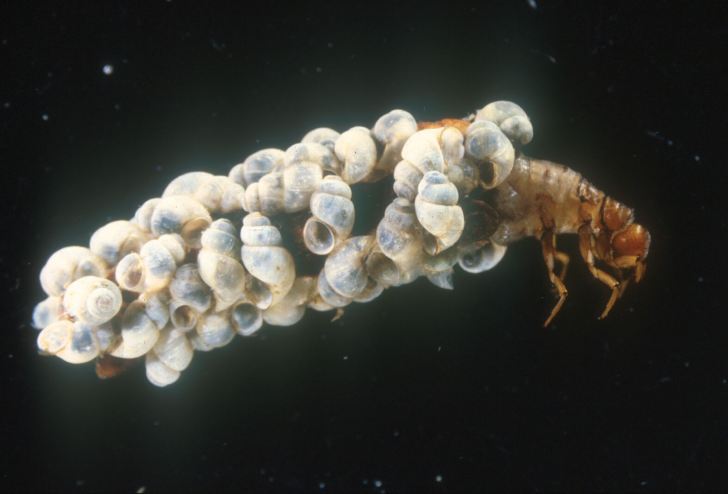
In springs with low current flow, coarse sand and gravel is often absent; and the riverbed is covered by fine sand. Species usually preferring coarse particles have to change to completely different items: using seeds, small mussel and snail shells, regardless of whether they are empty or still inhabited! On rare occasions, a fascinating form of kleptomania can be observed. Here, the cases of small larvae are used by larger larvae for building their own cases. As with snails, this is done regardless whether or not the cases are still inhabited.
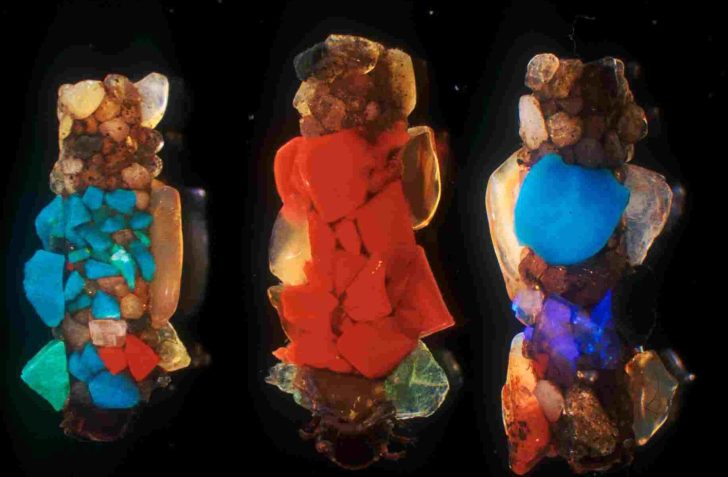
Artificial material is also used by caddis larvae, and sometimes even preferred. Small fragments of red bricks or cement, fibrous tissue, even small pieces of paper or plastic have been observed as parts of colourful caddis cases.
As caddis larvae are generalists in selecting building material, several scientists have exposed larvae in laboratories. In some cases there was a scientific rationale for this. For example, larvae can be marked to observe their migration, as colourful cases are more easily found in a stream.

Caddis larvae reared on a bed of small glass pieces may build a transparent case – which proves useful for scientists hoping to observe the behaviour of the larvae inside. Some biologists have offered fragments of corals, nacre, opal, malachite, lapis lazuli, garnet, rock crystal or turquoise to caddis larvae. These materials result in precious and colourful cases.
More information:
- Higher resolution versions of these caddis larvae photos and others at the BioFresh flickr
- More information on caddis larvae from the Field Studies Council
- Wikipedia page

New sources of funding are needed to meet the needs a growing ecosystem restoration movement in Europe, according to a newly published report.
In particular, ambitious restoration initiatives which help bring Europe’s freshwaters back to life require financial support from both private and public sources in order to fulfil their potential.
Researchers from the EU MERLIN project explored the potential for restoration managers to diversify how they raise funds to support their work. They highlight the need for creative thinking to address the ‘funding gap’ in a realm traditionally supported by public grant funding.
The report outlines that whilst private finance has the potential to support ambitious freshwater restoration in Europe, there are a number of barriers to its uptake. These include specialised language, perceptions of reputational risk, and the difficulties of writing business plans based on the financial benefits produced by restoration.
Committed programmes of communication and collaboration are needed between restoration managers and private sector financiers in order to unlock shared potential, the report states. This process should be underpinned by support programmes, pilot initiatives and expert guidance, the authors advocate.
“We have collected documentary evidence and empirical lessons from twenty cases over three years to shed light on the factors that drive and hinder collaboration between restoration teams and private capital,” says co-lead author Gerardo Anzaldua from ECOLOGIC.
“By looking at how the restoration community communicated, perceived the issues, and got involved—as well as the structures they work within—we took a different approach that adds to ongoing work on funding freshwater restoration and nature-based solutions,” Anzaldua says.

“Restoration teams show a great variety of views on the best strategies to scale up and diversify funding for restoration initiatives,” continues co-lead author Josselin Rouillard from ECOLOGIC. “Some are more equipped than others in reaching out to the private sector. Many are concerned by the resources that would be needed to effectively reach out and create lasting partnerships. Working with the private sector really requires a lot more thinking on the benefits and opportunities that restoration offers for economic activities. It really is a shift in paradigm.”
“Scaling up to a European level in a harmonised, homogeneous way, is unrealistic,” says Gerardo Anzaldua. “Restoration teams need support along their diversification journey, but the type of assistance needed is quite distinct at each stage. It starts with learning on how to communicate with the private sector, understanding their language and needs, all the way to setting up new governance arrangements to have the right accountability and reporting systems. There is no standardised ‘cook-book’, as every context is different.”
“A lot is at stake, as the risks and damages of the ongoing environmental crises are mounting fast while public budgets become increasingly strained,” adds Josselin Rouillard. “Yet there are rightful concerns about the principles and metrics that drive private funding and finance into restoration. It is thus important to reflect on what the pre-conditions are for a successful partnership between the restoration community and the private sector. Safeguards are needed, with serious consideration to possible effects in terms on ownership and access, wealth distribution, equity, and wellbeing.”
“While we focused our work on the restoration community, there is as much work on the side of private donors, lenders, and investors,” Gerardo Anzaldua concludes. “There is scope for simplifying the language but also for increasing their restoration literacy. Improving communication between the two communities is really the first step before interests and priorities can even start to be aligned.”
///
This article is supported by the MERLIN project.
Scientists from across the world lent their support to a statement published last week calling for stronger EU water pollution standards. The statement, signed by 465 scientists, urges the European Commission, EU Member States and the European Parliament to prioritise Europe’s freshwaters in upcoming negotiations.
The scientists state that current freshwater monitoring practices overlook the vast range of pollutants affecting freshwater ecosystems. Hundreds of chemical substances now find their way into European rivers and lakes, and can act together in complex ‘cocktails’ to harm freshwater life.
However, existing EU law doesn’t adequately address this modern reality, the scientists argue. The Water Framework Directive (WFD), adopted in the year 2000, is the EU’s key law to protect freshwater and coastal ecosystems.
Whilst the WFD has significantly strengthened freshwater management in Europe, it now needs updating to ensure it both monitors and addresses the realities of contemporary chemical pollution across the continent.
“Member States are dragging their feet to curb water pollution, and people and nature have to pay the price. We can’t afford to wait a decade to curb pollution that’s harming Europe’s coastal and freshwater habitats,” says Sara Johansson, Senior Policy Officer at the European Environmental Bureau, who coordinated the statement.
The time for swift and ambitious action for Europe’s freshwaters is now. Freshwater species have collapsed by 85% across the continent since 1970 as a result of habitat loss and pollution, meaning that fewer than half of Europe’s water bodies are in good health. Moreover, whilst freshwater restoration efforts have gathered pace in recent decades, the recovery of Europe’s freshwater biodiversity has stalled since 2010.
“I urge all freshwater scientists, ecologists and managers to take a look at this,” says Simon Johnson, Executive Director of the Freshwater Biological Association. “Why is it that freshwater ecosystems always seem to be the poor cousin when it comes to the attention placed on their higher profile terrestrial and marine family members? Without freshwater there is no life, human or wild. Together, let’s stand up for freshwaters!”
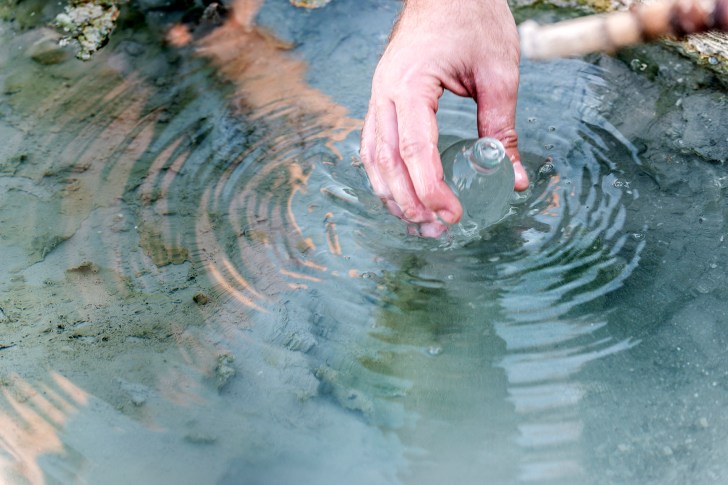
The scientists call on European policy makers to update the WFD and its ‘daughter directives’, the Environmental Quality Standards Directive and the Groundwater Directive, to better address the harmful effects of new and emerging chemical pollutants on freshwater ecosystems.
The group highlight the potential of new tools to monitor chemical pollution and its effects on freshwater life. They emphasise that whilst such approaches require financial investment, the benefits healthy freshwaters bring to humans – clean drinking water, recreation and well-being, food production and so on – are vast.
“Water companies have increasing difficulty providing clean drinking water,” says Manon Rouby, Policy Officer at PAN Europe. “Intake from surface water has to be stopped regularly because there are too many pesticide residues in the water. Recently, we found TFA – the tiny PFAS – in water everywhere in Europe. This will pollute our drinking water for generations to come.”
“Europe’s waters are drowning in chemical pollution, yet EU water protection standards are nearly obsolete, and enforcement is weak – to the extent that hundreds of scientists are sounding the alarm,” concludes Codruta Savu, Water and Climate Change Adaptation Policy Officer at the WWF European Policy Office. “We need stronger pollution limits, better monitoring, and full implementation of the Water Framework Directive’s non-deterioration principle.”
Read the Statement of support for updated EU water pollution standards

Small streams criss-cross Europe’s landscapes: from the highest mountains to the busiest cities. However, despite offering a home to rare and special wildlife, and providing numerous benefits such as natural flood protection to people, this network of small streams can be overlooked by European environmental policy and management.
A new publication by the MERLIN project suggests that citizen science groups can help boost our understanding of small streams, offering valuable activities to help restore the ecological health and biodiversity of these valuable ecosystems.
The publication – Revitalising small streams – A practical guide for community action – offers a hands-on guide for volunteer groups seeking to help restore their local streams. It builds of deep real-world experience in the FLOW project in Germany to outline a detailed series of steps to support public groups in restoring small streams in their area.
After selecting an accessible section of stream around one-hundred metres in length, volunteer groups should follow three key steps towards its restoration, the publication suggests.
1. Take a small stream health check
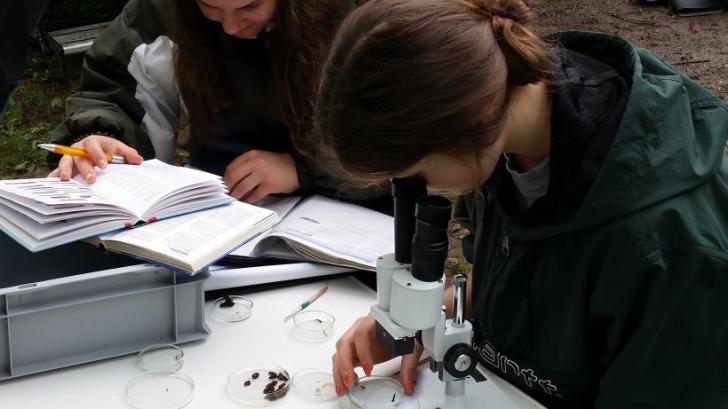
The first step is to monitor the ecological health and habitat quality of the stream. This step is important in understanding the pressures acting on the stream ecosystem and the scale of restoration measures needed to tackle them.
A series of standardised ‘monitoring protocols’ developed in the FLOW project are shared in the publication. These give straightforward ways for the public to assess the stream’s habitat and insect communities to help build a picture of restoration needs.
///
2. Work with local groups to put restoration measures in place
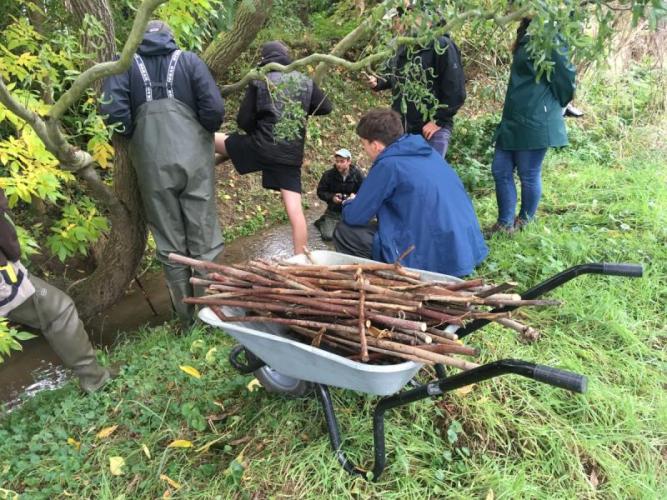
This leads onto the second step in the restoration process: to work with local stakeholders, land owners and environmental agencies to agree upon the restoration measures to be implemented. This process involves obtaining permissions, recruiting volunteers, mobilising local public support, and, finally, putting restoration plans into action.
The publication gives information on a series of tried-and-tested restoration approaches. These include installing wood structures to help boost habitat and stabilise stream banks; introducing gravel as ‘micro-groynes’ to help improve stream bed habitats; and planting trees such as alder along the stream’s banks to help shade its waters.
Each of these restoration approaches is accompanied in the publication by detailed information on its ecological effects and the resources and materials needed to make it happen. As such, it provides a valuable resource for public groups to take to other stakeholders in a landscape to help advocate for collaborative restoration activities to be undertaken.
///
3. Track the impacts of restoration over time
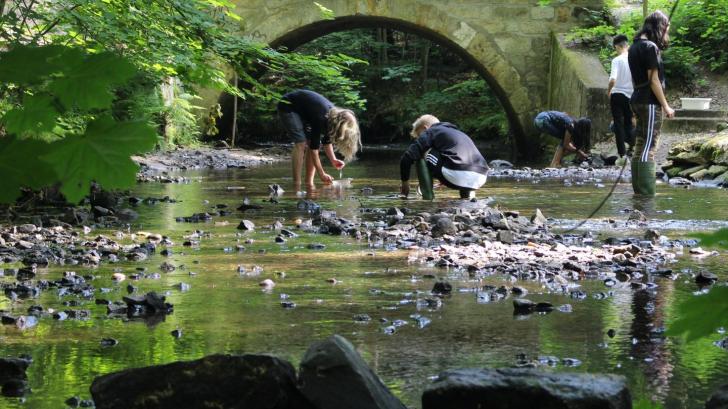
The final step once restoration measures have been implemented is to monitor their impacts over time. This is a vital stage because it allows restoration solutions to be adapted over time in response to how well they are working, or to respond to the emergence of new pressures on the stream.
It is recommended that a stream is monitored for at least five years after restoration to give time for the ecosystem to recover. The publication offers guidance on monitoring so-called ‘bio-indicators’ such as mayflies and stoneflies to give a picture of the wider health of the stream.
///
Overall, the new publication offers a valuable resource to empower local communities across Europe to positively impact the ecological health of their local streams. It relates to a recent episode of the MERLIN podcast on the power of community in making restoration projects happen – which includes an interview with Roland Bischof and Julia von Gönner about the FLOW project which underpins the new publication.
The authors suggest that once restoration is completed, citizen scientists should: “celebrate your success with everyone involved. Share your stories and experience in the local media, and pass on your expertise to other volunteer groups. Work with local fishing clubs and other organisations to maintain the momentum for restoration also of other stream sections. We wish all river enthusiasts and local restoration groups much success and fun! Healthy streams for healthy landscapes and healthy people!”
///
This article is supported by the MERLIN project.
Can nature-based solutions help ‘green’ European economies?
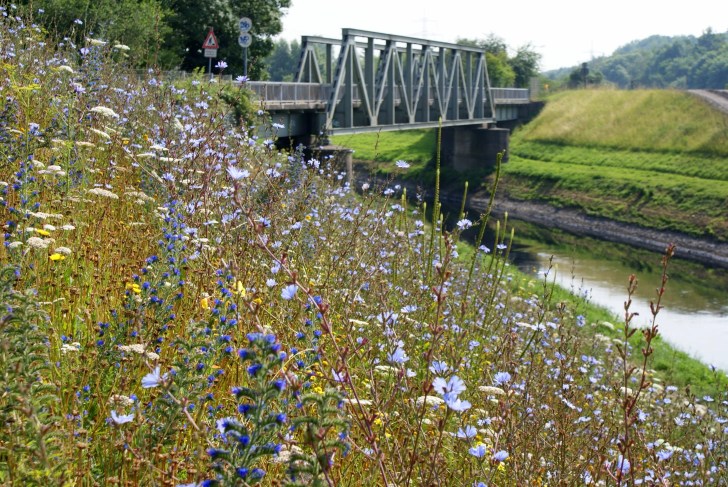
As the ongoing effects of the climate emergency and ecological crisis continue to be felt across Europe, it is clear that ‘business as usual’ in our society’s relationships to nature isn’t working. In recent years, the EU MERLIN project has worked with representatives from six key economic sectors across Europe to explore how this relationship could be fundamentally transformed, to benefit both people and nature.
This work centres on the promise of nature-based solutions in ecosystem restoration. Nature-based solutions – such as peatland and river restoration – aim to use natural processes to help tackle socio-environmental challenges such as climate change, biodiversity loss and flooding.
One key element of nature-based solutions is that they are designed to offer clear economic and social rationales for the value of protecting and restoring natural environments. Advocates of nature-based solutions suggest that this helps strengthen arguments over the value of mainstreaming environmental restoration to benefit all our lives.
MERLIN recently released six strategies exploring how the agriculture, water supply and sanitation, peat extraction, insurance, hydropower and navigation sectors can be ‘greened’ through better adoption of nature-based solutions.
“Over the past three years the project has engaged with the six economic sectors, involving more than a hundred stakeholders from the private and public sector through roundtables, interviews, written comments and feedback, and using these activities to form a sectoral community of practice to encourage knowledge sharing and collaboration,” says strategy editor Anna Bérczi-Siket from WWF Hungary.
“The results of this sometimes-bumpy journey are embedded in the six strategies and their actions, with the purpose to highlight how sectors can take an active role in safeguarding Europe’s freshwater resources, and to help them benefit from the transformation,” she says.
You can read the full strategies on the MERLIN website, and listen to a podcast on the sectoral collaborations here.
///
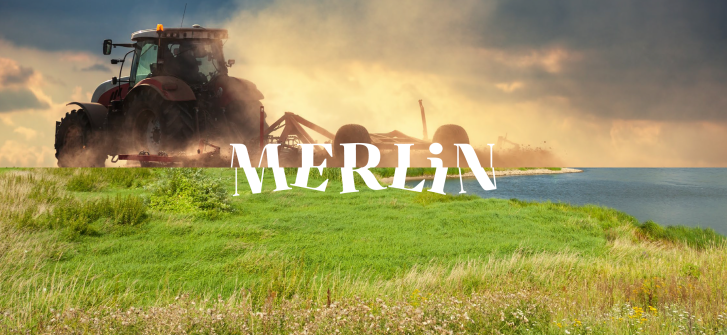
Agriculture
Farming shapes almost 40% of European landscapes, providing vital food security and rural employment, but also significantly contributing to habitat loss and water pollution across the continent. At the same time, the agricultural sector is facing significant challenges such as drought and flooding as a result of climate change alongside rising production costs caused by wider geopolitical events.
Policy makers have long sought to ‘green’ European agriculture through the Common Agricultural Policy, the Green Deal and the Farm to Fork and Biodiversity strategies. The MERLIN strategy works in this context to emphasise the agricultural sector’s critical role in addressing biodiversity loss, climate crisis, and soil and water degradation, while promoting sustainable farming practices that secure food production and ecosystem health.
The strategy envisions a transformed European agricultural sector with nature-based solutions at its heart by 2050. To get there, the strategy outlines six key actions. First, it emphasises the need to educate and assist farmers to integrate nature-based solutions into their practices. Second, it highlights the need to build public awareness and support around the need for such approaches to make European farming more sustainable.
Third, it argues that existing policy frameworks – particularly the Common Agricultural Policy – require reforms to better support nature-based solutions. Fourth, it highlights the role of landscape partnerships between farmers, municipalities, NGOs and citizens to help align agricultural practices with ecosystem restoration goals.
Fifth, the strategy emphasises the potential of recent innovations in farming technologies to help promote more sustainable practices. Finally, it highlights the need to secure market support for nature-based solutions in agriculture – for example through eco-labelling – to reward farmers for their contributions to ecosystem recovery.
///
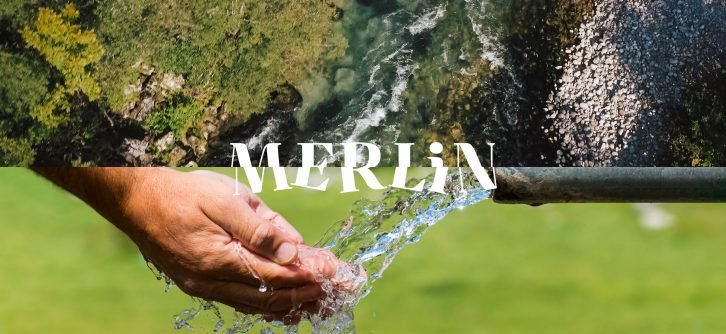
Water supply and sanitation
The water supply and sanitation sector oversees drinking water and wastewater activities for households, industrial, agriculture and commercial customers. Europe’s sewage network and wastewater treatment plants are managed by a mix of public utilities and private operators.
Engagement with stakeholders in the sector identified three main obstacles to the adoption of nature-based solutions. First, the sector has a longstanding engineering culture, which prioritises technical and built solutions to ensuring clean water provision. Second, it is currently more difficult to evaluate the effectiveness of nature-based solutions in helping provide clean water, when compared to traditional engineering approaches. Finally, the governance of nature-based solutions is often complex: requiring collaborations between sectors across landscapes.
The MERLIN strategy proposes three actions to dismantle these barriers. First, it highlights the need to equip engineers and water operators with the expertise to design and implement nature-based solutions. Second, it advocates for standardised decision-making tools to be developed to allow water managers to evaluate the impact and cost-effectiveness of nature-based solutions. Third, it demonstrates the need for nature-based solutions to be better embedded in EU and national policies, in order to create regulatory and financial incentives for water managers to adopt them.
The strategy envisions a future where by 2036 Europe’s water supply and sanitation sector prioritises nature-based solutions. Backed by evidence and strong policies, this situation places nature-based solutions at the heart of Europe’s clean water supply, helping restore ecosystems, boost biodiversity and foster climate-resilient communities.
///
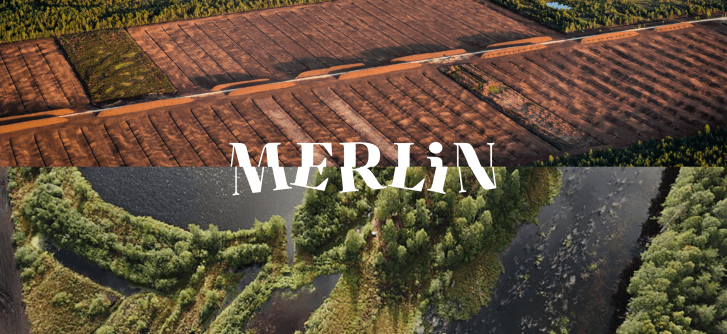
Peat extraction
The peat extraction sector supplies peat for horticulture and energy production. Largely extracted across Central Europe, the Baltic States and Scandinavia, the sector removes vegetation and drains peatlands in order to extract and dry the peat found below their surface. Peatland restoration is a vital activity due to the ability these ecosystems have to absorb and store carbon, to act as ‘sponges’ for flood waters, and as important biodiversity habitats.
Collaborations with organisations involved in the sector identified the potential for peatland restoration as a necessary step following peat extraction in a landscape. It is intended that this process would create valuable nature-based solutions such as carbon sequestration and flood mitigation to support large-scale peatland recovery aligned with EU Green Deal and Nature Restoration Law goals.
To achieve this vision by 2050, the MERLIN strategy outlines five interlinked actions. First, it highlights the need to build shared knowledge around how peatland restoration can help reduce emissions and boost biodiversity. Second, it emphasises how peatland restoration should be promoted as the primary ‘after-use’ step following peat extraction.
Third, the strategy outlines the need to foster partnerships between landscape authorities and landowners in order to embed peat restoration in their management. Fourth, it highlights the need for policy and regulatory frameworks to prioritise restoration as a key licensing requirement for peat extraction organisations. Finally, it states that clear and viable business incentives must be presented to the sector in order to help boost the uptake of restoration activities.
///

Insurance
The insurance sector underpins how individuals and organisations across Europe deal with environmental risks. There are two broad types of insurance: life and non-life. Life insurance focuses on human capital value (e.g. legacy planning, medical costs); whereas non-life insurance covers property, casualty or accident costs, aiming to replace the valuable of things like homes, cars and valuables.
As extreme weather – and resulting floods and droughts – becomes more common under the climate emergency, the demands on both life and non-life insurance are changing to accommodate new risk factors. The MERLIN strategy offers an action plan for 2025–2030 under which the insurance sector integrates nature-based solutions in order to better manage these emerging risks.
Building on engagements with the insurance sector, the strategy focuses on the role of nature-based solutions in non-life insurance, for example through the reductions in flood risks prompted by floodplain restoration. It also considers life insurance investments in nature-based solutions as a means of helping mainstream such approaches through “nature investments” across different sectors.
The strategy identifies a series of key actions required to mainstream nature-based solutions across the investment sector in Europe. These include: the sharing of loss data with all actors, especially regional and local authorities; conducting cost-benefit analyses of nature-based solutions measures; developing standards for evaluating the sustainability of nature-based solutions; encouraging policies to consider nature-based solutions for risk reduction; revisiting insurance portfolios; creating innovative products incorporating nature-based solutions, and; promoting “insurers as investors” in nature-based projects.
///
Hydropower
Hydropower is one of the oldest and most widespread sources of renewable energy in Europe, with 21,387 hydropower plants in the EU contributing 13.8% to overall net electricity generation, and with another 8,785 plants currently proposed or under construction. There are around 1.2 million dams, weirs and obstacles in Europe’s rivers, of which hydropower projects account for less than 2%.
However, the sector has a key role to play in European river restoration. Removal of the barriers blocking rivers is a hot topic across Europe: as restorationists seek to connect up fish migration routes and restore natural flow patterns. Following consultation with the hydropower sector, the MERLIN strategy advocates for its role in the barrier removal process across Europe, emphasising the social, economic and biodiversity benefits it offers.
The strategy outlines five strategic actions to better support the involvement of the hydropower sector in this process. First, it highlights the need for better understanding of nature-based solutions – and the benefits they can bring – across the sector. Second, it identifies potential synergies between the hydropower sector’s role in renewable energy policies, their links to nature restoration policies, and how these could be brought together through a nature-based solutions approach to barrier removal.
Third, the strategy focuses on creating clearer financial pathways to involve the hydropower sector in planning, designing and delivering nature-based solutions through barrier removal. Fourth, it outlines the need for better collaboration between public and private bodies to help deliver these projects. Finally, it highlights the need to provide tools to help identify appropriate barriers to be removed and to guide investment decisions.
The strategy authors emphasise the promise of such approaches, but note that fostering trust between different bodies involved in the sector is crucial, due to the adversarial positions taken between some hydropower and nature restoration groups in the past.
///

Navigation
Inland navigation along Europe’s vast network of rivers has an important role to play in moving both people and goods across the continent. Large boats typically require deep, consistent navigable channels, known as ‘fairways’. Maintaining these fairways can significantly alter the course, depth and flow of a river, often altering its ecological functioning and the biodiversity habitat it provides.
Inland waterways in Europe are largely managed by public, governmental bodies. The MERLIN strategy highlights the potential to harmonise the drive for zero-emission, sustainable transport with river restoration in Europe. It notes the need for careful trade-offs between navigation and restoration needs, but highlights how recent studies suggest that nature-friendly river engineering – such as bank restoration – does not necessarily hinder navigation.
The strategy argues that the ongoing effects of the climate emergency on Europe’s rivers are common ground for navigation and restoration concerns. It states that increasingly extreme levels of flood and drought require more adaptable vessels, logistics and waterway design that benefit both navigation and nature. To achieve this, high-level policy and management ambitions need to be linked to on-the-ground experience to build trust and confidence in nature-based solutions approaches.
Formed through engagement with the European navigation sector, the MERLIN strategy offers a series of five actions to mainstream its adoption of nature-based solutions. First, it cites the need to develop an action plan to ‘green’ inland waterways on a large scale through nature-based solutions. Second, it highlights the need to build confidence by supporting communities of practice to share knowledge and experiences on the subject.
Third, it suggests that such knowledge sharing can provide a common understanding of the issues facing the European navigation sector, and how nature-based solutions can help address them. Fourth, it emphasises the need to minimise ‘hard’ engineering of Europe’s rivers in the future by promoting nature-based solutions. Finally, it highlights the need for inland waterways to be prioritised based on their ecological status and navigation roles in order to better balance the needs of nature and navigation on Europe’s rivers.
///
And finally, to celebrate International Women’s Day at the weekend, the MERLIN communication team put together this video introducing some of the incredible women who make this project special. Enjoy!
///
This article is supported by the MERLIN project.
MERLIN Innovation Awards celebrates cutting-edge approaches to freshwater restoration at 2025 ceremony
The winners of the annual MERLIN Innovation Awards – which highlight state-of-the-art solutions for freshwater restoration – were announced earlier this month.
Entries from organisations across the world were assessed by an expert panel, and shortlists for the two categories – Service of the Year and Product of the Year – were compiled. Two winners were announced at a busy online ceremony on February 13th.

MIA Service of the Year: River Cleanup
The winner of the MIA Service of the Year is River Cleanup, a Belgian non-profit organisation which empowers global communities to cleanup their rivers. The idea behind the project was sparked in 2017, when founder Thomas de Groote was challenged to do a ten minute cleanup of plastic waste in his local area each day for ten days. Thomas dressed up as a superhero, convinced his children to help him, and the idea for River Cleanup was born.
“I can recommend it to everybody: if you ever have that moment, just say yes, because it completely saved my life,” Thomas reflects. “And to me now, it feels that my purpose here on this planet is to do this. It doesn’t feel like a job or a task to do: its just a huge problem, which is almost impossible to solve. But I feel in every vein that that we are going to do it, or at least, we will make a huge contribution to solving it.”
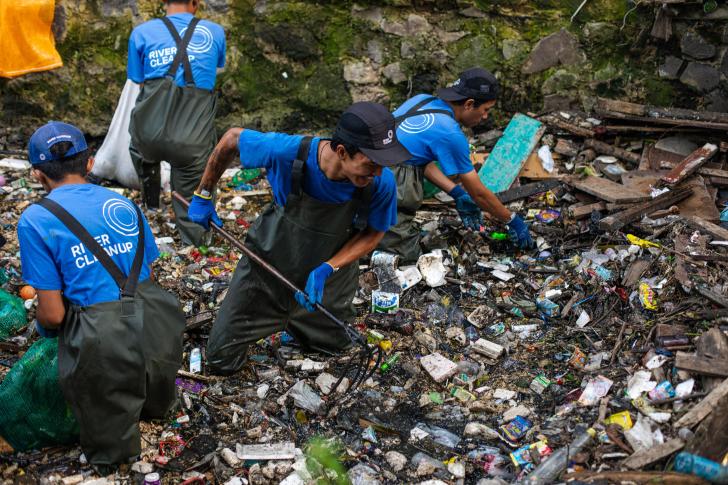
The project grew rapidly, with 10,000 people joining cleanups along the Rhine in 2018, and international growth across ten rivers in Europe and Asia following River Cleanup’s official formation in 2019. The appetite for removing plastic from waterways continued apace, with over two million kilograms of plastic removed from rivers globally in 2022, and work being carried out in one hundred countries by 2023.
“Everybody can be involved,” Thomas explains. “That really stands for the togetherness of people, companies and governments taking action, because often people blame the companies, companies blame the people, and we all say the government needs to do this, and nothing really happens. So that’s why I like to take action and, inspire and motivate everybody, on this planet to become part of the solution. We do it on a very positive, inclusive and impact-driven way.”

River Cleanup has developed a Clean River Model to tackle the root causes of river pollution. The model is based on empowering communities to take action, preventing single-use plastics from reaching waterways, and supporting policy change.
“This model is a highly scalable and holistic approach where it’s not only about cleaning up the river, its about community awareness,” says Thomas. “We go to schools: that’s really our entry point for the community. We look at local leaders so they speak the local language and they’re really from there.
“Then we focus on prevention by reducing single-use plastics and putting in collection systems for post-consumer waste,” Thomas continues. “Cleanup is still important, but it’s also about stopping the plastic getting into the rivers in the first place. And then the last step is accelerate accelerating change, where we work with governments.”

Thomas highlights the role of the MERLIN Innovation Awards and Marketplace in helping bring wider communities together to support river restoration: “It’s amazing to get this prize. It’s another step in getting more people to know who we are, what we do, and how they can contribute. We see our holistic approach as the innovation: we’re bringing people and ideas together and it’s good that it was recognised by the jury members.”
“Our goal is to be working across one thousand rivers across the world, supporting teams working on making their river plastic free,” Thomas says. “And doing that through our platform, where everybody’s contributing and where partners also can find projects and where the whole world is collaborating.
“The dream would be to include everybody who wants to contribute: everyone who can find the energy to help solve these problems,” he continues. “You have to make your plan and then do it and then learn by doing. And on the way, you will you will gain so much experience and you will adapt and then you can finally succeed.”

Product of the Year: Wasser 3.0 PE-X®
The winner of the MIA Product of the Year is Wasser 3.0 for their innovative approach to removing microplastics from water.
“Microplastic pollution is a growing problem,” says Katrin Schuhen, Managing Director of Wasser 3.0. “These tiny particles come from products such as cosmetics and vehicle tyres. They are also shed into the water when we wash polyester clothing and are produced through many types of manufacturing. Contrary to many assumptions, microplastic pollution does not begin in the ocean, it starts on land where products are being produced and used.”
Microplastics – which can originate from tyres, textiles, cosmetics and the breakdown of larger plastic items – are a rapidly growing environmental issue, now found even in the most remote and inaccessible places on Earth, and causing concern for both ecological and human health.

The Wasser 3.0 PE-X® technology provides a modular process for the removal of microplastics from water. Polluted water is run through a mixing tank where microplastics collects in clumps around a special silicone-based chemical compound. These waste clumps can then be reused in house and road construction, and the clean water returned to the environment.
“We are looking for the early adopters, the companies who want to be part of the transformation from now to the future,” Katrin says. “We have industries who are working with us doing the piloting, doing the long-term studies, bringing all the data together, building their sustainability upgraded processes, and becoming future-proof.”
“Responsibility is there on the one hand, and the other is the economic benefit,” she says. “Because if you can build circular processes, you can directly reduce the costs by, for example, re-using processed waters, then the industries become interested in the technology.”

“Winning the MERLIN Innovation Award 2025 for Product of the Year is hopefully an impact accelerator for our microplastic analytics and removal technology,” Katrin explains. “The MIA increases the visibility of the microplastics issue in the environment and links the problem to responsible solutions and products, together with regulations and laws that monitor the entry of microplastics into the environment and measures to prevent it.”
The MERLIN Innovation Awards celebrates new and widely-applicable solutions for restoring freshwater ecosystems. The awards – organised by project partner Connectology – recognise the need for restoration projects to better engage with economic markets to support transformative ecological improvements.
You can find out about the ten shortlisted projects, and the expert jury who selected them.
///
This article is supported by the MERLIN project.
Introducing FutureLakes: transforming lake restoration in Europe

Europe’s lakes need urgent help. Around half of European lakes fail to reach ‘good’ benchmarks for ecological health and chemical pollution. And as a growing number of studies show, freshwater ecosystems are struggling across the continent, with around a quarter of aquatic species now classified as endangered or ‘near threatened’.
The picture is similar globally: lakes are one of the most threatened ecosystems on the planet, subject to the over-abstraction of water, widespread pollution, and the growing impacts of the climate emergency.
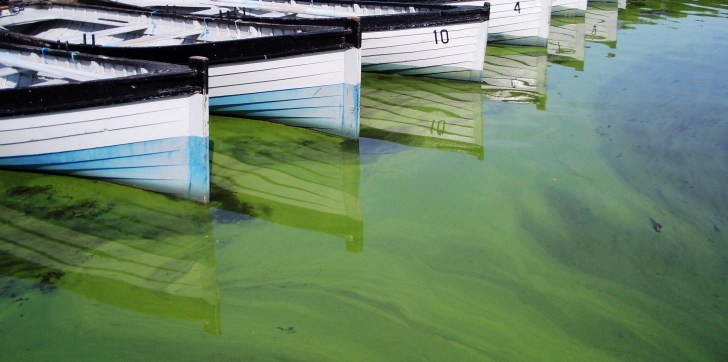
Lakes are not only important for the unique plants and animals they support – they’re also vital in underpinning our everyday lives. Widespread algal blooms – caused by pollutants from agriculture and wastewater and exacerbated by warming water temperatures under climate change – threaten water supplies for drinking, washing and recreation.
As a result, the time for ambitious lake restoration is now. The new FutureLakes project responds to this need, aiming to drive forward cutting-edge approaches to help restore Europe’s lakes. A partnership of ten environmental institutions from across Europe, FutureLakes aims to showcase the value of nature-based and circular economy solutions in lake restoration in order to help stimulate more sustainable blue economies.

“We will demonstrate nature-based solutions to reduce pollution loads to lakes and help deliver resilience to floods and droughts,” says NIVA research manager and project coordinator Laurence Carvalho. “We will also pilot circular economy solutions to recover valuable resources from legacy pollutants that have built up in lake sediments.”
“In my view these circular approaches – including harvesting algae – are potentially transformative as they are taking nutrients out of the system and recovering them for re-use in economic sectors, for example in soil conditioner and fertiliser in agriculture or high value products from algae,” Carvalho continues.
“If we can demonstrate it pays to recover valuable resources this can fuel the restoration process. In FutureLakes we aim to demonstrate that restoring lake water quality not only restores freshwater biodiversity, but also makes economic sense,” Carvalho says.
There is a lot of excitement about nature-based solutions in environmental circles right now. The concept is simple: harness the power of natural processes to help protect and restore damaged ecosystems. So, for example, restoring reed beds around a lake can help trap the pollutants that would otherwise run off from surrounding landscape. And as Laurence Carvalho suggests, part of the optimism around nature-based solutions lies in their potential to help stimulate additional economic and societal benefits through ecosystem restoration.
“We will deliver a tested blueprint for lake protection and restoration which will include guidance on how to attract green financing for implementing restoration measures and policy implementation to support the restoration process,” says NIVA researcher and project manager Maeve McGovern. “We will also pilot more innovative and inclusive approaches to water management, including increasing public engagement in citizen science and restoration planning.”

To do this, over the next three years FutureLakes will focus on ten pilot sites and six large demonstration lakes across Europe. Technical innovations such algae harvesting and island creation will be tested at the pilot sites, whilst the potential to integrate such innovative approaches into wider governance and management will be explored at the lake demo sites.
FutureLakes is currently inviting applications from lake managers across Europe to a call for funding to help support their restoration work. The call, which is open until the 31st March 2025, offers over €50,000 in financial assistance to help managers develop action plans to upscale lake restoration in their region. A webinar will be held on the 10th February to guide interested applicants through the process.
FutureLakes is funded by the European Union under a wider ‘Mission to Restore our Ocean and Waters’. This EU Mission aims to protect and restore the health of our oceans and inland waters through research and innovation, citizen engagement and blue investments.
You can find out more about FutureLakes on their project website, and keep updated with progress in articles and podcasts here over the coming years.
///
This article was supported by the FutureLakes project.










 The Freshwater Blog