Low water and high salinity: the effects of climate change and water abstraction on lake ecosystems

Boat on a dry Tunisian lake. Image: Pixaweb | Creative Commons
The fifth IPCC report, published in 2014, states that climate-related risks to freshwater ecosystems will increase in the future if greenhouse gas concentrations in the atmosphere continue to rise. Reduced rainfall under future climate change is projected to reduce available surface water and groundwater in dry subtropical regions, increasing human competition for water and potentially reducing the amount of water available for natural ecosystems. The IPCC report suggests that changes in rainfall patterns are likely to cause increased periods of drought in the future, particularly in semi-arid regions, potentially threatening the diversity and functioning of lake ecosystems.
There are already examples of lakes which have been severely affected by reduced water levels, whether caused by low rainfall, human water abstraction, or a mixture of both. The Aral Sea between Kazakhstan and Uzbekistan has shrunk by more than 50% since Soviet irrigation projects were constructed in the 1960s and has high salinity levels that have resulted in huge reductions in biodiversity, although restoration projects are currently underway (for more, see Aladin et al 2009). Lake Akşehir, once one of the largest lakes in Turkey, almost entirely disappeared between the 1980s and 2000s as a result of intensive irrigation for crop farming, leading to extinction of two endemic fish species (see Jeppesen et al 2009, and this Turkish report by Murat Uysal and colleagues).
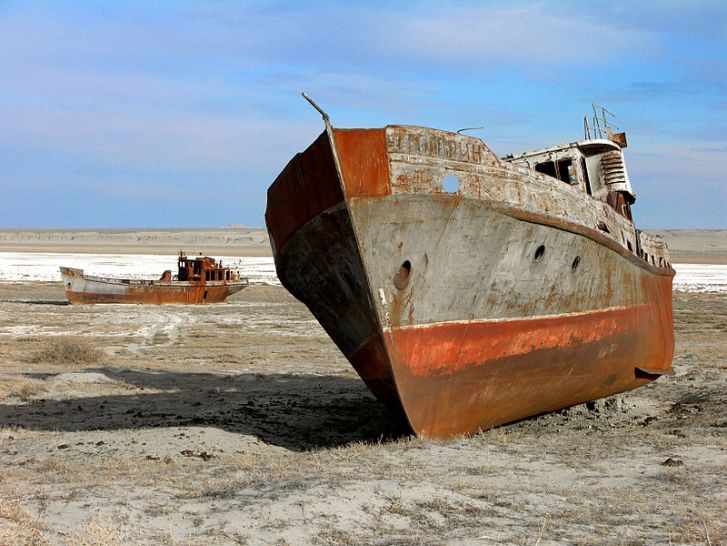
A ‘ship graveyard’ in the Aral Sea, Kazakhstan. Image: Wikipedia
New MARS study
Freshwater ecosystems in semi-arid Mediterranean climates are projected to be particularly affected by climate-induced droughts in the future. A new journal article by MARS scientist Erik Jeppesen and colleagues in Hydrobiologia examines how lake and reservoir ecosystems located in these Mediterranean climates have been affected by changes to water levels and salinity in the past. The study gives a more comprehensive understanding of how Mediterranean climate lake ecosystems are affected by water and salinity levels: a valuable resource for scientists and policy makers looking to research, manage and conserve these freshwater ecosystems.
The team used long-term climate and ecological data (which varied in coverage, but broadly covered the latter part of the 20th century) on six lakes in southern Europe and the Middle East, and one in Brazil (in a similar semi-arid climate), alongside a literature review of similar past studies. They found that whilst each lake had individual characteristics, the broad trend was that changes in water levels and salinity had significant effects on the lake ecosystems, nutrient dynamics, nutrient concentrations and water quality.
The study’s literature review of existing studies on the topic found that water level reduction often results in higher nutrient concentrations, higher phytoplankton biomass and lower water transparency in both shallow and deep lakes and reservoirs. Similarly, the authors found that increases in lake salinity often “markedly alter the community composition of phytoplankton, zooplankton, macrophytes and fish and often lead to a decrease in the biomass and diversity of each of these organism groups.”
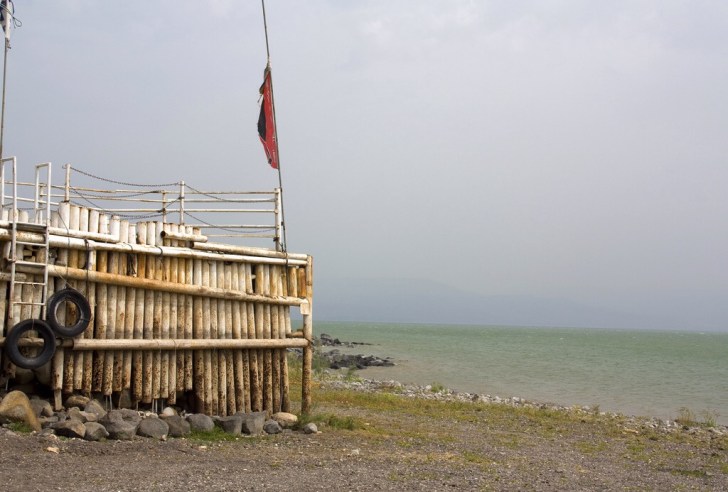
Dry dock on the Sea of Galilee. Image: israeltourism | Flickr | Creative Commons
Impact of water level decreases
Water level changes were generally caused by reduced rainfall or increased water abstraction for human use. These factors are often related, as studies (for example Yano et al 2007 in Turkey and Rodriguez Diaz et al 2007 in Spain) have found that reduced rainfall as a result of climate change is likely to increase the demand for water abstraction, as communities look to use scarce water resources for irrigation and drinking.
Nutrient concentrations in lakes generally rise when water level drops, because although there is less ‘nutrient loading‘ (the term generally used for nutrients entering an ecosystem) from runoff of fertiliser and waste from surrounding towns and fields, the nutrients already in the shrinking lake are likely to be concentrated.
In many cases, this can lead to eutrophication, where high nutrient concentrations (especially of phosphates) cause a ‘bloom’ of plants and algae to grow, blocking light and causing low dissolved oxygen levels in the water (or hypoxia), which can kill or harm other aquatic animals, and make the water unsafe to drink or bathe in. In particular, shallower lakes with increased water temperatures might experience blooms of cyanobacteria, and especially of toxin-producing species such as Microcystis. Such cyanobacteria blooms have become common on Doiran Lake in Greece, as a result of lowered lake levels due to agricultural abstraction.
More variable and extreme climatic conditions may lead to sporadically extreme nutrient loading, for example when heavy rain causes flooding and the erosion of river banks and overflows of wastewater and sewage pipes.
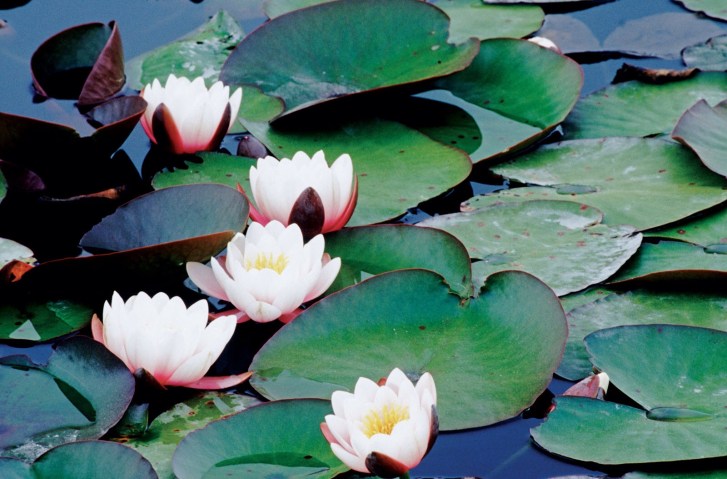
Water lilies, an important macrophyte. Image: Wikipedia
Low water levels and plant populations
The team found that in some cases, macrophytes – aquatic freshwater plants – may actually benefit from minor water level reductions. Many studies in the article’s literature review found that when lake levels dropped, macrophytes – for example water lilies or oxygenating pondweed – flourished due to increased light levels and reduced turbidity (the ‘cloudiness’ of the water).
However, this is not always the case. In the team’s study at the coastal Lake Biviere di Gela in Sicily, Italy, reduced water inflows – as a result of abstraction for irrigation – led to the lake getting shallower and shifting from a clear, macrophyte-dominated ecosystem to one that was more turbid and phytoplankton-dominated. Even when lake levels increased, the lake remained dominated by phytoplankton blooms, and the macrophytes didn’t re-establish themselves, possibly due to a decrease in water quality.
Low water levels and fish populations
Lowered lake levels also have impacts on fish populations. Warmer water temperatures, a potential lack of dissolved oxygen and eutrophication, and the destabilistion of the lake thermocline (a thin layer of water that separates the warm surface layer and cold deep layer) can result in the loss of deep, cold water ‘refugia’ where fish can retreat from predators, sunlight and warmer, oxygen-poor water. Following a reduction of 32 metres in the depth of Lake Vegoritida in Greece between the 1950s and 2000s, populations of the native, cold-water dwelling European whitefish disappeared, and were replaced by populations of warm-water species which can survive in eutrophic conditions, such as roach and carp.
Variability in lake level also destabilises the littoral zone – the area of land immediately around the lake – which can have negative effects on plant growth and fish spawning. For example, at Lake Kinneret (or the Sea of Galilee) in Israel, low water levels meant that bleak – a tiny silver fish – couldn’t spawn in the stony habitats in the littoral zone, which are submerged during high water. Similarly, the same littoral zone provides habitat and shelter for young fish amongst submerged stones and vegetation. Low water levels mean that the potential of the littoral zone as a breeding location and ‘nursery’ area for young fish is lost.
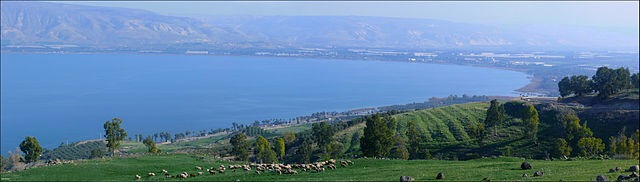
Sea of Galilee in Israel. Image: Wikipedia
Impacts of increased salinity
Reduced rainfall means that less water enters the lake system, causing increases in salinity as solutes in the water become more concentrated. The study suggests that even a small increase in water salinity can cause a significant loss of biodiversity, and alter the ways that the ecosystem functions. It can be difficult to disentangle the effects of increased salinity from the effects of reduced lake levels, as both are caused by reduced rainfall and water abstraction. However, the paper’s literature review revealed that many previous studies have reported that salinity is the most important factor in determining the ecology of Mediterranean lakes.
Higher salinity levels put the cells of many organisms under osmotic stress, where the concentration of solutes in the surrounding water body affects the ways in which water is passed in and out of an organism’s cells. Daphnia – an important group of microscopic species that support many freshwater food webs – have a low salinity tolerance (although it is higher in some Mediterranean species).
Fish are least tolerant to salinity in their juvenile stages – potentially inhibiting the reproduction of existing populations – and salt-averse species may be replaced by salt-tolerant species such as the three- and ten-spined stickleback in highly saline lakes. Macrophyte diversity may also decrease, due to difficulties in plant germination, and the success of a small number of salt-tolerant species.
In emphasising the impact that salinity levels can have on freshwater lake ecosystems, Jeppesen and colleagues state that “when the salinity increase is high (e.g. from freshwater to brackish levels) its effects [on the ecosystem] may in some cases override all other environmental and pressure factors such as temperature or eutrophication.” They suggest that under future climate change scenarios, salinisation of freshwater lakes may also be increased by rising sea levels.
Low water and high salinity: lessons for water management and policy
This study looks to historical climate and ecological data and studies to give an indication of how lakes and reservoirs in semi-arid Mediterranean climates are likely to respond to the linked factors of future climate change and increased human demands for water in the future. In providing a comprehensive picture of the ways in which lake ecosystems respond to reduced water levels and increased salinity, it gives a valuable set of insights for water managers and policy makers seeking to manage, conserve and potentially restore these ecosystems.
Erik Jeppesen and colleagues provide a brief set of environmental management recommendations for these lake ecosystems, emphasising ‘integrated water management‘ that involves the reshaping of planning processes, the coordination of land and water use, the recognisation of water quantity and quality linkages, the sustainable use of surface water and groundwater, and the protection and restoration of natural systems and inland water storage.
The techniques of this ‘integrated’ management are described by the authors as ‘win-win’ and include: promoting sustainable water use, such as water pricing and water use prioritisation; control over abstraction of surface and ground water; implementation of water safety technologies; efficient water usage and conservation technologies; the reduction of water loss and water friendly farming; and increasing the storage capacity of water in the drainage basin through reforestation and controlled drainage.
These are long-term and complex issues – with an element of uncertainty in them – to which there are no simple solutions. However, by looking to the past, studies like this provide valuable information on how we might manage our freshwaters in the future.
Love the Lea: an interview with Ben Fenton from Thames21
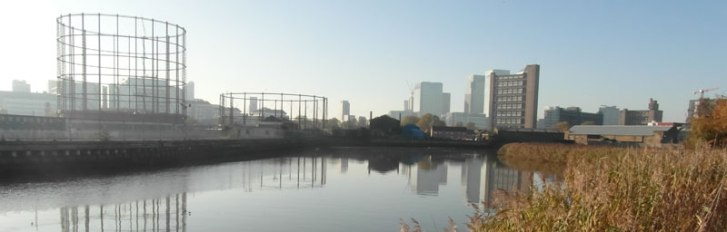
Cody Reed Bed on the River Lea. Image: Ben Fenton
Urban rivers are often amongst the most heavily stressed freshwater ecosystems, often polluted, abstracted, channelled, culverted and canalised. The River Lea in London is no different. The Lea rises in the countryside north of London, then flows through the north and east of the city (partly by way of man-made navigable channels known as the Lee Navigation and a network of channels through the Olympic Park built for the 2012 Games) to meet the River Thames.
We spoke to Ben Fenton from the freshwater conservation charity Thames21 to find out about their innovative work in tackling pollution along the river as part of the Love the Lea campaign.
Hi Ben, tell us about the River Lea: where does it flow through, and through what kind of environments? What’s the ecology of the river?
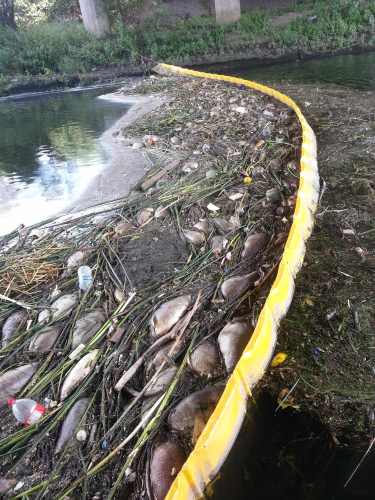
A fish kill in the Olympic Park in 2013. Image: Ben Fenton
The River Lea (or Lee) flows 142 miles from its source in the Chiltern hills to Trinity Buoy Wharf on the Thames at near Canning Town, East London. It travels through heavily agricultural areas of Hertfordshire before entering London, on its journey through the capital it suffers from heavy pollution from a range of sources.
You may find it surprising that this river supports a range of ecosystems. Kingfishers are regularly seen from our office on the river in Bromley by Bow, along with plenty other wildfowl. A pollution incident in 2013 killed thousands of large fish that we didn’t know could live in a river so polluted. There is evidence to show that this fish population is recovering, though lack of habitat is a constant threat.
Where and how do Thames21 work on the Lea?
Thames21 is an environmental charity, officially established 11 years ago, we work with communities in London to improve waterways like these for people and for wildlife. Our Love the Lea campaign focuses on the rivers of the Lower Lea Catchment and sets out to inform local people about this pollution and how they can make a difference. We’re educating 32,000 young people by the end of 2016. We also take practical action to reduce pollution by installing sustainable drainage systems in the catchment area and introducing vegetation to the river in the form of reedbeds.
How serious is the pollution of the Lea? Where does the pollution come from?
Thames21 have tested the water quality regularly with University College London over the last few years, and at times the level of pollution is 40 times higher than EU standards! Rainwater washing off the densely populated areas that border the river often flows straight into the Lea and its tributaries, taking with it oils and other pollutants from roads. Additionally badly connected plumbing from households and commercial businesses in the catchment mean that wastewater enters the surface water drains and then goes straight into the river.
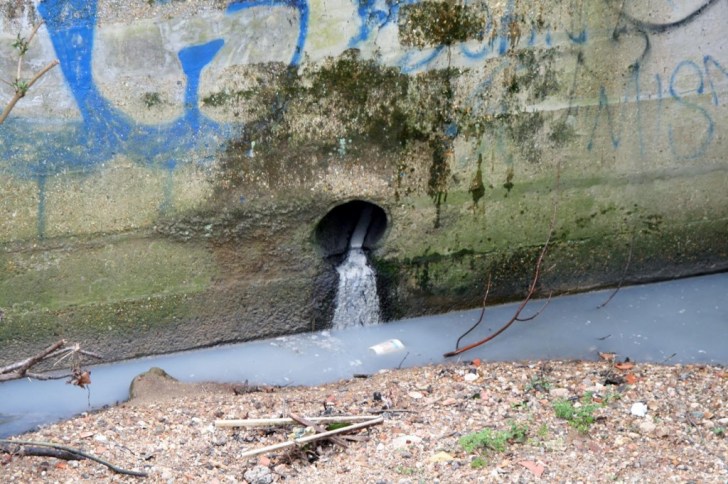
Pollution running into the Salmons Brook, a tributary of the Lea. Image: Ben Fenton
The water company Thameswater reckon despite their hard work, there’s about 60,000 of these ‘misconnections’ across London. Another key pollution source is sewage overflows. It’s estimated that these occur on a weekly basis in the Lea Catchment – they happen when our outdated sewage network cant cope with the amount of sewage in the system, which then overflows into the river.
What are the effects of the various pollutants on the Lea ecosystems?
These pollutants have cause serious effects on the Lea and tributaries. In many places this pollution can be smelt or seen, in Tottenham its common to see huge chunks of matter floating out of the Pymmes Brook which I assume must be raw sewage from overflows.
The lowered oxygen levels make it hard for aquatic life to survive, and high levels of nitrates encourage increased vegetation growth which covers the water’s surface (eutrophication), and duck weed and pennywort block sunlight, which affects the plants and organisms living in the river. Sewage fungus – a pale fungus which lines the river bed and banks – is also common on the smaller tributaries near outfall pipes.
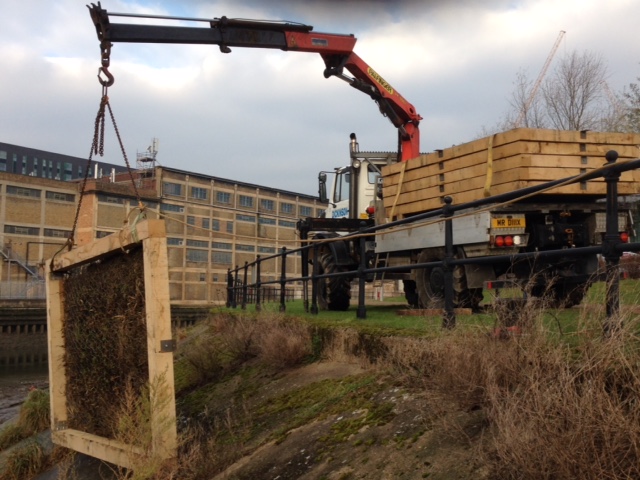
Installing ‘green walls’ along the banks of the Lea. Image: Ben Fenton
What projects and initiatives do you run with Love the Lea to address these problems?
Reedbeds break down pollutants within a waterway, and provide habitats for fish and other wildlife. Installing reedbeds can be difficult within the constraints of an urban river, so we’ve had to come up with novel ways of bringing reeds to the rivers. Recently we’ve constructed large vegetation frames and attached them to sloping concrete banks creating ‘green walls’. This 320m green corridor will not only tackle pollutants, but has provided some much-needed habitat on a section of the river devoid of vegetation.
Our next reedbed project will bring floating ecosystems to the most polluted section of the Lea Navigation in Tottenham. These state of the art reedbed designs are being installed in an area of the river which is too deep for traditional reed planting. As they are floating, the reed’s root structure hangs within the watercourse – more pollution is broken down than in traditional reedbeds, and fish can shelter and feed in the roots.
We have a programme of green infrastructure projects going on across the Lea Catchment, we’re installing simple ‘rain planter’ boxes on community buildings and schools, taking rainwater off roofs reducing the amount of water in the sewers at one time which in turn reduces sewage overflows. We’re creating roadside rain gardens in unused green spaces, these process polluted road runoff and improve the aesthetics of an area.
Finally, we’ve a series of large-scale sustainable drainage systems on a tributary called the Salmons Brook in Enfield. We’re also sticking small signs on street drains to educate people that these drains lead straight to our rivers, an effective technique commonly seen in the USA and Australia.
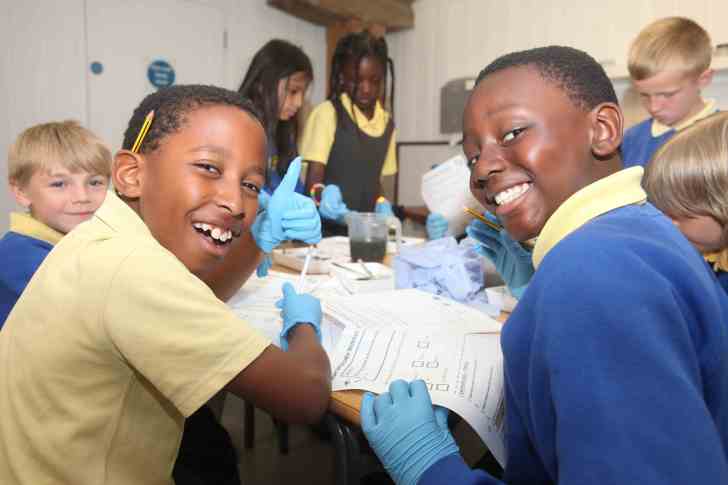
Thames21 outreach work with children in local schools. Image: Ben Fenton
Public engagement is important to your work: can you tell us a little about it?
Public engagement runs in conjunction with all our practical work; engaging people with the urban water cycle, and how our actions affect rivers. In addition to our classroom sessions, we are engaging people in many other ways. Our Love the Lea stall pops up at events throughout the catchment, we use games and fun activities to get the message across. We hold public events like our annual Love the Lea festival, with music, crafts and outdoor theatre, and have commissioned an art-science project Surface Tension, an intriguing mix of field recording, music and photography, which will produce a book, CD and exhibition at Stour Space, Hackney Wick in April.
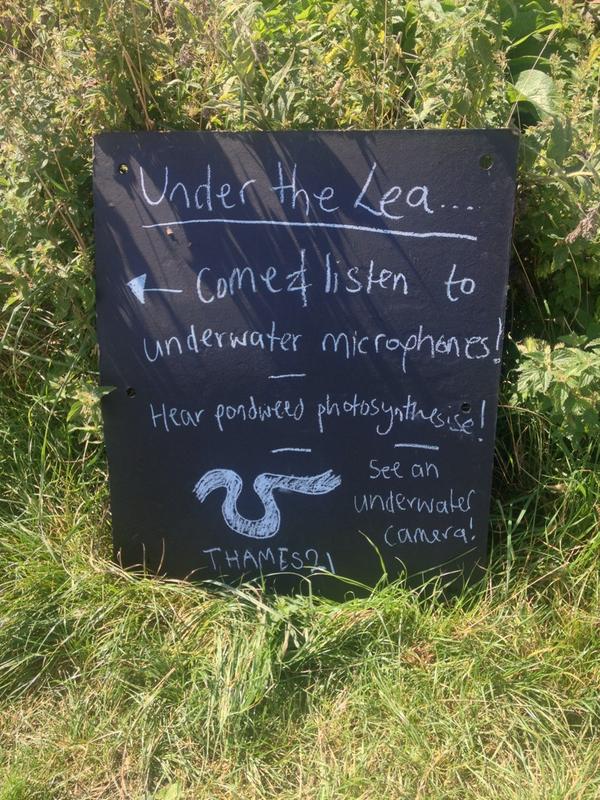
Underwater hydrophone recording with the public at the Love the Lea festival 2014. Image: Rob St John
Thames21 links:
Water and wetlands in the Eastern Mediterranean – critical for people and biodiversity

The lesser water plantain, a European wetland plant threatened by habitat loss. Image: Richard Lansdown
Today is World Wetlands Day, where people and organisations around the world get together to talk about the importance of wetlands – the marshes, paddies, swamps, peatlands, bogs and fens that can help reduce the risk of flooding, ‘lock up’ carbon from the atmosphere and provide clean, filtered drinking water for humans, and habitat for an array of plants and animals.
Founded by Ramsar, and held on the 2nd February each year, World Wetlands Day marks the date of the 1971 adoption of the Convention on Wetlands in Ramsar, Iran on the shores of the Caspian Sea. To mark the day, we have a guest article by Kevin G Smith of the IUCN Global Species Programme on water and wetlands in the Eastern Mediterranean.
—
A two-year study involving scientists from across the Eastern Mediterranean has shown that freshwater biodiversity in the region is in an alarming state. With almost one in five species threatened with extinction, and a number of species already extinct, urgent action is required to restore and protect wetlands and flow regimes, and to adopt integrated water resource management practices that incorporate biodiversity needs.
Competing demands for water
In many regions of the world that are facing significant levels of water stress, there is often a perceived dichotomy between the provision of water for people (e.g. for irrigation) and for the ‘environment’ (biodiversity). When faced with this choice, the needs of biodiversity are, at best, usually only considered if there is any water ‘remaining’ once all other uses have been catered for. The notion that healthy freshwater ecosystems (functioning as ‘natural infrastructure’) that support biodiversity will provide, store, and purify water, and also provide many other valuable ecosystem services (e.g. food, flood protection, recreation) is not widely appreciated. In addition, the information required to inform this decision-making process about the needs of biodiversity is usually lacking.
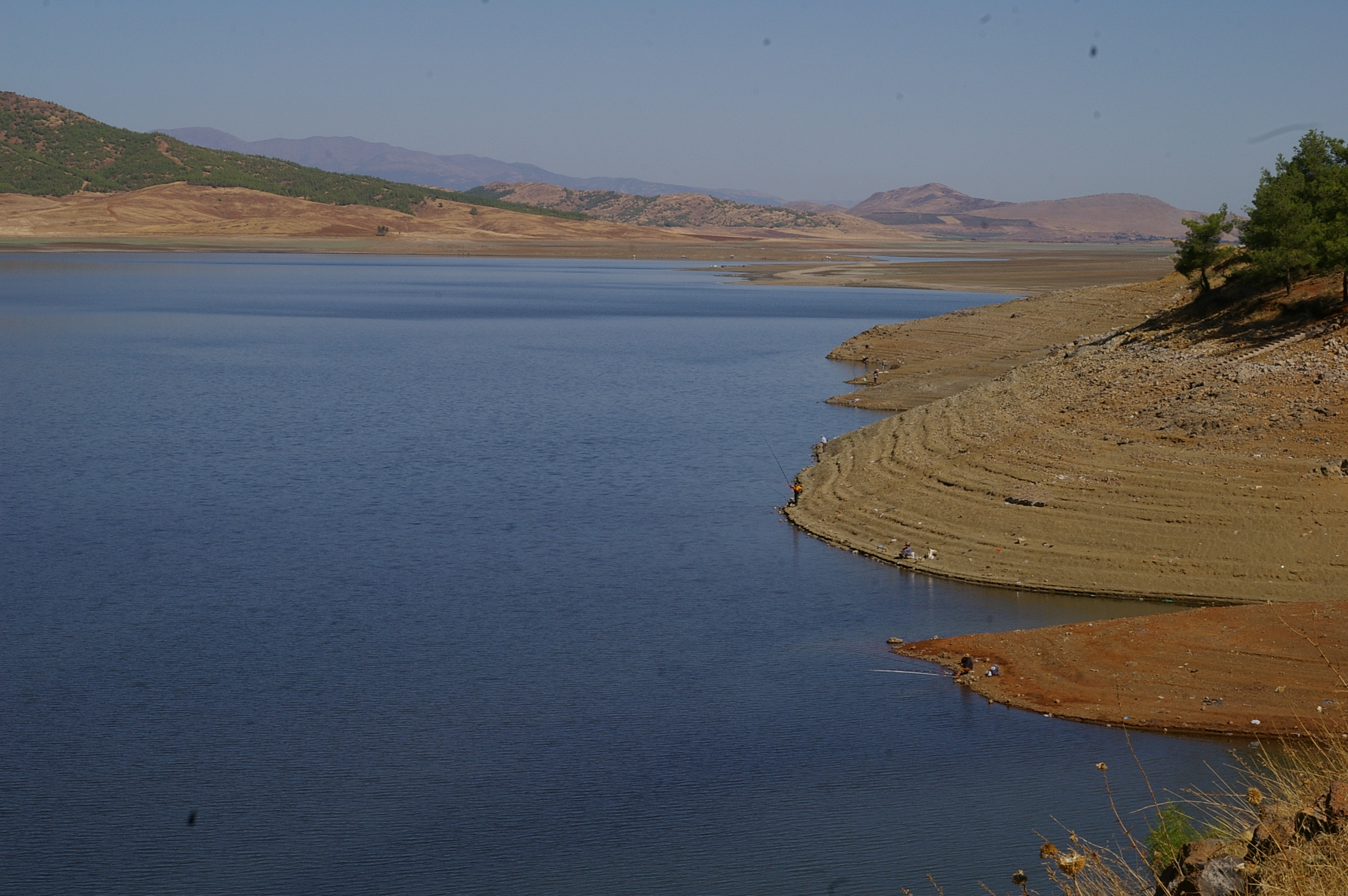
The Tahtaköprü dam in Turkey, which reduces water flows downstream. Image: Jörg Freyhof.
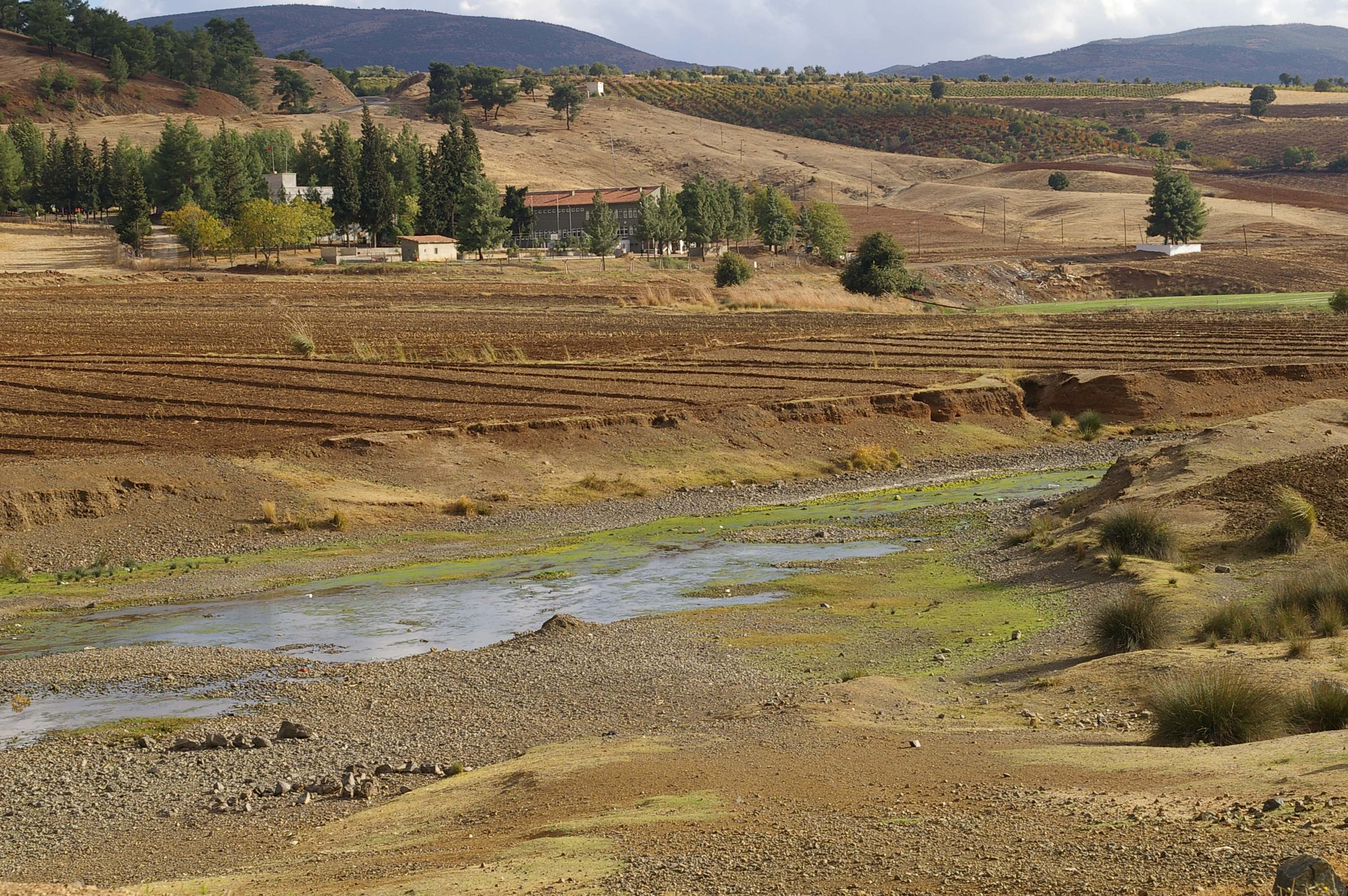
Intermittent water flows on the Karasu River below the Tahtaköprü dam. Image: Jörg Freyhof
Nowhere is this situation more apparent than in the Eastern Mediterranean region (Turkey, the Levant, and Euphrates and Tigris catchment), where the decision-making processes governing water resources are largely focused upon requirements for irrigation and energy production. This approach, compounded by impacts of climate change and pollution, has led to extensive loss of wetlands (e.g. Lake Amik in Turkey, and Azraq Oasis in Jordan), an alarming reduction in ground water levels, and a reduction and alteration in water flows across the region (e.g. the Qweik River in Turkey and Syria).
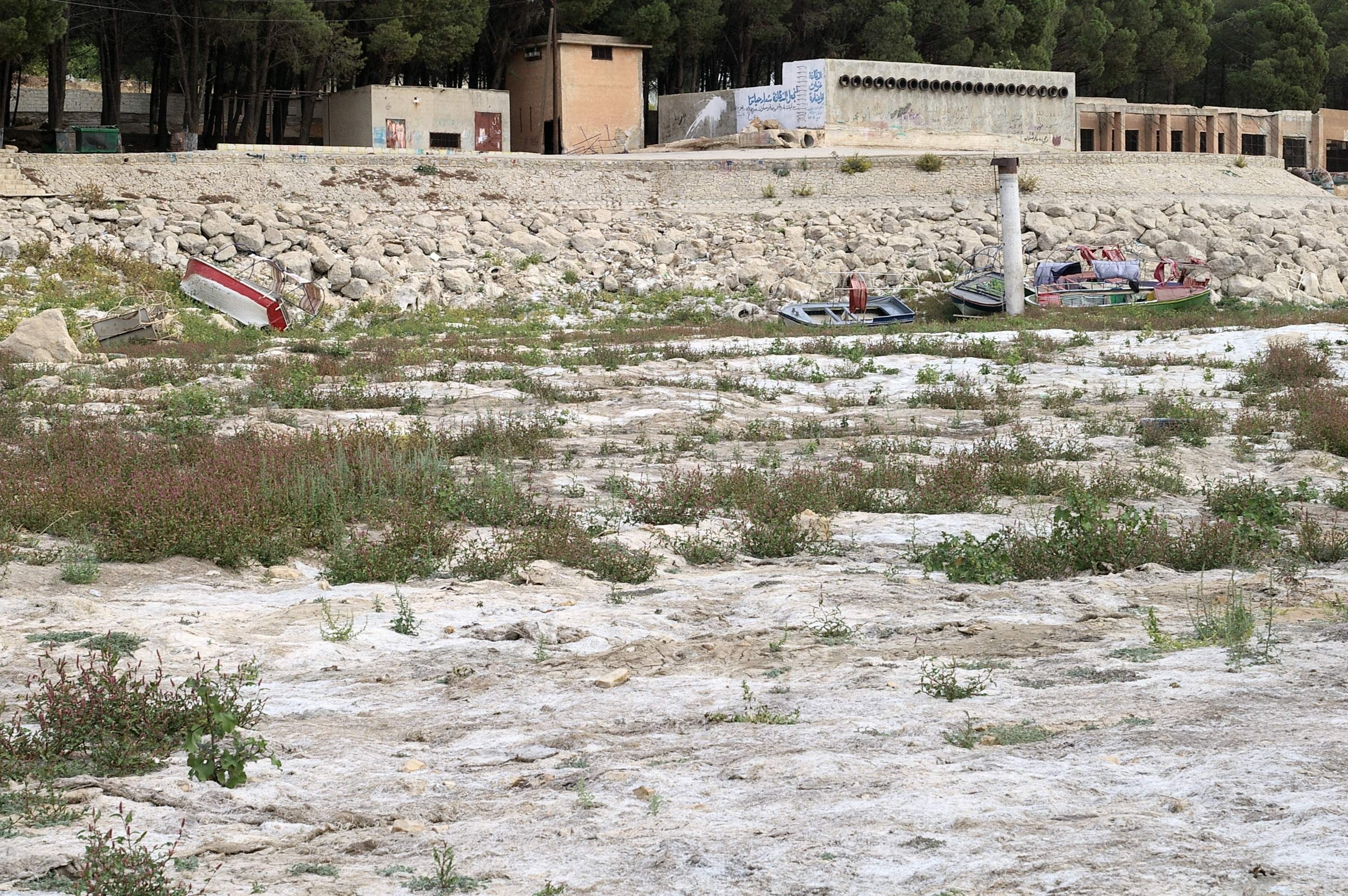
Once famous for its large amounts of cold and clear water, Barada spring in the Syrian Damascus basin was drained in 2008. Image: Jörg Freyhof
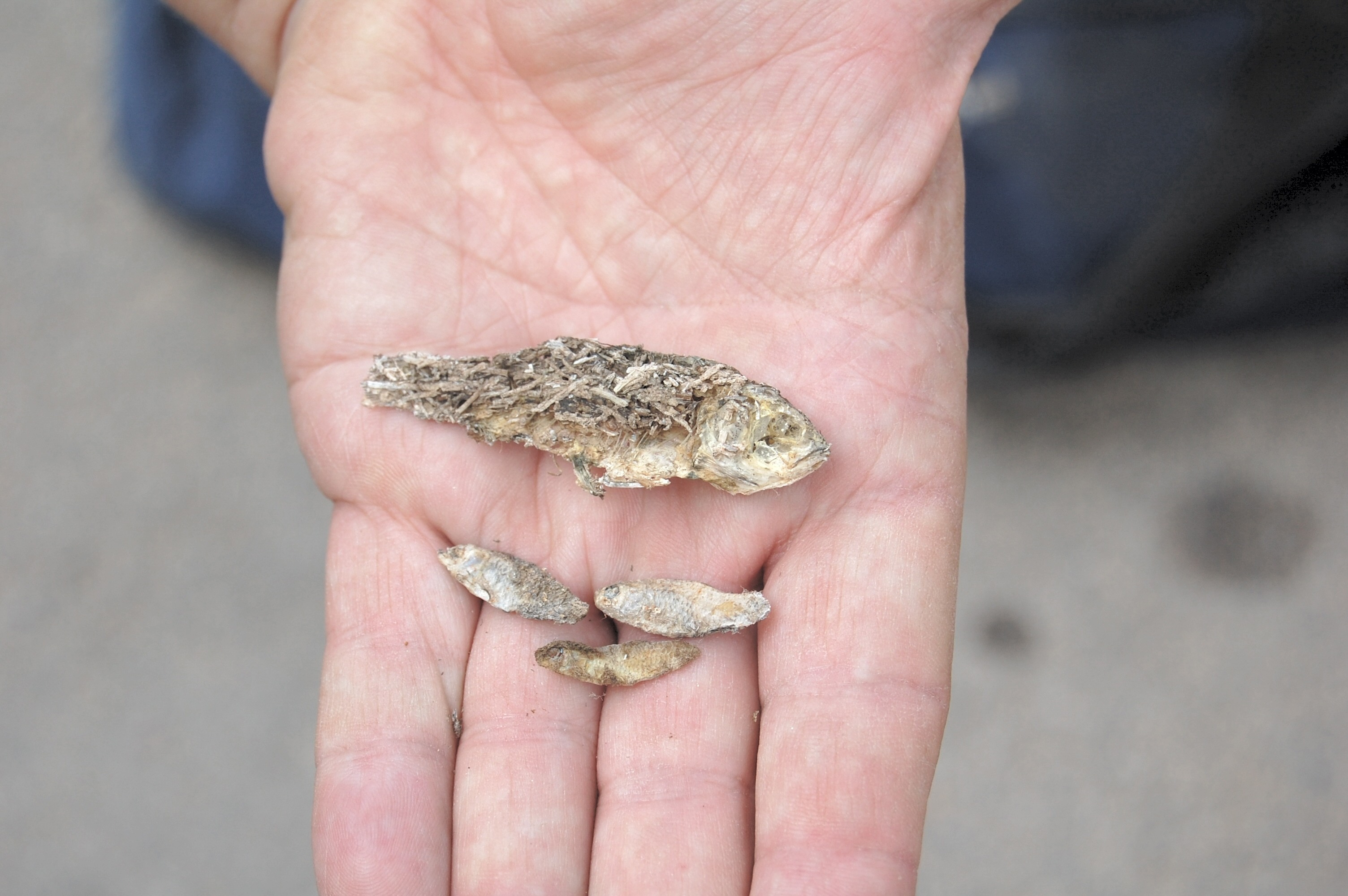
The only endemic species of the spring, the Barada Spring Minnow (Pseudophoxinus syriacus) is Critically Endangered and may be extinct. Image: Jörg Freyhof
Mapping and conserving freshwater biodiversity
As a response to this situation the International Union for Conservation of Nature (IUCN) and partners have recently conducted a project in the Eastern Mediterranean that aims to address the lack of information on freshwater biodiversity, raise the profile of freshwater biodiversity conservation in the region, promote integrated water resource management practices, and better inform decision makers. Through this project, primarily funded by the Critical Ecosystem Partnership Fund (CEPF) and the MAVA Foundation, we identified the conservation status and mapped the distributions of all described species freshwater biodiversity in selected taxonomic groups in the Eastern Mediterranean. The project engaged scientists from across the region over a two-year period to assess the extinction risk (according the IUCN Red List Categories and Criteria) of every described species of freshwater fish, mollusc, dragonfly and damselfly, and a significant number of the regions freshwater plants. The findings, recently published in a report, are alarming.
Amazing diversity of freshwater species under threat
Despite the semi-arid nature of the region there is an amazing diversity of freshwater species. In total, 1,236 currently described species were assessed and mapped, of which just under 1/3 are found nowhere else on the planet (i.e. they are endemic to the region). However, almost one in five (19%) of these species, and over half (58%) of those endemic to the region, are threatened with extinction. Sadly, six species, all fishes, are known to have become extinct, and an additional 18 species (seven fishes and 11 molluscs) are possibly extinct. Molluscs and fishes are particularly impacted, with 45% and 41% threatened, respectively. Freshwater springs are identified as critical habitats, especially for threatened species as they often provide refuges during times of drought and where there is excessive water extraction.
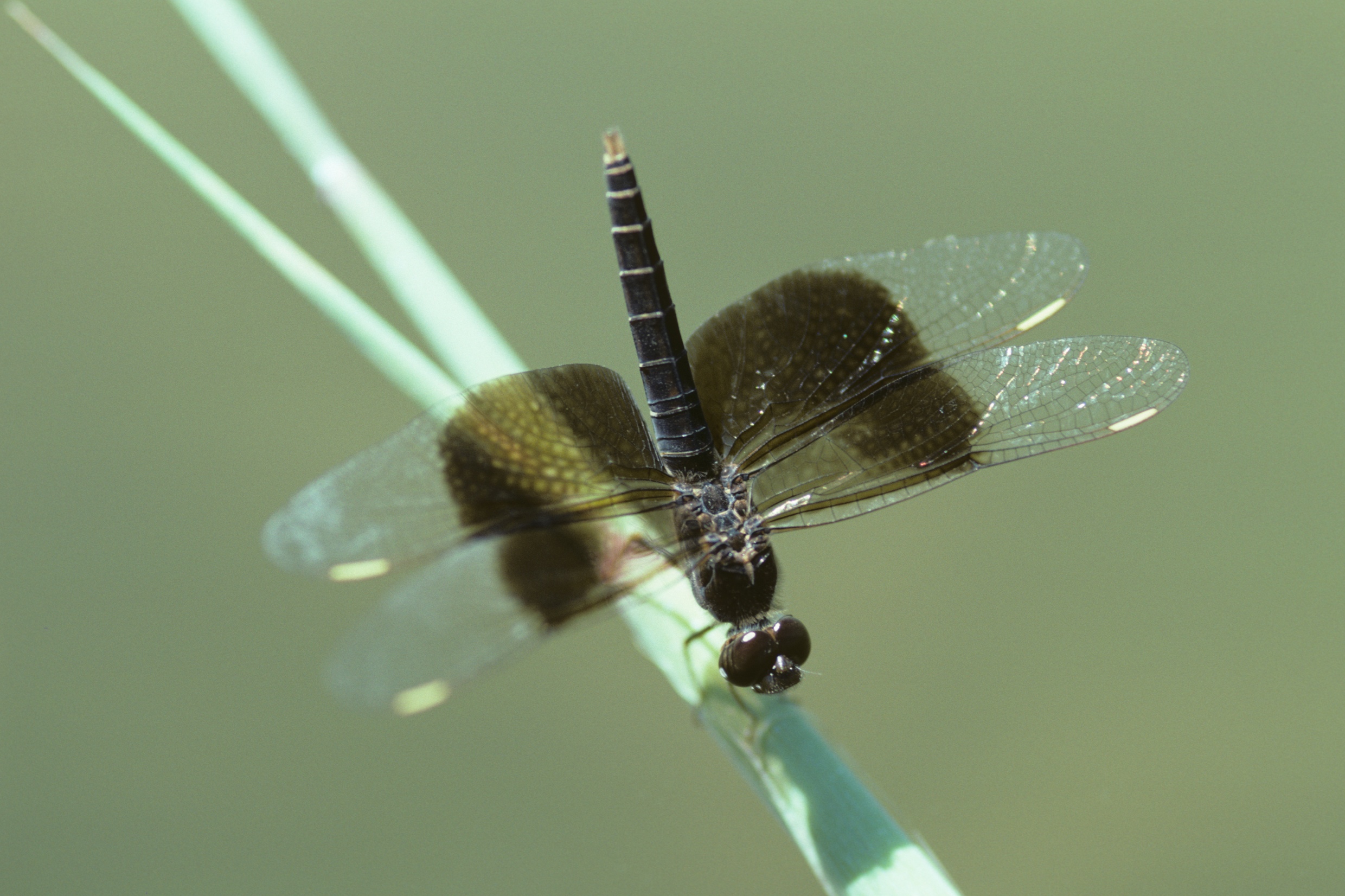
The Dark-winged Groundling (Brachythemis fuscopalliata) is a Vulnerable species endemic to the Eastern Mediterranean region where its populations are declining due to pollution and habitat loss. Image: Jean-Pierre Boudot

There are many freshwater fish species with tiny global ranges in the Eastern Mediterranean region. The Critically Endangered Aci Göl Toothcarp (Aphanius transgrediens) from a spring field in Central Anatolian Lake Acı is just one example. Image: Jörg Freyhof
Freshwater Key Biodiversity Areas
A number of sites that are of particular importance for the persistence of freshwater biodiversity have been identified across the Eastern Mediterranean. These sites, known as freshwater Key Biodiversity Areas (KBAs) are presented in a related report, also just published, on Freshwater Key Biodiversity Areas in the Mediterranean Basin Hotspot. These KBAs represent critical sites for freshwater biodiversity that may be used to inform future decisions on the designation of Ramsar sites (Internationally Important Wetlands) and inform environmental planning and private sector development – in particular to aid adherence to environmental safeguards policies and guidelines.
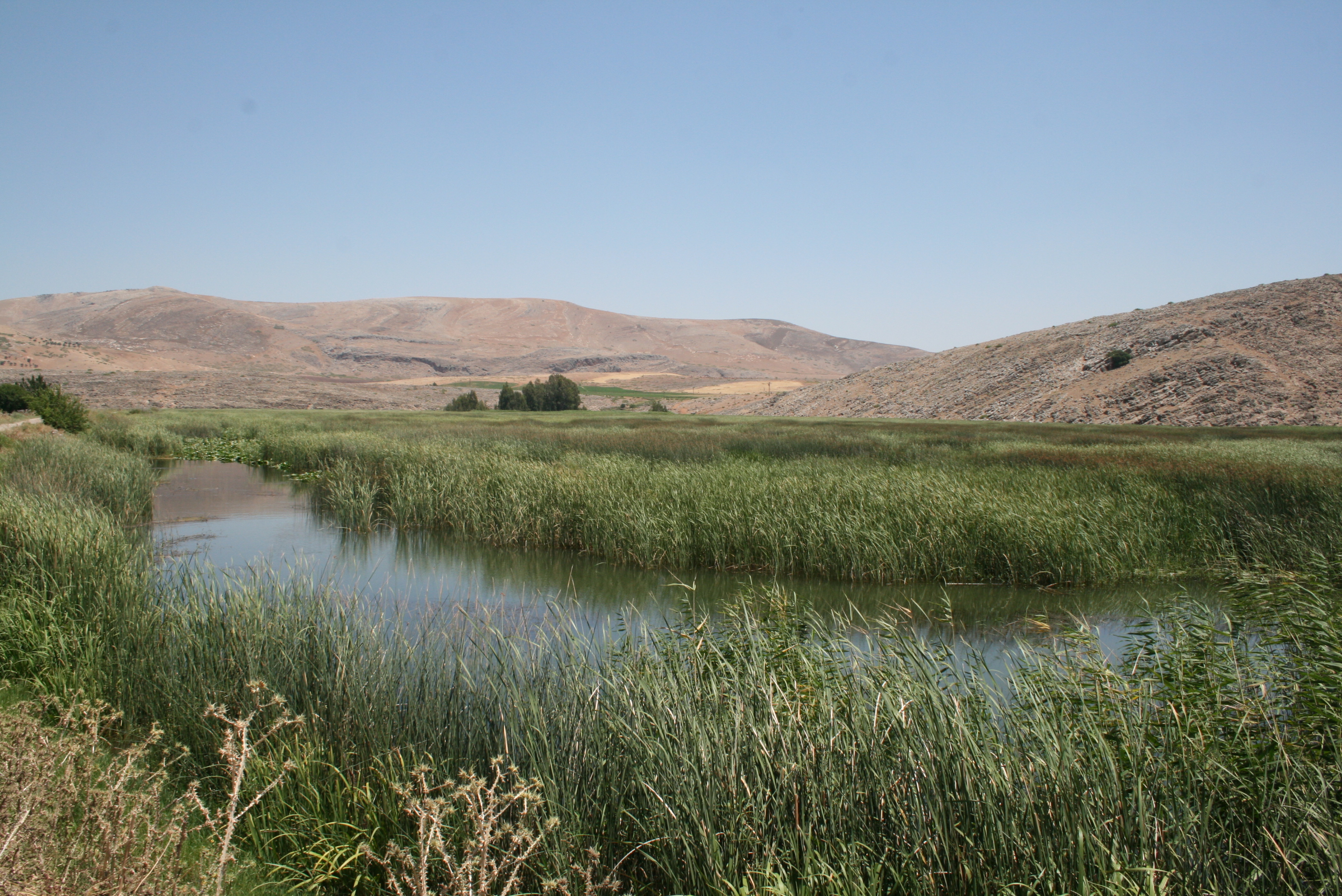
Gölbaşı Lake (in Hatay, Turkey) is close to the former Lake Amik on the Karasu River. Many freshwater species from Lake Amik are now confined to this small lake. Image: Manuel Lopes-Lima
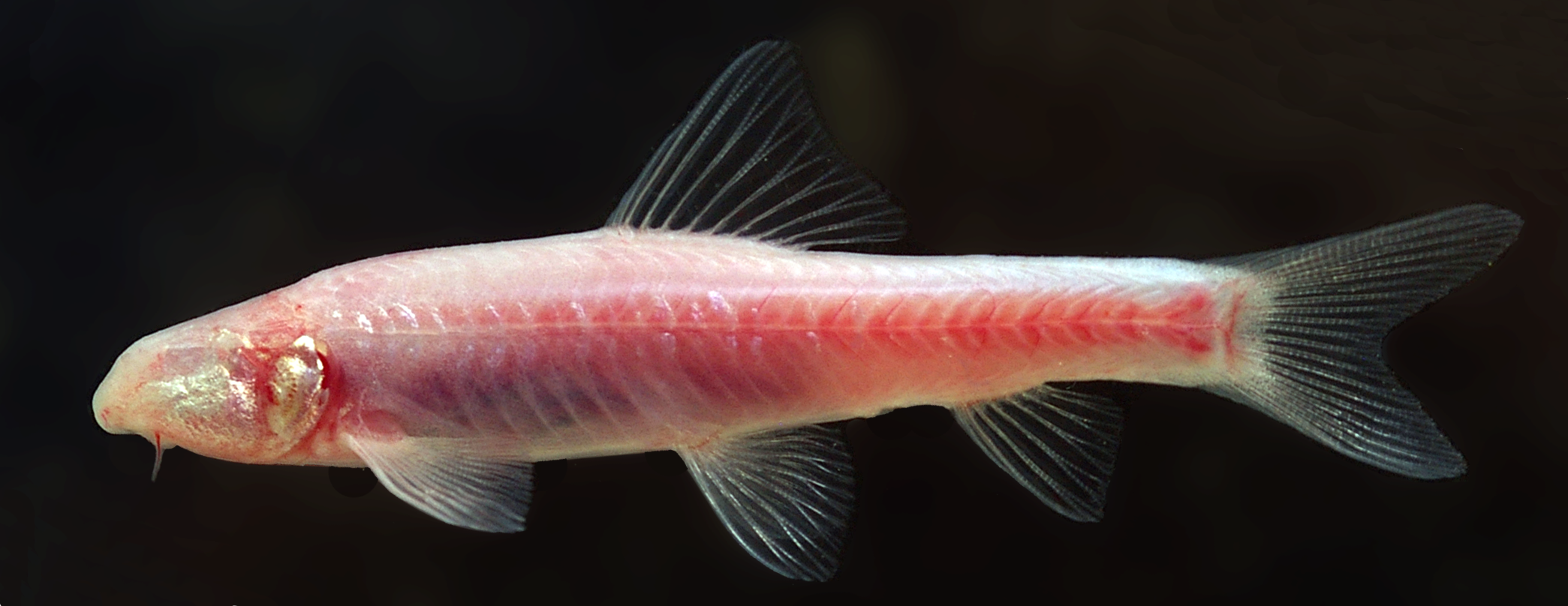
The Haditha cave garra (Typhlogarra widdowsoni), a Critically Endangered fish species endemic to the Haditha karst system in Iraq. Image: Jörg Freyhof
One example is the Haditha Karst (Cave) system KBA in Iraq, which is impacted by falling groundwater levels, supporting two endemic and Critically Endangered cave fishes; the Haditha cave fish (Caecocypris basimi), and the Haditha cave garra (Typhlogarra widdowsoni). Another is the Lakes Aci and Salda KBA, in Turkey, which support a number of threatened fish and molluscs including the endemic and Critically Endangered Aci Göl Toothcarp (Aphanius transgrediensI). The Lower Asi River KBA in Turkey supports high levels of threatened species (one of the highest in the region) and contains many critical wetland habitats such as Lake Gölbaşı, a small wetland close to the former (drained) Lake Amik and supports many important mollusc and fish populations.
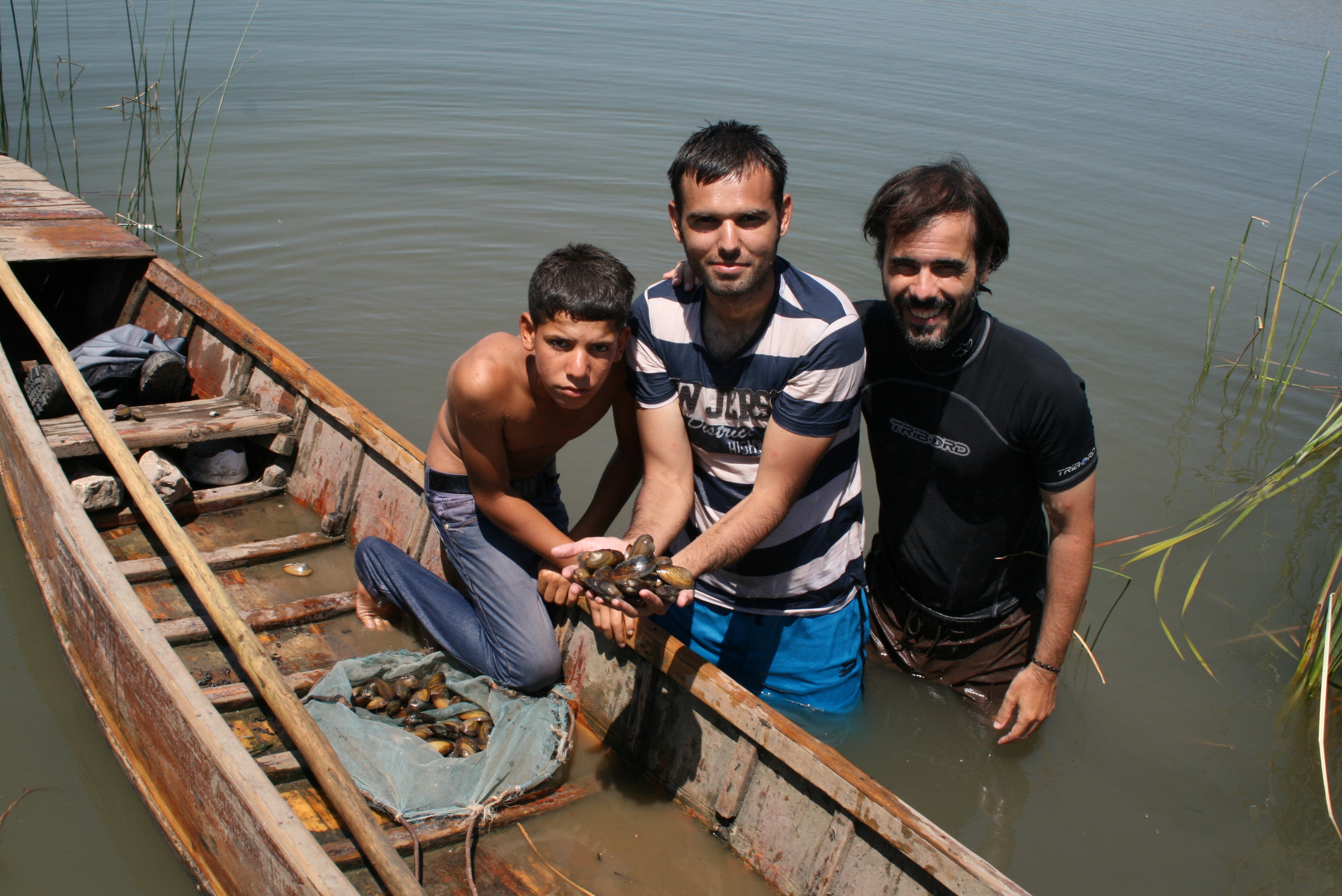
Field surveys are urgently required as much of the data on the region’s freshwater species are outdated. Manuel Lopes-Lima with local fishermen surveying bivalves in Gölbaşı Lake (in Hatay, Turkey). Image: Manuel Lopes-Lima
Finding solutions: Integrated River Basin Management
One of the key recommendations stemming from this research is the need to adopt an Integrated River Basin Management approach (or similar strategy) in the Eastern Mediterranean to ensure that freshwater biodiversity is conserved, and to enable that wetland ecosystems to continue to provide ecosystem goods and services. This is especially important for transboundary waters where member states should fully implement the principles of the UN Watercourse Convention (UNWC) and accept responsibility for protection of connected ecosystems beyond national boundaries. Finally, there is an urgent need to set up and maintain long-term monitoring of freshwater biodiversity across the region if we are to prevent further species extinctions and secure functioning freshwater ecosystems for the benefit of people in the Eastern Mediterranean region.
Links
World Wetlands Day can be followed on twitter by using the hashtag #worldwetlandsday
Kevin G Smith tweets @wildlifeinwater
—
The project was funded by the Critical Ecosystem Partnership Fund (CEPF), the MAVA Foundation and the Spanish Agency for International Development Cooperation (AECID), with contributions from the European Commission funded BioFresh Project, and the National Parks Autonomous Agency (OAPN) of the Spanish Ministry of Agriculture, Food and the Environment.
Why are global crayfish populations declining?
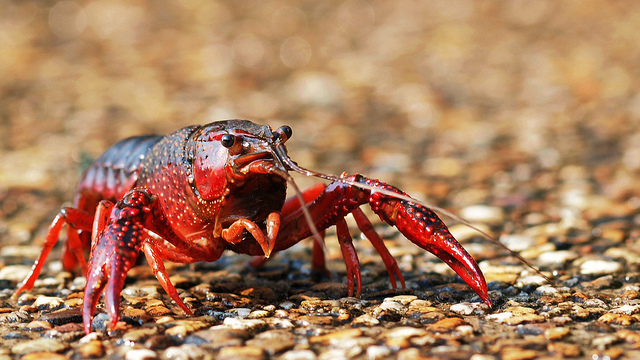
Image: Flickr | coniferconifer | Creative Commons
A third of global freshwater crayfish populations are threatened with extinction, according to a newly published report. A large team of researchers from the UK, Ireland, USA, Mexico, Australia and Austria, led by Nadia Richman at the Zoological Society of London, evaluated the extinction risk of the world’s 590 freshwater crayfish species based on the IUCN Red List categories.
32% of global crayfish species were classified by the team as ‘at risk of extinction’, a figure far higher than for most marine and land-dwelling animals and plants. This high extinction risk is unlikely to be helped by the fact that only a small proportion of global crayfish populations are covered by existing protected areas for conservation.
Bringing together scattered information on crayfish populations

Distribution of global crayfish populations. Image: Richman et al (2015) Multiple drivers of decline in the global status of freshwater crayfish (Decapoda: Astacidea). Phil. Trans. R. Soc. B
The team undertook the huge task of collecting species-specific data on taxonomy, distribution, population trends, ecology, biology, threats and conservation measures for all 590 global species, using published and unpublished articles, government reports and personal communications up to 2009.
Interestingly, whilst crayfish were found in 60 countries across the world, 98% of species are endemic (i.e. found only in one place) to a single country. Four described species are now extinct, and 21% of species are ‘data deficient‘, because their populations haven’t been studied by scientists enough to assess their conservation status.
Stressors and threats to crayfish populations
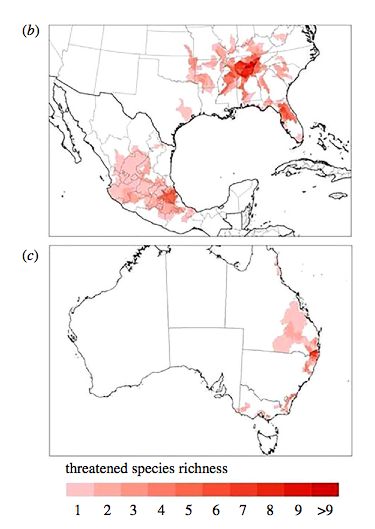
Distribution of threatened crayfish populations in USA, Mexico and Australia. Image: Richman et al (2015) Multiple drivers of decline in the global status of freshwater crayfish (Decapoda: Astacidea). Phil. Trans. R. Soc. B
The team used the ‘standard lexicon’ of biodiversity threats proposed by Nick Salafsky and colleagues in 2008 in Conservation Biology to categorise the threats to global crayfish populations.
Whilst the paper doesn’t go into a great deal of detail about the specific threats, it suggests that in the USA and Mexico, crayfish were largely threatened by the development of urban areas (e.g. modification of watercourses, reductions in natural habitat, increased water temperatures), dam construction (e.g. changing water flows and habitat fragmentation) and water pollution.
On the other hand, in Australia, species were predominantly threatened by the negative impacts of agriculture and logging (e.g. habitat alterations), climate change (e.g. changes to rainfall and temperature) and invasive species.
The impact of invasive species
The impact of invasive species was a major factor in many declining crayfish populations. In Europe, population declines of between 50% and 80% have been observed in the white-clawed crayfish (Austropotamobius pallipes) and 50% and 70% in the noble crayfish (Astacus Astacus). These declines were most acute at the northern end of the species’ geographical distributions, where rising temperatures have allowed the larger American signal crayfish (Pacifastacus leniusculus) to move in and outcompete the native species for habitat and food, with a number of negative effects on the wider ecosystem.
The signal crayfish has also brings the infectious and deadly water mould known as ‘crayfish plague’ (Aphanomyces astaci), to which it is immune, but European species are not. In Australia, young crayfish are eaten by invasive predators such as cane toads and feral pigs, species which also damage the crayfishes’ riparian habitat.
Conserving crayfish?
The authors of this study argue that their findings are another indication that not only are freshwater ecosystems under numerous threats, they are also inadequately protected by current conservation schemes. Richman and colleagues suggest that since there are limited resources available for conservation schemes, it is necessary to prioritise areas for protection – a key motivation for the collation of information on crayfish populations in this study.
A key challenge for conservation is that climate change may mean that crayfish populations need to shift their geographical ‘ranges’ to avoid warming temperatures, requiring a network of potential habitats (rivers, streams and lakes) with connectivity – i.e. those that crayfish can move between – in order to maintain their ecological resilience. The study suggests that two-thirds of Australian crayfish populations are at risk from climate-related threats, with poor connectivity between new, potential habitats.

Barred Owl (Strix varia) with crayfish at Corkscrew Swamp Sanctuary, Naples, Florida. Image: Matthew Paulson | Flickr | Creative Commons
At present, only a small proportion of crayfish populations are covered by existing protected areas. But how can this situation be improved? The authors suggest that freshwater biodiversity is all too often underrepresented in conservation planning schemes because we struggle to put an economic value on it, and conservation funds are more often channelled towards ‘charismatic‘ species with a recognised value.
This ‘if we can better value nature, then we can better protect it‘ argument has become more prevalent in conservation rhetoric in the last decade or so. But what new economic values of crayfish populations would persuade policy makers to put better protected areas in place for their conservation? Crayfish are important food sources for larger fish and bird predators, and a central part to cuisine and culture in southern USA states like Missouri and Mississippi.
But their status as rarely seen parts of large and complex freshwater food webs is likely to make any specific economic valuations of their populations tricky. It’s perhaps helpful to remember that these are beautiful, curious and ecologically important creatures with an intrinsic value in themselves. But how to recognise these values in conservation planning?
In essence, perhaps this is another example of a key issue facing freshwater conservationists: how do we persuade policy makers that our complex, biodiverse and increasingly threatened rivers and lakes are worth conserving and protecting?
Link to paper in Philosophical Transactions of the Royal Society B
REFORM International Conference on River and Stream Restoration

River Tagliamento in Italy. Image: REFORM
REFORM, a European Union FP7 project which has worked to develop strategies for restoring damaged river ecosystems is holding its final project conference in the Netherlands in the summer.
The conference, titled “Novel Approaches to Assess and Rehabilitate Modified Rivers”, will be held at Wageningen in central Netherlands between 30th June and 2nd July at the Hof van Wageningen.
The conference organisers from the REFORM project describe that “The purpose of the conference is to enlarge awareness of the need and appreciation for the benefits of river rehabilitation. It will serve as a platform to present and discuss aspirations, challenges, analytical frameworks and novel approaches to improve our understanding of the causes and consequences of hydromorphological degradation and to enhance river rehabilitation.”
Bringing together over 200 participants from a range of backgrounds, the conference will host sessions on: understanding the impacts of hydromorphological modification and other stressors; achievements by river restoration projects; the effectiveness and costs of river restoration; the wider benefits of river restoration to society, flood protection, agriculture and hydropower; and how to link restoration science to policy, through a set of tools to assess river status and guide rehabilitation.
Registration opens on the 23rd January, whilst the deadlines for submission are 31st January (abstracts) and 20th March (full papers).
Multiple perspectives on multiple stress
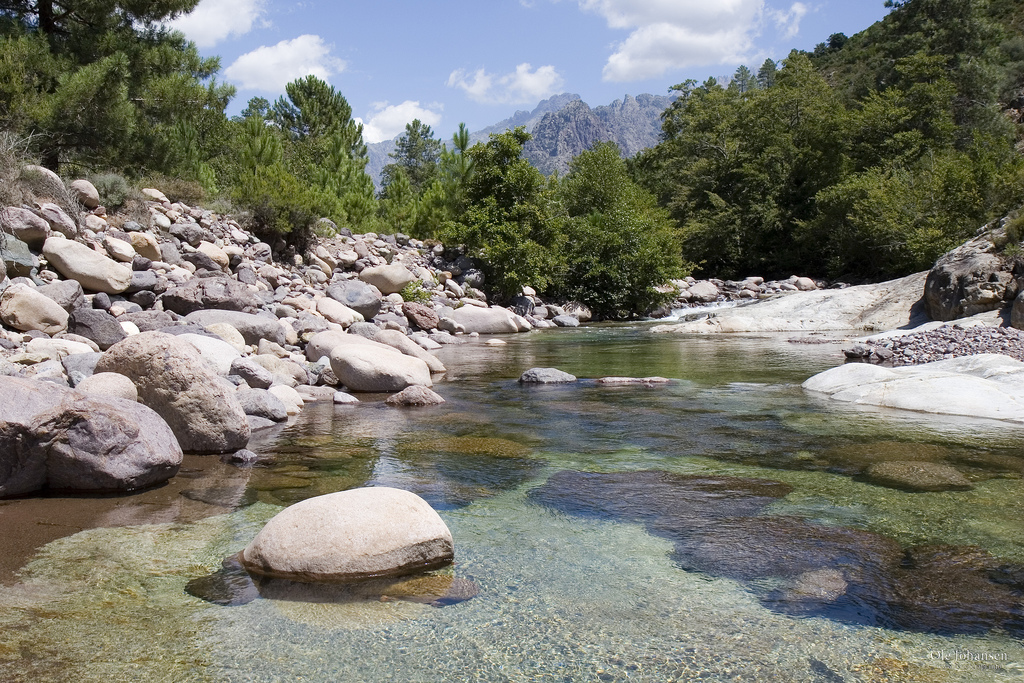
A Mediterranean river: the Fango Valley in Corsica. Image: Ole Reidar Johansen (Flickr | Creative Commons)
The January 2015 edition of the Science of the Total Environment journal features of selection of articles on the theme of “Towards a better understanding of the links between stressors, hazard assessment and ecosystem services under water scarcity.” The issue features three articles by the supporters of this blog, the MARS, SOLUTIONS and GLOBAQUA projects, discussing three different perspectives on studying and managing multiple stressors – i.e. factors such as pollution and drought which may have negative effects on the ecosystem – in freshwaters.
The issue’s editors, Julián Blasco, Alícia Navarro-Ortega and Damià Barceló describe water scarcity and water quality as key issues for environmental management, particularly as growing human populations and climate change are likely to put increased pressure on freshwater resources in the future. Blasco and colleagues outline how water scarcity is not only a stressor in its own right, but that it can ‘drive’ other stressors, stating that, “intermittent water flow has implications for hydrologic connectivity, negative side effects on biodiversity, water quality, and river ecosystem functioning. Water scarcity can amplify the effects of water pollution by reducing the natural diluting capacity of rivers.”
Climate change is likely to further drive the effect of stressors on freshwater ecosystems, as “warmer temperatures and reduced river flows will likely increase the physiological burden of pollution on the aquatic biota, and biological feedback between stressors (e.g. climate change and nutrient pollution) may produce unexpected outcomes.” The impacts of human development on freshwater ecosystems – the “degradation of drainage basins, destruction of natural habitats, over-exploitation of fish populations and other natural resources, or the establishment of invasive species” – are also likely to be worsened in times of drought and water scarcity. The authors state that these relationships between stressors may be synergistic, in that their combined effect may be greater that the sum of their individual effects.
As a result, the issue’s editors write that water scarcity is an important focus for study because it has both direct (i.e. the lack of water availability and flow) and indirect (i.e. the interaction with other stressors) stressor effects on freshwater ecosystem health and ecosystem service provision (e.g. fishing and clean water) Understanding the effects of water scarcity on freshwater ecosystems is particularly important in semi-arid regions, such as the Mediterranean basin where river flows may be highly variable, and at times non-existent (see our post on temporary rivers here).
In this issue, the editors bring together a set of papers on the topic, presented at the 4th SCARCE International Conference held in Cádiz, Spain, on 25–26 November 2013.
The MARS article, written by Daniel Hering and 19 other project scientists, outlines the background and aims of the project (see our blogs here and here), describing how multiple freshwater stressors are caused by a range of human activities such as urban and agricultural development, hydropower development, and (increasingly) climate change. Undertaking experiments and computer modelling on multiple stressors at three geographic scales – the water body (i.e. individual rivers and lakes); the river basin; and the European continent – Hering and colleagues state that “understanding how stressors interfere and impact upon ecological status and ecosystem services is essential for developing effective River Basin Management Plans (in the Water Framework Directive) and shaping future environmental policy.” Accordingly, this is a key focus for the project.
The GLOBAQUA article (open access) written by Alícia Navarro-Ortega and 29 project partners, focuses specifically on managing multiple freshwater stressors in water scarce ecosystems. The team’s focus is on “identifying the prevalence, interaction and linkages between stressors, and to assess their effects on the chemical and ecological status of freshwater ecosystems in order to improve water management practice and policies.” A multidisciplianary team drawn from specialists in hydrology, chemistry, biology, geomorphology, modelling, socio-economics, governance science, knowledge brokerage, and policy advocacy work across six European river basins affected by water scarcity: Ebro, Adige, Sava, Evrotas, Anglian and Souss Massa. Using data mining, field and laboratory research and computer modelling, the project asks:
- How does water scarcity interact with other existing stressors in the study river basins?
- How will these interactions change according to the different scenarios of future global change?
- Which will be the foreseeable consequences for river ecosystems? How will these in turn affect the services the ecosystems provide?
- How should management and policies be adapted to minimise the ecological, economic and societal consequences?
Finally, the SOLUTIONS article, written by Werner Brack and 28 project partners, outlines the project’s work on the complex ‘cocktail’ of new and emerging pollutants entering Europe’s freshwaters, to “develop the tools for the identification, prioritisation and assessment of those water contaminants that may pose a risk to ecosystems and human health.” Working on the Rhine and Danube basins, as well as smaller basins in the Mediterranean region, the project uses new chemical and effect-based (i.e. linking the chemical composition of water to its ecological effects – see a blog on the topic here) monitoring tools, to allow for “early detection, identification, prioritisation, and abatement of chemicals in the water cycle” to support the work of environmental managers and policy makers. In particular, the article outlines how SOLUTIONS is designed to support European-scale environmental policy making, “providing transparent and evidence-based candidates or River Basin Specific Pollutants in the case study basins and assisting future review of priority pollutants under the Water Framework Directive as well as potential abatement options.”
Happy new year from the Freshwater Blog: our Top 14 of 2014
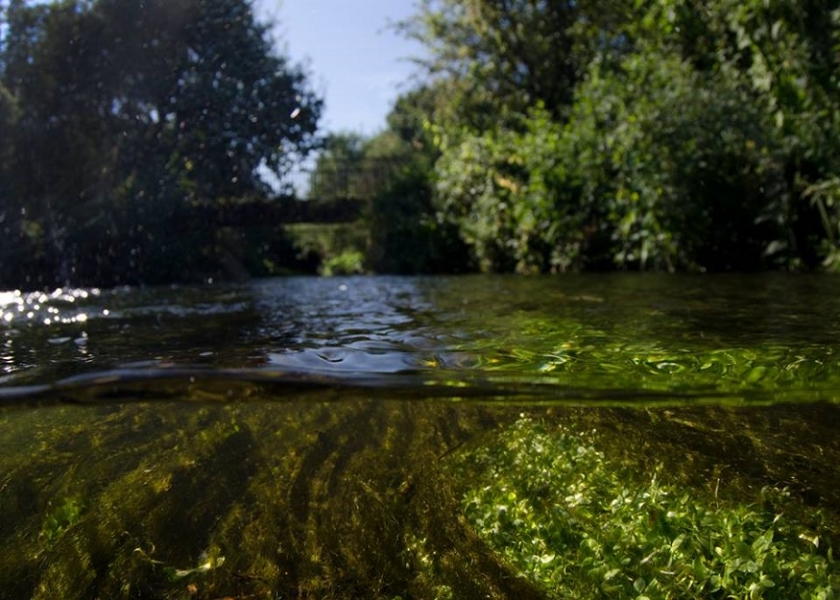
Beneath the waterline. Image: Jack Perks
A happy new year to all our readers. In 2014 we made a few changes to this blog, renaming it as The Freshwater Blog, and moving its editorship from the BioFresh project to MARS.
As ever, though, in 2015 we intend to bring you the same mix of features and interviews about why our global freshwaters are special, and what projects like MARS and SOLUTIONS are doing to help conserve and safeguard their future. If you’ve any suggestions, comments or ideas, please feel free to email us: info [at] freshwaterblog.eu
For now, here’s fourteen of our most popular posts from 2014, we hope you enjoy them.
1. Introducing the MARS project
2. What we talk about when we talk about uncertainty

“The heavy floods in early 2014 in the UK have caused two fascinating social effects. First, as freshwater breaks its usual bounds and becomes a risk to life and livelihood, a wider group of people become interested in how our water should be managed, and why. Second, we begin to encounter complex ideas of uncertainty in understanding the drivers and causes of such flooding events and their interaction: heavy, sustained rainfall; urbanisation on the flood plain; silted, hydrologically inefficient (but perhaps, biodiverse) river channels. What are the main drivers of these floods? How do they interact? And what measures should we prioritise for future management?” (link)
3. Meet the MARS Team: Sebastian Birk
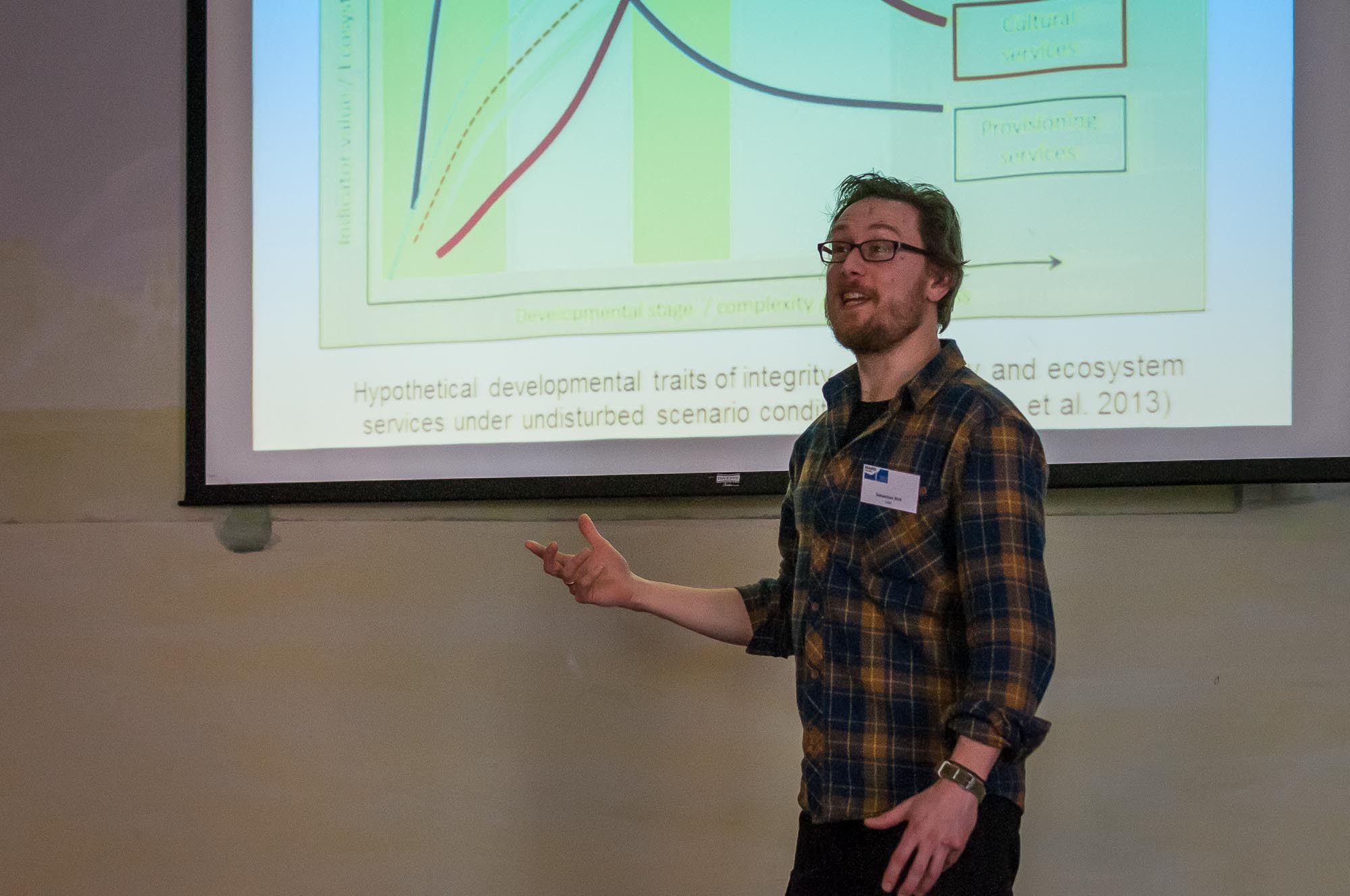
Seb presenting to the MARS kickoff meeting in Mallorca (photo: Christian Feld)
“Recently I read a newspaper article about the growing public awareness regarding environmental issues. Despite this, however, there is no effective halting of biodiversity loss in our freshwaters, and salmon shoals do not yet return to German rivers. This seems contradictory, but it is symptomatic of our modern-day society: walking the thin line between green consciousness and green-washing. I believe that MARS can provide a fundamental contribution to enhance sustainable management of our freshwaters for the benefits of humans and nature.” (link)
4. Bioindicators for Israel’s freshwaters: multiple demands and multiple stressors

Yellow water lily (Nuphar lutea) in the Snir River, Upper Galilee (Image: Wikipedia)
“At present, much of Israel’s freshwater diversity remains un-catalogued – a shortfall that is particularly acute amongst smaller organisms such as insects, crayfish, snails and worms. Without knowing exactly what biodiversity is present, it is impossible to know what is being lost.” (link)
5. Beavers, ecological stress and river restoration

Reflecting on restoration (Image: Per Harald Olsen)
“In February 2014 a family of wild beavers were photographed on the River Otter in Devon, South West England by a retired ecologist. The animals are believed to be the first evidence of populations living and breeding outside captivity in England for over 400 years. Their (re)discovery prompts a number of questions for the form and function of British freshwaters. What impact will the beavers return have on freshwater ecosystems and human livelihoods? What reference conditions do we use to monitor and assess restoration and reintroductions? How can the new ecological stresses and processes caused by beavers be managed in such environmental restoration, if at all? These questions are central to the MARS project’s wider research on stress and environmental restoration.” (link)
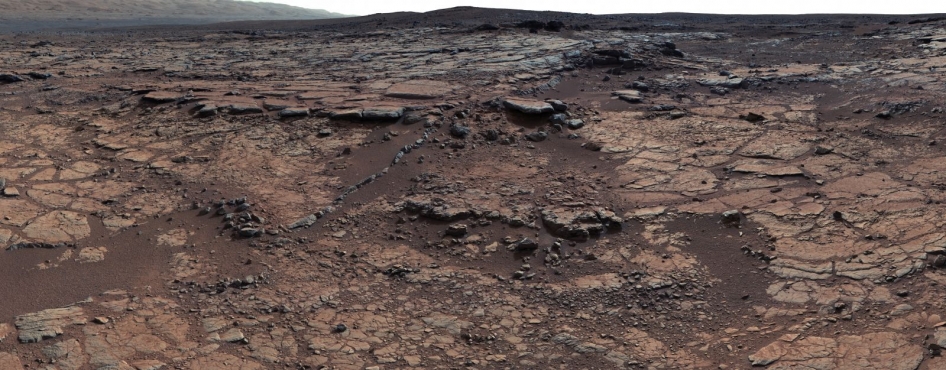
Yellowknife Bay in the Gale Crater on Mars, where evidence of an ancient freshwater lake has been found. Image: NASA/JPL-Caltech/ASU
“Recent findings from NASA’s Curiosity Rover mission to Mars have suggested that a large freshwater lake, potentially capable of supporting life, existed on the planet around 3.5 billion years ago – around the time that life began to emerge on Earth. So, as the MARS project works on Earth’s freshwaters, the Curiosity Rover is uncovering evidence of freshwater on Mars.” (link)
7. Can an ecosystem service approach strengthen river restoration?

River Ribble, Lancashire. Image: RSJ
“Worldwide efforts to conserve river ecosystems are failing, and new approaches for stronger conservation planning are required. This is the underlying context of a new editorial ‘Rebalancing the philosophy of river conservation’ by MARS scientist Steve Ormerod in Aquatic Conservation Marine and Freshwater Ecosystems. Ormerod suggests that the ecosystem service approach can offer a valuable addition to current river conservation strategies, potentially providing convincing new arguments to help halt freshwater biodiversity loss.” (link)
8. Why run a science blog? An interview with Paul Jepson
Screenshot from ‘Water Lives…’ animation (2012)
“One of the main values of the blog is as a node on a network of different people loosely connected with freshwater research, conservation and policy. This network also includes wider interest groups: fishermen, aquarium keepers, wild swimmers and the general public. The blog becomes a place where all sorts of information can be pulled together and put across in a clear, engaging way. I think ideally, it brings different people together to find out and celebrate the value of freshwaters.”
9. When is a river not a river? Challenges for managing temporary waterways

Dry river bed near Mt. Seoraksan in Korea. Image: Wikimedia
“Not all rivers and streams plot a constant course towards the sea. Some naturally dry up when there is little rain, leaving behind a dry stream bed which floods the next time there is a heavy storm. In fact, most river systems have areas where at least some of the river bed will dry up, usually for days, sometimes for months or years. A new journal article in Science by Vicenç Acuña and colleagues including BioFresh leader Klement Tockner argues whilst temporary rivers and streams are extremely important, both ecologically and culturally, they are not adequately managed and protected by current environmental policy.” (link)

Cheonggyecheon stream in Seoul, South Korea, daylighted from sewers in 2003. Image: Kaizer Rangwala, Flickr.
“Deculverting or ‘daylighting’ is the process of uncovering buried urban rivers and streams, and restoring them to more natural conditions. Daylighting can create new habitat for plants and animals, potentially reduce flood risks, and create new ‘green corridors’ through urban areas, a good example being the highly successful restoration of the Cheonggyecheon stream in Seoul, South Korea. Adam Broadhead’s Daylighting website maps deculverting projects around the world as a means of sharing information on their outcomes and effectiveness. We spoke to Adam to find out more about this fascinating and innovative project.” (link)
11. Do anglers makes good conservationists? An interview with Mark Lloyd of the Angling Trust

Salmon jumping Stainforth Force on the River Ribble, Yorkshire. Image: Jonathan Bliss, Flickr
“Anglers are the eyes and ears of the waterside. They spot pollution and other problems before anyone else, and their knowledge of the water environment means that they can tell when something is wrong.” Mark Lloyd, chief executive of the Angling Trust is putting the case to me in favour of anglers as good conservationists of Britain’s freshwaters. Do anglers make good conservationists, and does angling benefit conservation?” (link)
12. An eye in the sky: using drone technology to monitor freshwaters

Aeryon Scout drone, increasingly used for mapping global environments. Image: Wikipedia
“Developments in unmanned aerial vehicle (UAV) technology are providing new, potentially cost-effective opportunities for ecologists and conservationists to monitor and protect ecosystems, particularly in remote areas. As yet, there has been little research on the potential of drone technology for monitoring freshwater ecosystems. However, a new journal article “The potential of remote sensing in ecological status assessment of coloured lakes using aquatic plants“ by MARS scientist Sebastian Birk and Frauke Ecke addresses this shortfall. Their paper explores the potential of drones for monitoring the health of remote Swedish lakes.” (link)
13. Beneath the waterline: an interview with underwater filmmaker Jack Perks

Arctic char. Image: Jack Perks
“Underwater filmmaking has a rich – but largely oceanic – history, from Austrian biologist Hans Hass’s pioneering work in the 1940s and Folco Quilici’s 1954 first full-length full-colour film Sesto Continente through to stunning modern footage such as in the BBC’s Blue Planet series and in Werner Herzog’s Encounters at the End of the World. Jack Perks, an English natural history photographer and filmmaker, is attempting to bring freshwater environments into focus through his Beneath the Waterline project, which aims to document all of the UK’s freshwater fish on film. Keen to find out more, we spoke to Jack about his work and the challenges of filming freshwater life.” (link)
14. Introducing the MARS river and lake experiments
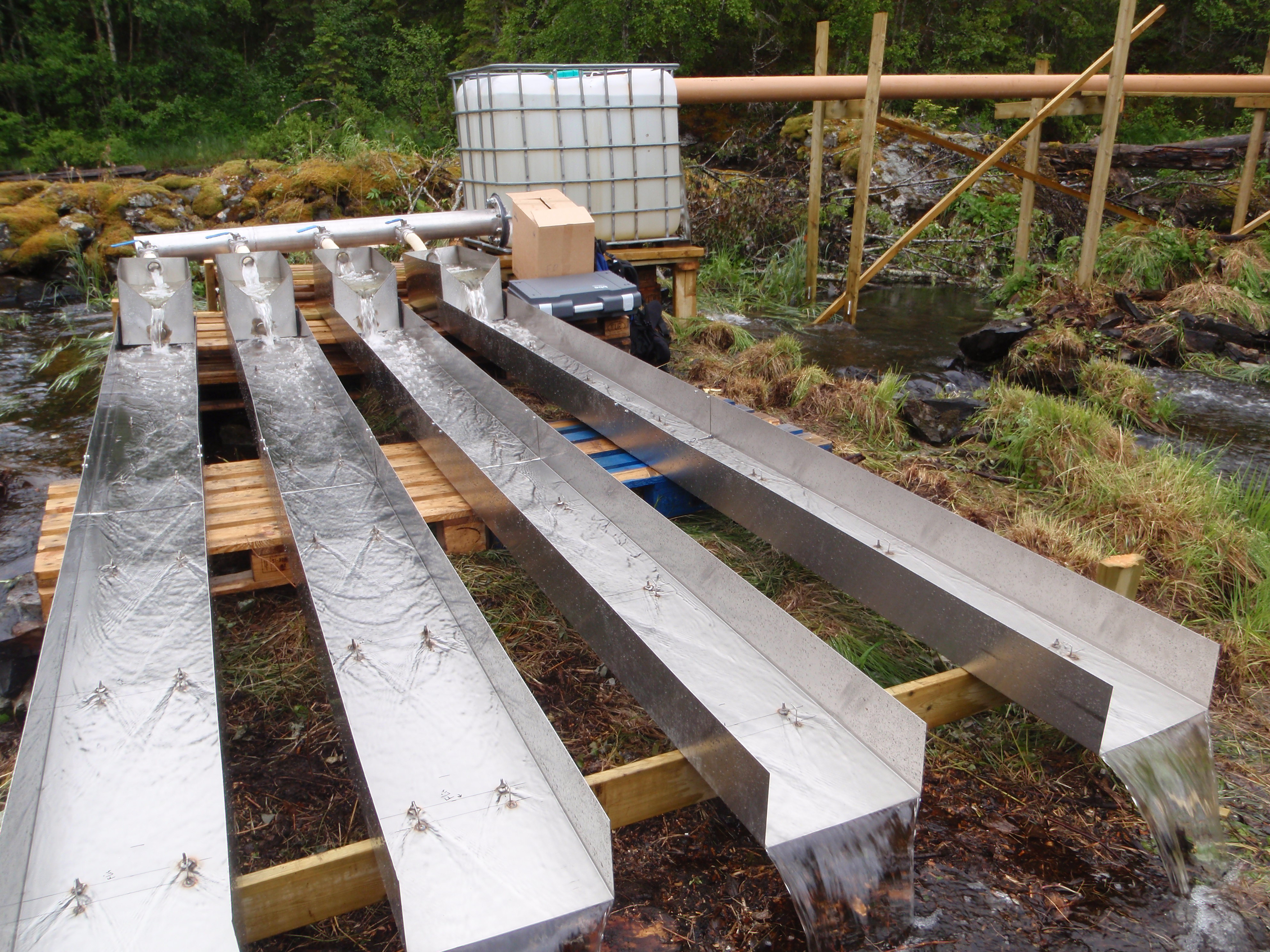
NIVA experimental flumes for studying extreme flows in Nordic Rivers. Image: Susi Schneider
“Freshwater ecosystems around the world are subject to multiple stresses on their health and diversity – for example, pollution, water abstraction and river fragmentation through dam building. Researchers from the MARS project are interested in understanding the causes and impacts of these multiple stresses, and – crucially – how they make interact and multiply any potential negative impacts on the environment. Similarly, there is a need for research to simulate how multiple stresses might affect freshwaters under future climate change – how will changes to rainfall, temperature and storm frequency (amongst other factors) affect multiple stresses on freshwater ecosystems? In order to explore some of these questions, MARS researchers have set up seven experimental sites across Europe.” (link)
Corridors and buffers: Claudia Gray on riparian zones in Malaysia and across the world

- River riparian zone in oil palm plantation, Sabah, Malaysia. Image: Claudia Gray
Claudia Gray is a Post-doctoral Research Fellow in Ecology and Conservation at the University of Sussex. Working in collaboration with PREDICTS, her work uses the project’s global biodiversity database to investigate how landscape management can help biodiversity conservation.
In the past, Claudia’s research has explored approaches to sustainable management of oil palm plantations in Sabah, Malaysia. One of the things she’s found is that riparian buffer zones – the strips of ‘natural’ vegetation left intact along river banks – are not only important for conserving freshwater ecosystems, but that they can help provide habitat for land-based animals, too.
Claudia made this excellent stop-motion animation to explain her research on biodiversity in oil palm plantations.
Claudia is now looking to collate information on riparian zone management and legislation across the world. We spoke to her to find out more.
Freshwater Blog: Why are riparian buffer zones important?
Riparian buffer zones are legally protected in many different countries because of their beneficial impacts on freshwater ecosystems. In particular, the root system and ground cover they create prevents the run-off of sediment and reduces the loss of soil. This also helps stop agricultural chemicals, such as pesticides or fertilisers, washing into the water. The plants can also take up and use some of the excess fertiliser that may have been applied to the surrounding landscape, further reducing the quantity that ends up the river or lake. Keeping the levels of sediment and pollution in the water low benefits a whole host of freshwater species, including fish and macroinvertebrates like dragonflies or snails. There are also massive benefits for people living downstream, as they have cleaner water.
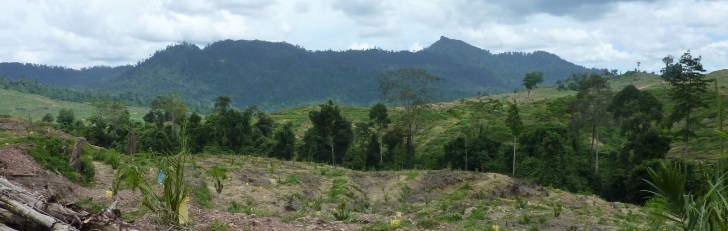
Riparian zone through a Malaysian oil palm landscape. Image: Claudia Gray
Riparian buffers also prevent some of the destructive influence that rivers can have. Keeping vegetation alongside water bodies increases the stability of the river bank, reducing erosion and changes in the shape of the river channel. The riparian vegetation also helps to slow down the speed at which water flows into rivers; regulating the water level prevents extreme floods and droughts downstream. Again, these impacts benefit both the species living in and alongside the water channel, and the people that are using the water.
As well as preventing negative impacts, riparian buffer zones can provide valuable resources. The leaves and other organic material that falls from the vegetation into a water body provides food for the herbivorous species at the bottom of the food chain. Long-standing vegetation can also sequester and store carbon, helping to reduce CO2 levels in the atmosphere. The riparian habitat can also provide a home for vulnerable species that would not otherwise survive in productive landscapes. If an area of forest is cleared for agriculture, the riparian buffer will be one of the few remaining fragments where forest-dependent animals can live. If the riparian buffers also link up larger remaining fragments of forest or other habitat, they can act as corridors for movement and connect up populations that would otherwise be isolated.
At the moment these benefits for terrestrial species are much less well understood and the management of riparian areas does not normally take them into account. In my PhD I wanted to document what riparian buffers are doing for the species that don’t live in the rivers, and how current policy might be changed to improve the conservation value of the riparian buffers for these species.
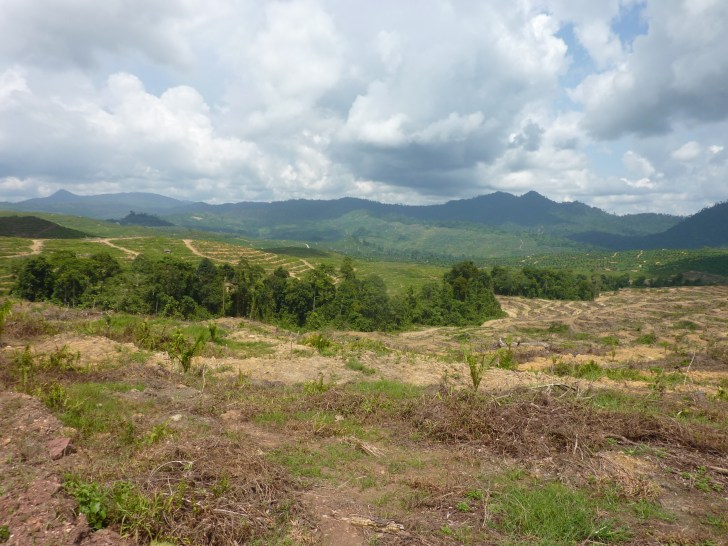
Riparian reserve in Belian. Image: Claudia Gray
What’s the current situation with riparian zone management in Malaysia?
In Malaysia, riparian buffer zones are protected by law, and the width of the buffer has to be between 5 and 50m (on each side of the river), depending on the size of the river. However, the legislation varies between states – for example, in the state of Sabah (Northern Borneo) where I was working, only 20m of vegetation must be retained on each side of the river.
Luckily, many land managers and conservation organisations have recognised that this small amount of forest doesn’t really achieve that much. Along some of the larger rivers more forest is protected than is required. For example, along the Kinabatagan river (a major river in Sabah) several groups are working to protect and restore at least 100m of forest on each river bank along the whole river (e.g. WWF Corridor of Life). The restoration is hard work as the seedlings can be easily strangled by vines or trampled by elephants, but some really great progress is being made. The World Land Trust recently raised a million pounds to help protect existing forest along the Kinabatangan, in collaboration with local NGOs, and they continue to support this project.
Unfortunately, riparian vegetation has not been successfully protected along all rivers in Malaysia. In some cases this is because deforestation happened before the legislation came into place, in other cases the land managers have failed to meet the requirements. As the oil palm industry has expanded across Southeast Asia, oil palms have been planted along the river bank in lots of plantations. However, there is hope that this can change.
Any plantation that wants to be certified as a sustainable producer by the Roundtable for Sustainable Palm Oil (RSPO), must have riparian buffers, or be in the process of restoring them. Where restoration is needed, the application of chemicals is halted, the existing palms are left in place after they would normally be replaced, and native trees are planted in the shade beneath them. At the moment, the buffer width required by the Malaysian implementation of the RSPO criteria is the same as the national requirement (5 – 50m), but little ecological information is available to inform this guideline. At the moment, the majority of research on buffer zones is from North America. That research is not very helpful for rainforest and oil palm landscapes in the humid tropics where the ecosystems are completely different. Fopefully, we will be able to obtain much more information on tropical riparian buffers in the next few years, to better inform the management guidelines. Ongoing work at the SAFE project (where my PhD was based) will be contributing some valuable insights into the ecological impacts of riparian buffers.

Riparian zone in the oil palm landscape. Image: Claudia Gray
Tell us about your current research into riparian buffers across the world: how, where and why are you undertaking this?
So, my interest in riparian policy across the world really came out of trying to put my PhD research in context. My results indicate that small increases to the required riparian reserve width in Sabah could provide large gains for biodiversity, and so we were interested in what the buffer width requirements were in other, similar countries. Lots of people have asked “So if thats whats going on in Borneo, whats happening in other tropical countries?“. This is especially important to know for areas where oil palm cultivation is still expanding.
When I started looking into existing riparian zone legislation, it quickly became clear that guidelines and legal requirements for managing riparian zones vary substantially. Some countries require a particular buffer width depending on the river size, others consider whether the river is home to fish species, whether it a seasonal or permanent river, or the topography of the surrounding landscape. There are many different criteria being used in different parts of the world. In some cases a particular management approach is a legal requirement, in others it is only a guideline adhered to on a voluntary basis. Requirements can also differ between privately and publicly owned land.
The task of trying to get to know whats going on is made more difficult by language barriers, so I started asking friends working in different countries if they know what the legislation is there. I’m still very much at the beginning to trying to find out what is going on in a range of different countries, and I’m trying to focus on the tropical regions where oil palm is likely to be grown. In the end, I would like to be able to put together a summary of what riparian legislation is in place in a range of different locations, and then compare this to the ecological information that is available there.
Tell us about the information you’re looking to collate on riparian zones. What are you looking for, and how can people contact you? What will you use the data for?
At the moment, I’m hoping to gather as much information as I can on riparian legislation and management, in as many parts of the world as possible. I’m particularly keen to hear about what is going on in tropical countries. So the information I’m looking for is any description of what is required for riparian zones, and if what is actually happening there matches up to it.
For example, if someone comes from, or works in a particular country, and they happen to know that native vegetation is protected by rivers, even that much information would be great. If they know how much is protected, and what factors determine the level of protection, that would be amazing. Even if only the really rough details are known, that would be really interesting. Also, if someone knows that native vegetation should be protected, but isnt really maintained in practice, or is only maintained in certain areas (e.g national parks), I’d also like to hear about that. I’ve heard about some really great riparian restoration projects too, and would be very happy to get links to or descriptions of those. They can be really inspiring and lovely to hear about.
The point of the ongoing work is to try and combine information on the legal reality and stories of riverside habitats with what ecological information suggests we should be doing. With more information on what is happening on the ground, it will be possible to work out where the ecological research matches up to what is going on in real life, and where there are really big differences. This should help show where riparian habitats and the species that require them need a lot more support.
If anyone would like to get in touch to know more or send some information, that would be excellent. I’d also really like to get in touch with anyone doing similar work. The best way to contact me is via email: claudia.gray(at)gmail.com.
SOLUTIONS research on chemical pollution on the Danube in Serbia
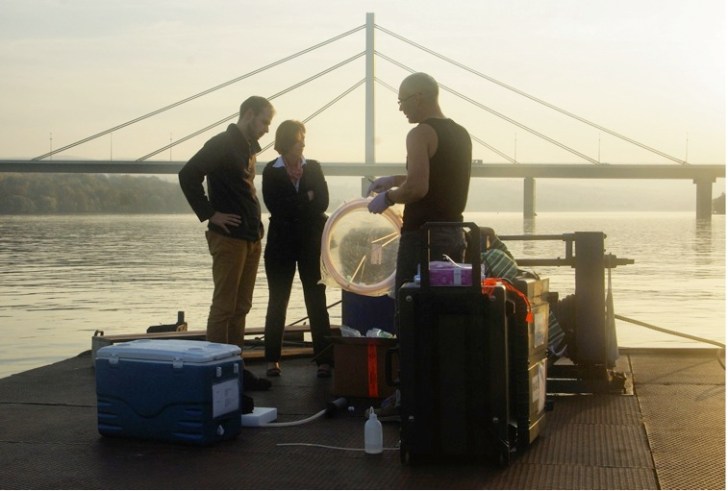
Installing the water sampling devices on the Danube. Image: SOLUTIONS
This week we feature two guest posts by scientists from MARS’ sister project SOLUTIONS. On Monday, we heard about the first SOLUTIONS General Assembly. Today, Werner Brack (UFZ Leipzig) and Ivana Teodorovic (University of Novi Sad) describe their research on chemical pollution on the River Danube in Serbia.
—
The River Danube is a truly international river which flows through ten countries across Central and Eastern Europe and has historically supported a wide range of freshwater species, yet is increasingly under pressure from pollution along its course. New research by the SOLUTIONS project on the Danube around Novi Sad in Serbia aims to find out how untreated wastewater pollution affects both the river ecosystem and drinking water supply from nearby underground aquifers.
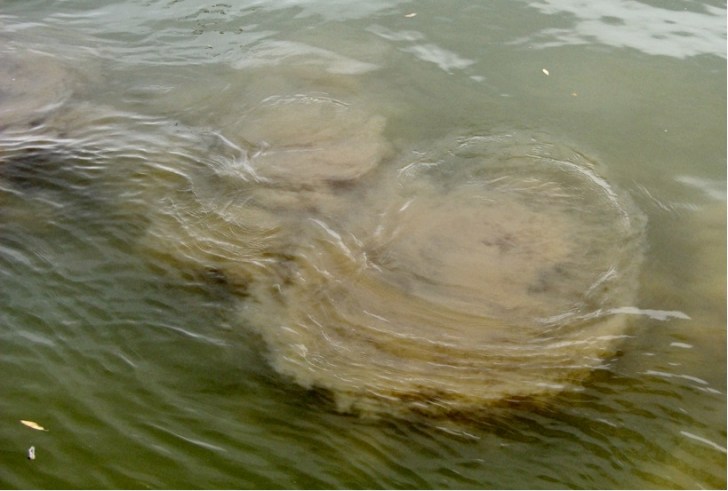
Untreated wastewater in Novi Sad Image: SOLUTIONS
Researchers from the Helmholtz Centre for Environmental Research UFZ and the Faculty of Sciences from the University of Novi Sad sampled three large volumes of river water from the Danube upstream and downstream of Novi Sad. The sampling team, led by Jörg Ahlheim from UFZ applied a new Large-Volume Solid-Phase-Extraction device to take samples of about 1000 litres of water 200m upstream and 7 km downstream of the biggest wastewater effluent outflows. Each of the sampling sites were fishing areas, where contamination is likely to affect the safe consumption of fish and thus human health. Local fishermen kindly supported the sampling campaign with their infrastructure and helped in words and deeds. Thanks a lot for that support.
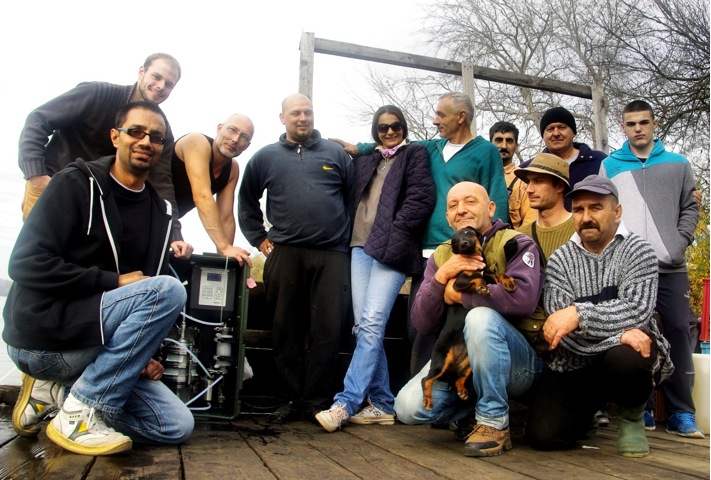
Local fishermen supporting the sampling team and Prof. Ivana Teodorovic (Faculty of Sciences, University of Novi Sad). Image: SOLUTIONS
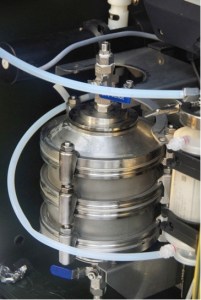
Large-volume Solid Phase Extraction ‘Sputnik’. Image: SOLUTIONS
The new water sampling device has been developed by the UFZ together with the small enterprise MAXX in Rangendingen, Germany and successfully tested and applied on the Joint Danube Survey 3 in September 2013. The device allows for on-site extraction of large volumes of river water for subsequent chemical and toxicological analysis. This technology avoids the transport and storage of large water volumes, which reduces logistic efforts and the risk of contamination. Only the smaller sample cartridges – the scientists call them ‘Sputniks’ – are transported to the lab for freeze-drying and subsequent extraction of chemical materials using solvents.
The extracts are awaited by a number of SOLUTIONS partners, who are tasked with developing a suite of effect-based tools – those which focus on the effects of mixed chemical ‘cocktails in freshwaters – which should help water agencies in Europe improve their monitoring of contamination and avoid unknown toxicants being overlooked. The samples from Novi Sad represent an interesting gradient of chemicals that will help to validate the tools.
To this end, the laboratories involved will investigate these samples for a large range of toxicological endpoints relevant for human and ecosystem health, such as toxicity to algae and fish embryos, mutagenicity (i.e. the process of mutation), adaptive stress responses and multiple hormone-like effects. At the same time the samples will be chemically screened for several hundred water contaminants to complete the picture on contamination.
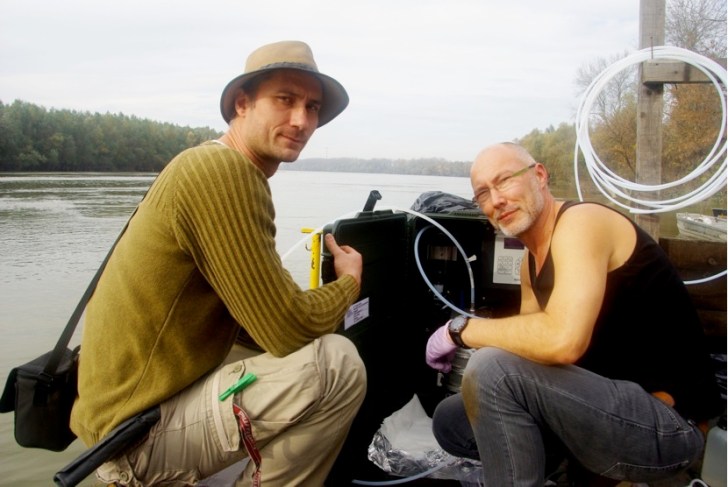
Sandor Sipos (Faculty of Sciences, University of Novi Sad) and Jörg Ahlheim (UFZ) sampling downstream of Novi Sad. Image: SOLUTIONS
Arslan Kamal, a PhD student at the UFZ, and Sven Seidensticker from the RWTH Aachen plan to go one decisive step further, supported by experts on effect-based tools from SOLUTIONS. Combining biological and chemical tools, Kamal and Seidensticker want to stepwise reduce (i.e. through a gradual progression) the chemical complexity of the samples and identify those chemicals causing effects in bioassays (lab-based experiments to study the effect of chemicals on cells or tissues).
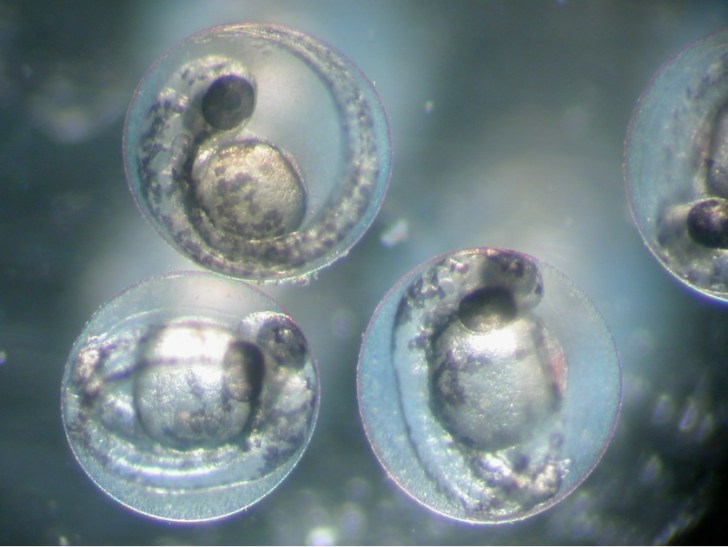
Bioassays: zebrafish embryos are an excellent tool to study the effects of aquatic toxicants. Image: SOLUTIONS
This approach is called effect-directed analysis and is designed to establish cause-effect relationships between chemical pollution and ecosystem response. Identification of particularly problematic compounds in aquatic environments is one of the key tasks for SOLUTIONS. All the information collected in this first campaign of sampling and analysis will provide the basis for in-depth ecological studies in 2015, when it is planned to also investigate fish and invertebrates in the river for adverse effects.
In order to inform the local population on SOLUTIONS and the goals of the project sampling campaign, Serbian TV filmed the sampling and interviewed Prof. Ivana Teodorovic from Faculty of Sciences and Dr. Werner Brack (UFZ), the coordinator of SOLUTIONS (video above). In a meeting with Serbian stakeholders both scientists explained the concepts of the project to representatives of national, provincial and city authorities for science and environment as well as water management companies.
For them the approach is of twofold interest. They appreciate the participation and active scientific role of a Serbian group in the leading European project on emerging pollutants. But they are also interested in the results on the water resources they want to protect particularly against the background of a planned wastewater treatment plant, which still needs funding to be realised. The SOLUTIONS investigations before the realisation of this plan will be a helpful basis to evaluate its success.
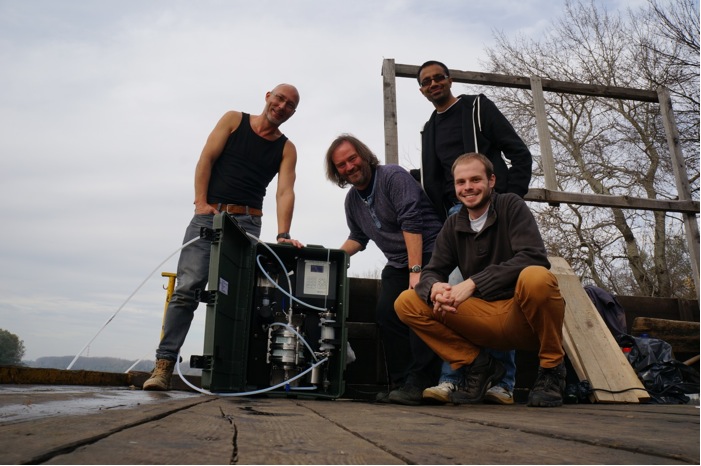
The sampling team from Germany (from left to right): Jörg Ahlheim (UFZ), Werner Brack (UFZ), Arslan Kamal (UFZ), Sven Seidensticker (RWTH). Image: SOLUTIONS
Reflections on the first SOLUTIONS General Assembly
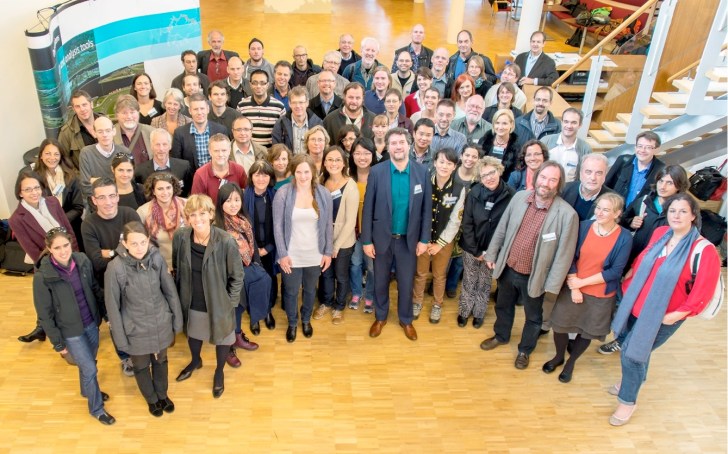
Group picture of the SOLUTIONS family at the General Assembly 2014. Image Deltares.
This week, we feature two guest posts from scientists at MARS’ sister project SOLUTIONS. In this piece, Thomas-Benjamin Seiler (RWTH Aachen), David Lopez-Herraez and Werner Brack (UFZ Leipzig) reflect on the first SOLUTIONS General Assembly, which took place in October 2014.
—
“Are the fish from European rivers safe to eat?” It’s a simple but crucial question that Sibylle Ermler, environmental researcher at Brunel University in the UK, seeks to answer as a member of the SOLUTIONS ‘family’. The first SOLUTIONS general assembly brought together questions like this from researchers across Europe, and created a space to collaborate and share ideas and potential solutions.
SOLUTIONS (project factsheet pdf) is the project name of the collaborative endeavour entitled “Solutions for present and future emerging pollutants in land and water resources management” for the 7th Framework Programme for Research and Technological Development of the European Commission under the coordination of Werner Brack, Helmholtz Centre for Environmental Research, UFZ, Germany. With funding budget of nearly 12 million Euro and the involvement of organisations from 17 European countries, SOLUTIONS is a major effort in European environmental research to ensure future ecological quality of our freshwater bodies as required by the EU Water Framework Directive (WFD).
Solutions General Assembly
From 13th to 16th October 2014, the SOLUTIONS consortium – consisting of a total of 39 partner institutions from academia, official authorities and business, and more than 100 scientists and professionals at all different levels of education – held their first annual general assembly. This gathering event was hosted by Jos van Gils and his group from the Dutch partner Deltares at their headquarters in the city of Delft, and had many unusual and productive features.
Attendees were challenged by a wealth of diverse communication and discussion formats including: conventional meetings focusing on sub-project and work-package tasks and oral presentations on SOLUTIONS’ progress; thematic workshops on risk assessment and on innovative regulation of chemicals promoting the dialog among participants using a fishbowl approach; and self-organised conversations on the project’s overarching issues using an open space methodology to address the most urgent questions. The SOLUTIONS general assembly even had its own Science Slam contest.
One highlight for sure was the mini-conference reporting on SOLUTIONS progress, featuring 30 5-minute presentations on all kind of different work conducted within the first year. Outcomes clearly showed that the project’s start has been very proficient. Positive feedback from our stakeholders promises that SOLUTIONS is likely to have major impacts on the way freshwater management will be done in the future in Europe and maybe even worldwide.
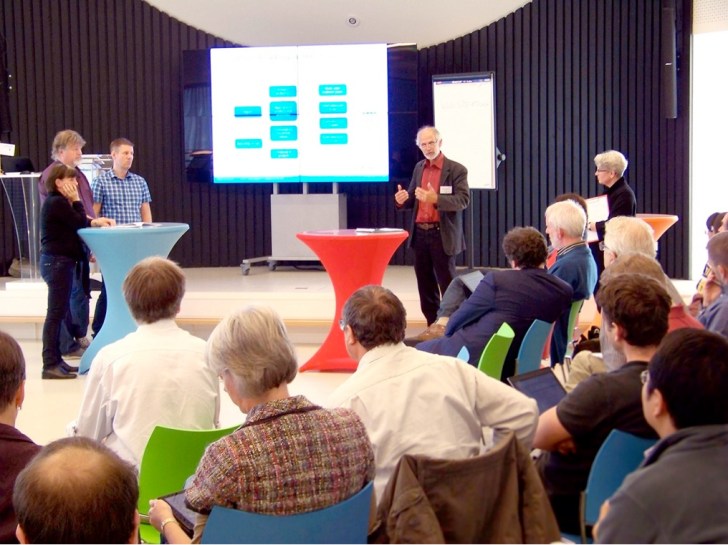
Thematic workshop “Innovative regulatory framework” where conversation and discussion between participants followed a “fishbowl” approach. Image: SOLUTIONS
Solutions-orientated and effects-based approaches
The general assembly addressed all major elements of a solutions-oriented approach – i.e. one that investigates the ‘cocktail’ of dissolved chemicals present in water – in prioritising and assessing emerging pollutants in the water cycle through monitoring, modelling and abatement. Monitoring-based approaches in SOLUTIONS have a strong focus on effect-based tools and multi- and non-target chemical analysis. Both are applied for screening and in-depth site-specific evaluation of freshwater contaminants.
Chemical monitoring for freshwaters is often focused on regulated substances which are known to pose a threat to aquatic ecosystems. However, because there are so many new and novel chemicals entering freshwaters, the effect-based approach seeks to understand the ecological effects of the mixed chemical ‘cocktail’ present in water, and then to potentially link these effects to suitable management solutions (for more, see this European Commission report pdf).
Sonja Kaišarević of University of Novi Sad in Serbia wants to use such tools “to identify the culprits that are impacting environmental health.” She feels proud to be part of SOLUTIONS. The same holds true for Fangxing Yang, who is a postdoc at the UFZ in Leipzig, Germany. His task is to work on the “effect-directed analysis (EDA) in fish.” This approach aims to use biomarkers (i.e. indicators of biological state) and other effect-based tools together with in-depth chemical analysis for an effect-directed analysis of emerging freshwater pollutants in fish. Fangxing hopes to develop this effect-directed analysis approach as a tool to better protect the environment and human health. “I am feeling very comfortable within SOLUTIONS“, he says.
Joining up the pathways of chemical pollution
Small breakout groups worked on issues raised during plenary discussions or suggested by participants. One group on so-called Adverse Outcome Pathways (AOPs) tried to better outline how this approach can, and will, be implemented into the SOLUTIONS framework. The AOP approach aims to link effects on all different biological levels – from (sub)cellular mechanisms such as enzyme inhibition or DNA damage to impact on organs – with the eventually observed adverse effect of a contamination. The transfer from the effect on the individual – e.g. a single fish – to the population and the ecosystem was of special interest for the group. A key challenge arising from the discussion was that scientists have to define and agree on what an adverse effect of pollution actually is.
Predicting and managing chemical pollution
While monitoring is a key approach for the assessment of contamination today, it requires support from predictive approaches to identify chemicals that may become a problem in future. Emission, transport and fate modelling tries to draw insights out of the wealth of data from chemical regulation. Claudia Lindim from Stockholm University provided an impressive example of simulating PFOS (a man-made chemical used as a fabric stain repellent) concentrations in the Danube river basin.
However, SOLUTIONS does cover more than monitoring and modelling of contamination and risks only. For Annemarie van Wezel from the Dutch KWR Watercycle Research Institute, a key question is: “Where and how to spend limited resources for pollution abatement in a way to improve valuable natural areas and drinking water resources?” For Annemarie, combined chemical monitoring and modelling helped to identify the highest priority locations for an upgrade of wastewater treatment in the Netherlands.
Bringing all these different aspects together and establishing integrated and consistent roadmaps towards the anticipated products of SOLUTIONS was a big task during this general assembly. The enormous enthusiasm and involvement of all partners and numerous discussions from bilateral to workshop format helped to bring the project a big step forward.
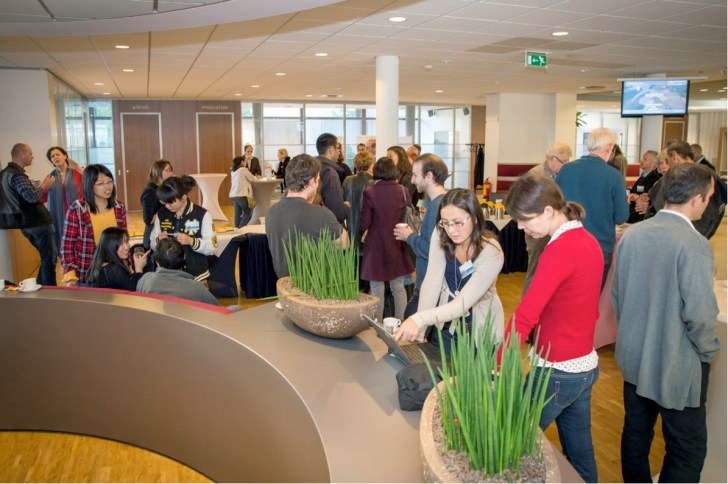
Networking at the SOLUTIONS general assembly in Delft. Image Deltares
The importance of young and early-career scientists
Numerous young and early-career scientists played an important role in the general assembly. They took the opportunity to present in different formats, to understand the concepts and to meet many of those scientists they knew from academic literature. For PhD students Ying Shao and Björn Deutschmann from RWTH Aachen University in Germany, the general assembly was especially useful to better understand the high complexity of the project, and to find their role within the consortium.
“I am overwhelmed”, Ying says, “but desperate to learn.” Her task in SOLUTIONS is to identify pollution hot spots and elucidate modes-of-action of freshwater pollutants using small-scale in vitro bioassays (i.e. using tissues or cells in the lab to study the effect of pollutants). Her work is supported by a four-year PhD fellowship from the China Science Council (CSC). After finishing her thesis Ying wants to return to China and contribute to environmental quality at home. Björn feels quite “challenged.” He works on a larger scale than Ying, investigating certain biomarkers in feral and lab-exposed fish. Both students want to help to make a step forward in Adverse Outcome Pathway definition and bring the concept to the organismal level.
The Delft meeting helped both young researchers to better shape their theses. They used the fantastic networking opportunities to establish valuable contacts with other members of the SOLUTIONS family. With a consortium spreading all over Europe, and reaching to China, Brazil and Australia, proper communication is a real challenge, even nowadays with all different kind of digital conversation channels. Meeting up face-to-face is still the most efficient way to exchange ideas, discuss problems, and make decisions. In these terms the general assembly was a huge success.
Science slam and a singing professor: a diverse and supportive project
The SOLUTIONS science slam on Wednesday evening proved that internal project communication does not have to be a dry, rather serious activity. Five slammers brought on stage high creativity in presenting their science to colleagues. The science slam was carried out without slideshow presentations and involved such diverse media as movie clips, live imaging and custom-made cardboard chemical analysis equipment. The winning contribution, however, borrowed from hard rock pioneers Deep Purple. Dirk Bunke of Öko-Institut e.V., Freiburg, Germany, got the whole audience to sing along “Smoke on the water – pollutants of tomorrow.”
A singing professor, highly enthusiastic PhD students, experts on AOPs, bioassays, chemical analysis, statistics and modelling; laboratories equipped with state-of-the-art scientific devices; and an unlimited amount of creativity to find the best solutions: the Delft general assembly showed that the real strength of the project lies in a consortium so broad and diverse that virtually any research problem of any colleague can be solved by someone from the project. This unique capability of the SOLUTIONS family is good news for environmental quality of European freshwater bodies and promises very valuable results and developments.
Coming together. The SOLUTIONS GA facilitated scientific exchange and helped the consortium to better get known to each other. Image Deltares
Bringing together projects and collaborators from across the world
Armelle Herbert could be one of the people to benefit from the project outcomes. She is a representative of Veolia Environnement Recherche & Innovation France, and a member of the SOLUTIONS stakeholder board, a panel of decision-makers and end-users involved throughout the life of the project. She liked the innovative approach of the general assembly, its interactivity, and the ease with which she could start conversations with the participants. She enjoyed that it was no ‘classical’ scientific conference, and the mini-conference was a particularly refreshing experience for her. For the first time, our Stakeholder Board members from the United States Environmental Protection Agency, Rob Burgess, and Environment Canada, Mark Hewitt, joined a SOLUTIONS meeting. They identified plenty of common interests, problems to solve and approaches to take and presented the North American perspective on emerging pollutants in the Stakeholder Board meeting.
The general assembly was also very happy to host Sebastian Birk representing the partner project MARS and Damià Barceló as the coordinator of GlobAqua. Close collaboration between the projects has been identified as a key step to increase the scientific impact towards better understanding and protecting aquatic ecosystems against multiple stressors including emerging pollutants. In outstanding presentations, SOLUTIONS participants learnt about the concepts and approaches of both partner projects.
SOLUTIONS: a great opportunity
“In the beginning I was overwhelmed by the complexity”, Knut Erik Tollefsen of NIVA, Norway, suggests. Knut Erik is the leader of the whole working package on effect-based methods, and had a significant share in writing the entire SOLUTIONS proposal. But still for him the project is a challenge, showing the large effort the scientists put into their work. “Then I was very positively surprised by the assembly of competence within the project consortium”, he continues, which makes him “confident that we will achieve what we aim for.” Andreas Focks of ALTERRA in The Netherlands adds, “this project is a great opportunity to achieve things that were not achievable before.” Certainly for most participants the general assembly in Delft brought the very same feeling.









 The Freshwater Blog
