 Freshwater ecosystems are incredibly diverse yet increasingly threatened environments. A study by David Dudgeon and colleagues in 2006 found that freshwater ecosystems were far richer in species than land or marine ecosystems, when compared to the respective areas of the Earth’s surface that they cover.
However, Dudgeon also suggested that freshwater biodiversity was decreasing at a faster rate than land or marine based biodiversity, as a result of a multitude of freshwater stressors such as pollution, overexploitation, habitat destruction, invasive species and the impacts of climate change. The interactions and cumulative effects of this ‘cocktail’ of multiple and emerging freshwater stressors is far from clear, which is why multiple stressors are the key focus for research in the MARS project.
In recent years, numerous European environmental policies have been implemented to protect, conserve and restore the continent’s freshwater ecosystems. Two key pieces of European legislation, the Habitats Directive and the Water Framework Directive, have a strong focus on biodiversity. In the Water Framework Directive (first implemented in 2000), analyses of different “biological quality elements” are used to assess the ecological health and status of water bodies (predominantly using data on biological traits and ecological preferences of freshwater species), which in turn guides funding for conservation and restoration work.
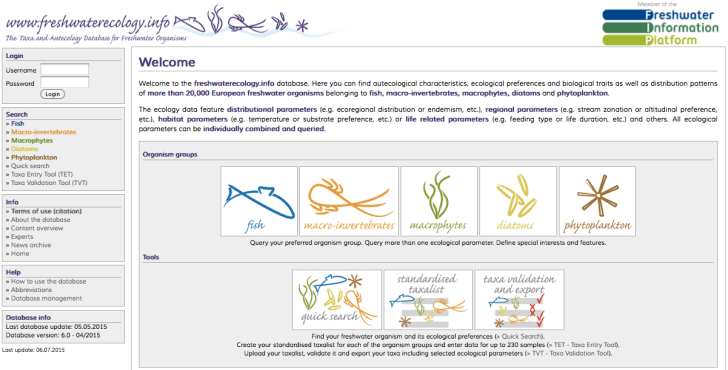
As a result, to properly implement such environmental policy requires comprehensive and detailed information on freshwater species. However, until now, such data has largely been scattered, incomplete and not comprehensive: varying widely in quality and precision. To address this shortfall, the freshwaterecology.info database has been set up to provide comprehensive and harmonised data on the ecological characteristics of European freshwater species, which can be used by scientists, policy makers, environmental managers, students and the public.
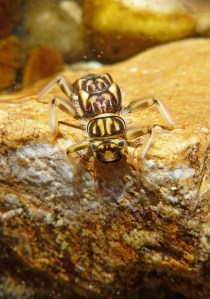
Stonefly: an important species in the freshwaterecology.info portal. Image: Graf/Schmidt-Kloiber
The online database categorises organisms by their ‘ecological parameters’ – an amalgamation of biological information and ecological preferences in other categorisations – which include: 1) distribution (e.g., per ecoregion or per catchment); 2) spatial preferences (e.g., stream zonation or altitudinal preferences); 3) habitat preferences (e.g.,hydrological, temperature or salinity preferences); 4) pollution, trophy and saprobity (e.g., different saprobic and trophic indices); and 5) life history (e.g., life span, fecundity, feeding types).
The freshwaterecology.info online database currently holds data on around 20,000 freshwater species across five different organism groups: fish, macroinvertebrates (insects), macrophytes (plants), diatoms and phytoplankton. Much of the data brought together in the portal has been collected and classified by successive, complementary European Union projects, including Euro-limpacs, Refresh, WISER, FAME, EFI+ and BioFresh. The development of the freshwaterecology.info database has been led by Astrid Schmidt-Kloiber and Daniel Hering and now forms a key part of the integrated Freshwater Information Platform.
The integrated freshwaterecology.info database allows users to search by species and ecological parameters, giving comprehensive citations to the authors who supplied the data as well as to the literature references the classifications were based upon. Similarly, it includes taxa entry and validation tools, to allow users to enter and create standardised taxa lists using the database’s taxonomy. All the data accessed through the portal can be exported and downloaded to allow further quantitative analyses.
How might the freshwaterecology.info database be used to help further freshwater science, policy and conservation across Europe? In a recently published journal article in Ecological Indicators, Schmidt-Kloiber and Hering outline a number of examples of how the database could be (and already is) important for freshwater research.
First, presenting species data within ecoregions – an area of land and/or water with a geographically distinct assemblage of species, natural communities, and environmental conditions – rather than within national state boundaries, has allowed for targeted biodiversity analyses such as those of Conti et al 2014 and Hering et al 2009 at appropriate ecoregional scales, using data from freshwaterecology.info.
Second, knowledge on the ecological preferences of freshwater species is a key element of biomonitoring and assessment systems within European policies like the Water Framework Directive. Most ecological assessment strategies require numerically coded biological information on individual species: indeed in a 2012 paper, MARS scientist Sebastian Birk and colleagues found that two-thirds of European river assessment and almost half of lake assessment approaches required such data.
Third, ecological restoration is an increasingly common form of environmental management in a world subject to ongoing human alterations. A key question is how to evaluate the success (or failure) of restoration measures. A review by Verdonschot et al. 2012 on freshwater restoration evaluation highlights the value of biological indicators and ecological preferences in tracking the recovery of a degraded ecosystem following restoration work.

Caddisfly: an important bioindicator species for the health of freshwater ecosystems. Image: Graf/Schmidt-Kloiber
Finally, species traits are commonly used in computer models built by scientists to attempt to forecast how species and ecosystems might respond to climate change in the future. Here, a key focus for research is the ‘sensitivity’ of species to climate altered environmental factors such as water temperature, flow and quantity. Studies such as Hering et al. 2009, Sandin et al. 2014 and Conti et al. 2014 have used data on ecological preferences from the online database to reveal that freshwater species in Mediterranean and high mountain ecosystems are particularly vulnerable to projected changes in climate.
The formation of the freshwaterecology.info database provides a significant step forward in the comprehensiveness, accessibility and use of freshwater biodiversity data in Europe. As Schmidt-Kloiber and Hering write in their new paper, “A sound understanding of ecological functioning is a prerequisite for the implementation of biological approaches into European aquatic ecosystem management.”
Depending on funding, the database will continue to grow in both content and use in the future. Data is continually being added, filling species gaps, and providing new information for scientists to undertake new research and analysis to respond to both existing and emerging trends and threats in European freshwater ecology. As such, freshwaterecology.info is an invaluable tool.
Astrid Schmidt-Kloiber describes the potential and challenges offered by the freshwaterecology.info database, “We are grateful to all contributing experts and acknowledge the balancing act they had to manage when codifying their comprehensive ecological knowledge and translating it into numerical values. Finally, we have achieved a great and important goal and moved harmonised assessments throughout Europe a big step forward. Still, the database also shows us the knowledge gaps and the urgent need for more basic research, for example regarding the general distribution of some species or the temperature preferences and dispersal capacities often called for in global change modelling.”

MARS scientists studying multiple stressors in Lake Beyeshir, Turkey. Image: METU Limnology Laboratory
The interactions and impacts of multiple stressors on aquatic ecosystems is one of the key challenges for current environmental research, policy and conservation. Whilst there are many success stories of pollution being reduced on rivers and lakes across the continent, and aquatic life returning (see for example salmon in the River Mersey and River Tyne in England), Europe’s freshwaters are still subject to multiple stresses, many of which are subtle, complex and poorly understood.
New scientific research suggests that these stresses – chemical pollution, drought, floods, habitat destruction amongst many others – can interact in complex and dynamic ‘cocktails’. A key point here is that these interactions may intensify their individual effects on freshwaters: in other words, the combined damage multiple stressors cause to ecosystems may be more than the sum of the individual parts (known as a synergistic effect).
As studies such as this one by Daniel Hering and colleagues from earlier in the year suggest, multiple stressors pose a series of new, complex and non-linear challenges for aquatic ecosystem conservation and, increasingly, restoration. But despite this emerging awareness of the challenges multiple stressors pose to the health of freshwater ecosystems, there are comparatively few scientific studies which provide quantitative evidence on their effects, making it difficult to inform suitable management and mitigation strategies.
Responding to this shortfall in knowledge, a team of MARS scientists led by Peeter Nõges from the Estonian University of Life Sciences, reviewed 219 existing scientific papers, published since 1986, which quantify the prevalence and effects of multiple stresses on river, lake, groundwater and estuary environments. Nõges and colleagues suggest that whilst there is a pressing ongoing need for quantitative evidence on multiple stressors, this is hampered by a lack of suitable and coordinated sampling techniques and analyses amongst researchers.
Publishing in Science of the Total Environment, a key finding of their study is that nutrient stress (e.g. from fertiliser or sewage pollution) was a key element of most (71-98%) multiple stress combinations in surface waters (rivers, lakes and estuaries). Hydrological stress (e.g. water scarcity, flooding) was found to be a key factor in rivers (74% of studies) and groundwater (83%) environments.
Together, combined hydrological and nutrient stresses were found in over half the studied rivers, and around a quarter of lakes. This finding tallies with reports submitted by European Member States under the Water Framework Directive, describing the pressures (a slightly different, and inherently anthropocentric, meaning to stressor) faced by Europe’s freshwaters. Here, again, member states reported diffuse pollution and hydromorphological alteration (i.e. the alteration of river and lake courses and flows).
Across all the biological groups analysed in the reviewed studies, multiple stressors had most impact on lake ecosystems compared to single stressor conditions. However, the effect of multiple stressors was generally lower in estuarine waters.
The review outlines how different retention times for nutrients (i.e. the amount of time spent in an environment) in rivers and lakes, influenced by water movement and flow, causes different effects. Specifically, where in flowing rivers the retention time of nutrient pollution is low, it is much higher in still or slow-moving lake and estuary environments.
This has a couple of important implications for ecosystem health and functioning. First, high levels of nutrient pollution may be carried through river systems without significant impact, yet when they reach the brackish, slow estuary environment (and switch to an increased residence time) become a likely cause of eutrophication. This means that issues of scale must be taken into account when studying the causes and effects of multiple stressors: and that pollutants may be carried many miles before having harmful impacts.
Second, this finding suggests that the environmental impacts of other hydrological stresses which reduce the speed of river flows (e.g. droughts, dam construction and water abstraction) may intensify the effect of nutrient pollution. This is because river environments where nutrients would generally be washed through become slow or still, increasing the nutrient residence time, and potentially causing harmful environmental impacts such as eutrophication and algal blooms.
Another important finding made by Nõges and colleagues is that the response of freshwater species to multiple stressors reported in the 219 studies is largely ambiguous. Across all the varied aquatic conditions in studies analysed in the review, only fish populations were significantly more impacted when the effects of multiple stressors were increased. This is described as being a result of the mobile lifecycle of many fish species, acting as consumers at different levels of the food chain, across a variety of habitats. For the authors of this study, it is this niche diversity that makes fish particularly susceptible to the impacts of multiple stressors, and also, therefore a potentially important group of bioindicators to detect their effects.
Nõges and colleagues conclude by suggesting that their efforts to provide a first comprehensive assessment of existing scientific research on multiple stressors in aquatic environments were complicated by the seemingly unlimited number of potential stressor combinations and numerous sampling strategies and scales in the papers reviewed. Given that increasingly technological and innovative industries across the world are continually developing new chemicals and plastics, a proportion of which are likely to end up in aquatic environments eventually, this almost-unmanageable diversity of potential multiple stressors makes research and management tricky.
However, EU projects like MARS, SOLUTIONS and GLOBAQUA are specifically targeting this shortfall in scientific knowledge on the interactions and impacts of multiple stressors, as a means of helping manage and mitigate their effects on aquatic ecosystems, both now and in the future.
Link to the Nõges et al (2015) paper in Science of the Total Environment.
Microplastic pollution: an emerging freshwater stressor

Microplastics found in the Magothy River, Chesapeake Bay, USA. Image: Chesapeake Bay Program | Flickr Creative Commons
In recent years, microplastic pollution has been identified as an increasingly pervasive and damaging environmental stressor in the world’s seas, found even in remote locations in the Arctic ocean and deep sea trenches, far from human settlements.
Microplastics are, as the name suggests, tiny particles of plastic (less than 5mm in size in this study) which enter aquatic environments either directly as manufactured pellets from industrial and farming processes and microbeads from cleaning and cosmetic products; or indirectly through the erosion and breakdown of larger plastic items such as fishing nets and household waste. When ingested by fish and marine mammals, microplastics can obstruct or damage internal processes, cause bodily stress, and potentially lead to the uptake of harmful chemicals.
Global plastic production has increased exponentially since the 1960s, to around 299 million tonnes in 2013 alone, meaning there is a huge amount of plastic currently being used and thrown away around the world, a proportion of which is ending up in entering aquatic systems as pollution, and taking many years, if not centuries, to break down. So in short, microplastics are one of the most widespread and potentially damaging aquatic stressors emerging from the growth of consumer society in recent decades.
But as yet, most of the scientific and conservation work on microplastic pollution has focused on seas and oceans. But what about microplastic pollution in freshwaters?

The microplastics found in the Magothy River, Chesapeake Bay exhibit a range of diverse shapes and sizes when viewed under a microscope. Image: Chesapeake Bay Program | Flickr Creative Commons
A paper published earlier this year in the journal Water Research, led by Dafne Eerkes-Medrano at the Aquatic Ecology Group, Department of Zoology at the University of Cambridge provides a timely overview of research on the impacts of microplastics on freshwater systems.
Whilst there is still only a small body of research on freshwater microplastics, the review work by Eerkes-Medrano and colleagues suggests that microplastic presence and impact may be equally as far-ranging in freshwaters as it is in marine habitats. Their study documented evidence of microplastics in freshwater environments as widely spread as Lake Hovsgol in Mongolia, Lake Geneva and the River Danube in Europe, and Lake Superior, Lake Huron and Lake Erie in Canada and the USA.
However, whilst there are a growing number of studies documenting microplastic pollution around the world, our knowledge of this emerging environmental stressor remains patchy. As such, Eerkes-Medrano and colleagues suggest a number of key areas requiring further research to help develop and strengthen freshwater conservation and policy on microplastics.

Tiny microplastics that can be ingested by a range of freshwater life. Image: Chesapeake Bay Program | Flickr Creative Commons
First, we need to better understand how microplastics reach freshwater ecosystems, and how they disperse and degrade over long periods of time. This is largely a question of understanding and mapping plastic pollution from household, industrial and agricultural sources, and studying how it is gradually broken down. The movement and potential deposition of microplastics is shown to depend largely on river flow, wave action and releases of water from dams and hydropower plants. As such, microplastic concentrations are likely to be high in areas where water velocity is low, and the sediment it carries is suspended and deposited.
A key question for the management of microplastic pollution is how to prevent it entering freshwaters at source. A recent UN report on marine microplastics advocated more widespread and effective plastic recycling processes to reduce waste. Here, it might be the case that creative and effective science communication work which engages the public with microscopic images of micoplastic pollution (as shown here from a study by the Chesapeake Bay Program in the USA) could help bring this otherwise largely invisible issue to life, and help foster more environmentally concious plastic use and disposal.
Second, we need better monitoring systems to detect microplastics in freshwaters. This is a challenging process, because microplastics are so small and easily transported by the movement of water. Similarly, when a sample of sediment is taken from the bed of a freshwater, it is difficult to separate the microplastics from other organic particles in the sediment. Finally, without any historical data on microplastics in freshwaters, it is difficult to define any baselines for what might be ‘safe’ concentrations in an aquatic ecosystem, nor which particular plastics and sizes cause the most harm to aquatic life.
Third, and perhaps crucially, we need to better understand the impacts of microplastic pollution on freshwater biota. Again, scientific studies of the effects of microplastics on freshwater life is relatively sparse, but tellingly in almost all surveyed studies, microplastics were ingested by freshwater species including catfish, freshwater snails, clitellate worms Japanese medaka and gudgeon. Perhaps surprisingly, in one of these studies, tiny plastic particles between 20 and 1000nm were shown to accumulate in the tissues of the minuscule freshwater water flea Daphnia magna.

The tiny freshwater water flea, Daphnia magna, which was found to have taken up miniscule microplastics in one study. Image: Per Harald Olsen/NTNU | Flickr Creative Commons
Whilst there is variation in the ecological effects observed in the available studies, microplastics can have harmful effects on freshwater life by blocking internal digestion processes, causing physiological stress, and causing the uptake of potentially damaging chemicals. Both the microplastics themselves, and the chemicals they leach, have the potential to bioaccumulate in larger animals such as predatory birds and fish, with harmful effects potentially cascading through an ecosystem’s trophic layers. Here, microplastic concentrations and residence time (i.e. the amount of time they stay in the ecosystem without degrading) are suggested to be important in determining how much impact pollution is likely to have on freshwater life.
Fourth, there are many unanswered questions about the potential impacts of freshwater microplastic pollution on humans. Eerkes-Medrano and colleagues ask, if microplastic pollution is increasingly recognised as a freshwater issue, what might its effects be on the freshwater resources used by humans, such as drinking and bathing water? How might microplastics contaminate food production, both in freshwater, and potentially in the surrounding landscape where they might be deposited?
Whilst there are numerous unanswered questions about the presence, dynamics and effects of microplastic pollution, the key point of this new review by Eerkes-Medrano and colleagues is that microplastics are an important area for freshwater scientific research and policy development. Greater knowledge and awareness of microplastics in marine environments mean that marine policy is slowly beginning to address their impacts, for example in the European Commissions Marine Strategy Framework Directive, which explicitly lists microplastics as an important and damaging source of ‘marine litter’ to be managed.
But forming new and effective environmental policy and conservation strategies requires a strong scientific evidence base, which in turn needs appropriate funding sources and monitoring systems. This review shows that there is still much work to be done on surveying, monitoring and researching freshwater microplastic pollution, in order to support the formation of appropriate policies and strategies to manage this emergent and potentially widespread freshwater stressor.
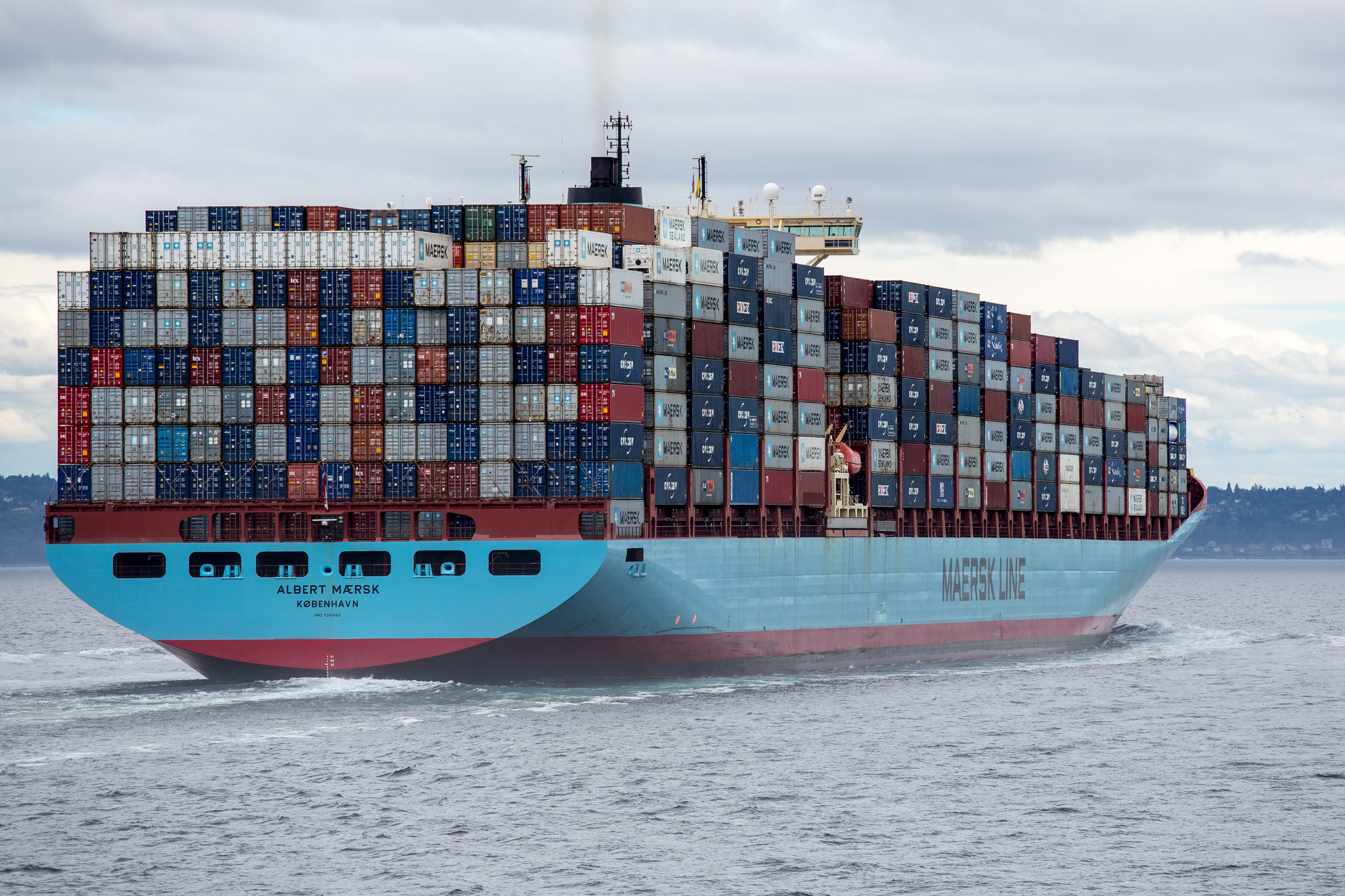
A heavily laden container ship: what effects will the sound pollution it emits have on underwater life? Image: four12 | Flickr | Creative Commons
Many of us know about the familiar sources of water pollution: fertilisers running off agricultural fields, sewage leaking from underground pipes and oil and fuel leaking from boats, amongst many others. But what if the pollutants and stresses on aquatic environments weren’t chemical and visible, but sonic and audible? How might noise pollution affect underwater life, and how might we manage it? How, in fact, in a crowded, noisy world do we even define what noise pollution might be?
A recent study published by Stephen Simpson and colleagues at the Universities of Exeter and Bristol in England investigated how the noise made by ships affects the behaviour of juvenile European eels. They found that underwater sound pollution significantly affects the behaviour of juvenile eels in ‘life or death’ scenarios when ambushed or pursued by a predator. Their findings suggest that sound may need to be increasingly taken into account when assessing the multiple pollutants and stressors that aquatic life is exposed to, both in oceanic and freshwater ecosystems.
The European eel’s life-story is fascinating, and (perhaps surprisingly for such a well-studied species) still has an element of scientific uncertainty. Eels spawn in the Sargasso Sea in the Western Atlantic Ocean, and larvae are carried along ocean currents back to rivers in Western Europe. When the larvae approach river estuaries they metamorphosise into ‘glass eels’ with almost transparent bodies measuring around 10cm in length. The glass eels go through subsequent growth cycles into elvers and finally adult eels as they migrate upstream, sometimes living for over 20 years in rivers and lakes (they have been known to travel across wet ground like snakes in order to find suitable habitat) before migrating downstream and out to the Sargasso Sea to begin the cycle again.
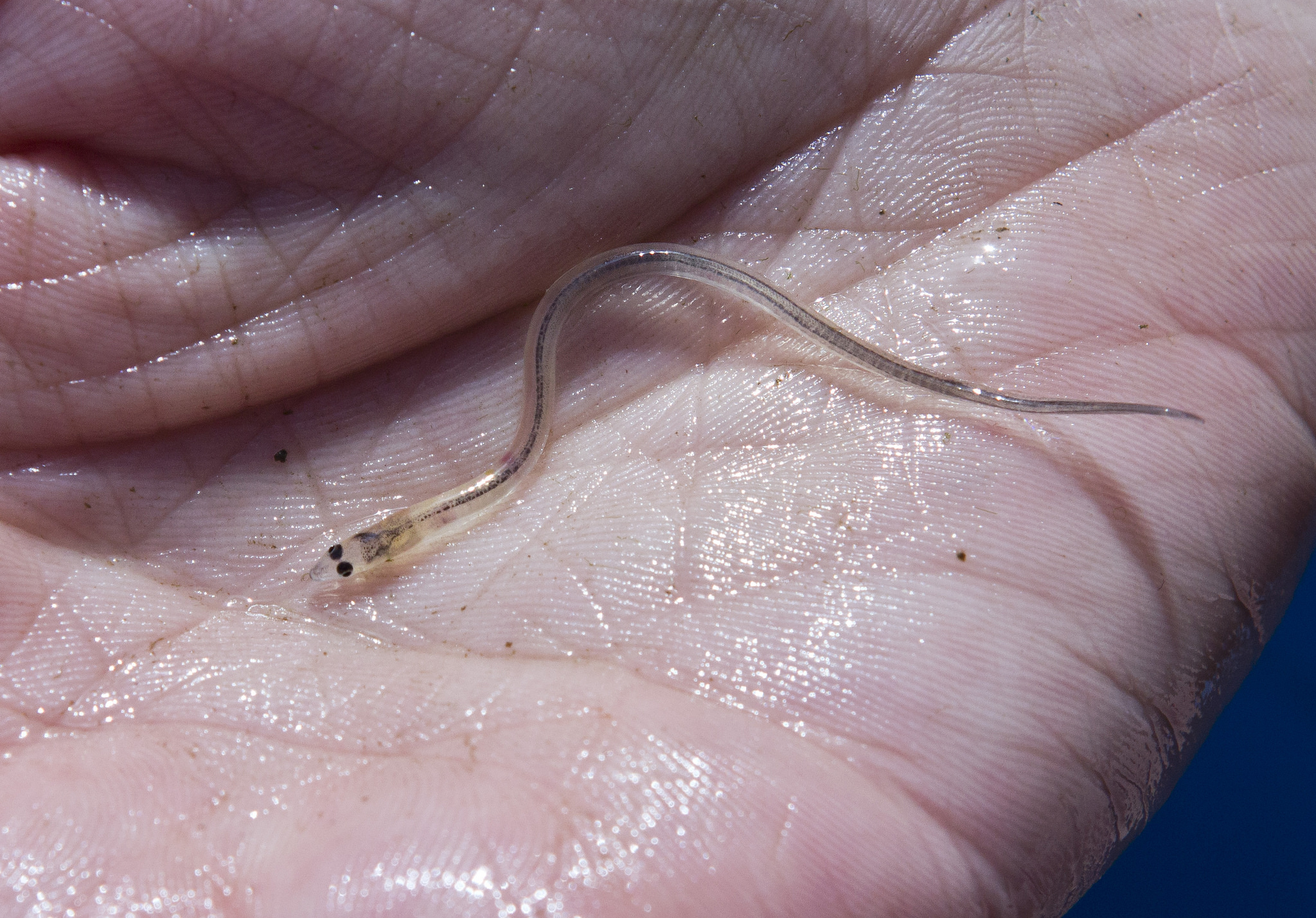
A tiny, almost transparent glass eel. Image: Canopic | Flickr | Creative Commons
Unfortunately, European eel populations are critically endangered. Studies by the Zoological Society of London suggest that eel numbers in the River Thames have dropped by around 95% in the last 30 years, due to a combination of overfishing (particularly at the glass eel stage – these are a delicacy), habitat loss, barriers to migration (such as weirs), chemical pollution (particularly by this chemical) and climate-related shifts in Atlantic ocean currents. In short, eel populations are struggling, and it is important to understand what factors are threatening the species, and how they might be managed. And in this context, the study by Simpson and colleagues reminds us to consider sound as an important, if not always considered, source of aquatic pollution that may affect their populations.
In their study conducted, glass eels were collected in the River Severn and transferred to laboratory aquariums. There, the eels were exposed to recordings of large ferries, tankers and container ships moving around three UK harbours, along with ambient recordings of the harbours with no ship noise, which acted as a control, both in laboratory and open-water conditions. The recordings were made with a special microphone known as a hydrophone, which is dropped under the water’s surface and records the otherwise inaudible (to humans, at least) underwater soundscape.
A hydrophone recording of a dredger boat at the confluence of the River Lea and River Thames in East London. Taken as part of the Surface Tension project. This recording is for reference to show how loud underwater sound pollution can be, and was not used in the study by Simpson and colleagues.
The glass eels in the laboratory study were then subjected to two simulated ‘predator attacks’. In the first ‘ambush’ simulation, a single eel was acclimatised to a new tank with a ‘predator window’ where a model fish on a pendulum arm was swung. When the eel passed the small glass window, the model predator was swung (in an admirable adherence to control conditions, the researcher doing the ‘swinging’ listened to loud music on headphones so as not to know which soundscape was being played to the eel). In the second ‘pursuit’ simulation, eels were chased with a handnet through an experimental tank arranged as a maze with Perspex blocks. In both simulations, the response of the eels to ‘predation’ was carefully noted, under both ship noise and ambient soundscape conditions.
The results were significant: when the ship noise was played, eels were 50% less likely to startle to an ‘ambush’ predator compared to the ambient, control soundscape, and when they did startle, this reaction was 25% slower. Similarly, eels in the ‘pursuit’ simulation were caught more than twice as quickly when exposed to the ship noise soundscape. Additionally, the eels exposed to ship noise altered their spatial behaviour and movement, and heightened their stress (as observed by the ventilation and metabolic rate).
Lead author Dr Steve Simpson, Senior Lecturer in Marine Biology & Global Change at the University of Exeter, said: “Our findings demonstrate that acute acoustic events, such as the noise of a passing ship, may have serious impacts on animals with direct consequences for life-or-death behavioural responses. If these impacts affect whole populations then the endangered eel, which has seen a 90 per cent crash in abundance over the past 20 years due to climate change, may have one more problem to deal with as they cross busy coastal areas.”
Co-author Dr Andy Radford, Reader in Behavioural Ecology at the University of Bristol, outlined that: “The fact that eels were affected physiologically and spatially suggests that other important functions may also be affected. We focused on anti-predator responses as, unlike impacts on movement or feeding, there is no way to compensate for being eaten after the disturbance goes away.”

Gravesend on the south bank of the estuary of the River Thames in South East England. One of the ship noise recordings used in the study was taken here. Image: El Zoid | Flickr | Creative Commons
The findings remind us that documenting the multiple stressors that affect freshwater life is not a simple process. Here, the pollutants affecting the eels behaviour and possible survival rates are not chemical but sonic. Sound pollution is a commonly observed problem in oceanic environments, but less so in freshwaters. So the question here is: how can aquatic sound pollution be monitored and managed, if at all?
The management of anthropogenic noise is already included in the US National Environment Policy Act and the European Commission Marine Strategy Framework Directive, and as a permanent item on the International Maritime Organisation Marine Environmental Protection Committee agenda, but given the thousands of busy, interconnected shipping lanes that criss-cross the world, how effective can these policies be? And given that the findings of this study may be replicated in other fish species, we might ask what about the management of sound pollution in freshwater environments?
This leads to another complication in understanding the full suite of multiple stressors impacting eel populations: spatial and temporal scale. In other words, the eels move through different environments (oceanic, estuarine, freshwater) at different points in their life cycles, covering thousands of miles from birth to death. Sound pollution stressors that affect freshwater populations of eels may occur hundreds, or even thousands, of miles away in the ocean or in river estuaries. These are dynamic populations with complex life cycles affected by different stressors at each stage of growth. So the second issue here is how to foster co-operative, interlinked management strategies for such migratory species, which help mitigate and manage the effects of stressors in oceanic, estuarine and freshwater environments?
Meet the MARS Team: Tano Gutiérrez

A saline stream in Sicily. Image: Tano Gutiérrez
 This week we feature another interview in our ‘Meet the MARS Team‘ series. We talk to Tano Gutiérrez, who works on the interactions and effects of multiple freshwater stressors at the Catchment Research Group at Cardiff University.
You can read more about Tano’s past work and publications on his University of Murcia webpage, and follow him on twitter here.
1. What is your focus of your work in MARS, and why?
The MARS project analyses how rivers, lakes and estuaries are affected by the interaction of human-induced stressors at three spatial scales (water body, catchment and continent). My main contribution to MARS is to compile and analyse the biological and environmental data from the Welsh catchments.
Cardiff University’s Catchment Research Group (led by Steve Ormerod and Isabelle Durance) have been collecting data in Wales from the early 1980s through to the present day, creating a comprehensive database ideal for studying the interaction of stressors across time and space. This dataset includes rivers that experienced acidification during the last century, but whose chemical conditions are now almost recovered; and those subject to intensive farming and climate change in various different combinations. This includes biodiversity data on aquatic macroinvertebrates (aquatic insects, molluscs and crustaceans), fish (e.g. Atlantic salmon and trout) and river birds (e.g. European dipper).
I am also helping to create a common framework to analyse the effects of stressors interactions in the rivers, lakes and estuaries of the different 16 European catchments included in this task. The outcomes of these analyses will help us to detect which stressor combinations are most damaging to the ecological status of European rivers. Further challenges include the development of biomonitoring tools which can detect the presence of such stressor interactions and their consequences for freshwater ecosystem services (for example, clean water, commercial fish or recreational values).
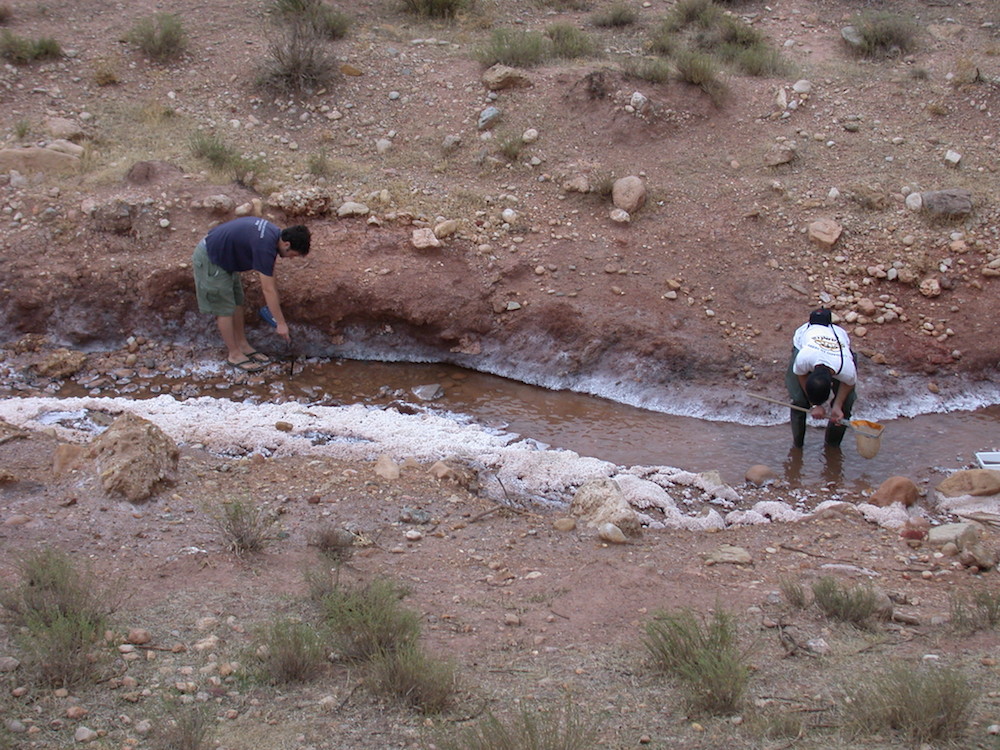
Surveying a Spanish stream. Image: Tano Gutiérrez
2. Why is your work important?
European countries currently assess aquatic ecosystems using biomonitoring tools that only determine the ‘health’ (or ecological status) of a site: either ‘good’ or ‘poor’. However, when we detect a problem in a freshwater environment, we should also seek to find out what is causing the ecological damage and predict any potential ecological or human welfare consequences. To use a human example, when we visit a doctor, we expect to be informed about the cause of our disease, the potential consequences, and of course then the treatment.
Our work in MARS project is critical to develop biomonitoring tools which can help us understand the causes and consequences of stress on freshwater ecosystems. In particular, I’m interested in using trait-based approaches to address these questions. Trait-based tools use the biological features of organisms, like body size, life stories, locomotion, trophic position, as opposed to taxonomic-based metrics, which use species, genus, family richness or composition. Trait-based approaches show clear advantages over conventional taxonomic methods for predicting biological changes in response to environmental conditions, such as predicting links between environmental change and ecosystem function, and reflecting evolutionary processes of adaptation to environmental conditions.
Let’s imagine some examples. Aquatic animals with higher physical exposure to dissolved chemicals (those with tegument or gill respiration) are more sensitive to aquatic pollutants compared to those which breathe air. Thus, increased dissolved pesticide concentrations are expected to affect organisms which breathe aquatically more profoundly. Large organisms need more energy to survive as a proportion of their body size, compared to smaller life forms. A sudden increase in required energy use – for example due to increased water temperature as a result of climate change – is therefore expected to disproportionately affect larger organisms. As such, finding unusually low proportions of aquatic breathing or large organisms in a freshwater ecosystem may be the result of dissolved pollutants or climate change. We can also detect an interaction between stressors when observing low proportions of aquatic breathing and large organisms. This is a way to implement ecological theory into biomonitoring that is relevant and useful for the MARS project.
3. What are the key challenges for freshwater management in Europe?
A major challenge is to integrate conceptual advances in ecology with practice. For example, widely applied practices in ecosystem management (particularly in assessment and restoration) are often rooted in ecological theory developed many years ago. Another challenge is to use the large databases of biological and environmental data generated through initiatives like the Water Framework Directive. These huge sets of data may allow scientists to look for general ecological spatial patterns or to assess biodiversity change over time, both which can be useful for ecosystem management.
Scientists should also be allowed and encouraged to do science outreach. I don’t think that scientists have time enough to disseminate and share their results with environmental managers and the public, a process of communication which can bring real research impact. Rather, the focus is usually only on publishing numerous papers in scientific journals. We should rethink how to measure and assess research impact, by considering how scientists are able to let their knowledge productively flow into society.
There is also a lack of understanding of the processes operating in rivers in comparison with terrestrial or marine ecosystems. Maybe it is easier to understand terrestrial ecosystems where you can watch ecosystems functioning in real-time; and where you can touch, smell and track changes more easily. Even in marine ecosystems you can dive and see what is happening. The temporal and spatial scales in which river ecosystems operate are challenging for humans.
In fact, freshwaters are still largely black boxes for scientific study, for two key reasons. First, the life in freshwaters operates at a scale too tiny (bacteria, diatoms, invertebrates – see the BioFresh Water Lives film above for an art-science interpretation of this) to be observed by humans. Second, the processes that may damage freshwaters operate on large spatial and temporal scales that are difficult understand and picture. For example, crops placed far from the river may contribute to increased levels of nutrients in rivers through diffuse pollution from fertilisers and pesticides. The problem arises in big river catchments where the pathways from crops to water bodies are complex. For instance, diffuse pollution may take 20 to 50 years to enter the river due to its slow movement through groundwater.
Finally, another important point is the preconception about economic growth and the trade-offs between human welfare and nature conservation. Put simply: we tend to equate success with wealth; and wealthy life requires damaging nature in one way or another. The problem is that scientists are not challenging this preconception. There is a high correlation between GDP per capita (or other wealth indicators such as the Human Development Index) and ecological footprint per capita. Recently, I heard about an index that measures the ratio between happiness and ecological footprint (Happy Planet Index). It’s seems more reasonable to measure efficiency in terms of how to achieve a happy society in a world with limited resources. Furthermore, the natural world is based in renewable energy and promotes diversity, so why don’t learn how to produce what we need in ways that mimic nature and natural processes?

Tano working with a team on freshwaters in Morocco. Image: Tano Gutiérrez
4. Tell us about a memorable experience in your career.
The fieldwork I carried out for my PhD thesis was really amazing. I remember visiting really remote, pristine parts of Spain, working in beautiful arid landscapes. Sharing this time with my colleagues and supervisors was incredible. Also, I did also beautiful fieldwork in Morocco and Sicily. During these visits, I met really nice people and enjoyed great Moroccan and Sicilian food. The Sicilian survey was especially memorable. It was the first time I was in charge of everything: selecting sampling sites, coordinating people, finding the places, and so on. We were looking for a particular types of rivers: those exhibiting high levels of natural salinity. Using toponyms, lithology maps, species distribution data we selected a set of candidate sites and every visit was an adventure.
During my PhD period, I was also involved in a EU-funded educational project called Lessons from Nature. The project goal was to use nature as an inspiration to help transform the world. The principles of natural systems were key in developing the educational modules, using concepts such as: life is diverse, based in solar energy, waste becomes food, organism structures show multiple functions and so on. Students might, for example, compare how cities and natural ecosystems work. I would say that this project completely changed my view of thinking about nature, science and education. New paradigms like biomimicry and the circular economy are potential building blocks for a new sustainable world.
Last year, I had a small section in an online radio show called Ecomandanga (“having fun with nature”), which is dedicated to science outreach. Our team included ecologists (Felix Picazo and Dani Bruno) and a journalist (Elena García). Every week we summarised scientific news on biodiversity, health and sustainability, interviewed scientists and promoted local seasonal products and related traditional recipes. We had a reasonable impact, particularly on social networks. But the most important thing: we encouraged people to have fun with nature and science. Now we are planing Ecomandanga 2.0.

Finding ways to inspire people with nature and science through radio: the Ecomandaga team. Image: Tano Gutiérrez
5. What inspired you to become a scientist?
My father was in charge of putting science in my life. He is a science secondary school teacher and an acknowledged science communicator. I remember that during my childhood we played many games where science was somehow involved. The fact is you had fun with those games: learning whilst playing. Also, during secondary school I had some really inspiring teachers who introduced me to the world of environmental science.
6. What are your plans and ambitions for your future scientific work?
All my scientific work so far has been focused on looking for general biodiversity patterns in response to stress. Food production is probably the most damaging global human activity due to its contribution to land use intensification and climate change. For this reason, at some point, it would be great to move towards working on how we can sustainably produce food using methods that mimic natural ecosystems and processes. For example, we know that biodiversity is positively related with the number of functions and services delivered by ecosystems (pollination, pest control, nutrient cycling, nitrogen fixation, erosion control and so on). However, industrial crops are generally produced in monospecific fields, covering billion of hectares globally.
Under these conditions, crop fields have only a limited range of ecological functions (just the production of the target crop), which is compensated for by increasing the amount of energy and chemicals used in agriculture. For instance, we spend 10 kcal of energy (mainly coming from fossil fuels) for each kcal of target crop globally. Creating perennial, edible ecosystems in both agricultural and urban landscapes is key to reducing the amount of energy we use, preserving biodiversity and increasing the nutrient concentration in crops. A good example of urban food production following this scheme is the Biospheric Foundation in Salford (Manchester), where they transform neighbourhood and organic wastes into vegetables, mushrooms, eggs, chicken, fish and honey. Local communities benefit by being able to buy these local, organic products in a shop which is only 78 steps from the food is produced!
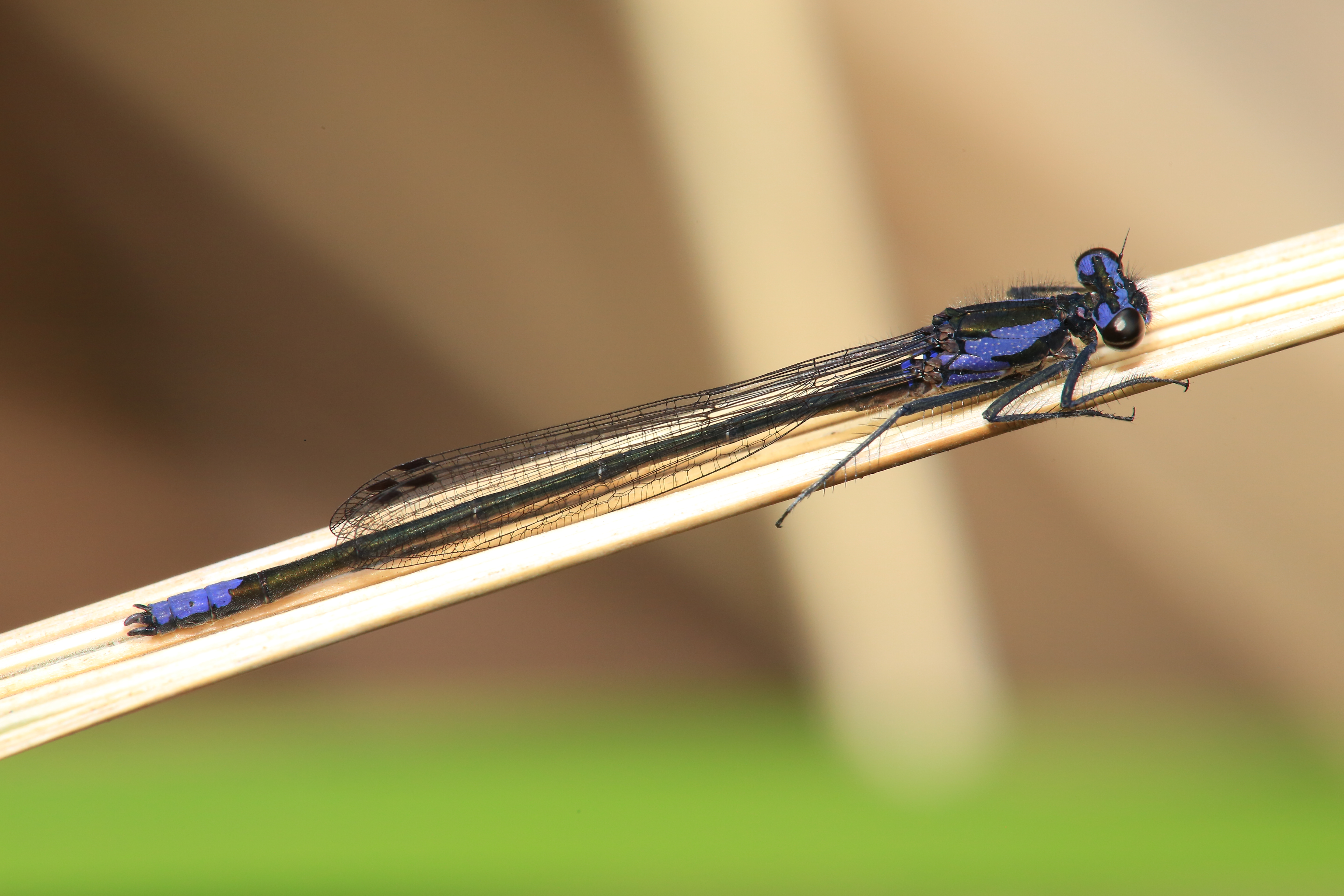
Spesbona angusta, a damselfy thought to be endemic to the Western Cape, South Africa. First named Metacnemis angusta in 1869, this damselfly was thought extinct between 1920 and 2003 when a small population was rediscovered near Cape Town. Image: Jens Kipping
Dragonflies and damselflies (or Odonata as commonly termed) are some of the most fascinating and beautiful freshwater species in the world. Exhibiting a huge variety of eye-catching colours and with wings flecked with unique patterns, Odonate species live in most parts of the world, laying their eggs in and around bodies of water, and commonly seen flitting about reeds and lily pads on the fringes of lakes, rivers and wetlands.
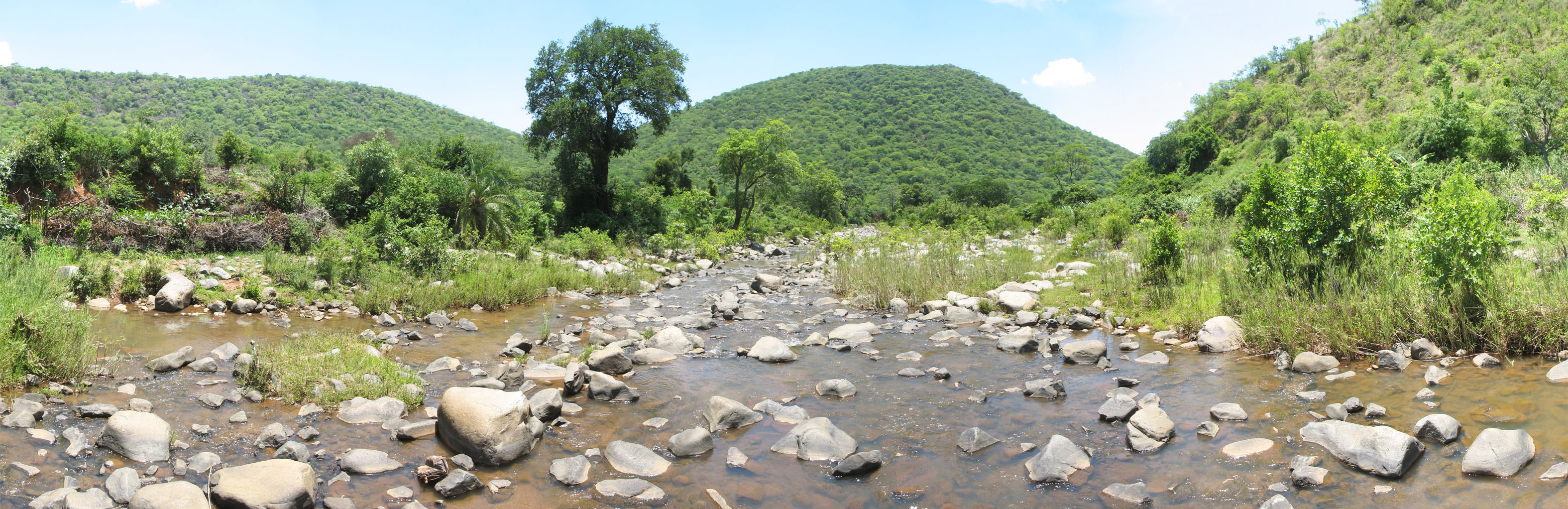
Odonate habitat in East Africa: the Umvumvumvu River in Zimbabwe. Image: KD Dijkstra
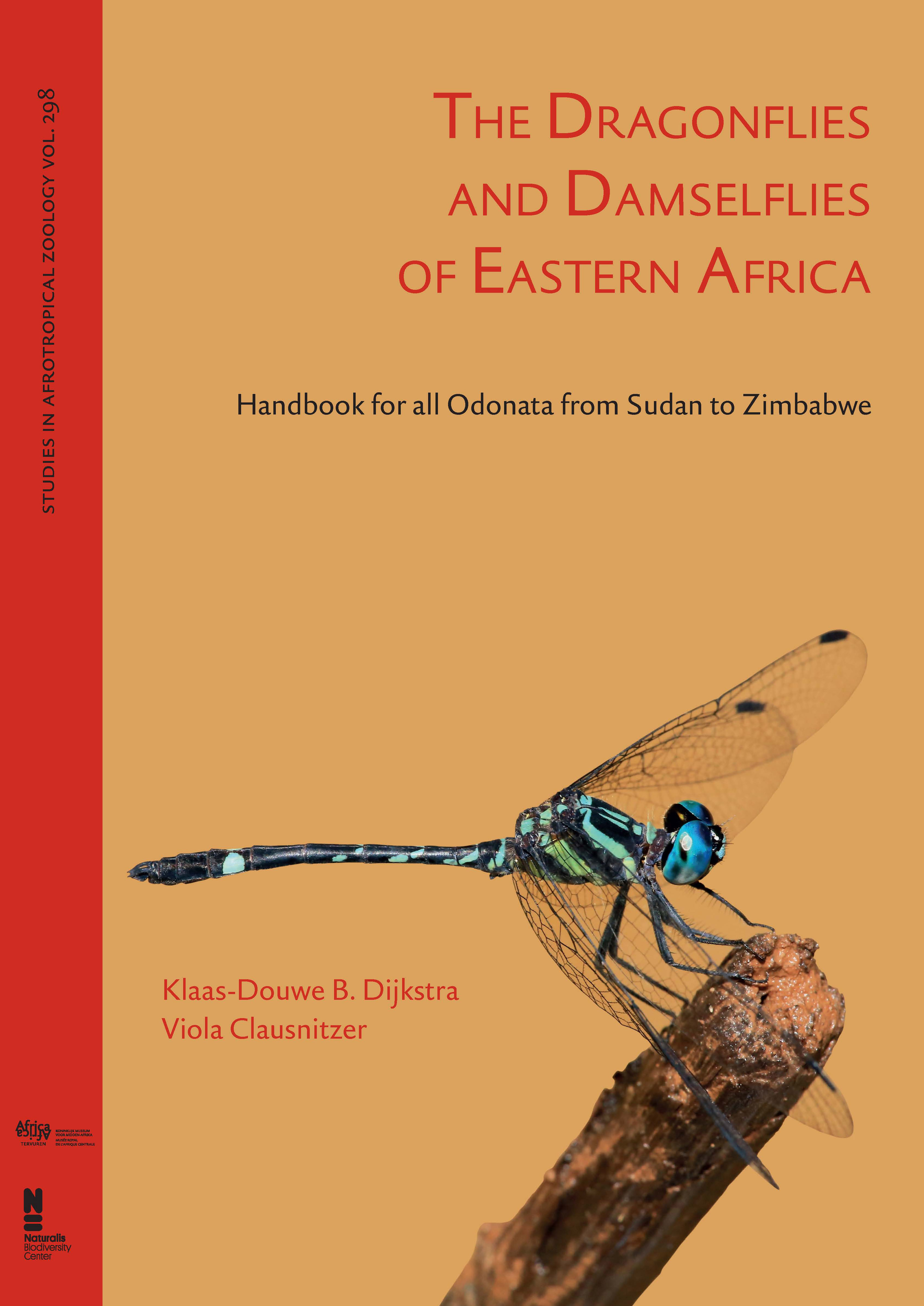
In this context, a comprehensive new book documentaing the dragonflies and damselflies of tropical East Africa has recently been published, co-written by Klaas-Douwe ‘KD’ Dijkstra from the Naturalis Biodiversity Center in The Netherlands and Viola Clausnitzer at the Senckenberg Museum of Natural History in Germany. The product of fifteen years of fieldwork, research and writing, The Dragonflies and Damselflies of Eastern Africa is the first handbook of its extent and detail on tropical Odonata.
Extending from Sudan and Somalia to Zambia and Mozambique, including the entire eastern half of the Congo Basin, the book covers a third of Africa – about ten million square kilometres, an area comparable to China or the United States – but includes almost two-thirds of the continent’s Odonate species. More than 500 species are illustrated by 1120 original drawings and 360 colour photographs. Identification keys to adult males of all species set a new standard for recognising ‘the birdwatcher’s insects’ in Africa, detailed genus descriptions provide the most comprehensive account of their ecology and taxonomy so far, and all species have been given a vernacular English name for the first time.
 Co-author KD Dijkstra suggests that the new book has important consequences for both freshwater science and conservation, “My hope is that appreciating the visual beauty and ecological sensitivity of dragonflies may increase mankind’s awareness of nature’s diversity and vulnerability. 90% of animal species can fly, which aside from a few birds and bats are all insects. 10% of these insect species inhabit freshwaters: less than 1% of the planet. Nonetheless, science and conservation are dominated by groups that are less mobile (amphibians, fish), more terrestrial (birds, butterflies), or largely neither aquatic nor aerial (mammals, reptiles). As well as being very popular and visible, dragons and damsels are highly mobile in response to shifts in temperature and precipitation (i.e. climate change).
New frontiers in research, protection and appreciation of nature can only be opened if data on emerging flagship groups like dragonflies is expanded and shared. The Eastern African handbook is the first of its extent and detail to appear on tropical Odonata. Yet often the first reaction I get is “this is great, when can we expect West Africa to be done?” Users don’t always realize how much work is needed and how hard this is to fund. Funders for conservation, science or biodiversity infrastructure all want to apply the existing knowledge pool, but few invest in expanding it. This is ironic, firstly because basic knowledge (beginning with the question “what species is that?”) is what interests the public most about nature; and secondly because finding and sharing what is out there should be our first priority when nature is disappearing before our eyes. I believe that taking strides forward in our understanding of natural history will rely more and more on public and private funding. If people are excited to know more about dragonflies, they should realize that ongoing research needs their support!”
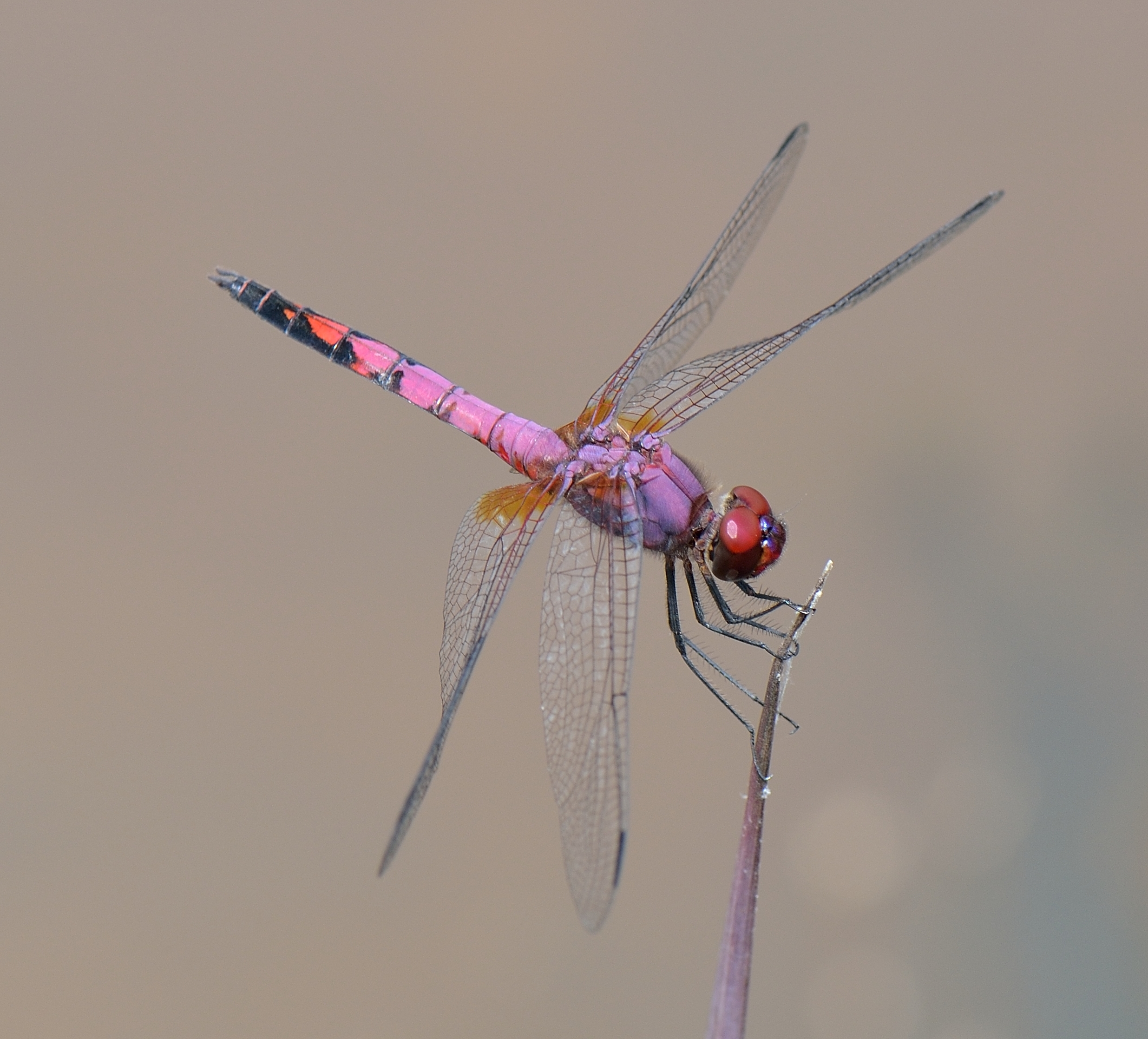
Superb Dropwing (Trithemis hartwigi) Image: Nico Meziere
Below is a video documenting KD’s fieldwork sampling dragonfly and damselfly populations in Upemba National Park, D.R. Congo.
You can see more photographs from the trip here
Read more about The Dragonflies and Damselflies of Eastern Africa and purchase online here
More information on Spesbona angusta from the IUCN Red List website
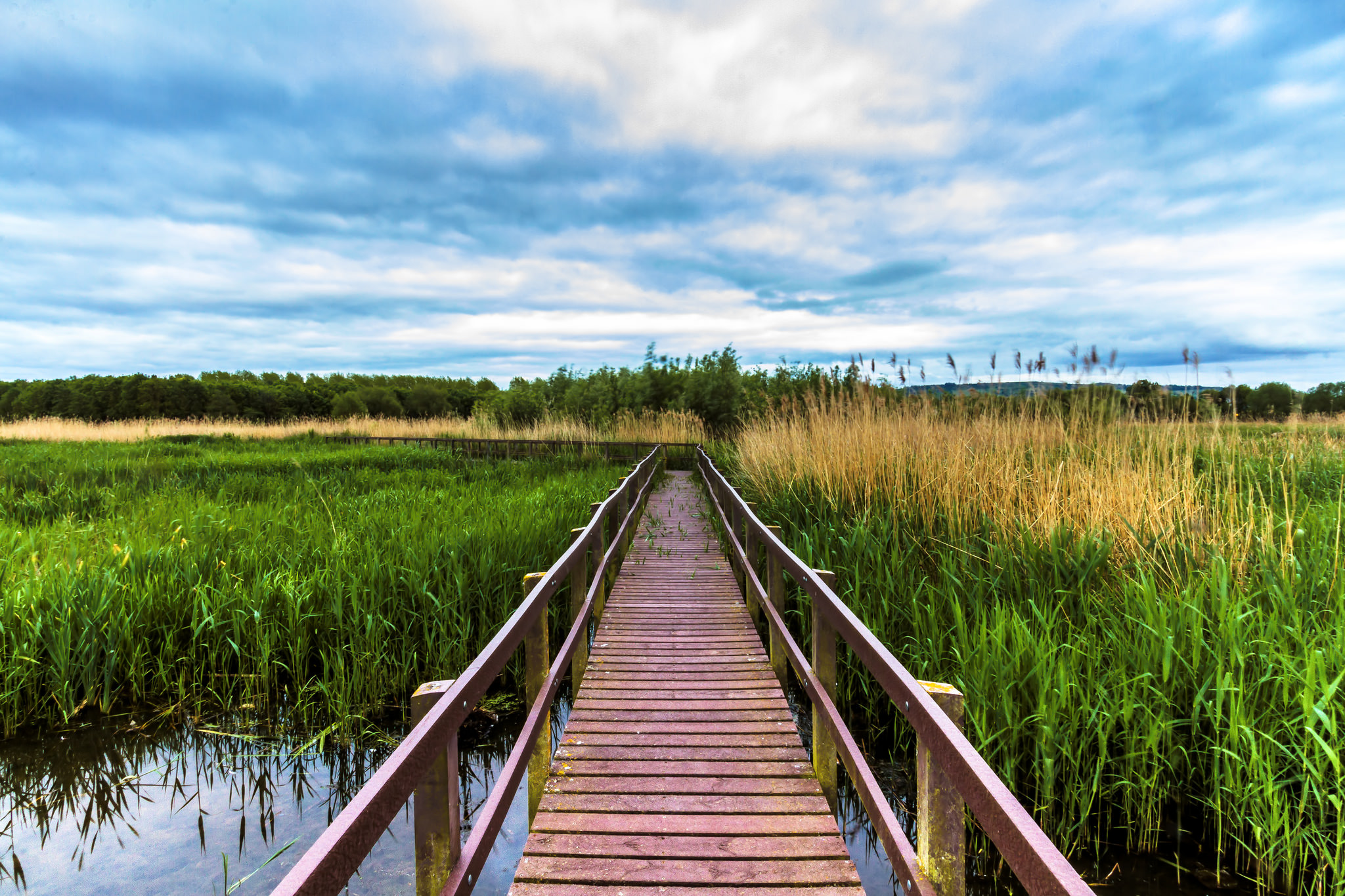
Avon Meadows Community Wetlands in Worcestershire, England have been created on the rural-urban fringe to encourage biodiversity, reduce flooding and improve water quality on the nearby River Avon. Image: Geoff Moore | Flickr | Creative Commons
Last week the European Environment Agency released their ‘State of Nature in the EU‘ report, which uses comprehensive data collected across the continent between 2008-2012 assess the status of and trends in biodiversity and natural habitats across Europe. Data on Europe’s species and habitats was collected by individual countries (or member states) as part of monitoring for the Birds Directive and the Habitat Directive – European environmental policies designed to help guide conservation, protected area management and environmental restoration across the continent (more information on these at the bottom of the post).
Hans Bruyninckx, the Executive Director of the European Environment Agency said, “This unique assessment is a first of its kind, building on extensive observation networks of experts and citizens alike. Despite some information gaps, it provides the most complete picture of Europe’s biodiversity to date. The results are mixed but clear. When implemented well, conservation measures work and improve the status of habitats and species on the ground. Such improvements remain limited and patchy, and unfortunately Europe’s biodiversity is still being eroded overall and the pressures continue”
The results of the study for freshwaters are largely unfavourable. Around half of the conservation status of river and lake habitats and species reported to the Habitats Directive are deemed ‘unfavourable-inadequate‘. It is worth noting that the habitats and species assessed by the Habitats Directive were already deemed rare, endangered or otherwise threatened. However, the picture is still not positive: around a third of these conservation statuses are in decline, suggesting that a significant proportion of Europe’s freshwater species and habitats face significant threats to their health and diversity.
Rivers and lakes were found to be most impacted by modifications to natural conditions (for example: river channel modification and fragmentation, water abstraction, draining of wetlands), water pollution and the impact of agriculture (e.g. fertiliser run-off). Changes to natural conditions were particularly damaging pressures for birds which live in freshwater habitats, presumably due to a reduction in available nesting and feeding sites.
Protected area designation was reported as the most popular conservation measure implemented by member states to mitigate the identified threats for both birds and wider habitats. For non-bird species – largely fish, invertebrates and amphibians – conservation measures were more diverse, including restoring hydrological regimes, legally protecting habitats and species, and improving water quality.
MARS project leader Daniel Hering commented on the findings, suggesting that whilst water quality in Europe is improving, any widespread improvements in freshwater biodiversity and habitat quality lag well behind:
“The negative assessment of river and lake conservation status is in line with the results of the Water Framework Directive monitoring. Both the assessment under the Habitats Directive and under the Water Framework Directive rate the status of lakes and rivers quite negatively.
The results are consistent but also quite surprising for many people who acknowledge the great improvement of water quality in recent decades. Strong pollution has vanished from European rivers and lakes – but biodiversity and ecosystem functions are still impoverished.
Freshwater ecosystems in most parts of Europe are still stressed, but the stressors are less visible than in former times. Eutrophication, pesticides, removal of riparian vegetation, water abstraction – all these stressors affect a large proportion of Europe’s waters. In former times the wastewater from households and industries were the main threat; nowadays, it is the way we practise agriculture.”
Read the State of Nature in the EU Report online
The Birds Directive and the Habitats Directive
The Birds Directive was set up in 1979, and aims to protect all wild birds with natural ranges inside Europe, and identifies 193 species which are in need of special conservation measures due variously to rarity, threat of extinction or loss of habitat. The Birds Directive also requires European member states to designate Special Protection Areas for the conservation of endangered bird species.
The Habitats Directive was set up in 1992 with the aim of ensuring the conservation of rare, threatened or endemic species of plants and animals across Europe. The Directive covers over 1,250 species and 233 habitat types across the continent, and requires member states to designate and manage Special Areas of Conservation and implement other management measures to restrict the taking, capturing or killing of important plant and animal species.
A new freshwater fish database for Spain

The Iberian Society of Ichthyology has recently launched the Freshwater Fish Database for Spain. Despite the large number of research and technical studies done on freshwater fishes on the Iberian Peninsula, the resulting data is highly dispersed and not available for public use, or for environmental management or research (a common problem for such data, as we wrote about for the Freshwater Information Platform launch recently)
In response to this difficulty in accessing data, the Society worked to compile information on Iberian freshwater fishes found in research centres, public administrations, and available on the internet in technical reports and scientific publications, among others. This ongoing work has created a database for general public use, a database for the use of environmental managers and an interactive web platform to facilitate access to this information.
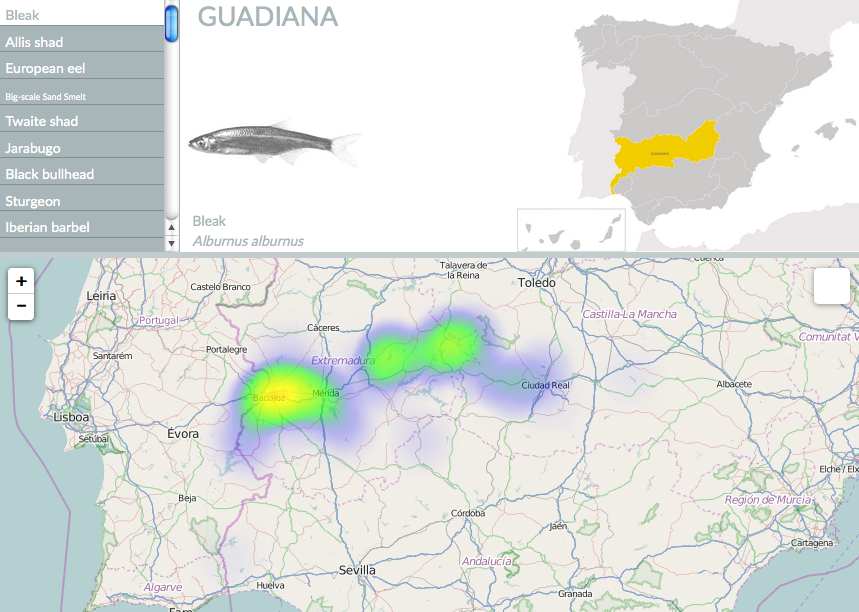
The databases integrate information about fish species abundance, habitats, historical evolution, population trends, major threats, conservation actions, human impact (pollution, water extraction among others) and fishing intensity.
Accurate information on species distribution is important in helping environmental managers develop monitoring plans and conservation strategies. Similarly, the historical information on species distribution will help in the scientific analysis of freshwater fish populations.
Read more on the database here
Contact project co-ordinator Filipe Ribero: cartapiscicola@sibic.org
This project was funded by the Fundacion da Biodiversidad, University of Navarra, Veso and SIBIC own funds.
Multiple stresses on freshwaters in the Upper Jordan Valley: new MARS research and collaboration

Dr. Armin Lorenz from the Aquatic Ecology group at the University of Duisburg-Essen demonstrates the multi-habitat sampling methodology. Image: Christian Feld
A group of researchers from the Aquatic Ecology group at the University of Duisburg-Essen, including MARS scientists Christian Feld and Daniel Hering, recently visited the Upper Jordan Valley in Israel as part of a trip funded by the German-Israeli Foundation for Scientific Research and Development to begin work on assessing the multiple stresses that impact the region’s freshwaters.
The visit aimed to kick-off a new research project in collaboration with Dr. Gideon Gal and his group at the Kinneret Limnological Laboratory in Migdal, Israel. Together with Yaron Hershkovitz, an Israeli guest scientist at the University of Duisburg-Essen, the team started to identify suitable sites for fieldwork to study the pressures acting on the upper reaches of the River Jordan, before it meets Lake Kinneret (otherwise known as the Sea of Galilea). The fieldwork, which will run until June, focus on the health and diversity of aquatic invertebrates such as insects and molluscs as indicator species for the wider health of the freshwater ecosystem in response to stresses like pollution and drought (see an earlier blog on indicator species in Israel).
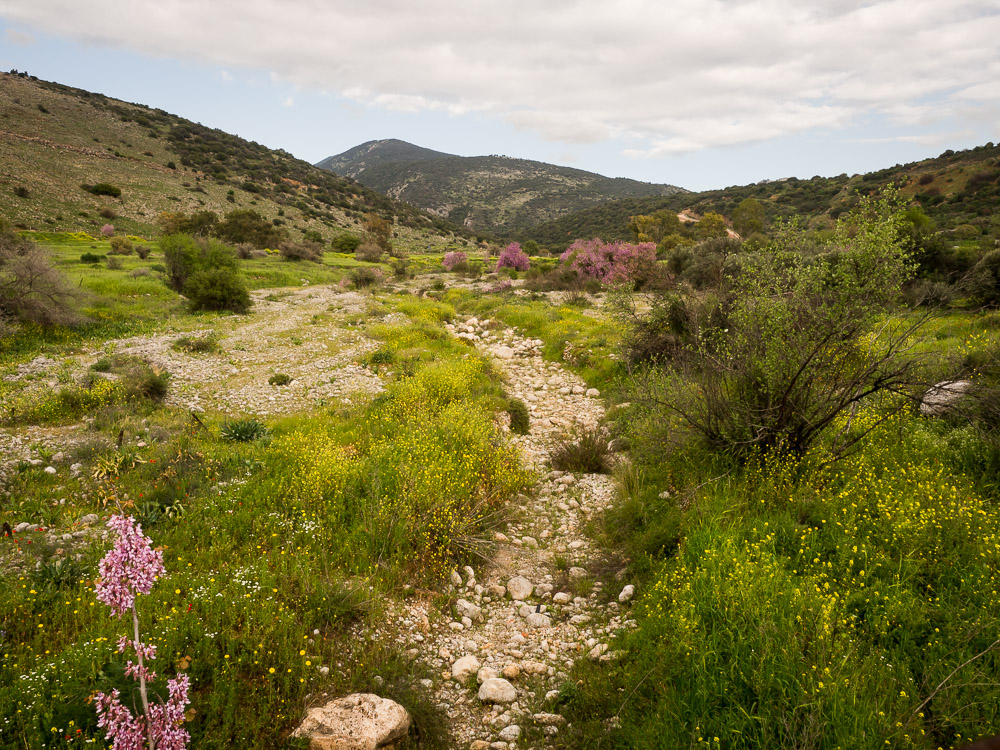
An intermittent stream, already dry during the field trip in March. Image: Christian Feld
One major challenge for the team was to identify streams in the Jordan catchment that would not dry up completely in the hot early summer months, and so contain enough water to allow their ecological sampling to go ahead (we’ve written before about intermittent and temporary rivers here). Once identified, these streams were split in a typology similar to that used in the Water Framework Directive by their geology (largely limestone and basalt) and size.
MARS researcher Christian Feld explains more about the fieldwork and its outcomes:
“The sampling campaign in May aims to collect macroinvertebrate communities from nearly 50 different streams. For the first time, we will apply a standardised monitoring scheme in order to ensure the comparability of the results. This procedure is alike those developed to implement the Water Framework Directive in Europe. This will open the opportunity for us to consult monitoring results from other Mediterranean countries that are Member States of the European Union.
This also offers the opportunity for MARS to collaborate with the German-Israeli Foundation project, as the monitoring data analysed in both projects are similar. Thus, the GIF project directly contributes a 17th case study to the existing 16 case studies of the MARS project. On the other hand, the GIF project can benefit from the modelling methodology developed in MARS to identify and predict the effects of multiple stressors on freshwater ecology.”
We will continue to follow the progress of the team’s research and collaborations in Israel and update you with their results.
A selection of Christian’s fascinating photographs from the fieldtrip are below.

A potential study stream in the Upper Jordan Valley. Image: Christian Feld
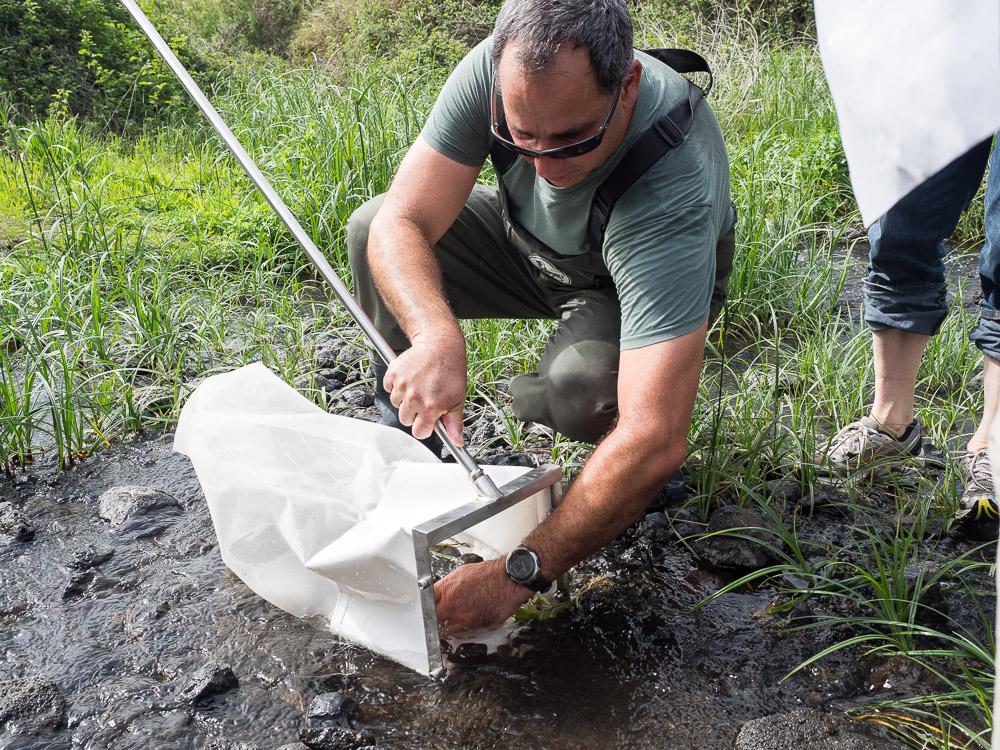
Nir Koren from the Lake Kinneret Laboratory takes a multi-habitat sample. Image: Christian Feld
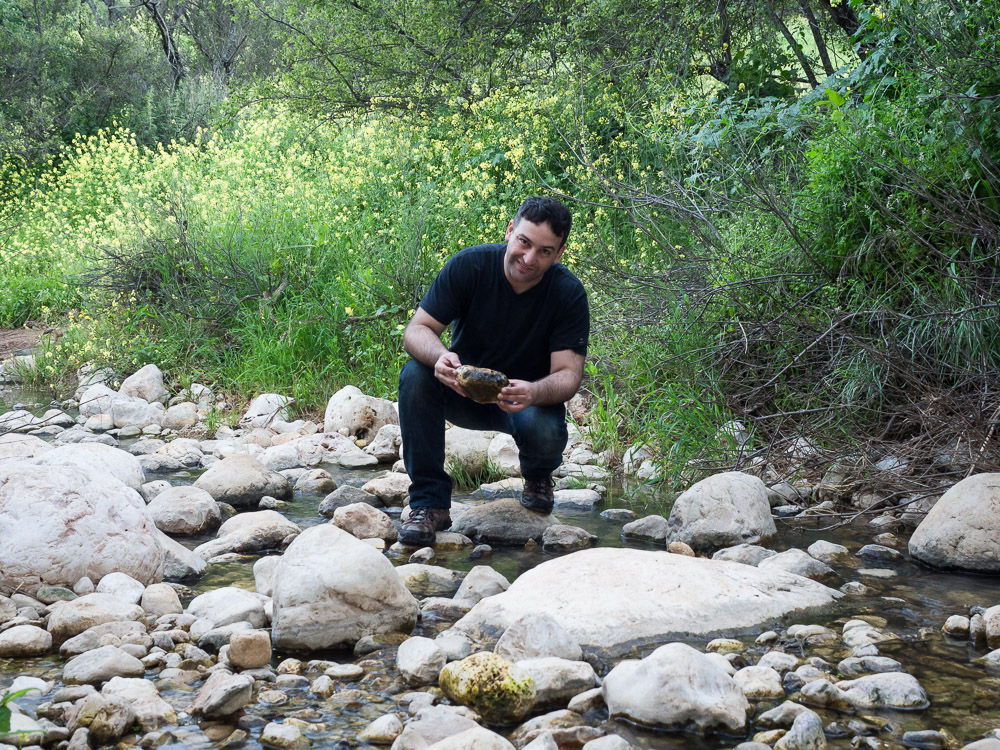
Dr. Yaron Hershkovitz from Tel-Aviv University coordinates and conducts the field work in the project. Image: Christian Feld
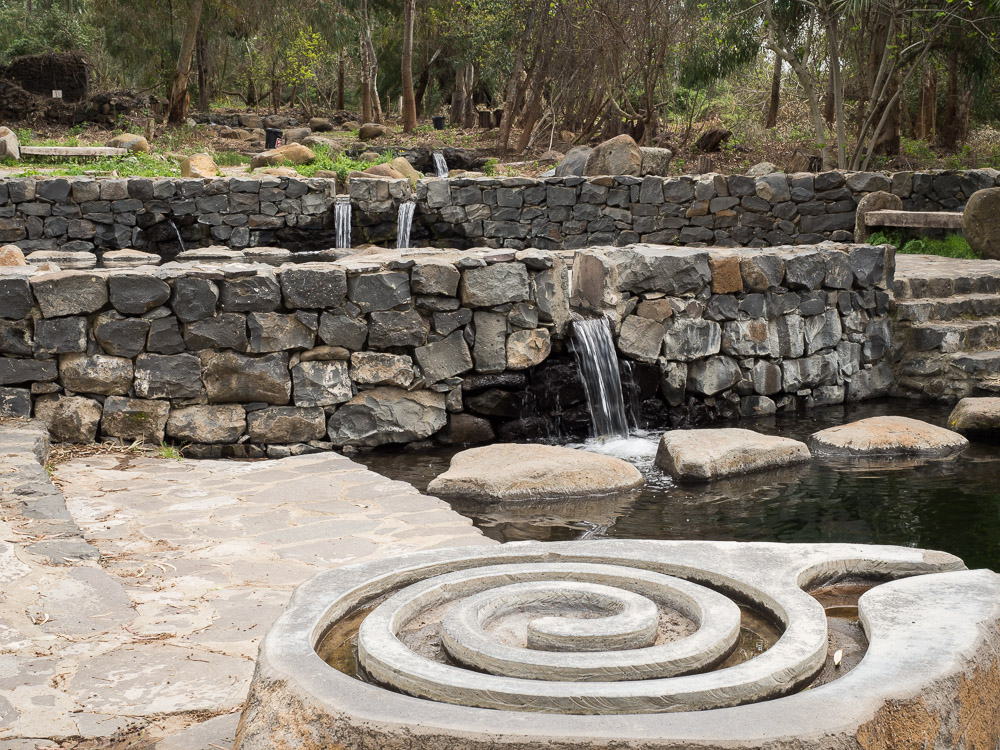
Freshwater resources that are vital to the Jordan Valley and its human and non-human inhabitants are under increasing pressures. Image: Christian Feld
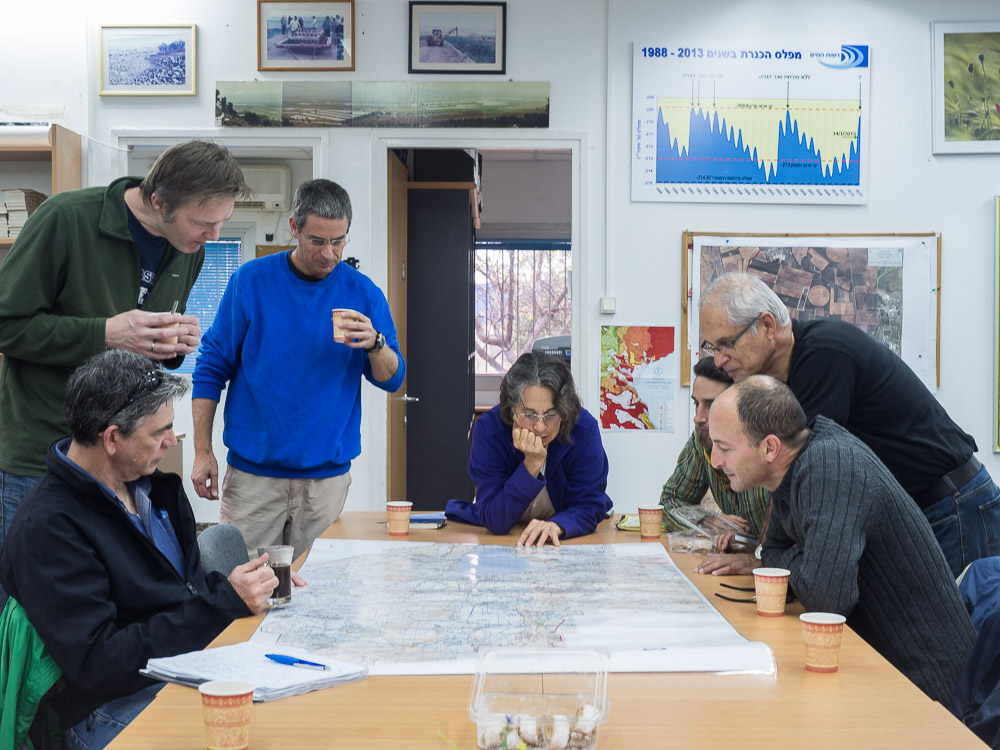
Site selection always starts with thoughtful map-work… Image: Christian Feld
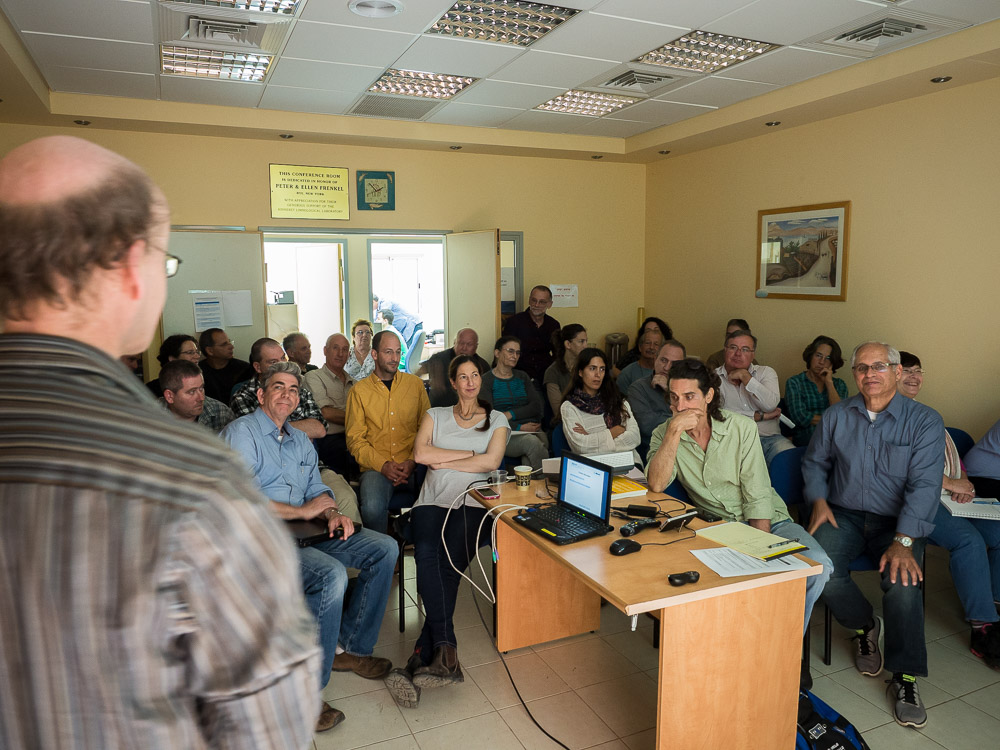
A symposium was held at Kinneret Limnological Laboratory (KLL), to inform a wider group of scientists, and environmental and water managers about the project. Image: Christian Feld
Project funding:
The GIF project (“Ecological status and ecosystem services of the Lake Kinneret catchment: setting the scene for the management of a multi-stressed region.”) is funded by the German-Israeli Foundation for Scientific Research and Development, contract No. G-1272-203.13/2014.
The MARS project (Managing Aquatic ecosystems and water resources under multiple stress) is funded by the European Union under the 7th Framework Programme, contract no. 603378.
The Freshwater Information Platform is launched

Human-driven environmental pressures such as water pollution, intense land-use and climate change are increasingly threatening the health and diversity of European freshwater ecosystems. Over recent years, many European Union funded research projects have investigated the causes of these pressures and their effects on rivers, lakes and wetlands, and developed appropriate conservation and rehabilitation strategies. However, the scientific data generated by these projects is often difficult for water managers, policy makers, scientific communities and the general public to access from a huge number of scientific papers and research project websites.
In order to make this detailed and wide-ranging knowledge of freshwater ecosystems accessible to all, four European research institutes in Austria, Belgium and Germany have joined forces to launch the Freshwater Information Platform, an interactive website integrating results and original data stemming from finished, ongoing, and future freshwater research projects.
MARS scientist Astrid Schmidt-Kloiber from BOKU in Vienna outlined the potential of the Freshwater Information Platform as a valuable tool for conservation, stating that, “Freshwater environments are subject to numerous damaging pressures leading to a significant threat to their biodiversity. The Freshwater Information Platform helps freshwater scientists to overcome the challenging task to find scattered research resources, by pooling relevant information in one single place. This will help improve the understanding of freshwaters and provide a stronger voice for their conservation.”
The Freshwater Information Platform offers a forum for information exchange and open-access publishing of maps and data, and aims to stimulate cutting-edge research and collaborations in the field. The Platform provides a unique and comprehensive knowledge base for sustainable and evidence-based management of our threatened freshwater ecosystems and the resources they provide.
For Daniel Hering, leader of the MARS project at UDE in Germany, high-quality data is key: “The efficiency of freshwater ecosystem protection and restoration is largely driven by the quality of scientific data that it relies on. The identification of sensitive areas and species, the development of restoration measures and the prediction of climate change effects: all are complex scientific tasks requiring high-quality data. The Freshwater Information Platform is an extremely valuable resource in providing the evidence needed to guide successful and sustainable freshwater management and policy.”
Aaike De Wever from RBINS in Belgium echoes this sentiment, encouraging freshwater scientists to get involved, to share their data and to potentially spark new collaborations: “Through the Freshwater Biodiversity Data Portal – integrated in the Freshwater Information Platform – we encourage scientists to publish their data on species observations online. By bringing together a large number of freshwater datasets we want to support large-scale environmental analyses and modelling, which improves our understanding and capacity to manage freshwater environments.”
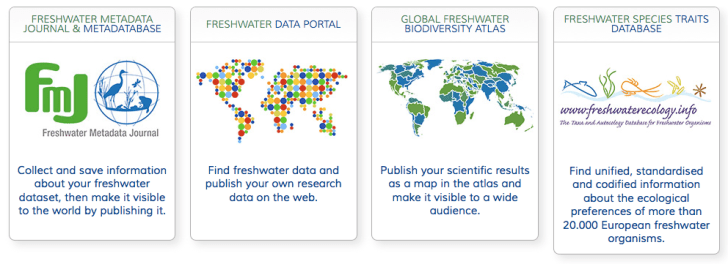
The Platform contains several complementary sections, either providing access to original data or summarising research results in an easily digestible way. All sections are composed as ‘living documents’ that will be continuously improved and updated.
The Freshwater Biodiversity Data Portal provides access to data on the distribution of freshwater organisms (such as fishes, insects and algae), both in Europe and worldwide, whilst the Global Freshwater Biodiversity Atlas provides a series of maps on freshwater biodiversity richness, threats to freshwaters (or ‘stressors’) and the effects of global change on freshwater ecosystems.
The Freshwater Species Traits Database integrates the knowledge on the ecology of around 20,000 species inhabiting European freshwater ecosystems, including information about where species live, what they feed on or how tolerant they are to pollution.
The Freshwater Metadata section provides an overview of hundreds of major data sources related to freshwater research and management and offers the option to publish such data in the Freshwater Metadata Journal. The Freshwater Information Platform also provides a collection of research tools, information about freshwater-related policies and relevant European and global networks relating to freshwater science and policy. In short, it provides an invaluable tool for anyone wanting to do freshwater research, conservation or policy.
Finally, this blog – publishing features, research highlights, interviews and podcasts on freshwater science, policy and conservation – is the final piece in the FIP jigsaw, helping communicate a variety of important research.
The last word on the Freshwater Information Platform comes from former BioFresh leader Klement Tockner at IGB in Germany: “We are fundamentally and in most cases irreversibly altering how the natural world functions. The consequences for the natural systems on which we depend are such that they may threaten our own survival. The Freshwater Information Platform provides a shared research infrastructure of global relevance that facilitates tracing the multifaceted consequences of accelerating environmental change for freshwater resources and biodiversity.”

You can access and explore the Freshwater Information Platform here.
Contributing institutions:
University of Natural Resources and Life Sciences (Vienna, Austria), BOKU
University of Duisburg-Essen, Aquatic Ecology (Germany), UDE
Leibniz-Institute of Freshwater Ecology and Inland Fisheries (Berlin, Germany), IGB
Royal Belgian Institute of Natural Sciences (Brussels, Belgium), RBINS









 The Freshwater Blog
