Shaping the Future of UK Upland Environments
Upland communities of people, plants and animals that live on the UK’s high hills, lakes, rivers and moors are under increasing pressure. Whilst uplands form a large proportion of the UK’s land area (around 40%), they are often challenging places for communities – both humans and non-humans – to survive.
A lack of rural jobs coupled with the dwindling profitability of agricultural practices in many upland areas of the UK has put strain upon traditional communities. Upland areas are on the leading-edge of climate change in the UK, as the climate niches in which communities of plants and animals – many of them rare or endemic – live are moved slowly upwards in altitude until potentially little or no suitable habitat remains.
For example, upland peat bogs – a crucial store of carbon and regulator of water flows in the landscape – require cool, wet conditions to regenerate. Studies such as this 2013 report led by Professor Colin Prentice of Imperial College London suggest that future climatic change in the UK is likely to cause peat bogs to shrink – which when coupled with human degradation of peat bog landscapes through overgrazing and cutting is likely to have widespread effects on the ecological health of the wider upland environment.
As the figure below shows, upland landscapes provide a range of important ecosystem services to humans and support unique assemblages of plants and animals, making their ongoing sustainable use and management a key issue.

A new report led by the DURESS Project based at Cardiff University in Wales assesses the potential impacts of four different upland land-use scenarios on UK upland communities towards 2050. Funded by the Biodiversity and Ecosystem Sustainability (BESS) programme of the Natural Environment Research Council, the report assesses the consequences of four possible scenarios for UK upland landscapes over the next 35 years: Agricultural Intensification; Managed Ecosystems; Business as Usual; and Abandonment.
The scenarios were developed through analysis of the drivers of environmental change, both local (e.g. food markets, farming practices and hydro-schemes) and global (e.g. climate change, global food and timber markets and EU environmental policy), and the probabilities for their different paths of development over the next 35 years. These projected scenarios were supported by a process of ‘backcasting‘ in which historical environmental changes to the uplands since 1945 were analysed.

Each of the four projected scenarios has different environmental drivers and outcomes. The Agricultural Intensification scenario is projected to occur if global food security forces UK policy makers to focus on production, making hill farming an important contributor to the national livestock industry and limiting environmental protection to comply with the demands of the market. Here, riparian zones along rivers are likely to be removed to create more grazing land, alongside an increased input of fertilisers, chemicals and pesticides into upland rivers: creating new cocktails of multiple stress on aquatic life.
The Business as Usual scenario is projected where UK environmental policy aims to balance the aims of agricultural productivity and environmental protection. Here, upland farming does not contribute to UK food security, and environmental protection is based on a limited amount to small areas of land such as national parks and protected areas, areas with high tourism value, or areas requiring specific protection to meet regulations. Agri-environmental schemes are likely to help improve the health and diversity of upland rivers, but there will be difficulties in creating connected, landscape-scale environmental management schemes.

The Managed Ecosystem scenario is projected where carbon and biodiversity management becomes the dominant management paradigm in upland landscapes and environmental policy is focused on restoring peatlands, and expanding wetlands and woodland to regulate soil carbon loss and increase biodiversity. Whilst reliance on overseas areas for provisioning services (fuel, fibre and food) may increase, upland ecosystems will benefit from reductions in livestock grazing pressures and reduced erosion and pollution.
Finally, under the Abandonment scenario, existing upland policies become too costly to implement because of competition for public funds for other priorities and the lack of viable markets for products and services. The sustainability of farming enterprises decreases due to the loss of familial farm succession and poor uptake of new technology and practices. Declines in farming activity and upland livelihood opportunities leads to eventual agricultural abandonment. With grazing pressure removed, it is likely that upland ecosystems will undergo a process of ‘rewilding‘ to greater ecological health and diversity. (although as many recent studies have shown, the tangents of such environmental change are likely to be complex and difficult to predict).
DURESS is a project focused on promoting diversity in upland rivers as a means of improving their ecosystem service sustainability (watch their new Shaping Our Future film above). As such, river ecosystems are placed at the centre of the projected scenarios in the report, as a means of informing environmental managers on upland decision making. For each scenario, maps are created to show where land cover change would occur, the magnitude of this change, and its likelihood.
Rather than offering firm recommendations, the new Upland Scenarios report is framed as a ‘stock-take’ of ongoing DURESS research, part of which will inform the MARS catchment modelling work. It suggests that UK upland economies – particularly farming – are fragile and heavily dependent on national and European subsidies to continue. As such, the report ends with the question of whether rural economies can be managed by UK government policy to promote ecosystem services such as water resources, flood management, carbon sequestration, renewable energy and biodiversity. Balancing such environmental goals with issues of dwindling and aging rural populations, fragile economies and ecosystems gradually affected by climate change is likely to pose significant future challenges for UK policy makers and environmental managers.
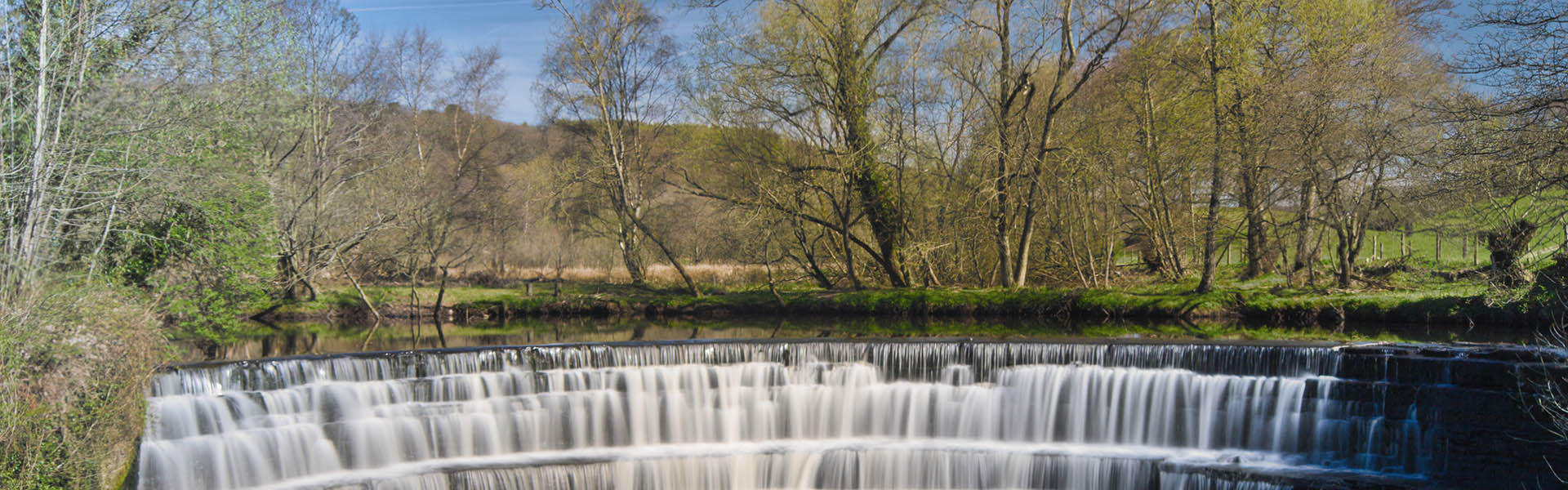
A human-made weir on a UK river. Image: River Obstacles
Flows of water in rivers and streams across the UK are diverted over, under, through and around many different obstacles. Some of these are formed naturally – for example waterfalls – whilst others are human-constructed, such as dams, sluices and weirs.
As we’ve discussed in a number of posts (here and here, for example), whilst such human-made obstacles can have societal benefits (such as hydropower generation), they often have negative ecological effects: fragmenting fish migration routes, causing bank erosion, changing habitats and altering water and sediment flows.
 An innovative new smartphone app has recently been released to allow members of the public to log the location and type of river obstacles – both natural and human-made – in UK rivers. River Obstacles has been jointly developed by the Scottish Environment Protection Agency (SEPA), the Rivers and Fisheries Trust for Scotland (RAFTS), the Environment Agency (EA) and the Nature Locator team.
The free River Obstacles app allows river users such as anglers, canoeists and walkers to log the details and submit photographs of obstacles such as dams and weirs. The data from these ‘citizen hydrology’ submissions will help map obstacles in regions where there is currently very little information (such as in remote areas), or where obstacles have recently been built or damaged.
The crowdsourced data submitted through the app will allow environmental managers and policy makers to identify redundant human-made obstacles that can be removed from rivers, and prioritise improvements to other obstacles that will yield significant environmental improvements. Information on natural obstacles will also be used to determine the natural limits to movement for different species of fish.
Environmental data submitted by members of the public has been growing in popularity over the last five years or so in the ‘citizen science’ movement (see our interview with Helen Roy from the Centre for Ecology and Hydrology on the subject).
Public sourced information on the natural world – increasingly facilitated by advances in mobile technology – has a number of potential benefits: for example, creating data for areas where scientists may not have sampled and engaging members of the public with processes of environmental monitoring and management (see another, older post on the subject from back in 2010).
This is the first time we’ve seen this technology used to crowdsource hydrological data, making River Obstacles an innovative and interesting initiative. We’ll keep you updated with its results.
River Obstacles
Download for iPhone and Android
Using microscopic fungi to understand the impact of dams on rivers
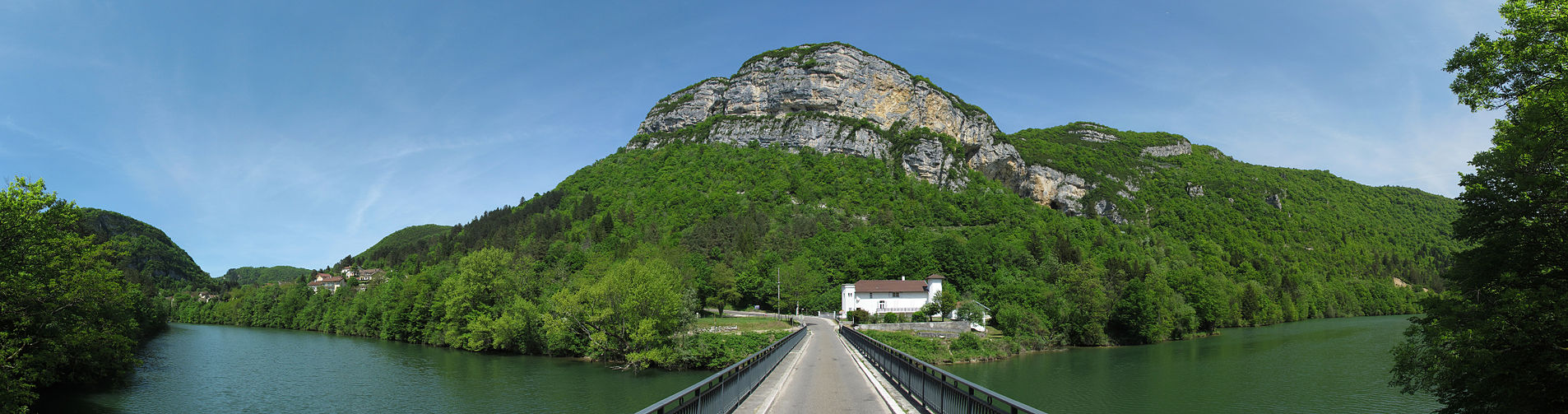
The River Bienne in the Jura Mountains, Eastern France: the region in which this study was undertaken. Image: KlausFoehl | Wikipedia
Dam construction often causes a range of stresses to the health of river ecosystems and the biodiversity they support. Despite their value to humans in terms of drinking water supply or hydropower generation, dams can change the course, speed and amount of water that flows in a river. As such, dams can exacerbate droughts and flashy floods (see, for example). Dams can also fragment migration routes for fish such as salmon and sea trout, and alter nutrient and sediment flows along the course of a river.
However, the ways in which the multiple stresses caused by dams interact and impact river ecosystems is still not fully understood. In particular, understanding the ways that dam construction affects the functioning of an ecosystem (i.e. all the processes that take place to maintain the health and diversity and the services it provides) is of particular interest to freshwater scientists. What is needed are bioindicators that scientists can use to identify both early (i.e. detecting first signs of alteration) and predictive (i.e. identifying effects on ecosystem functioning and provision of ecosystem services) impacts of ecosystem change as a result of human activity.
In this context, a new study by Fanny Colas from the University of Toulouse and colleagues examines the value of fungal growth from leaf litter breakdown as a bioindicator for changes in ecosystem function in response to multiple stresses from dams. Leaf litter breakdown is a good indicator of ecosystem functioning: partly because it is a key process in rivers and streams, releasing nutrients through food webs; and partly because it is well-studied and understood by scientists.
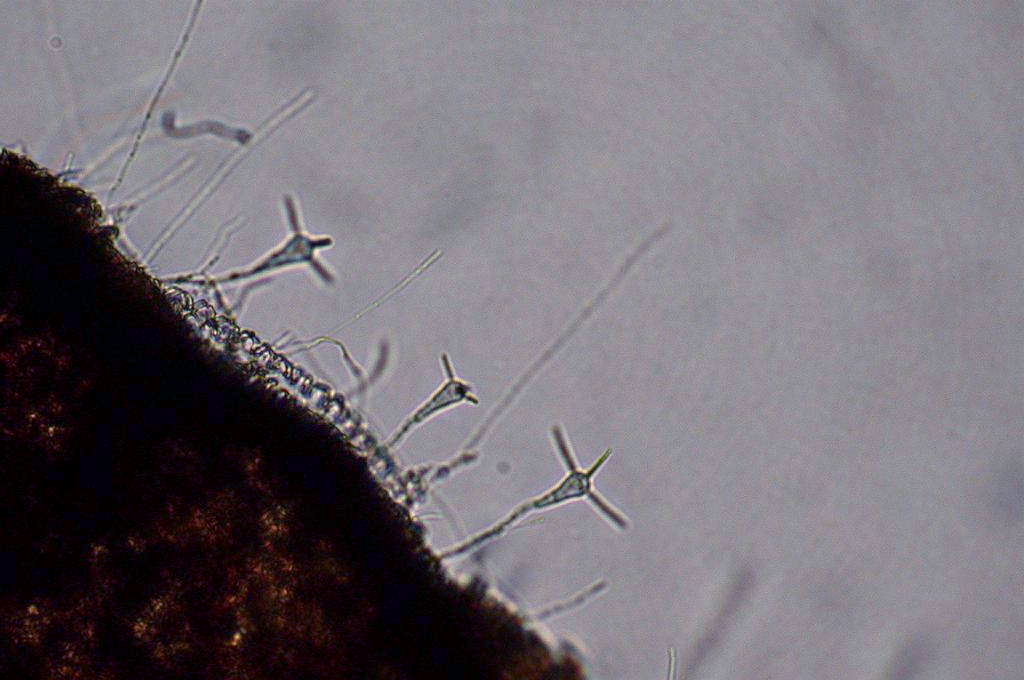
Microscopic image of Clavariopsis aquatica, an aquatic hyphomycete which breaks down leaf litter. Image: Wikipedia
Leaves that falls into streams and rivers are generally broken down by two types of organisms: microorganisms such as fungi; and aquatic invertebrates. In this study, the team led by Dr Colas focused on a group of fungi called hyphomycetes, which are early colonisers of leaf litter. Hyphomycetes cause the initial breakdown of leaf litter, which in turn makes it more palatable and nutritionally valuable to aquatic invertebrates. So, changes in the growth and activity of fungal hyphomycetes could lead to altered leaf litter breakdown, and changes to the resulting flows of energy and nutrients through the ecosystem.
Publishing in Ecological Indicators, the team investigated the effects of small ‘run of the river‘ dams (lower than 15 metres) on fungal richness and biomass on decaying leaves both above and downstream of the dam wall. They conducted field sampling on dams at nine sites in Eastern France alongside laboratory experiments to assess the response of microbes associated with decaying leaf litter to multiple stressors resulting from dams, and the consequences for the health and functioning of the wider river ecosystem. In the European Union such small dams are not fully addressed by the Water Framework Directive, yet there are many of them: more than 76, 292 small ‘run-of-river’ dams have been identified in France alone by the French National Agency for Water and Aquatic Environments.
The team found that the presence of a small dam reduced the biomass of fungi, both in the upstream reservoir and downstream river. This is thought to be because dam construction restricts the downstream flows of leaf litter, sediment and other detrital resources, and alters the communities of aquatic insects and microorganisms involved in leaf litter breakdown. Interestingly, they also observed a significant decrease in fungal biomass downstream of reservoirs with sediments contaminated by metal pollutants.
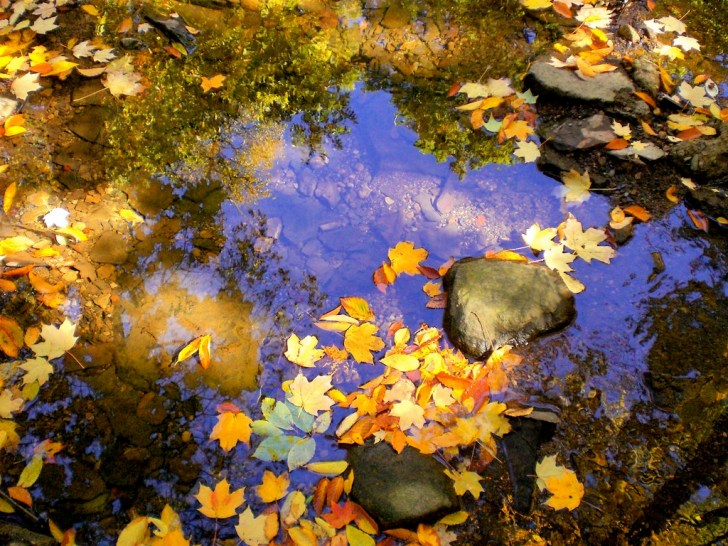
Decomposing leaves are an important source of nutrients and energy to river ecosystems. Image: Wikipedia
Reductions in hyphomycete fungi are likely to have implications for higher trophic levels in freshwater ecosystems, by modifying the effectiveness of both fungi and leaf-shredding invertebrates in processing leaf litter. As such, the authors term describe how reduced fungal growth can have negative ‘cascading effects’ on the wider ecosystem.
Delayed or reduced leaf breakdown is likely to lead to the accumulation of non-rotted organic material in reservoirs above dam walls, reducing water quality and the amount of nutrient and carbon available. It is important, therefore to note that the functioning of the reservoir ecosystem has consequences for the water quality, health and function of downstream ecosystems.
Colas and colleagues’ study highlights the sensitivity of the hyphomycete fungi to the multiple stressors associated with dams and reservoirs. They conclude that fungal indicators could enable scientists to predict changes in ecosystem functioning because of their positive relationships with the effectiveness of fungi and leaf-shredding insects in breaking down leaf litter. These relationships may also be used by environmental managers seeking to understand the vulnerability of ecosystems to the multiple stressors caused by dam construction.
In short, their study suggests an intriguing possibility: that by studying tiny fungal microorganisms, scientists might be able to better understand – and even predict – the ecological effects of large dam engineering projects that fundamentally change the nature of rivers.
The Invisible World: a new film exploring UK freshwater life
The Salmon and Trout Conservation UK charity has this week announced the outcome of its £2,000 “Invisible World’ filmmaking competition. Scottish filmmaker Andrew O’Donnell’s entry was judged the winner by a panel including award-winning wildlife film-makers Hugh Miles, Paul Reddish and Charlie Hamilton James, television personality Matthew Wright and Salmon and Trout Conservation CEO Paul Knight.
The Invisible World competition was launched back in February, to encourage filmmakers to create work that engaged with the invisible beauty and diversity of freshwater ecosystems, and the similarly often unseen threats that they face. Hugh Miles explained why O’Donnell’s film (also titled The Invisible World) came out on top, “It is the most imaginative interpretation of the subject and says all the right things about water. It succeeds really well in linking ‘our’ world with the ‘invisible’, so bravo for the great effort and hard work that went into this production.”
O’Donnell’s film has a sparkling clarity about it, and the aquatic environments he filmed – both above and below the surface – are captured in sharp, perceptive focus. The making of his prize-winning entry was a long and (quite literally) immersive process: “I initially noticed the competition on S&TC UK’s website, whilst doing some research for another project. It appealed to me instantly as I’m very passionate about all the elements of the brief – the beauty, wildlife and threats to the UK’s freshwater environments.”
“The film took around 8 months to make and I travelled all over the UK filming it. My wetsuit was put to use a lot more than usual! I wanted it to show how much people rely on our freshwater environments. We all use them in one way or another. It’s not just people who are involved in aquatic based activities who should be protecting these environments. It’s everyone!”
More information on the Invisible World film
Salmon and Trout Conservation UK
Free the Snake: Restoring America’s Greatest Salmon River
Free the Snake is a short film about the restoration of the Snake River in Washington State, USA. Featuring interviews with Professor David Montgomery from the University of Washington, Bruce Babbitt, former Secretary of the Interior and novelist David James Duncan, the film focuses on the ecological and hydrological impacts of four major dams along the river.
In particular, the dams fragment migration routes of Pacific salmon upstream to spawning grounds, with damaging consequences for the health and size of their populations. But, all hope is not lost. When discussing the possibility of dam removal, David Montgomery suggests that, “The beautiful thing about salmon, if you look at their history, is that they’re resilient. If you give them half a chance then they can come back.”
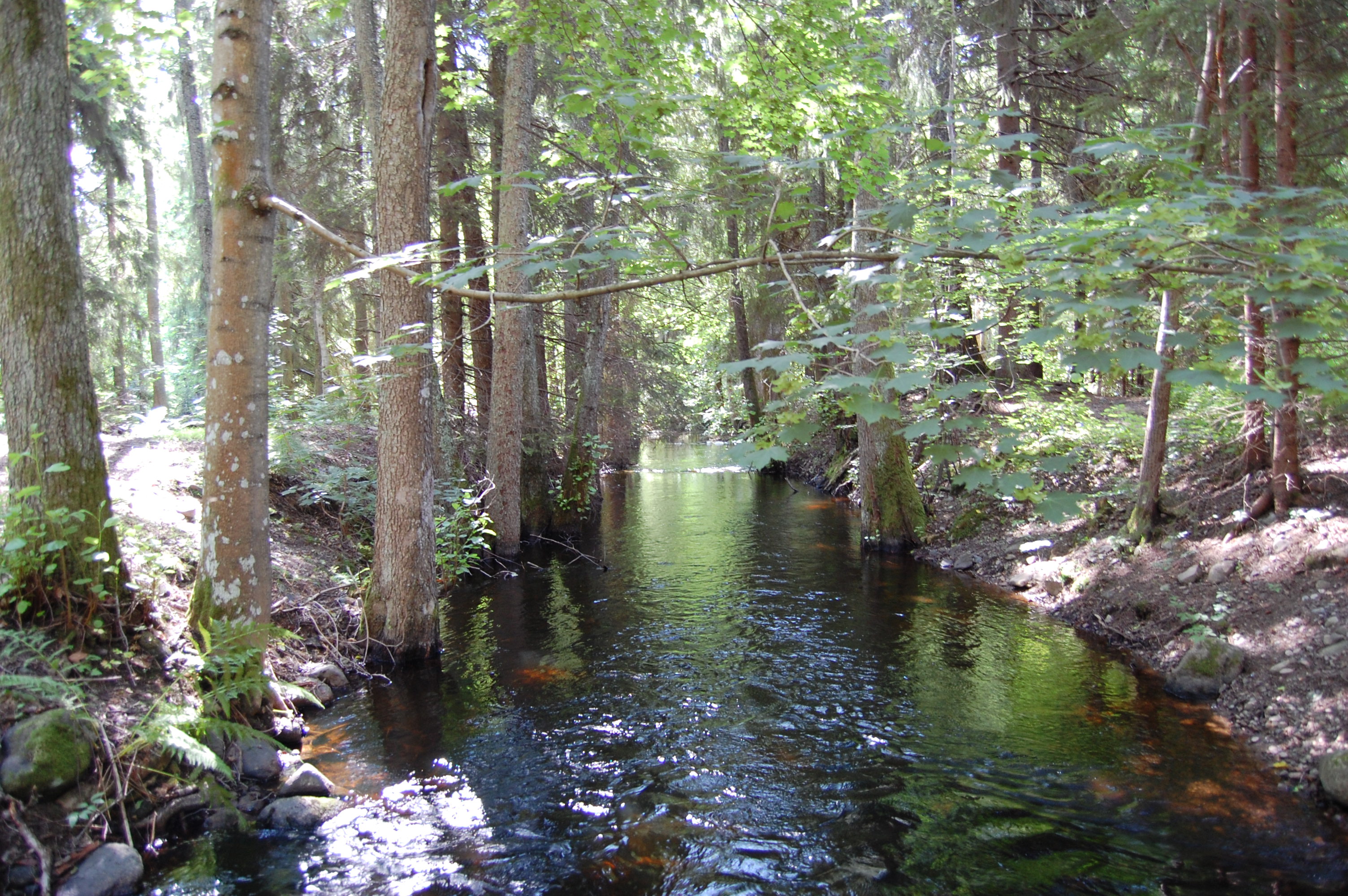
The Emån River in Southern Sweden, one of the sampled rivers. Image: Wikipedia
We live in an age of widespread ecological restoration, in which centuries of human impacts on the environment are being addressed, under guiding principles such as rewilding, biodiversity conservation and ecosystem service provision. Restoration projects are particularly common on rivers and streams, partly because these ecosystems have often been particularly impacted by pollution, fragmentation and so on; but also because restoration approaches such as weir removal, ‘daylighting’ and riparian zone planting have become widely adopted. However, despite the increasing number of river restoration projects implemented across the world, there is still sparse scientific evidence on the long-term effects of such projects, and the factors affecting their success or failure.
A new study by MARS project leader Daniel Hering and colleagues addresses this shortfall in knowledge by studying the effects of the restoration of river hydromorphology on aquatic habitats and biodiversity. Hydromorphology is the term used to bring together the interactions of hydrology (e.g. water flows), geomorphology (e.g. bedrock) and ecology (e.g. plant and animal communities) in river or stream. Hydromorphological processes include the formation of meanders, riffles and pools: all of which contribute to a diverse set of habitat niches for freshwater life.
As reports such as the 2012 European Environment Agency ‘European Waters: assessment of status and pressures‘ outline, there is increasing evidence that river hydromorphology often has a strong impact on the health and diversity of aquatic ecosystems. However, projects which restore river hydromorphology often have limited effects on freshwater biodiversity. One common explanation for this effect is that river restoration often takes place over short sections of river, which are insufficient to allow ecological communities to develop, and geomorphological processes to take place.
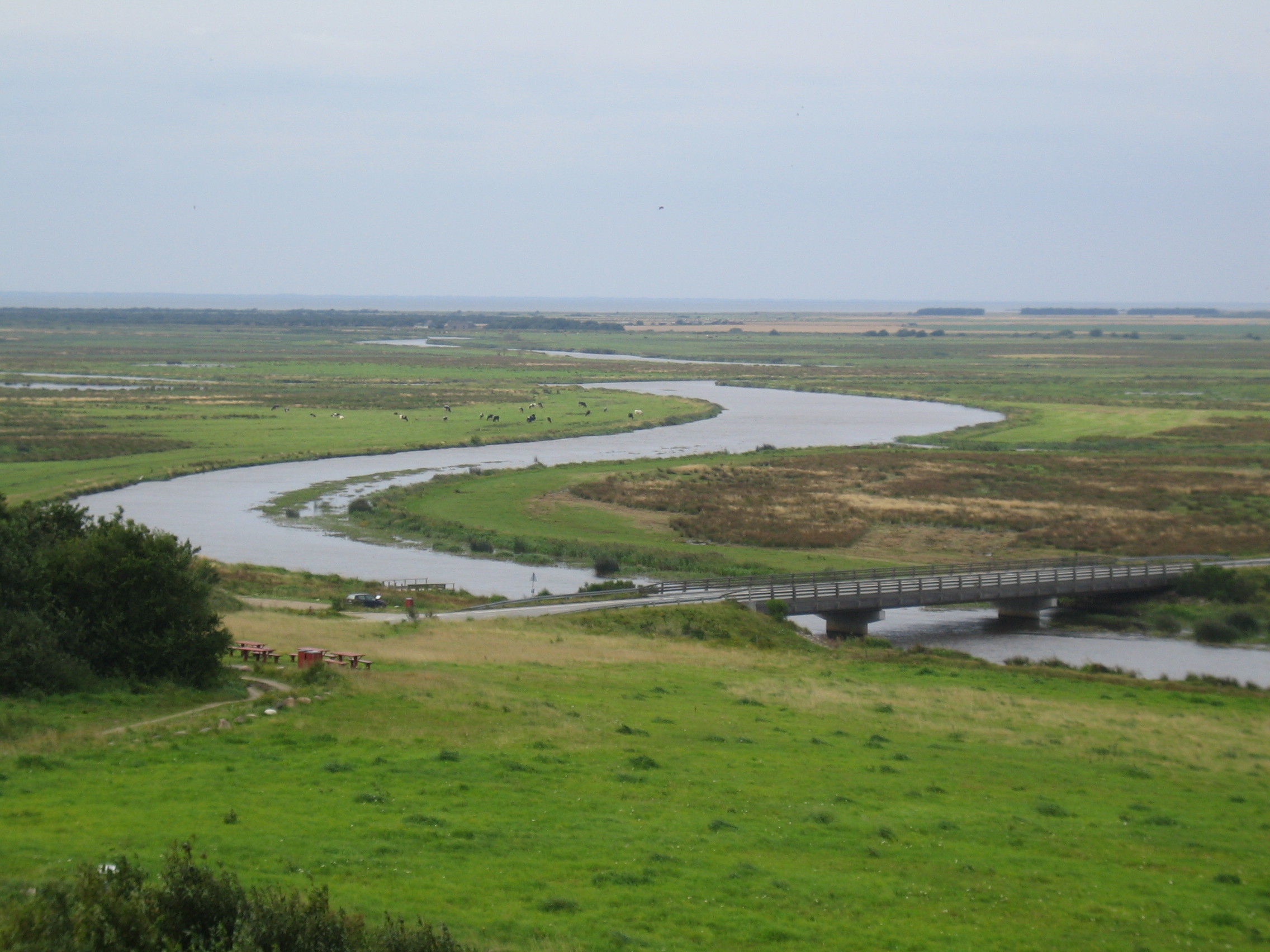
The River Skjern, the largest river in Denmark, and another sampling site. Image: Wikipedia
To investigate this phenomenon, Hering and colleagues undertook experiments on rivers in ten regions across Northern Europe, as part of the EU REFORM project. For each region, they studied the impacts of two restoration projects: one on a short section of river; one on a longer section. At each section of restored river, the team sampled habitat composition in the river and its floodplain, three aquatic organism groups (aquatic plants, insects and fish), two floodplain-inhabiting organism groups (floodplain vegetation, ground beetles), and food web composition and land–water interactions. These findings were then compared to samples taken upstream at non-restored sections of river of roughly equal length.
After accounting for regional variations in river size and restoration approaches, the team, publishing in the Journal of Applied Ecology, found that the length of the restored river made no significant difference to its ecological health and diversity, as sampled by the range of indicators above. Instead, they found that what mattered was the substrate composition of the river bed: in other words, the aquatic habitat it provides for organisms.
Where habitat had been created in restoration, populations of fish, aquatic insects, aquatic plants and floodplain vegetation increased, regardless of the length of the restored river section. Substrate habitat restoration might include measures such as increasing the number of boulders or presence of wood (for example tree trunks) to diversify water flows and depths, and habitat niches for different aquatic organisms.
Whilst in-stream habitat restoration was important for aquatic biodiversity, restoration projects also had pronounced impacts on floodplain ecology. The authors suggest that this is because hydromorphological restoration, even at relatively small scales, tends to create habitat types close to the river bank (such as gravel and sand bars), which are often completely lacking in degraded sites. Such habitat types are rapidly colonized by ground beetles and, to a lesser degree, by specialised floodplain vegetation. Both organism groups have comparatively high dispersal abilities and are less affected by barriers such as weirs when compared to aquatic organism groups.
Overall, the study suggests that the ecological success of river restoration for aquatic organisms doesn’t depend on the length of restored river, but rather the quality and diversity of habitats on the river’s bed. However, for floodplain organisms, relatively small-scale restoration projects may yield significant positive effects.
Ecological surprises: why multiple stressors in freshwaters may cancel each other out

Algal blooms in the Lake of Menteith, Scotland. Image: Dr Richard Murray | Creative Commons
Stressors are environmental changes that place stress on the health and functioning of an ecosystem. There is increasing evidence – largely from marine environments – that multiple stressors may interact to produce unexpected effects on aquatic ecosystems. However, there is a pressing need to better understand the ‘ecological surprises’ caused by multiple stressors in freshwater ecosystems (a point made in papers by MARS scientists Steve Ormerod in 2010 and Daniel Hering and colleagues in 2015).
Existing scientific literature from marine environments show that multiple stressors can have effects that are greater than the sum of those caused by individual stressors. This ‘synergistic’ interaction poses important questions for environmental managers and policy makers. In short, it is difficult enough to manage individual stressors such as pollution, habitat destruction and overfishing, without the unexpected and, as yet, largely unpredictable interactions and effects these stressors might have.
In the light of this uncertainty, a team of researchers from the University of Pretoria in South Africa and the University of Alberta in Canada analysed data from 88 existing scientific studies that show the responses of freshwater ecosystems to pairs of stressors. The team, led by Michelle Jackson from the University of Pretoria, brought together the findings of these studies to investigate the characteristics and effects of different stressor interactions; and the extent to which interactions vary between different stressor pairs and response measurements.
Freshwater stressors may cancel each other out
Recently published in Global Change Biology, the team’s findings are perhaps surprising, at least initially: the environmental effects caused by pairs of stressors in freshwater was most often less than the sum of their single effects. This is known as an antagonistic interaction, where two or more stressors interact to cancel out some or all of their individual effects.
Across the 88 surveyed studies, stressors included acidification, increased water temperatures, ultraviolet radiation, contamination, nutrification, habitat alteration and invasive species. Antagonistic interactions were found in the majority (41%) of surveyed studies, affecting animal abundance, biomass, condition, growth/size and survival and plant diversity. The authors suggest that this widespread antagonism could be due to the effects of the stronger stressor overriding and negating those of the weaker one. Here, environmental managers might seek to rank the effects of the strongest stressor in an antagonistic interaction in order to forecast the cumulative impacts of multiple stress.
Another suggestion is that exposure to one stressor can result in greater tolerance to another. An important point made here is that there may exist a potential for co-adaption within freshwater ecosystems to minimise the net effects of multiple stressors. However, despite the predominantly antagonistic interactions, net effects of multiple stressors were still mostly negative, underlining the widespread threats faced by freshwater ecosystems.
Multiple stressors in freshwaters: the overall picture
Overall, the net effects of stressor pairs were frequently more antagonistic (41%) than synergistic (where the overall effect is more than the sum of individual stressors: 28%), additive (overall effect is equal than the sum of individual stressors: 16%) or reversed (overall effect is opposite to the positive / negative effect of individual stressors: 15%).
Synergistic interactions between multiple stressors such as increasing sea temperatures, species invasions and habitat destruction have been observed in a number of studies of marine ecosystems. Why is the picture different for freshwaters? The authors suggest that this is due to greater inherent environmental variability in smaller aquatic ecosystems, which fosters higher potential for ecological acclimation and co-adaptation to multiple stressors.
Antagonistic interactions were most frequently observed in affecting animal condition; synergies and reversals with plant growth and size; and additive effects with plant diversity. This variability shows that it is important to consider the ecological metrics used to measure the impacts of multiple stressors.
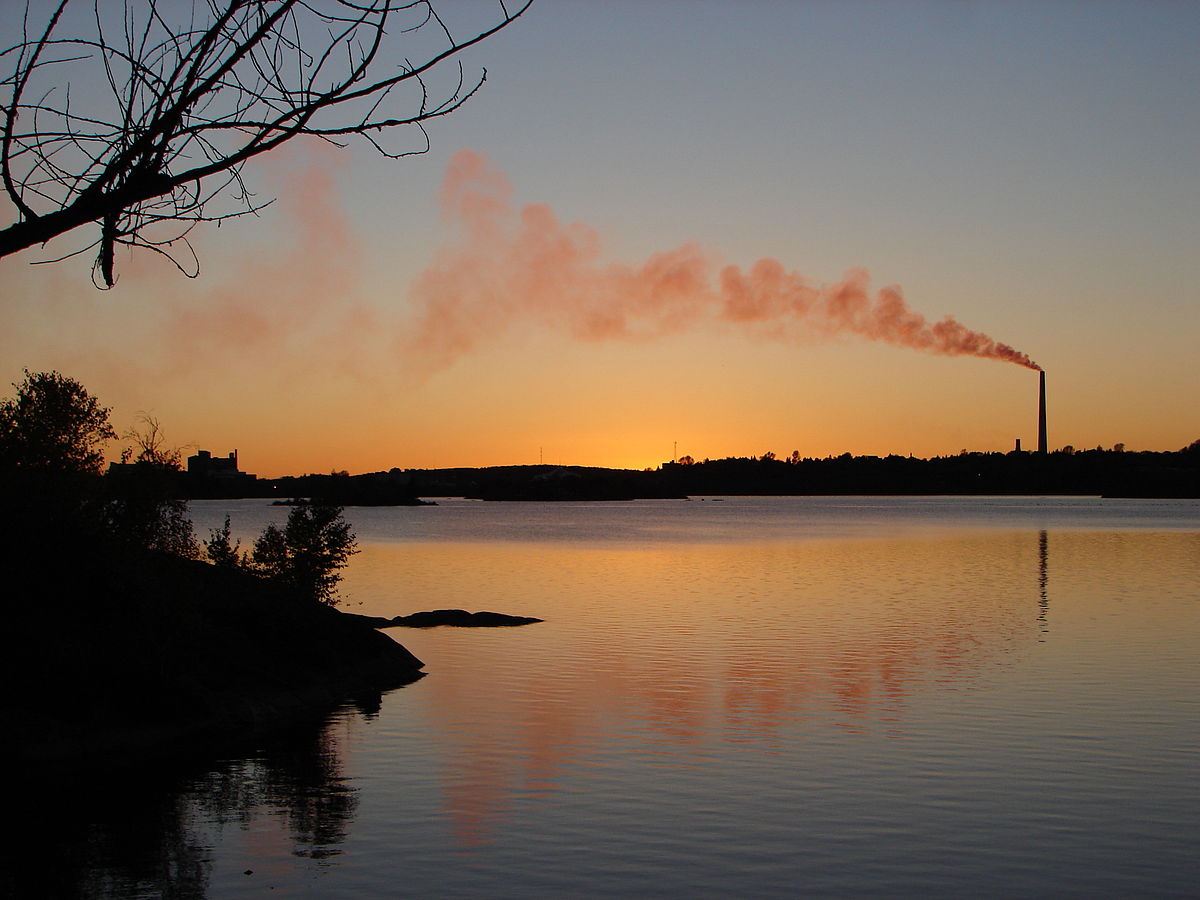
The Inco Superstack in Sudbury, Ontario in Canada. Part of a large copper smelting works, the chimney emitted sulphur gases which caused acidification in surrounding lakes through the mid 20th century, requiring significant ecological restoration work in the 1990s. Image: P199 | Wikipedia | Creative Commons
Different effects on ecosystem diversity and function
Interestingly, multiple stressors had different effects on the diversity and function of ecosystems. Multiple stressor interactions affecting species diversity were most often additive. This suggests that the species eliminated by one stressor were often not the same as those eliminated by the second, and additional stress causes additional species loss.
On the other hand, the most common interaction affecting the functional performance of an ecosystem was antagonism. This may be a result of a process known as compensatory species dynamics. Here, the remaining species in the stressed ecosystem may compensate functionally (e.g. in nutrient cycling) for species loss. This in turn points to the idea that an ecosystem’s functional resilience to stress is not simply dependent on biodiversity, but instead determined by species identity and traits. In short, the findings here suggest that freshwater biodiversity is more sensitive than ecosystem function to the impacts of multiple stressors.
‘Ecological surprises’
The authors identified that 15% of studies showed reversal effects from multiple stressors. These reversals are termed ‘ecological surprises’, in that they reverse the environmental impacts – negative to positive (or vice versa) – caused by the individual stressors. Whilst reversals were the least common type of interaction observed, their existence has potentially important effects for environmental management.
The stressor most commonly associated with reversal interactions was climate warming. For example, a study by Patrick Thompson and colleagues in 2008 found that warming reversed the negative effects of excess nitrogen supply on phytoplankton growth, possibly as a result of increased conversion of nitrates and ammonia by enzymes as a result of increased temperatures. Ecological responses to temperature change are complex, but the evidence here on multiple stressors causing reversals suggests that there may be ever more ‘ecological surprises’ in a warming world.
Lessons for freshwater conservation management
The paper contains potentially important lessons for freshwater conservation management. For multiple stressors that generate additive or synergistic interactions, management that focuses on a single stressor should cause a positive outcome. However, in ecosystems affected by antagonistic stressor interactions, both stressors may need to be removed in order to foster any significant ecological recovery.
Introducing the MARS Project: a short documentary
The MARS project has now been running for well over a year, and many of the project experiments are beginning to yield results. Today we’re happy to share a short new documentary about the project, which you can watch above.
The film explains the problems posed by multiple stresses such as nutrient pollution and climate change on freshwater ecosystems, and the ways in which the MARS project is implementing innovative scientific research to better understand and manage their effects.
The new documentary features interviews with MARS scientists Anne Lyche Solheim from NIVA in Norway and Steve Ormerod from Cardiff University in Wales, and Anders Iversen, Water Framework Directive Co-ordinator at the Norwegian Environment Protection Agency. It shows fascinating new footage of MARS stream experiments in the Austrian Alps, and deep lake experiments at the IGB LakeLab research station on Lake Stechlin in Northern Germany.
The piece was predominantly filmed on two heavily stressed and modified rivers: the Emscher in Germany and the Calder in West Yorkshire, England. Additional footage was shot on the upland River Hodder in Lancashire, England. The footage of the underwater char was shot by Jack Perks (who we’ve featured on the blog before), and the footage of the blue-green algal bloom was filmed by Scott Nelson (whose Rivière des chutes film will be featured here soon).
We hope you enjoy the film.
What influences the ecological success of river restoration?
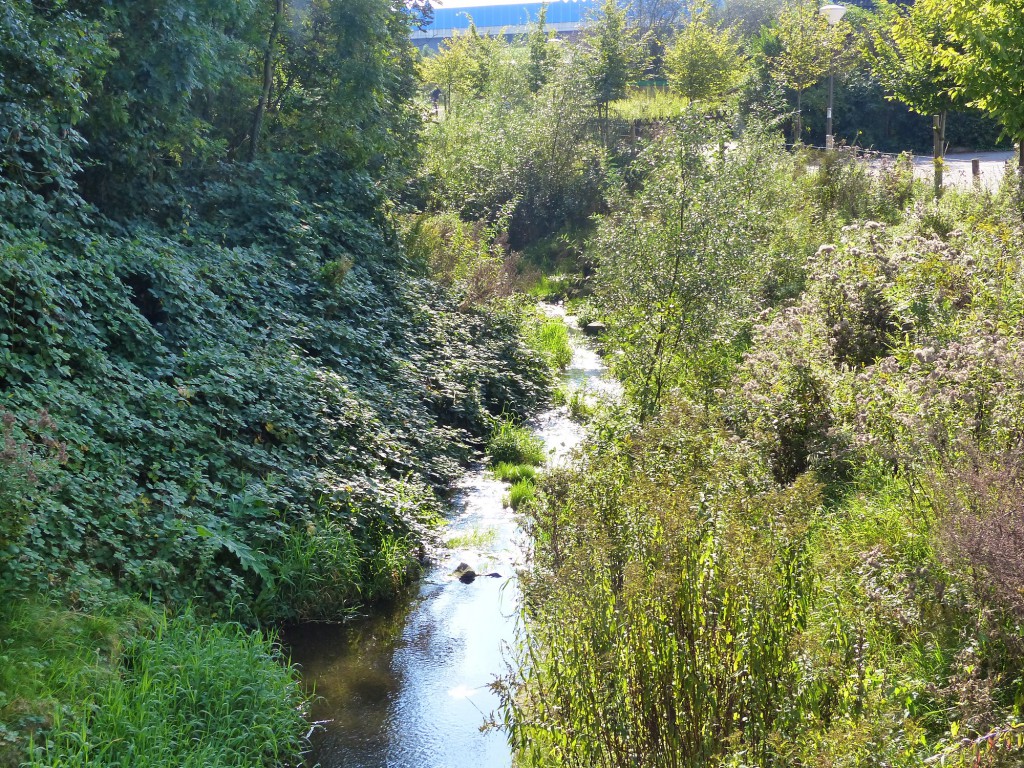
A section of the renaturalised River Emscher in Germany. Image: DESSIN Project
In the last twenty years or so, environmental managers on many rivers and streams around the world have undertaken restoration schemes in an attempt to rectify the ecological damage caused by decades – if not centuries – of human modifications and pollution.
Just last week, the Environment Agency in the UK announced that populations of lampreys – eel-like ‘living fossils’ which were around 200 million years before the dinosaurs – have started to return to rivers in Northern England – heavily polluted and fragmented in the Industrial Revolution – for the first time in decades. Populations of migratory river and sea lampreys are beginning to return to the Derwent, Ouse and Trent as a result of EA restoration work which has improved water quality and removed barriers to migration through innovative ‘lamprey tiles’ that allow the fish to use their suckers to navigate over obstructions such as weirs.
River restoration schemes take a range of different approaches. Many restoration projects attempt to recreate ‘natural’ river processes and features such as flow amount and speed, stream depth and width, meanders and riffles. Another common restoration approach is to remove human barriers such as weirs and dams to improve continuity and connectivity between different habitats along a river’s course.
Other restoration approaches focus on the areas of land around rivers, planting strips of riparian vegetation along the river, to buffer pollutants and sediment from reaching the river, or using environmental policy to reduce groundwater abstraction from agriculture and industry. And finally, some restoration schemes focus on reintroducing plants and animals that have been lost over time – for example beavers or juvenile salmon. Most river restoration schemes use a combination of these approaches, depending on the individual river to be restored, its ecological and social histories, and the various priorities for restoration outcomes.
But as yet, there is little synthesised information on the factors that influence the success of river restoration initiatives across the world. However, a new study bringing together all the available global scientific literature and data on the ecological effects of river restoration, led by Jochem Kail from the University of Duisberg-Essen in Germany and published in Ecological Indicators, may help shed new light on this shortfall, and help guide environmental managers in designing restoration work.
Kail and colleagues from Masaryk University in the Czech Republic and BOKU in Austria, compiled river restoration monitoring results and scientific literature and databases to quantify the effects of restoration measures on three organism groups: fish, aquatic insects (macroinvertebrates) and aquatic plants (macrophytes). The team then looked to identify the factors that most strongly influence the effects of river restoration.
Kail explains the rationale for this research, “There is currently a controversial discussion about whether river restoration “works” – i.e. has a significant effect on biota – and scientific studies show contrasting results of restoration. Existing river restoration studies have already been summarised in several narrative reviews but quantitative summaries – so called “meta-analyses” – are rare and missing at a global scale. Our meta-analysis of studies from around the world on different organism groups might fill this gap: providing another – hopefully helpful – piece of the puzzle to inform environmental managers and policy makers.”
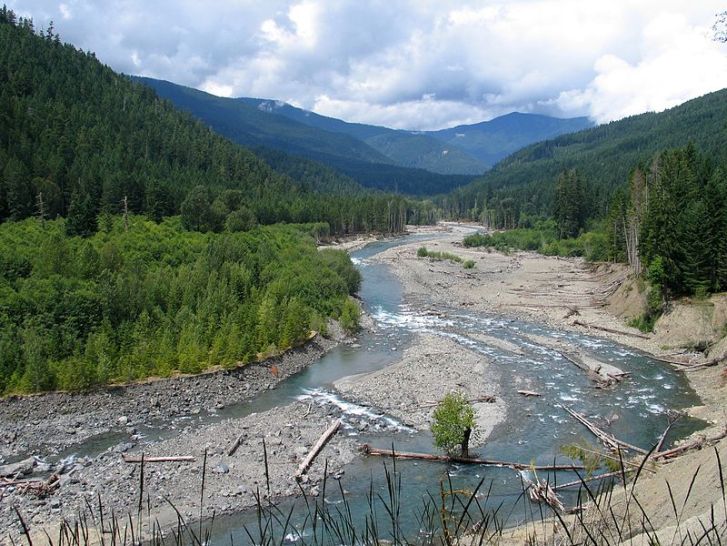
The Elwha River in Washington State, USA. The largest dam removal project in history took place on the river between 2011-14 as part of restoration work by the National Park Service. Image: Wikipedia
Funded by the EU REFORM project, the team’s results show that river restoration has significant, but varied, effects on all three organism groups. In general, restoration projects had a positive ecological effect, but around one-third showed negligible or negative effects. The responses of aquatic plant richness and diversity to restoration were higher than those for fish and insects. Aquatic plant richness and diversity was most significantly increased by river widening and rebraiding projects. This is because such initiatives reduce flow velocities and often cerate sparsely shaded pioneer habitats such as bare riparian areas and gravel bars that encourage the spread of pioneer plants, both in and around the river.
Fish and aquatic insect populations benefited from instream restoration measures, such as river margin enhancement, riffle creation and boulder placement. For all organism groups, abundance and biomass was more frequently increased than richness and diversity. Kail and colleagues suggest that this is because it is generally easier to increase population numbers of existing organisms in a restored river ecosystem than it is to establish new species.
River restoration effects were most strongly affected by agricultural land use around the river, river width and restoration project age. Agriculture around the restored river generally inhibited the positive ecological effects of restoration. However, drawing out large-scale trends from from complex and locally-specific land use patterns is difficult.
Project age was the most important factor influencing the effects of river restoration, but the effects of age were found be unpredictable and even negative on the health of the ‘restored’ ecosystem. This means that the positive effects of restoration may vanish over time, requiring long-term monitoring and adaptive management of restoration initiatives.
As an example, Kail and colleagues found that the response of aquatic plant abundance to restoration was reduced in older projects, suggesting that this can be due to the initial restoration processes of river widening and meandering not persisting in the restored ecosystem, and as such, the niches for many plants being lost over time. However, the results from the surveyed scientific literature were variable and showed no clear trend, both across organisms and ecosystems.
This finding raises the question of how, and perhaps more specifically when, to assess the success of river restoration initiatives. Typically, restoration projects require many years to mature and to impact the diverse and complex components of an ecosystem. However, Kail and colleagues’ study suggests that some river restoration projects may have positive ecological effects within a few years, that then diminish over time.
Kail explains, “The time since project implementation was the most important factor in influencing the effects of restoration, but these effects did not simply increase over time as one might expect. Instead, they showed different and non-linear relationships and effects even vanished over time in some studies. So we might ask: what about the long-term effects of restoration? Does it really help to establish more natural communities besides simply increasing the pure number of species, which might include mainly common or even non-native species? These are just some of the debates and frontiers in river restoration ecology.”
This innovative meta-analysis suggests that whilst river managers can generally expect positive effects from river restoration work on the three organism groups – fish, aquatic insects and aquatic plants – surveyed here, such initiatives may not be successful if initial work is not followed up with long-term ecological monitoring of the restored river, and adaptive management to intervene where restoration measures have altered or diminished effects.
Wildlife photographer Neil Phillips captures the curious and beautiful diversity of underwater life
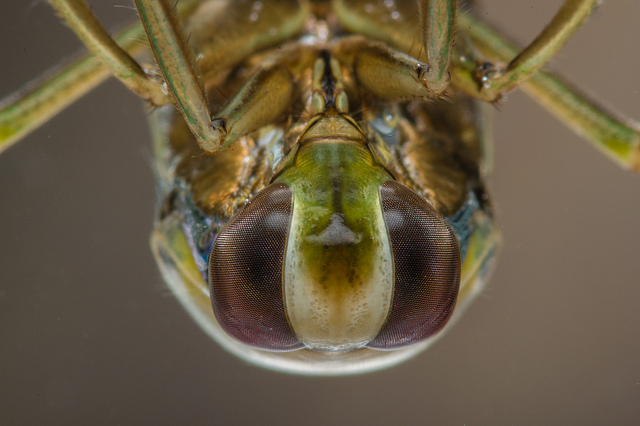
An unfamiliar view of a familiar creature: the common backswimmer (or water boatman). Image: Neil Phillips
For a while now, we’ve been enjoying fantastic wildlife photographs taken by Neil Phillips and posted on his @UK_Wildlife twitter page. Many of Neil’s photographs capture otherwise unseen views of underwater life, providing a window into this diverse and often beautiful submerged world.
We contacted Neil to find out more about his process and rationale for taking photographs of freshwater life. His response is posted below, alongside a number of his stunning photographs.

A female pirate spider with egg case. Image: Neil Phillips
I did try a few time to photograph the fish and other creatures in my tropical freshwater aquarium at home, which were mostly failures due to reflection from the onboard flash, though I did manage a couple of photos of my pet caecilians (a type of legless amphibian)
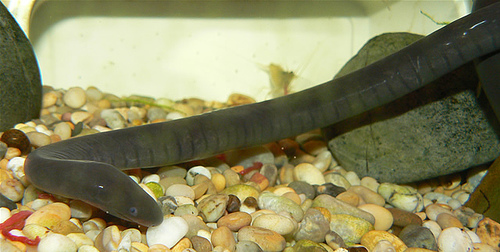
A caecilian, a legless amphibian. Image: Neil Phillips
It was not until I started my job in environmental education I really tried again, this time using flash off camera and putting a dragonfly nymph in an old small display aquarium. The shots I got were OK but I still had a way to go.

Emperor dragonfly nymph. Image: Neil Phillips
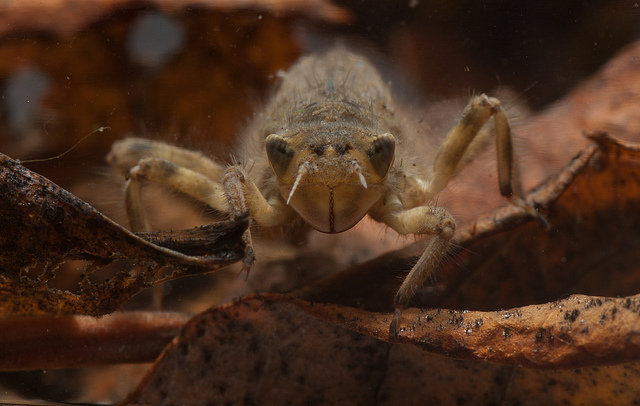
Four spotted chaser nymph. Image: Neil Phillips
Soon after this I came across another book with a triangular design for a photographic aquarium and set about building my own (with some help from my dad) from small bits of glass I bought from a local glazier. With this new aquarium, I started getting images that I was happy with.

Water louse. Image: Neil Phillips
The setup I use now is a small triangular or rectangular tank with something natural coloured for the background, filled with filtered clean water, and using my Pentax K-3 and the DFA 100mm macro lens, with the flash (with a diffuser) on the off camera flash cable.
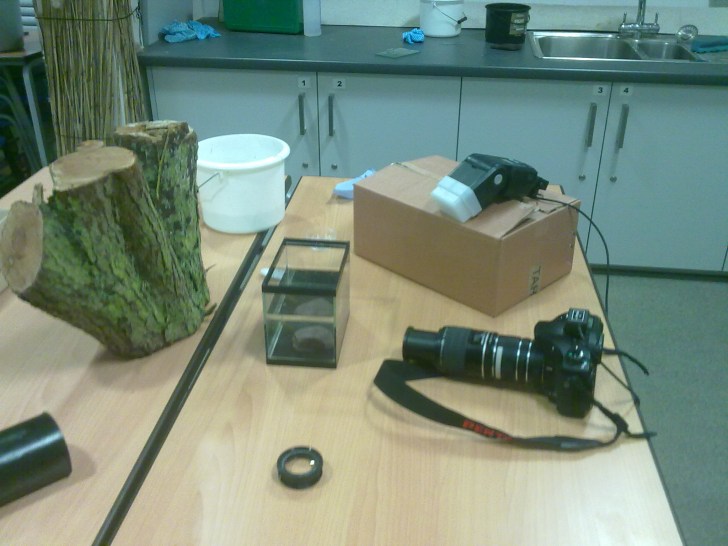
Tank set up for photographing underwater life. Image: Neil Phillips
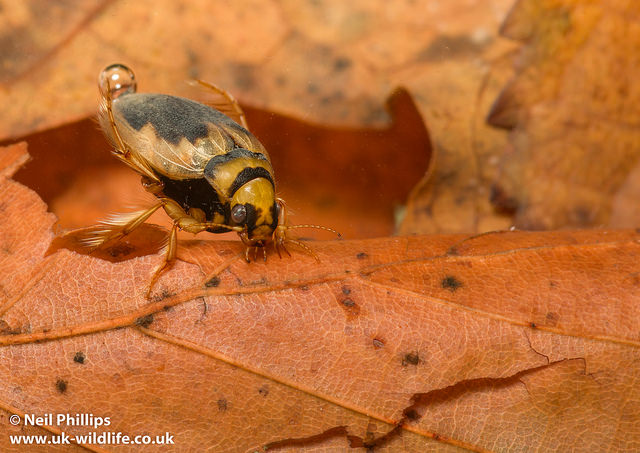
Screech beetle. Image: Neil Phillips
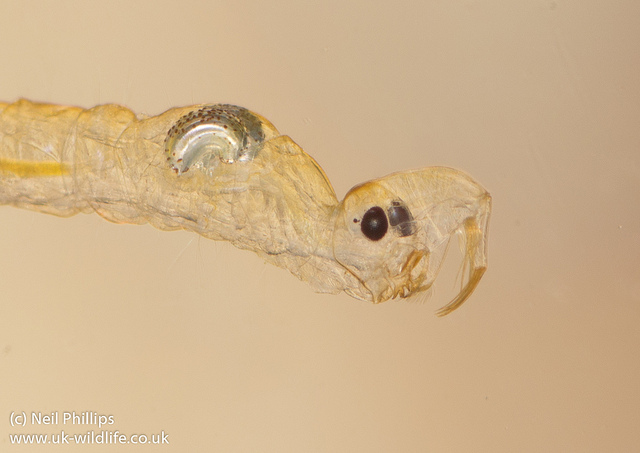
Phantom midge larvae. Image: Neil Phillips
You can also visit Neil’s website, his Flickr photo gallery, and follow him on twitter @UK_Wildlife
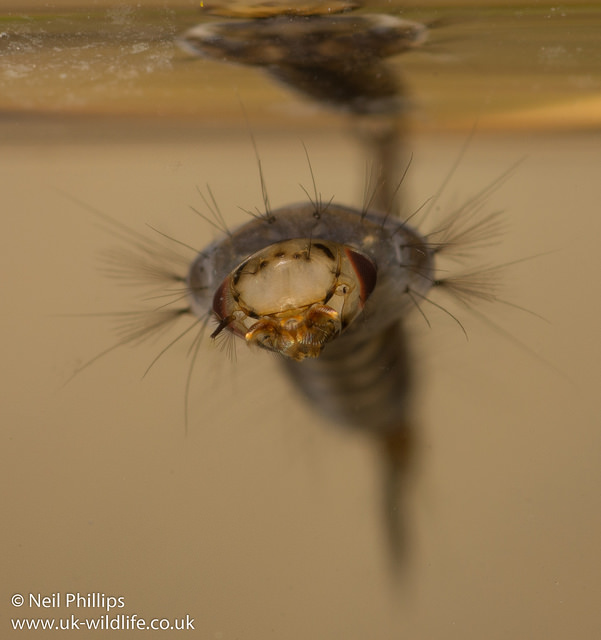
Mosquito larva. Image: Neil Phillips

Darter dragonfly nymph. Image: Neil Phillips