Kathleen Carpenter: the mother of freshwater ecology
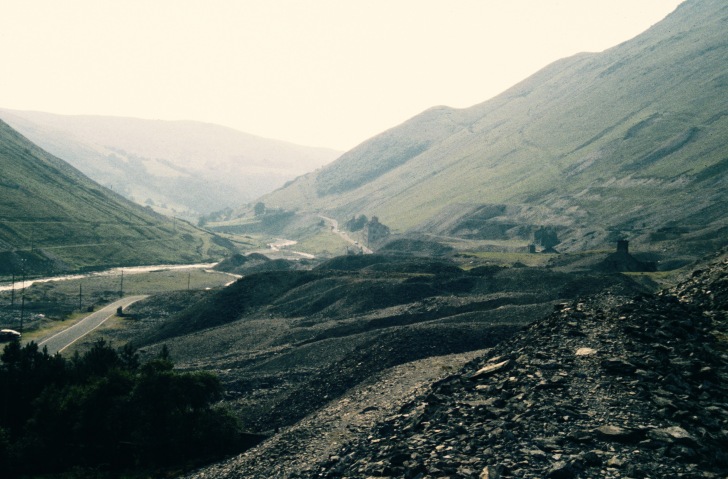
Cwmystwyth a metal mining area near Aberystwyth in Wales. The River Ystwyth to the left of the picture was heavily polluted by the mines. Image: W. L. Kovach
In this guest post for International Women’s Day, Dr. Catherine Duigan draws from her research on Dr. Kathleen Carpenter (1891-1970), the ‘mother’ of freshwater ecology, to suggest insights and wisdom that Carpenter might offer to new generations of freshwater scientists.
***

Image of Kathleen Carpenter supplied by Piotr F Piesiewicz
I am an ecologist born in the late 1800s, and I wrote the first British freshwater ecology textbook, Life in Inland Waters (1928). Julian Huxley, the textbook series editor, recognised that the ‘Cinderella charms’ of freshwater biology were at the time being ‘eclipsed by those of her elder and more ample sister, Marine Biology’. My textbook was developed to support undergraduate education in the field and redress the balance.
Fortunately, I was also born at a time when the rights of women were starting to be acknowledged. I attended and worked at universities in Europe and the US which pioneered the education of women, including the University of London, University College of Wales at Aberystwyth and Radcliffe College in Massachusetts.
When I arrived at Aberystwyth in 1911, some of the local river systems were devoid of life. My research linked the lack of invertebrates in these rivers to metal mining activity and demonstrated the way that fish gills were damaged by pollution, which often led to suffocation. My textbook described the different natural zones in rivers and lakes, and recognised the adaptations of different biota in aquatic ecosystems. I also recorded glacial relict species in British streams. Students at Aberystwyth to this day continue to discover my papers as part of literature reviews and the river research continues.
What would be my advice to the next generation of female freshwater ecologists?
Do something you love and be passionate about it
Passion helps to inspire the next generation. I gained a huge amount of aesthetic and scientific pleasure in describing and observing the organisms in rivers and lakes. In the preface to my textbook I talk about “a world of infinite beauty, infinite variety, infinite charm”. Showing passion makes people take notice and realise that some things are special.
Work hard at communicating your research
I was a communicator from the early days of my career as an assistant lecturer at Aberystwyth University. The textbook provided a story which lasted several decades and was supplemented by a series of scientific papers in a range of journals. I was also a regular contributor to conferences in Britain and abroad. It was amusing to generate newspaper headlines about ‘cannibal salmon’ after presenting a dietary study and referring to a spent male which had potentially consumed his own offspring. Today I would be using social media! #freshwaters #pollution #Faberystwyth!
Play a part in your professional learned societies
I was a member of several scientific societies, including the British Association for the Advancement in Science, Sigma Xi and the British Ecological Society. Scientific meetings provide incentives to produce high quality work and opportunities to travel and develop a professional network. Build your confidence by talking to the leaders in your field.
Travel and gain experience
In the early part of the 1900s freshwater science was developing in Europe and North America. I sailed across the Atlantic several times, travelling alone with up to $100 dollars in my pocket. One particularly memorable voyage to a scientific conference in Toronto had many eminent male scientists on board. I lived, taught and undertook research in British and American academic communities.
Take time to encourage other women.
I would be delighted to be considered a role model for young women scientists. In the US I was a member of the Delta Epsilon Sigma Society which was founded to provide women with an environment where they could network and interact with peers in informal and powerful ways that male scientists could. I still remember the tea party at Illinois State University before the meeting of the American Association of University Women in October 1928 where I contributed as a guest of honour to the discussion on British Universities.
Be generous to your students (and staff), they will reward you too.
A good relationship between teacher and student cultivates a common understanding and stimulates learning. One of my recorded awards was to have been elected to the Honor Society by the undergraduates of Washington College. The production of a textbook early in my career was a gift to future students. Take the time to talk and share knowledge.
Interdisciplinary research is vital for advancing our understanding of the world
In Life in Inland Waters I made the case for interdisciplinary research combining approaches from chemistry and biology to assess water quality. I would like to be contributing to current research into the links between the natural environment and human well-being, because I believed time spent by city workers on the riverbank was good for health and a quiet mind.
Speak more than one language
In the early decades of the 1900s freshwater science was dominated by continental European studies. Fortunately I was well placed to interpret them and present them to a wider audience because my father was German, and I had a working knowledge of French. Knowing more than one language increases your accessibility to information, especially indigenous knowledge, and can open up collaborative opportunities. Sign up for that class in Spanish or Welsh!
Demonstrate the practical relevance of your work
Nature is important in its own right – there to be enjoyed and protected – but today I appreciate that the final chapter in Life in Inland Waters reads like an early attempt to form the concept of ecosystem services. I thought it important to demonstrate the wider socio-economic context of my work: from the financial value of salmon sold at Billingsgate market in London to the human health risks of dirty water. My research informed the remedial efforts of a local River Pollution Committee. Perhaps this can be considered an early example of research having science-policy impact.
Wear sensible clothes when you do fieldwork and be safe
Can you contemplate the prospect of sampling a river whilst wearing a long skirt?! Fortunately for me, following the First World War women were able to adopt more practical, working clothes, including trousers. I can endorse research in the history of science which suggests that the development of sports clothing helped to make fieldwork socially acceptable for women ecologists. Working in an aquatic environment comes with risks, and you need to embrace health and safety requirements. Be sensible.
***
Dr. Catherine Duigan was educated at University College Dublin where she did a Ph.D on zooplankton in Irish lakes. Her international research background has included working in the USA, France, and Africa. She did post-doctoral research at Aberystwyth University and was the only woman to take part in two expeditions to the High Atlas Mountains in Morocco.
Catherine then went on to follow in the footsteps of Kathleen Carpenter with a professional interest in freshwater ecology in Wales, including writing and co-editing The Rivers of Wales book. She is currently leading a group of technical specialists covering aquatic and terrestrial environments at Natural Resources Wales in Bangor. As an honorary lecturer at Bangor University she contributes to teaching modules on freshwater ecology. She is also a STEM Ambassador.
Catherine considers bringing attention to Kathleen Carpenter’s history a very welcome obligation. Women scientists need to tell each other’s stories.

River Torridge in Devon, a sample site for mayflies in the study. Image: alexwhite | Flickr
Polluted rivers with low oxygen levels are more susceptible to the harmful effects of climate change, according to a new study co-authored by MARS scientist Professor Steve Ormerod.
Researchers from Cardiff University and Radboud University in the Netherlands led by Wilco Verberk used laboratory studies and over 42,000 samples from UK rivers to show that two common mayfly species are less able to tolerate rising water temperatures in polluted rivers with low oxygen levels. The breakdown of organic pollutants such as sewage and farm run-off uses oxygen, meaning that polluted waterways often suffer severe drops in dissolved oxygen levels.
The study, published in Global Change Biology (open access), adds to the growing evidence on the influence of multiple stressors in shaping how freshwater ecosystems are likely to respond to climate change. Specifically, it suggests that reductions in water pollution may help increase the resilience of freshwater biodiversity to the effects of future climate change.
“Cool water insects like many mayflies are in triple jeopardy in warmer, polluted waters,” explains Professor Ormerod. “First, at higher temperatures, water can hold less oxygen. Secondly, insects need more oxygen to keep pace with their needs as temperatures increase. Thirdly, oxygen is used in the breakdown of organic pollution, with this effect occurring most rapidly in warmer waters. These three effects mean that warm polluted waters are the worst combination.”
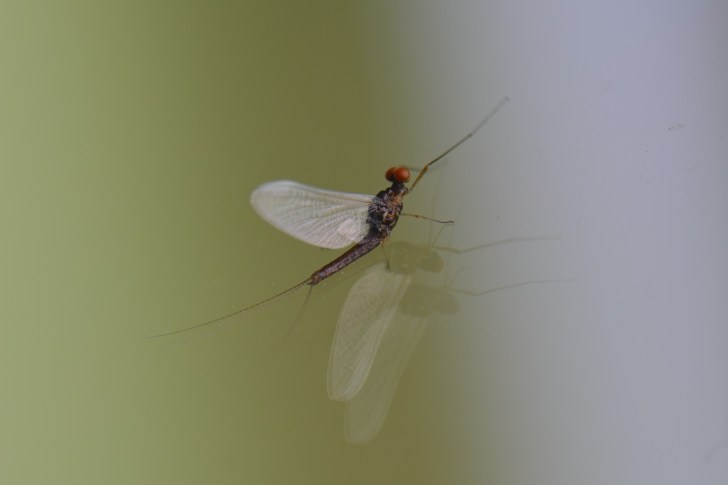
Blue-winged olive (Serratella ignita) Image: Wikipedia
In laboratory studies, the team found that mayflies such as the green drake (Ephemera danica) and the blue-winged olive (Serratella ignita) were able to survive temperatures 3-5 °C higher where oxygen levels were high, compared to where they were depleted. Hypoxia – or severe oxygen depletion – lowered lethal water temperature limits by roughly 5.5 °C and 8.2 °C for the green drake and blue-winged olive respectively. Mayflies were used as bioindicators in the study as they are common and ecologically important features of many river and stream ecosystems.
Analysis of long-term field study data provided support for these laboratory findings, showing that mayfly populations were significantly reduced in poorly oxygenated stream sites, and that these reductions were particularly pronounced under warm water conditions. In short, low oxygen levels reduced the optimum stream temperature for mayfly populations, and threatened their abundance. The team used data provided by the Environment Agency and Natural Resources Wales collected using kick samples from 2632 sites across England and Wales between 1989 and 2008.
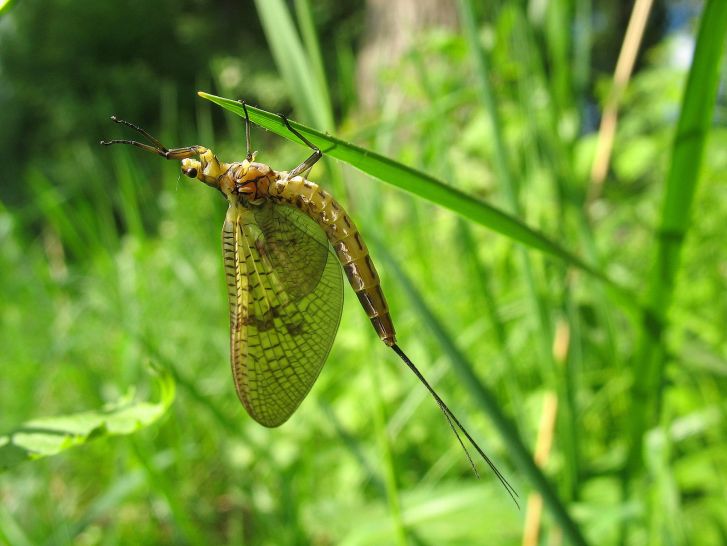
Green drake (Ephemera danica). Image: Wikipedia
In bringing together field and laboratory studies as a means of assessing how reductions in pollution may help to adapt river ecosystems to climate change, the study is highly innovative. The broad similarities in findings between the field and laboratory studies suggests that low oxygen levels not only impair mayfly survival at extremes of temperature, but can also restrict their abundance at temperatures well below lethal limits.
Improving water oxygenation through management of pollution could thus provide a key element in strategies to adapt Britain’s rivers and streams to climate change, potentially increasing ecosystem resilience to rising water temperatures in the future.
Co-author Dr Isabelle Durance, Director of Cardiff University’s new Water Research Institute states, “Our work presents real hope in the fight against climate change. We need to find ways to reduce the future effects of warming, and our data show how regulating and reducing pollution offers real benefit.”
Remote alpine lakes affected by nitrogen from agriculture transported across vast distances in the atmosphere
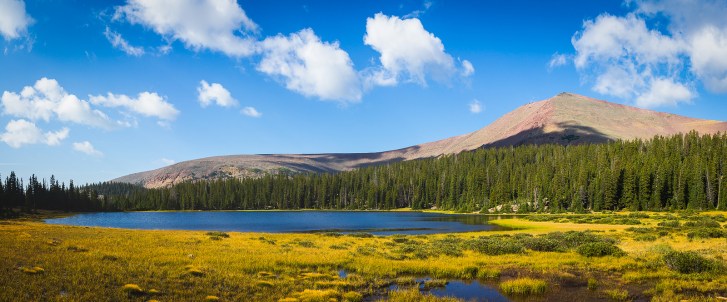
White Miller Lake in the Uinta Mountains. Image: Pierce Martin | Flickr
Remote mountain lakes in Utah, USA receive significant amounts of nutrients transported in the atmosphere from human activities many miles away, according to a new study. High alpine lakes are generally nutrient poor, and so this atmospheric arrival of nutrients – largely originating from nitrate and ammonium based fertilisers used in agriculture – has the potential to significantly alter the health and functioning of their ecosystems.
The study, led by Beth Hundey from The University of Western Ontario and recently published in Nature Communications (open access), suggests that for alpine lake ecosystems, “even modest increases in nitrogen deposition can have significant effects including eutrophication, acidification and the reduction of biodiversity.”
In order to protect these remote ecosystems, which often provide water resources for nearby lowlands and hotspots for rare and endemic biodiversity, it is important to identify the sources of nitrogen that reach them.
Reactive nitrogen (given the chemical symbol Nr) is the name given to all forms of biologically available nitrogen, including inorganic forms such as ammonia, ammonium, nitrogen oxide and nitrates; and organic compounds such as urea and nucleic acids. Reactive nitrogen is added to the environment naturally by lightning strikes and nitrogen fixation.
However, human activities such as synthetic fertiliser production and fossil fuel contributions have doubled levels of reactive nitrogen in the Earth’s nitrogen cycle. The emissions from such nitrogen-producing activities may be transported and deposited hundreds, even thousands, of miles from their source.
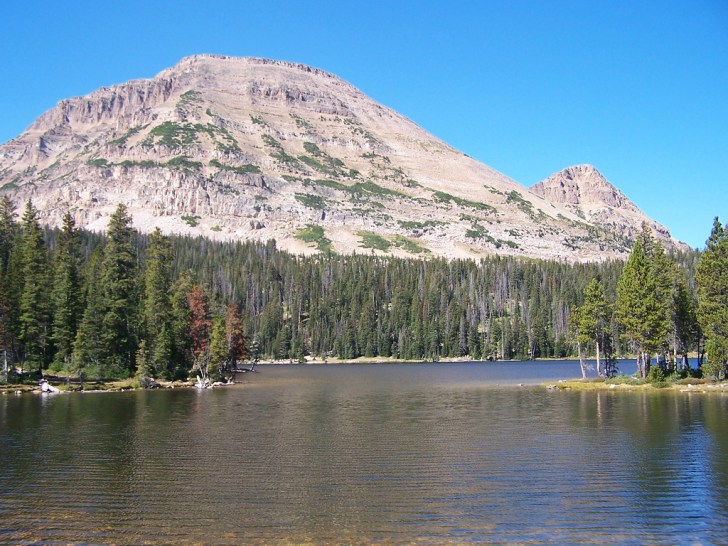
Mirror Lake in the Uinta Mountains. Image: Bryant Olsen | Flickr
The team analysed three stable isotopes (Δ17O, δ18O and δ15N) sampled in water from lakes in the Uinta Mountains in northeastern Utah, USA. This analysis allowed the team to determine where the nitrates found in the lakes – which are remote, with little direct human impact – originate from and how they were transported. For example, the isotope samples allowed the team to differentiate between nitrates originating from fossil fuel burning, biomass burning and lightning that is oxidised in the atmosphere; and those which are oxidised in land and water ecosystems.
Their results show that at least 70% of the total nitrate inputs into the Uinta Mountain lakes originate from the atmosphere. The majority of the nitrates arriving into the lakes are the result of agricultural activities, specifically the use of nitrate and ammonium fertilisers. The research team suggest that, “similarities in nitrate isotope compositions between Uinta Mountain lakes and lakes throughout the US Rocky Mountains suggest that these findings apply to other mountain regions in western North America.”
These findings are significant because they highlight how nitrate-caused ecological stress in mountain lakes may be the result of from multiple sources of nitrogen located many miles from the affected ecosystems. In short, human activities such as intensive agriculture have the potential to negatively impact even the most seemingly remote or ‘wild’ places.
For environmental managers and policy makers seeking to conserve these ecosystems, the study suggests that the geographical range of potential nitrate sources must be widened if nitrate levels are to be managed and their effects mitigated. Here, local ecological stresses are inextricably tied to wider-scale human activities. As such managing the emission and transportation of nitrates across vast distance is likely to pose ever more complex challenges for environmental policy and conservation.
Functional redundancy and how river ecosystems respond to stress
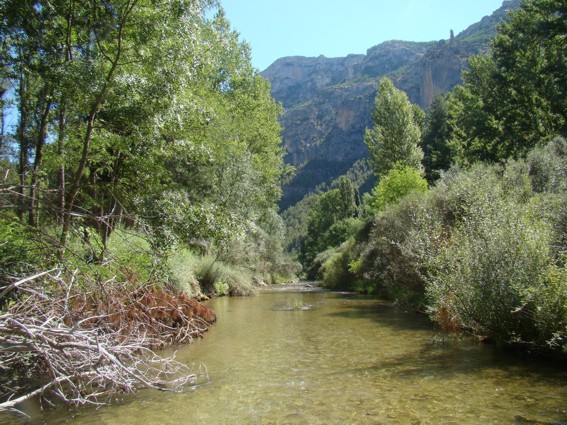
A well preserved section of the Segura River in Murcia, Spain, showing a riparian area dominated by black poplar, ashes and willows.
This week we have a guest post written by Daniel Bruno and Cayetano Gutiérrez-Cánovas on their new Journal of Applied Ecology paper which examines the potential of using the functional redundancy concept to assess how river ecosystems respond to stress.
Daniel is a researcher at the University of Murcia in Spain. His work explores river conservation and restoration, riparian ecology and the use of indicators to assess ecological status. Tano is a research associate at the University of Cardiff in Wales, whose work in the MARS project analyses how aquatic ecosystems respond to multiple stressor interactions at different spatial and temporal scales.
***
The world’s ecosystems are experiencing an unprecedented increase in the number and variety of impacts that alter their ecological functioning. Such ecosystem alterations include changes to primary production, pollination, nutrient cycling and organic matter decomposition, among others.
Traditionally, ecologists have used species composition and other taxonomical approaches as indicators for ecosystem health. For example, some species are more likely to be abundant in disturbed sites, while others are very sensitive to human-caused stress. However, these techniques are not able to tell us how ecosystem functions might change after the disturbance, which would be far more useful for environmental managers in predicting and reacting to such impacts.
In a new study recently published in the Journal of Applied Ecology, we tested the potential of new functional indicators for assessing how river ecosystems respond to stress. We found that some of these indicators were able to detect single and combined effect of stressors, which may allow a better understanding of how freshwater ecosystem functioning responds to human pressures. Among them, functional redundancy is the most promising indicator as it relates positively to stability, resistance and resilience in ecosystems with a high sensitivity to stress.
The functional indicators used here account for the variability of the biological attributes of riparian vegetation (plants growing on land along river banks) that relate with ecosystem functioning, such as size, growth rate or leaf surface.
These measures have several advantages when compared to species-based tools. They have broader spatial utility (species composition varies more spatially than their biological attributes); better comparison among taxonomic groups (biological attributes as size are shared among all kind of organisms) and can be linked directly with ecosystem processes. There are many such links: leaf nutrient content affects in-stream processes like decomposition; larger trees cause more shadow which can alter river temperature and production and contribute to significant habitat modifications like natural, woody dams.
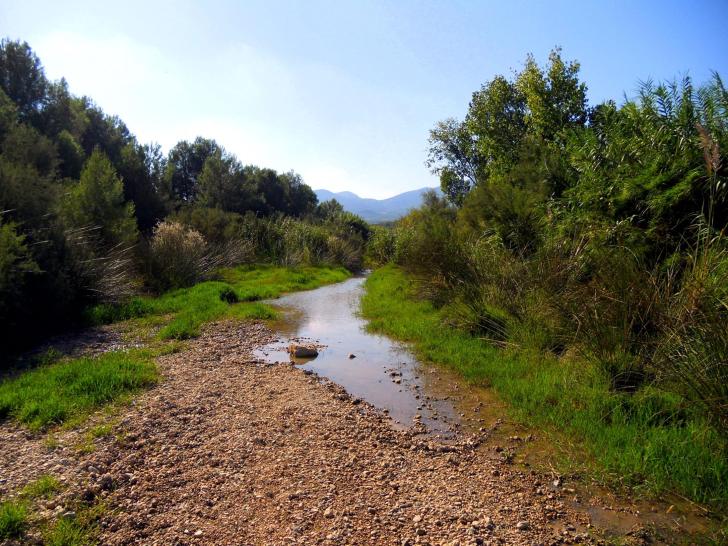
Riparian vegetation beside an intermittent river (Corneros River in Murcia, Spain), affected by drought in the Segura Basin study area.
Our study was conducted in a Mediterranean climate river basin (the Segura River) located in the southeast of Spain, where agricultural intensification, dams and natural droughts are the main causes of ecosystem stress. We produced different metrics to account for the multiple functional traits and aspects of the riparian plants. Then, we compared how those metrics responded to the single and combined stressors impacting on the ecosystem.
There were two main groups of functional indicators. First, measures of functional diversity which described the variability of biological attributes driving ecosystem functions. To measure functional diversity we calculated functional richness (community functional variability), functional evenness (how individuals or species are distributed among functional types) and functional dispersion (mean functional similarity among species);
Second, we used measures of functional redundancy, which can be defined as the number of species performing similar roles in an ecosystem, for example nutrient cycling, sediment fixation or climate regulation. Higher values of redundancy can mean increased long-term stability of related ecosystem functioning. This means that in functionally redundant ecosystems it may be possible for populations of some species to highly stressed or even made locally extinct, with little or no impact on ecosystem functioning.
One of the ways to estimate functional redundancy classifies species into functional groups which make similar contributions to ecosystem functioning. In our study, we classified riparian plants in five major functional groups: large highly water demanding trees; water demanding shrubs; evergreen shrubs; climbing plants; and drought-adapted vegetation.
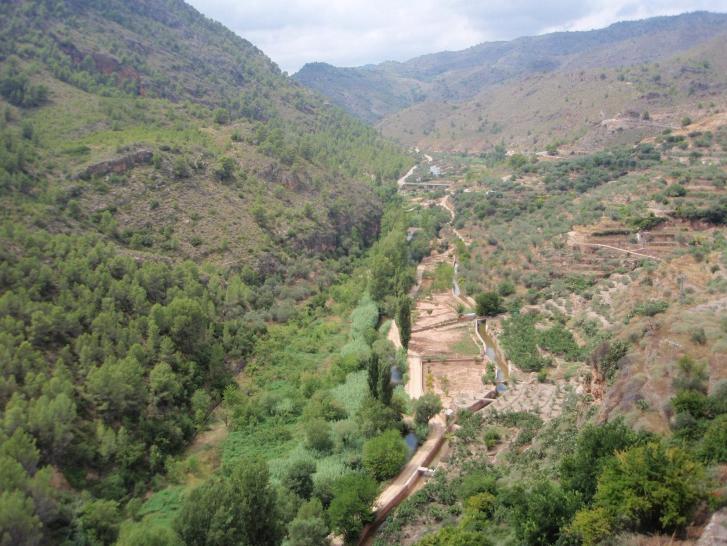
Reach of the Mundo river in Albacete, Spain, which is disturbed by agricultural intensification. Note the scarcity of woody riparian vegetation in the left margin being dominated by evergreen shrubs and invasive species (e.g. Arundo donax).
Our results showed that stressors, when considered individually, caused general marked declines in functional indicators, with a variety in the size of decline. Generally, agricultural intensification was the most influential stressor for riparian functionality, followed by natural droughts. Hydrological regulation weakly affected functional indicators.
Functional redundancy was the most sensitive indicator in response to single and combined environmental filters. Combined effects on functional redundancy resulted from the interaction between agricultural impacts and droughts; and agricultural impacts and flow regulation. This suggests that such stressors should be considered together for the most accurate understanding of their effects on ecosystem health.
The most significant implication of these results is that functional redundancy can be used to identify which ecosystem functions are at the highest risk when an ecosystem is stressed. When we lose species from the same functional group (species playing a similar ecosystem function), this causes a decrease in functional redundancy. As such, using this functional index provides a valuable early warning system before ecosystem function begin to decline. Therefore, incorporating functional redundancy into river evaluation and management planning may help us to anticipate the effects caused by the ongoing global change.
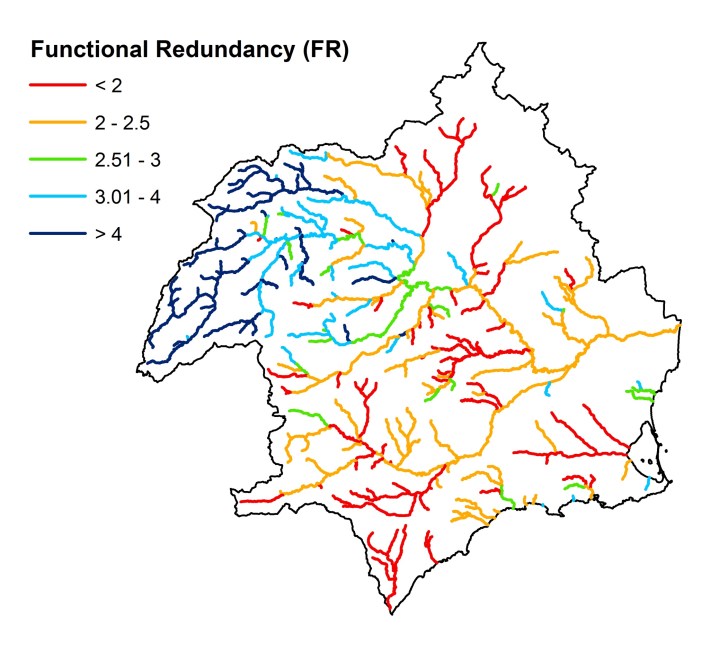
Predicted functional redundancy for riparian communities in the Segura Basin study area.
An important advantage of the functional redundancy approach is its accurate response to combined stressors (best model explained near to 60% of its variability). We predicted the functional redundancy values for the entire river network (see figure above). For this forecast, we used a large dataset of sites from which agricultural intensification, flow regulation and natural drought were estimated, constituting a potential basis for biomonitoring and environmental management at the basin scale. This map is useful to detect the most impacted river reaches, to plan restoration measures, as well as to conserve the reaches with the best ecological functioning.
The predictors used here are low-cost, coarse-grain variables that are easy to obtain from digital maps and environmental databases. We also provide an open statistical method (R-scripts) to estimate the functional features and run the models showed in the study, allowing administrations and ecologists to extend this method to their study areas. Therefore, although the sensitiveness of functional redundancy to human impact must be specifically compared with other traditional biomonitoring tools and river types, it can be considered as an ecologically-sound measure able to detect ecological responses to single and multiple stressors.
Flussfisch: creative freshwater science communication through song
We’re always keen on creative science communication here on The Freshwater Blog. So when we were sent a new song resulting from a collaboration between freshwater scientist Simone Langhans and Swiss band Knuts Koffer, we knew we had to share it.
Built over a minimal, jazzy groove, the song’s lyrics (in German, with an English translation at the bottom of the post) are based on the research that Langhans – a post-doc at Leibniz-Institute of Freshwater Ecology and Inland Fisheries IGB in Berlin – has carried out on river restoration.
We spoke to her and primary songwriter Frédéric Zwicker to find out more about how this innovative collaboration came about.
***
What have you been working on recently, and where?
Simone:
After my PhD in river and floodplain ecology at Eawag (Switzerland), I was working for the Swiss Federal Office for the Environment for a couple of years where I got interested in the challenges which we face when managing freshwater ecosystems. I’m particularly interested in ecological quality assessment, in methods that facilitate multi-stakeholder management decisions, and in optimizing river restoration with systematical planning approaches which account for cost-effectiveness.
Besides Switzerland, I’ve been working in Italy, Australia, Germany, and New Zealand. In my newest project affiliated with the Leibniz-Institute of Freshwater Ecology and Inland Fisheries in Berlin, I’m working with local Maori on New Zealand’s North Island to identify their cultural values related to their freshwater systems with the intention to learn about how cultural values can be used together with ecological values in freshwater management, also in Europe.
Frédéric:
I am basically working three jobs at the same time. Two and a half days a week I write for a construction magazine in order to not have to worry about my bills and have some structure in my otherwise often quite chaotic weeks. It’s pretty funny that a couple of months before Simone asked me to write the song I wrote an article on river-renaturation in northern Switzerland.
I also work as an author. I’ve been writing a satiric column for a newspaper for seven years, I perform poetry and my first novel is about to be released this year. So there’s journalism, literature and music. The fourth album of my band Knuts Koffer came out in November last year. At the moment we’re still touring with the current program but at the same time I’m working on new material and playing guitar and writing for other bands and projects.
What gave you the idea to communicate your scientific research through a song?
Simone:
Frédéric and I met by chance this summer in my hometown Rapperswil-Jona in Switzerland in the local pub, where I had beers with an old friend which we have in common. We started talking about our jobs (besides being a musician and fiction writer Frédéric writes for a Swiss construction journal) and suddenly this idea popped up in my head.
I have been intrigued by the idea that art could help convey scientific knowledge to the public for a while now, actually since my last year’s work stay in New Zealand where I got inspired by discussing similar ideas with my friend and colleague Dr. Marc Schallenberg (from the University of Otago). However so far, I never had the opportunity to work with musicians, although music has been part of my whole life, and I played in a band myself when I was younger.
Frédéric:
When Simone wrote to me I was immediately very excited about her idea. I am often inspired by science when writing songs or columns. One example: I read about scientific research on how men find women most attractive when they ovulate. I knew that in Switzerland two-thirds of women take the pill for birth control. The pill prevents women from ovulating. So 60% of Swiss women are never as beautiful as they could be. I had to put that into a song.
Simone’s project, however, required a more serious touch. I loved the idea to use very technical and scientific vocabulary in the lyrics and still make them rhyme without losing rhythm.

Simone Langhans. Image: technologiestiftung-berlin.de

Knuts Koffer. Image: clanx.ch
Tell us about the process of translating science into music and song lyrics. How did the collaboration work out? And how has the song been received?
Simone:
Since neither of us had ever worked on a project like this, we didn’t have a set workflow to follow. Instead we jumped right into it and decided on-the-go how to proceed from one step to the next.
In a question-answer type of way, I introduced Frédéric to the general background of my research and to the particular study the song should be about. We then discussed the messages of the song and how those could be structured in verses. In a next step, Frédéric wrote the lyrics, which we discussed again, and he also composed the music. I enjoyed the way we collaborated a lot – it felt very natural.
Most people I’ve talked to were excited about the idea right away, which encouraged me to go through with it, although it was risky to try something so new. I’m quite excited about the positive feedback we got so far. If there is a next time, we may try something in English to reach a larger, international audience.
Frédéric:
When Simone asked me to write the song I was very thrilled and agreed right away. Then, when she sent me the papers she had published, I had a bit of a shock. It would be very difficult to determine what was relevant and to turn several pages of scientific mumbo-jumbo (sorry, Simone) into a catchy song.
Then Simone and I sat down in my garden and she explained what her research was about. By the end of our first meeting we had drafted a content-plan for the different verses. After that it was just a matter of getting to work, writing the lyrics and adjusting them according to Simone’s inputs after a second meeting. I composed the music to reflect the tragedy of the status quo and the hope for a better future through Simone’s propositions.
The reactions were very positive. The construction magazine I work for is writing an article about the song. Quite a lot of people who know my band considered the song to be very funny. One friend even said it was her favourite song by my band. Of course I have mixed feelings about that…
What do you think the value of creative collaborations like this are? What advice might you be able to give to other people looking to foster similar interdisciplinary projects?
Simone:
Science itself is a very creative process and, hence, working with creative people from different fields is in my opinion inspiring on different levels. I directly benefited from this collaboration by:
1) Practicing how to formulate my research that non-scientists can understand what I’m doing and why;
2) Producing something other than a piece of paper that may have the potential to convey scientific knowledge to an audience outside of academia, and;
3) By getting a lot of feedback on my work compared to when I solely publish my research in scientific journals.
Networking and mingling with people outside of our scientific comfort zone is probably the key to interdisciplinary collaborations. I think we should also place more emphasis on them in project proposals to secure financial support for similar projects.
Frédéric:
We as a band (as well as Simone as a scientist) can present our work to a new audience which is always valuable. I think we can also both benefit from demonstrating how versatile we are. I’m definitely hoping for more similar commissions. I guess that for scientists proving that you’re able to think outside the box and have innovative ideas can be just as important as it is for musicians.
Of course it’s also financially interesting to diversify your offer and find new ways to earn some money, since the music industry and consumer-habits are not really making it easy to prosper as a musician. I definitely learned a lot working on this project. And last but not least it was great fun to do something out of the ordinary. So my advice to scientists with similar ideas is to contact me!
***
RIVERFISH
A collaboration between Simone Langhans and KNUTS KOFFER
Mmh, Havel and Spree are two poor ladies
They lead a monotonic life captured in daily grind
Boats on their backs, bridges, channels, agoraphobia
Our rivers are not doing well because humans have screwed up
Now we’re planning restorations, but here a warning
We lack catchment-based and cost-efficient planning
Mmmmh, let’s systematize restorations
The software programme Marxan will assist us
It analyses potential restoration sites and shows us
The combination of sites that reaches the ecological goals at the lowest cost
Ahoi ho ho, ahoi ho ho, ahoi ho ho, ahoi ho ho
Havel and Spree should be healthy again these days
That’s anyway what the Water Framework Directive has envisaged
But the typical river fish species will never spawn sufficiently again
Cause there are not enough potential restoration sites to reach natural fish populations
Even so this is sad, thanks to the planning software we have realised
That restoration planning and Marxan are going hand in hand
Coupling expert knowledge and fish monitoring data
Marxan optimizes what’s best for flora, fauna and people’s wallet
Riiiiiiiiiii…….
The Leibniz-Institute of Freshwater Ecology and Inland Fisheries will continue working on these issues in order to improve the health of our rivers
………ver
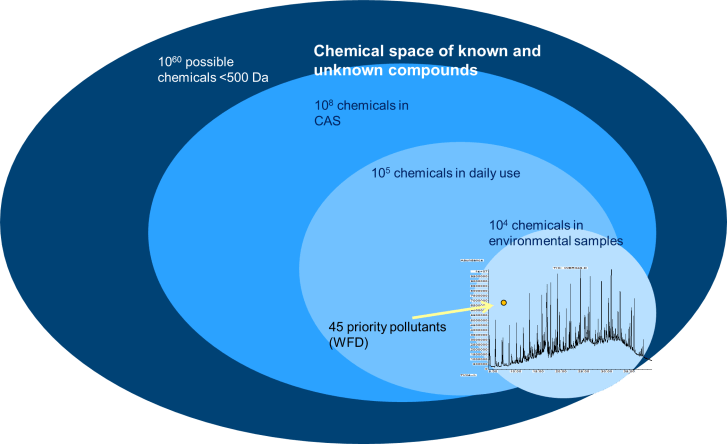
There are a huge number of chemicals that can enter aquatic ecosystems, and join to form compounds. (Da = Dalton; CAS = Chemical Abstract System; WFD = Water Framework Directive) Figure: Werner Brack
Reporting on a new overview paper on Effect-Directed Analysis
Guest post by David López Herráez and Werner Brack.
Toxicants are a common source of stress to aquatic ecosystems, often acting in combination with other pressures such as river channel alterations, eutrophication, changes to water temperature and pH and invasive species.
Unravelling the combinations of different chemicals able to cause toxic stress to freshwaters is a really complex process, since such ‘cocktails’ can contain mixtures of substances drawn from 10⁶⁰ possible chemicals.
Ever tried to visualise such a huge number as ten to the power of sixty? SciencePie suggest a thought experiment that might help. Take 10⁶⁰ grains of sand and pile them up over the entire area of the United States of America. This would lead to a pile of sand with a height of around 15,000,000 times the diameter of the observable universe.
Do we have to analyse such a myriad of chemicals in order to understand toxic stress? Of course not. However, we need efficient and accurate tools to identify the chemicals that cause major stresses on aquatic organisms in a water body or river basin. If water quality monitoring and environmental management is only based on a pre-selected range of chemicals (such as the Water Framework Directive priority pollutants) we risk ignoring those chemicals that actually cause ecosystem effects. In turn, this approach risks focusing our monitoring and management resources on compounds of minor relevance.
What is Effect-Directed Analysis?
Effect-Directed Analysis (EDA) is one of the major approaches used to support the identification of toxic compounds at a specific site by combining chemical and biological analytical tools. It uses fractionation, a laboratory process which separates chemical mixtures allowing the determination of its different components. Although EDA has been used by environmental laboratories for over twenty years, a comprehensive compilation of EDA tools and recommendations for their efficient use was – until recently – missing.
Now, a group of 26 leading experts from Europe, U.S.A. and Canada have joined efforts to publish an in-depth overview on EDA over 46 pages of the journal Science of the Total Environment. This review provides a conceptual framework for the integration of EDA into water quality monitoring, and considers toxicant identification in diverse matrices (water, sediments and biota). Their work has been supported by the projects SOLUTIONS, EDA-EMERGE and the NORMAN Network on emerging pollutants.
Bioassays: unravelling chemical cocktails using biological indicators
As an effect-based approach, EDA is driven by the measurable effects of chemical mixtures extracted from these matrices using bioassays. Bioassays are biological analytical tools that detect effects of individual compounds and environmental mixtures on organisms and cellular systems, so called in vivo (on living organisms) and in vitro (on microorganisms and cells isolated from their normal environment) studies. In vivo bioassays typically use representatives of major organism groups also addressed as Biological Quality Elements in the Water Framework Directive including algae, invertebrates (e.g. Daphnia) and fish (e.g. zebrafish embryos).

Daphnia as test organisms. Images: Andre Künzelmann.

Zebrafish as test organisms. Images: Andre Künzelmann.
In vitro bioassays often directly address specific modes of action including the metabolism of chemicals, hormonal disruption, inhibition of specific enzymes, DNA damage or adaptive stress responses. All these assays represent links in adverse outcome pathways following the concept that key events at the cellular level (e.g. the reaction of a chemical with DNA) may be mitigated by adaptive stress responses or, if repair capacity is exceeded, may lead to cascading effects on organisms, populations and even ecosystems.
Getting meaningful results from small samples
An EDA study typically involves the analysis of many samples and fractions which are only available in small amounts. Therefore, in addition to the biological response requirements of a sample, it also ideally needs to be processed at a fast rate (known as high throughput) and at low volumes. The new review lists the frequently used high throughput bioassays for EDA, along with their respective advantages and disadvantages, confounding factors, volumes and dosing formats.
Prioritisation, or listing in order of (in this case) toxic priority, of compounds contributing most to observed effects is the major task of effect-directed analysis. This may succeed only if the relative composition of a mixture of chemicals exposed to a test organism in the lab is similar to the mixture the organism would encounter in the field. The way in which extracts of sediments or water are dosed into bioassays very much determines the mixture taken up by the test organisms, and thus the priority setting.
In sediments, the mixture of chemicals to which a benthic organism is exposed is the result of partitioning (or otherwise stated: the ratio of concentrations) of all its components among sediment particles, water and the organism, while in the lab simple transfer by extraction and dissolution are predominant. In the overview paper, a thought experiment suggests that conventional dosing of sediment extracts may result in a strong bias in toxicant prioritisation, being recommended to load sediment extracts into silicone or other devices mimicking the natural conditions.
Different EDA tools: fractionation and mass spectrometry
In order to divide toxic chemicals and combinations from the bulk of inconspicuous ones, we need fractionation tools, typically chromatography, which reduce the chemical complexity of a sample in a smart way. That means we have to fractionate without losing our original toxicity; we need optimal selectivity for relevant chemical groups, and we should learn as much as possible about the properties of the chemicals ending up in the fractions. The overview paper brings together a great deal of the available research and experience to help design tailor-made fractionation procedures in the future.
When toxic effects (and the chemicals that cause them) are isolated in specific fractions, high-end analytical chemistry comes into play. High resolution mass spectrometry coupled to gas and liquid chromatography helps to identify the molecular formulas of the components in our toxic fractions. These formulas tell us the type and number of atoms involved in forming a molecule. However, they don’t tell us how these atoms are bonded to a chemical structure.
Many hundreds, even thousands of chemical structures with completely different properties and toxicities are possible, despite being described by the same molecular formula. The overview paper explains how it is possible to sequentially reduce the number of candidate chemical structures by comparing observations for the compounds in a sample such as chromatographic retention, ionization and fragmentation in mass spectrometry and toxic effects with predictions for candidate structures. This also involves a assemblage of computational prediction tools.
Clever SOLUTIONS for complex chemical problems
The marriage of advanced analytical and bio-analytical tools with rapidly developing computational prediction tools opens a very promising future for toxicant identification. Hopefully, this extensive overview paper can support this process and help to increase the applicability and success rate of effect-directed analysis in environmental monitoring.

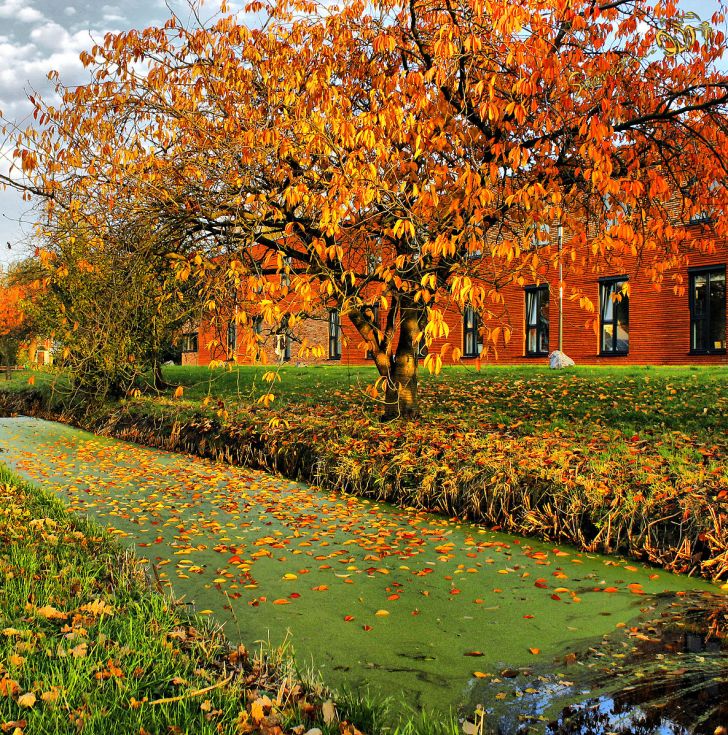
Eutrophication in a European canal. Image: Wikipedia
When an aquatic ecosystem is loaded with excess nutrients – from detergents, fertilisers or sewage, for example – algal blooms often occur. High levels of nutrients such as nitrogen and phosphate in a water body can cause rapid growth of plants and algae, which can ‘choke’ the ecosystem of light and oxygen.
When algae die and decompose, the nutrients they contain are converted into inorganic forms by microorganisms, a process which consumes oxygen. This means that decomposing algal blooms can starve an aquatic ecosystem of dissolved oxygen, which is vital for fish populations. Waterbodies with low dissolved oxygen are described as anoxic, or in extreme cases as experiencing hypoxia.
These ecological responses to increased nutrient levels are often called eutrophication. Eutrophication can be a natural process, occurring over long timescales in response to climatic changes and geological weathering, but is vastly accelerated in both speed and impact by nutrient pollution from human activity.
Eutrophication has become a major environmental issue in lakes, canals and slow flowing rivers in Europe and North America since the mid-20th century. Its impacts can vary, but often include reductions in freshwater biodiversity, fish kills, increases in water toxicity and cloudiness, and the resulting need for increased water treatment to produce safe, clean drinking water.
In Europe, the adoption of the Water Framework Directive in 2000 has forced national governments to take steps to reduce nutrient pollution in lakes and rivers. Many lakes that became dominated by phytoplankton under eutrophication are now recovering, and supporting increasingly diverse and healthy ecosystems.
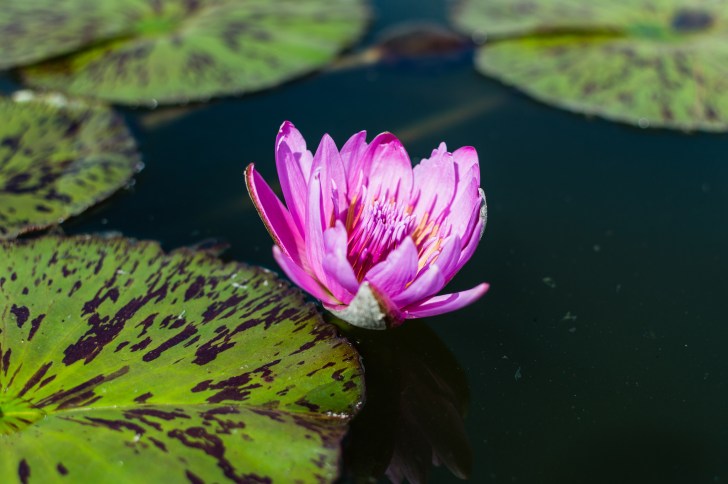
A water lily in Westfalenpark, Dortmund. Water lilies are an example of macrophytes. Image: Mathias Appel | Flickr Creative Commons
Ecological monitoring procedures using biological quality elements – such as phytoplankton or aquatic plant (or macrophyte) populations – are used to help scientists track the ecological recovery of freshwaters in response to reduced nutrient levels. Existing studies have found that macrophyte recovery may be delayed, whereas phytoplankton levels often showed almost immediate reductions.
Delayed macrophyte growth is likely to be due to longer generational time, dispersal limitations, and a lack of viable seed banks for regrowth. As such, macrophytes’ complex and variable responses to reduced nutrient pollution make them potentially unreliable biological indicators for surveying water quality, at least in the short term.
Over longer periods, the restoration and regrowth of a formerly eutrophic ecosystem is likely to be dominated by new plant communities. However in the short term (e.g. from season to season) phytoplankton levels are generally used to provide the best indicator for water quality changes, which are then reported to the Water Framework Directive monitoring program.
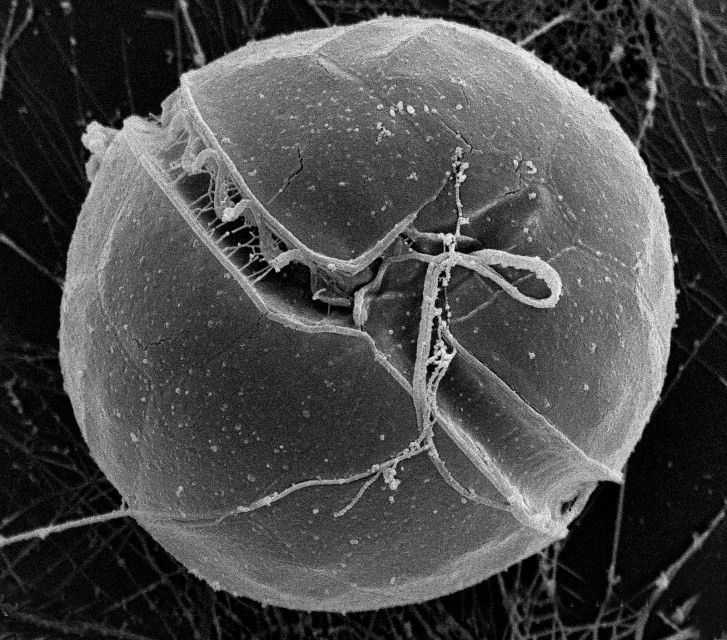
Durinskia baltica, a type of phytoplankton, under an electron scanning micrograph. Image: FWC | Flickr Creative Commons
A new study, published in the journal Ecological Indicators, tests the responses of macrophyte and phytoplankton communities to reductions in nutrient levels in lakes. The study, led by Falk Eigemann from the Leibniz Institute of Freshwater Ecology and Inland Fisheries in Germany, assessed 263 German lakes recovering from historical nutrient pollution and eutrophication between 2003-2012.
The study found that a lake’s ecological status was recorded as lower when using macrophytes as a biological quality element, as compared to when phytoplankton. This is due to the lag in response of macrophyte populations to reduced nutrient levels in the ecosystem.
Longer-term data (beginning in the 1980s) from five lowland lakes where phosphorus levels had been reduced showed that phytoplankton levels indicated a constant improvement in ecological status which tracked decreases in nutrient levels. Macrophytes, on the other hand, showed a 10-20 year delay in their ecological recovery.
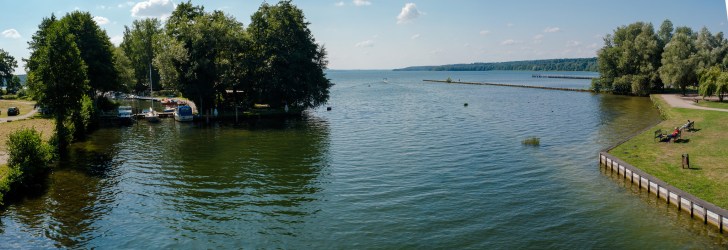
Lake Tollensesee in Germany, one of the longer-term studies. Nutrient levels in the lake have been reduced as a result of improved wastewater treatment. Image: Sören | Flickr Creative Commons
There are two important points to take from this study. First, the study’s authors confirm that the way ecological status is measured (i.e. the choice of indicator) affects monitoring results. However, the parallel reductions in phytoplankton levels in response to decreasing nutrient levels confirm its usefulness as a bioindicator.
Second, and more broadly, the study demonstrates how ecological recovery and restoration is a slow process, even when measures such as nutrient reduction are put in place. As the authors of this study put it, “each lake ecosystem is unique and thus responds differently. When sufficiently low nutrient concentrations have been achieved, still patience may be needed when anticipating an improved ecological lake status.”
The study suggests that in German lakes, aquatic plant communities may take decades to regrow after eutrophication. Even where political and public will is in place, ecological recovery is often a slow, and potentially unpredictable, process.
Multiple stressor indicators, interactions and impacts at a MARS workshop in Lisbon
In December 2015, a team of MARS scientists responsible for investigating and modelling the effects of multiple stressors on river basins across Europe held a project workshop in Lisbon, Portugal. The workshop discussions – organised by Teresa Ferreira – are shown here in a series of pictures taken by MARS scientist Christian Feld.
A key topic at the workshop was to analyse ongoing data about how biological indicators, such as fish abundance, are affected by multiple stressors, such as habitat loss or pollution, at the river basin scale. Here, the team sought to identify most important stressors and, if present, their interactions.
Christian Feld explains how multiple stressors can interact in freshwater ecosystems:
Stressor interactions mean that two stressors – for example, increases in nutrient concentrations and water temperature – act together to create problematic ecological effects.
Here, we have a typical example of ‘synergistic’ stressors, which interact and together increase their individual effects. In other words, the joint effect of nutrient pollution and increased temperatures is more than the sum of individual effects.
The other main type of multiple stressor interaction is antagonistic, which is when one stressor (in part) reduces the effect of another.
Understanding the interactions and impacts of multiple stressors on freshwater ecosystems is one of the key challenges for the MARS project. In an increasingly human-impacted world, most ecosystems are subject to numerous stresses from many sources. An awareness how these stressors interact is therefore important for guiding environmental management, policy and conservation.
For example, restoration and conservation efforts on a river which is in poor ecological health as a result of pollution, habitat loss and invasive species need to understand the interactions between these multiple stressors in managing their mitigation.
If there are antagonistic interactions, management of a single stressor could lead to the effects of its interactive pair becoming stronger. Restoration and conservation efforts which focus on single stressors might therefore have unexpected outcomes for the health and diversity of an ecosystem.
Participants at the Lisbon workshop agreed on a standardised procedure for analysing stressor interactions, which can be applied across all European river basins. The results of these analyses will feed into that of other MARS teams who are synthesising data on multiple stressor impacts and interactions at the European scale.
Christian Feld explains why this work is important:
We wish to see if multiple stressor patterns and results are comparable across Europe; and across streams, rivers, lakes and estuaries.
We want to know which organisms are the best indicators of multiple stressors (fish, invertebrates, plants); and we wish to know which stressors and stressor combinations act at broad (continental) scales, and which act rather regionally or locally.

Inga Dam on the Congo River. Image: International Rivers | Flickr | Creative Commons
A boom in construction of major hydroelectric dam projects on the Amazon, Congo and Mekong rivers increasingly threatens a range of rare and unique freshwater biodiversity according to a new study published in Science.
Existing dams on the three basins are generally small and located in upland tributaries, but over 450 additional major dams are planned, with some already under construction. Most of these dams are planned to be built in areas of fast water flow – such as waterfalls and rapids – which are often hotspots of high biodiversity.
These three river basins hold roughly one-third of the world’s freshwater fish species. The 450 additional dams being planned or under construction in these basins put many unique fishes at risk.”
Lead author Kirk Winemiller, professor of wildlife and fisheries sciences at Texas A&M University
The challenges of dam construction in areas of unique freshwater biodiversity
The authors of the study, a team of scientists from 30 academic, government, and conservation organisations in eight countries, suggest that proposals for major hydropower projects in the three basins regularly overestimate the economic benefits of their construction whilst underestimating their environmental impacts.
The authors recommend that improved approaches to dam planning, siting and evaluation are crucial. Strategic basin-scale planning that balances the potential benefits of hydropower production with the need to sustain biodiversity and ecosystem services is needed. Such trade-off analyses are now possible due to the development of increasingly comprehensive biodiversity, socioeconomic and energy datasets for the basin areas.
Without such careful and large-scale planning, the study argues that increasing dam construction on the Amazon, Congo and Mekong basins has the potential to significantly reduce rare and endemic freshwater biodiversity, and to compromise the livelihoods of the human communities that depend on the river ecosystems.

Construction of the Belo Monte dam in Brazil. Image: Wikimedia Commons
Environmental impacts of dams at different scales
Recent scientific research suggests that dam site selection strongly influences the environmental impacts of construction. Dams inevitably impact freshwater biodiversity at a local scale, for example, by changing water quality and hydrology. Dam construction can catalyse a phenomenon known as an ecological regime shift, where a dynamic and complex ecosystem becomes more homogeneous and less productive. Studies of existing tropical reservoirs created above dams (pdf) have found they are often dominated by a small number of common fish species and often inhabited by non-native species introduced for angling or aquaculture.
Dams also have much wider environmental impacts, significantly in blocking migration routes and fragmenting fish and animal populations, particularly for species that require different habitats (e.g. flood plain nursery areas) at different stages of their life-cycles. Research conducted in Brazil on fish passages (or ladders) suggests that they are largely ineffective (or even damaging) in facilitating the movement of migratory fish stocks. The effects of dam construction may also be seen in river estuaries and deltas, and even in the marine ecosystems they feed, as changes to upstream nutrient and sediment dynamics cascade downriver.
So, with the knowledge of this range of environmental effects at different scales, the authors recommend that to minimise biodiversity loss in tropical river basins, planning for any proposed dam construction must take place at the basin scale.
Planning for the ecological, economic and social impacts of dam construction
The authors suggest that planning and approval processes for large hydropower dams are rarely comprehensive or transparent and regularly overestimate the economic benefits of dam construction. For example, the The Inga I and II dams on the Congo, constructed in the 1970s and 1980s, currently yield only 40% of the 2132-megawatt installed capacity.
Planned additional dams – Inga III and Grand Inga – would harness as much as 83% of the river’s annual discharge, significantly diverting and reducing water flows downstream. It is also suggested that hydropower dam proposals often underestimate the costs of mitigating the environmental damage they cause. For example, around $26 billion has been spent so far on mitigating the environmental impacts of the huge Three Gorges Dam in China.
Long-term ripple effects on ecosystem services and biodiversity are rarely weighed appropriately during dam planning in the tropics. There is good reason for skepticism that rural communities in the Amazon, Congo, and Mekong basins will experience benefits of energy supply and job creation that exceed costs of lost fisheries, agriculture, and property. An improved approach to dam evaluation and siting is imperative.
Co-author Peter McIntyre, assistant professor of zoology in the Center for Limnology at the University of Wisconsin–Madison
Freshwater biodiversity isn’t evenly distributed throughout these huge river basins, and many sub-basins and tributaries contain unique species that aren’t found elsewhere. Lead author Kirk Winemiller explains, “The Xingu River, a major Amazon tributary, provides a good example of this. The lower stretch of the Xingu is a complex of rapids that provides habitat for about four dozen fish species found nowhere else on Earth.”
These endemic fish species living in the Xingu are now threatened by the Belo Monte hydroelectric project, which Winemiller argues will “radically change the river, its ecology, and the lives of local people, especially indigenous communities that have depended on the river’s ecosystem services.” Indeed, it has been suggested that the Belo Monte dam may set a new record for biodiversity loss as a result of construction due to the selection of a site with exceptional species endemism.
The impacts of the hundreds of proposed Amazon dams are also likely to include forced relocation of human populations and expanding deforestation. Co-author Leandro Castello, assistant professor of fish conservation at Virginia Tech explains:
Even when environmental impact assessments are mandated, millions of dollars may be spent on studies that have no actual influence on design parameters, sometimes because they are completed after construction is underway. A lack of transparency during dam approval raises doubts about whether funders and the public are aware of the risks and impacts on millions of people.
Leandro Castello
Recommendations for balancing major dam construction and freshwater biodiversity conservation
Because of their immense biodiversity and critically important fisheries and other ecosystem services such as floodplain agriculture, tropical rivers pose a special challenge for hydropower development. We are advocating for improved assessment of hydropower costs and benefits based on more comprehensive, science-based, and timely evaluation of hydropower potential, biodiversity, ecosystem services, and socioeconomic patterns at the river basin scale.
Kirk Winemiller
The study suggests that for the first time, spatial data on biodiversity and ecosystem services in the three basins can support new analyses that balance the costs and benefits of hydropower construction.
New analytical methods can be used to study the cumulative impacts of multiple dams on interacting factors such as hydrology, sediment dynamics, ecosystem productivity, biodiversity, fisheries, and rural livelihoods throughout watersheds. “Incorporating these data and tools into assessment protocols would boost the credibility of dam siting in the eyes of all stakeholders,” argues Winemiller.
The study concludes with a set of firm recommendations:
Institutions that permit and finance hydropower development should require basin-scale analyses that account for cumulative impacts and climate change. Common-sense adjustments to assessment procedures would ensure that societal objectives for energy production are met while avoiding the most environmentally damaging projects.
Without such careful planning, the authors suggest that the proposed dam construction on the Amazon, Congo and Mekong basins has the potential to significantly impact the rich biodiversity and diverse ecosystem services that they support.
“Balancing hydropower and biodiversity in the Amazon, Congo, and Mekong” Science, 08 Jan 2016:
Vol. 351, Issue 6269, pp. 128-129
Our top 15 posts of 2015

River Möll, Carinthia, Austria. Image: Rafaela Schinegger
As we reach the end of 2015 we wanted to say thanks to you, our readers. It’s been a great year in which we’ve covered many fascinating studies, interviews and projects on freshwater science, policy and conservation.
Looking back over the year, here’s our top 15 posts of 2015. Please feel free to tweet us @freshwaterblog with your favourite posts, and your suggestions for topics for the coming year.
***
1. Multiple Perspectives on Multiple Stress
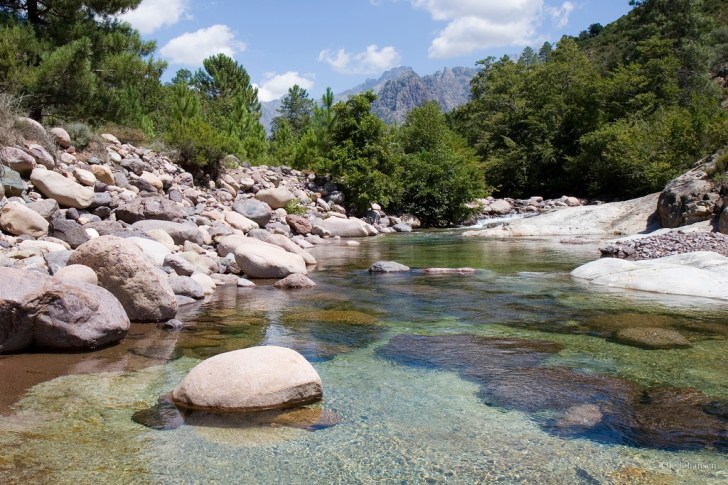
A Mediterranean river: the Fango Valley in Corsica. Image: Ole Reidar Johansen (Flickr | Creative Commons)
“The January 2015 edition of the Science of the Total Environment journal features of selection of articles on the theme of “Towards a better understanding of the links between stressors, hazard assessment and ecosystem services under water scarcity.” The issue features three articles by the supporters of this blog, the MARS, SOLUTIONS and GLOBAQUA projects, discussing three different perspectives on studying and managing multiple stressors – i.e. factors such as pollution and drought which may have negative effects on the ecosystem – in freshwaters.”
2. Why are global crayfish populations declining?

Image: Flickr | coniferconifer | Creative Commons
“A third of global freshwater crayfish populations are threatened with extinction, according to a newly published report. A large team of researchers from the UK, Ireland, USA, Mexico, Australia and Austria, led by Nadia Richman at the Zoological Society of London, evaluated the extinction risk of the world’s 590 freshwater crayfish species based on the IUCN Red List categories.
32% of global crayfish species were classified by the team as ‘at risk of extinction’, a figure far higher than for most marine and land-dwelling animals and plants. This high extinction risk is unlikely to be helped by the fact that only a small proportion of global crayfish populations are covered by existing protected areas for conservation.”
3. MARS Podcast: an interview with Professor Steve Ormerod
“Join us on the banks of the River Brun in Burnley in North West England to meet Steve Ormerod, Professor of Ecology at Cardiff University, chair of the RSPB council and co-leader of the MARS project catchment segment.
On a cold, blustery spring morning with dippers flitting past and robins singing in the trees, Steve tells us about the history of the Brun, and its recent restoration after years of pollution. Steve explains the concepts of freshwater stressors and ecosystem services, and tells us about his work with MARS.”
4.Nutrient pollution can harm stream ecosystems in previous unknown ways

A North Carolina forest stream. Image: Jenn Deane | Flickr Creative Commons
“It has long been known that nutrient pollution – the overloading of chemicals such as nitrogen and phosphates from sources such as agricultural fertilisers – can have potentially harmful effects on freshwater ecosystems. In particular, eutrophication – the rapid growth of algal ‘blooms’ – can starve the aquatic environment of light and dissolved oxygen, prompting shifts in the form and function of the ecosystem, and potentially causing collapses in populations of other freshwater plants and animals.
However, a new study published in the journal Science by a team of researchers from the University of Georgia, USA suggests that nutrient pollution can also prompt significant losses of carbon from forest stream ecosystems, which in turn reduces their ability to support aquatic life.”
5.The State of Nature in the EU: an unfavourable picture for freshwaters

Avon Meadows Community Wetlands in Worcestershire, England have been created on the rural-urban fringe to encourage biodiversity, reduce flooding and improve water quality on the nearby River Avon. Image: Geoff Moore | Flickr | Creative Commons
“Last week the European Environment Agency released their ‘State of Nature in the EU‘ report, which uses comprehensive data collected across the continent between 2008-2012 assess the status of and trends in biodiversity and natural habitats across Europe. Data on Europe’s species and habitats was collected by individual countries (or member states) as part of monitoring for the Birds Directive and the Habitat Directive – European environmental policies designed to help guide conservation, protected area management and environmental restoration across the continent”
6. Discovering the Dragonflies and Damselflies of Eastern Africa

Spesbona angusta, a damselfy thought to be endemic to the Western Cape, South Africa. First named Metacnemis angusta in 1869, this damselfly was thought extinct between 1920 and 2003 when a small population was rediscovered near Cape Town. Image: Jens Kipping
“Dragonflies and damselflies (or Odonata as commonly termed) are some of the most fascinating and beautiful freshwater species in the world. Exhibiting a huge variety of eye-catching colours and with wings flecked with unique patterns, Odonate species live in most parts of the world, laying their eggs in and around bodies of water, and commonly seen flitting about reeds and lily pads on the fringes of lakes, rivers and wetlands.
A comprehensive new book documenting the dragonflies and damselflies of tropical East Africa has recently been published, co-written by Klaas-Douwe ‘KD’ Dijkstra from the Naturalis Biodiversity Center in The Netherlands and Viola Clausnitzer at the Senckenberg Museum of Natural History in Germany. The product of fifteen years of fieldwork, research and writing, The Dragonflies and Damselflies of Eastern Africa is the first handbook of its extent and detail on tropical Odonata.”
7. Underwater sound pollution leaves juvenile European eels vulnerable to predators

A heavily laden container ship: what effects will the sound pollution it emits have on underwater life? Image: four12 | Flickr | Creative Commons
“Many of us know about the familiar sources of water pollution: fertilisers running off agricultural fields, sewage leaking from underground pipes and oil and fuel leaking from boats, amongst many others. But what if the pollutants and stresses on aquatic environments weren’t chemical and visible, but sonic and audible? How might noise pollution affect underwater life, and how might we manage it? How, in fact, in a crowded, noisy world do we even define what noise pollution might be?
A recent study published by Stephen Simpson and colleagues at the Universities of Exeter and Bristol in England investigated how the noise made by ships affects the behaviour of juvenile European eels. They found that underwater sound pollution significantly affects the behaviour of juvenile eels in ‘life or death’ scenarios when ambushed or pursued by a predator. Their findings suggest that sound may need to be increasingly taken into account when assessing the multiple pollutants and stressors that aquatic life is exposed to, both in oceanic and freshwater ecosystems.”
8. Microplastic pollution: an emerging freshwater stressor
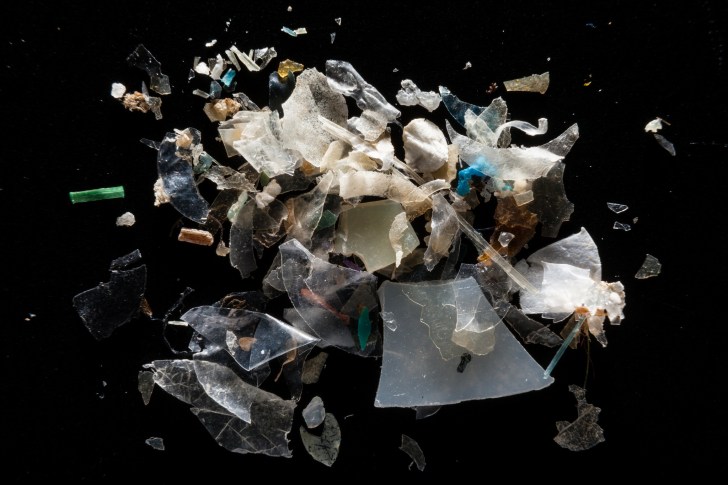
Microplastics found in the Magothy River, Chesapeake Bay, USA. Image: Chesapeake Bay Program | Flickr Creative Commons
“In recent years, microplastic pollution has been identified as an increasingly pervasive and damaging environmental stressor in the world’s seas, found even in remote locations in the Arctic ocean and deep sea trenches, far from human settlements.
Microplastics are, as the name suggests, tiny particles of plastic (less than 5mm in size in this study) which enter aquatic environments either directly as manufactured pellets from industrial and farming processes and microbeads from cleaning and cosmetic products; or indirectly through the erosion and breakdown of larger plastic items such as fishing nets and household waste. When ingested by fish and marine mammals, microplastics can obstruct or damage internal processes, cause bodily stress, and potentially lead to the uptake of harmful chemicals.
A paper published earlier this year in the journal Water Research, led by Dafne Eerkes-Medrano at the Aquatic Ecology Group, Department of Zoology at the University of Cambridge provides a timely overview of research on the impacts of microplastics on freshwater systems.”
9. The state of scientific knowledge on aquatic multiple stressors

MARS scientists studying multiple stressors in Lake Beyeshir, Turkey. Image: METU Limnology Laboratory
“New scientific research suggests that multiple stresses – chemical pollution, drought, floods, habitat destruction amongst many others – can interact in complex and dynamic ‘cocktails’. These interactions may intensify their individual effects on freshwaters: in other words, the combined damage multiple stressors cause to ecosystems may be more than the sum of the individual parts (known as a synergistic effect).
As studies such as this one by Daniel Hering and colleagues from earlier in the year suggest, multiple stressors pose a series of new, complex and non-linear challenges for aquatic ecosystem conservation and, increasingly, restoration. But despite this emerging awareness of the challenges multiple stressors pose to the health of freshwater ecosystems, there are comparatively few scientific studies which provide quantitative evidence on their effects, making it difficult to inform suitable management and mitigation strategies.
Responding to this shortfall in knowledge, a team of MARS scientists led by Peeter Nõges from the Estonian University of Life Sciences, reviewed 219 existing scientific papers, published since 1986, which quantify the prevalence and effects of multiple stresses on river, lake, groundwater and estuary environments.”
10. Freshwaterecology.info: an online database for European freshwater species
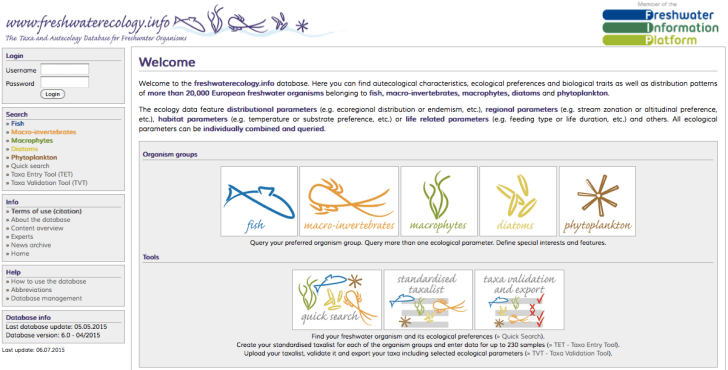
“In recent years, numerous European environmental policies have been implemented to protect, conserve and restore the continent’s freshwater ecosystems. Two key pieces of European legislation, the Habitats Directive and the Water Framework Directive, have a strong focus on biodiversity. In the Water Framework Directive (first implemented in 2000), analyses of different “biological quality elements” are used to assess the ecological health and status of water bodies (predominantly using data on biological traits and ecological preferences of freshwater species), which in turn guides funding for conservation and restoration work.
As a result, to properly implement such environmental policy requires comprehensive and detailed information on freshwater species. However, until now, such data has largely been scattered, incomplete and not comprehensive: varying widely in quality and precision. To address this shortfall, the freshwaterecology.info database has been set up to provide comprehensive and harmonised data on the ecological characteristics of European freshwater species, which can be used by scientists, policy makers, environmental managers, students and the public.”
11. The MARS ‘cookbook’ for assessing freshwater multiple stresses and ecosystem services
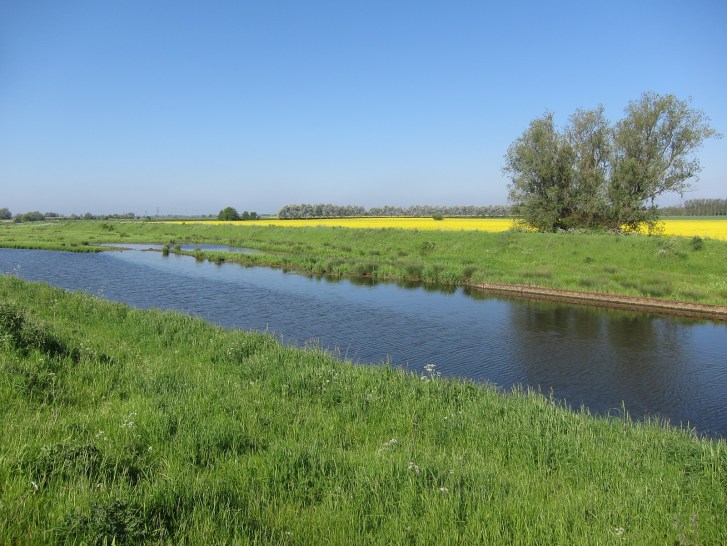
River Great Ouse in arable farmland. © Copyright Hugh Venables and licensed for reuse under this Creative Commons Licence
“The MARS project assesses the impacts of multiple stressors on the provision of ecosystem services from freshwater ecosystems, under different climatic and land-use scenarios. The project has developed an innovative new assessment methodology – termed a ‘cookbook’ – to allow scientists, environmental managers and policy makers to quantify the relationships between multiple stresses and ecosystem service provision and value. The cookbook provides an invaluable tool to support the implementation of the Water Framework Directive in Europe.”
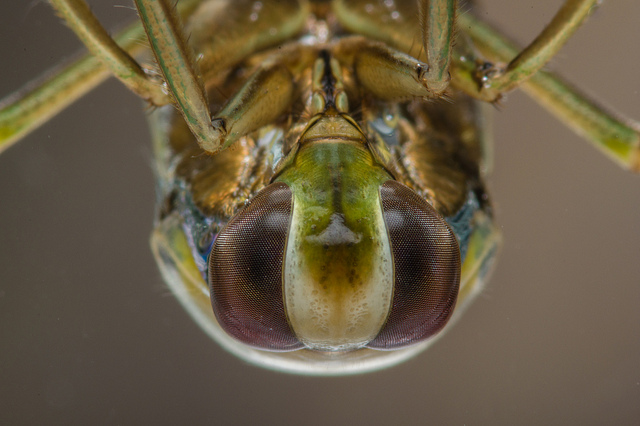
An unfamilliar view of a familiar creature: the common backswimmer (or water boatman). Image: Neil Phillips
“For a while now, we’ve been enjoying fantastic wildlife photographs taken by Neil Phillips and posted on his @UK_Wildlife twitter page. Many of Neil’s photographs capture otherwise unseen views of underwater life, providing a window into this diverse and often beautiful submerged world.
In many ways, Neil’s photographs demonstrate a shared goal between freshwater science and art: that is through a curiosity to document and bring to life the patterns and processes of underwater life, largely obscured to the naked eye. As you can see above, Neil’s macro photography can make even familiar creatures like the water boatman seem newly fascinating, curious and strange.”
13. What influences the ecological success of river restoration?

A section of the renaturalised River Emscher in Germany. Image: DESSIN Project
“River restoration schemes take a range of different approaches. Many restoration projects attempt to recreate ‘natural’ river processes and features such as flow amount and speed, stream depth and width, meanders and riffles. Another common restoration approach is to remove human barriers such as weirs and dams to improve continuity and connectivity between different habitats along a river’s course.
Other restoration approaches focus on the areas of land around rivers, planting strips of riparian vegetation along the river, to buffer pollutants and sediment from reaching the river, or using environmental policy to reduce groundwater abstraction from agriculture and industry. And finally, some restoration schemes focus on reintroducing plants and animals that have been lost over time – for example beavers or juvenile salmon. Most river restoration schemes use a combination of these approaches, depending on the individual river to be restored, its ecological and social histories, and the various priorities for restoration outcomes.
But as yet, there is little synthesised information on the factors that influence the success of river restoration initiatives across the world. However, a new study bringing together all the available global scientific literature and data on the ecological effects of river restoration, led by Jochem Kail from the University of Duisberg-Essen in Germany and published in Ecological Indicators, may help shed new light on this shortfall, and help guide environmental managers in designing restoration work.”
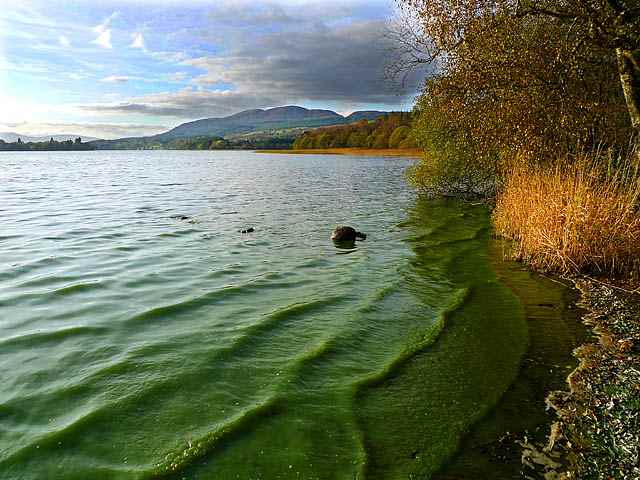
Algal blooms in the Lake of Menteith, Scotland. Image: Dr Richard Murray | Creative Commons
“Stressors are environmental changes that place stress on the health and functioning of an ecosystem. There is increasing evidence – largely from marine environments – that multiple stressors may interact to produce unexpected effects on aquatic ecosystems. However, there is a pressing need to better understand the ‘ecological surprises’ caused by multiple stressors in freshwater ecosystems (a point made in papers by MARS scientists Steve Ormerod in 2010 and Daniel Hering and colleagues in 2015).
Existing scientific literature from marine environments show that multiple stressors can have effects that are greater than the sum of those caused by individual stressors. This ‘synergistic’ interaction poses important questions for environmental managers and policy makers. In short, it is difficult enough to manage individual stressors such as pollution, habitat destruction and overfishing, without the unexpected and, as yet, largely unpredictable interactions and effects these stressors might have.
In the light of this uncertainty, a team of researchers from the University of Pretoria in South Africa and the University of Alberta in Canada analysed data from 88 existing scientific studies that show the responses of freshwater ecosystems to pairs of stressors. The team, led by Michelle Jackson from the University of Pretoria, brought together the findings of these studies to investigate the characteristics and effects of different stressor interactions; and the extent to which interactions vary between different stressor pairs and response measurements.”
15. Water and Climate Change at COP21 in Paris

Delegates at the Water Resilience Focus event organsied by the Lima to Paris Action Agenda. Image: UNFCCC
“This week and next, governments, policy makers and NGOs from around the world are meeting in Paris to work towards a new international agreement on climate change intended to keep future global warming below 2°C. The 21st Conference of the Parties to the United Nations Framework Convention on Climate Change (or COP21) takes place in a year declared the hottest on record by the World Meteorological Organisation.
Water is an key medium through which climate change affects human and non-human lives. Climatically-altered precipitation patterns, extreme weather events (and ensuing floods and droughts), and shifting water temperatures all contribute to alterations in the quality and quantity of freshwater available to humans, plants and animals in ecosystems around the world.”