European Nature Restoration Law takes significant step towards adoption
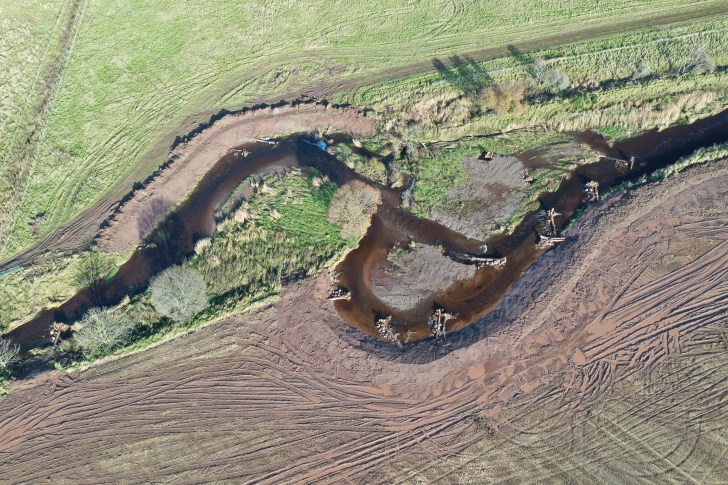
A provisional agreement was reached on a major EU law supporting the ambitious ecological restoration of Europe’s land, water and seas last week.
The path to the adoption of the EU Nature Restoration Law has been long and complex. Originally proposed in June 2022, the law was designed to obligate European countries to restore at least 20% of their land and seas by 2030, and eventually extend measures to all ecosystems in need of restoration by 2050.
The poor condition of many European ecosystems and the worsening climate crisis mean there is a critical and urgent need for large-scale ecological restoration across the continent. However, the Nature Restoration Law has faced sustained criticism from lobbying groups concerned with its impacts on food production, with the European People’s Party (EPP) chief negotiator, Christine Schneider labelling it as “an attack on European agriculture, forestry and fisheries.”
In July 2023, the European Parliament adopted the Nature Restoration Law after a narrow vote, following months of lobbying and debate. Last week, a provisional agreement was reached between the European Parliament and the Council on the Nature Restoration Law to set the formal adoption of the law in motion.
Negotiators agreed on the targets for EU countries to restore 20% of their land and seas by 2030, and all ecosystems in need of restoration by 2050. To achieve these goals, countries must restore at least 30% of habitat types in poor condition by 2030, increasing to 60% by 2040, and 90% by 2050.
“We are faced with an increasingly dramatic reality: EU’s nature and biodiversity are in danger and need to be protected,” said Teresa Ribera Rodríguez, Minister for the Ecological Transition of Spain. “I am proud of today’s indispensable agreement between the Council and Parliament on a nature restoration law, the first of its kind. It will help us rebuild healthy biodiversity levels across member states and preserve nature for the future generations, while fighting climate change and remaining committed to our climate goals.”
Freshwater ecosystems will benefit from the adoption of the Nature Restoration Law. The law states that EU countries should identify and remove human-made barriers such as weirs and dams, in order to make at least 25,000km of the continent’s rivers free-flowing by 2030. Moreover, there are significant provisions to expand and improve European forest ecosystems and urban green areas – which play vital roles in supporting the health of river catchments.
However, concessions have been made in the law to appease the concerns of agricultural lobbying groups. The new text removes a requirement that would have ensured that 10% of farmland contained biodiversity habitat such as flower strips and hedgerows. Similarly, a new line adds that countries are not obliged to use EU farming funds to support nature recovery projects.
These concessions have impacted how peatlands – vital stores of carbon, havens for biodiversity, and buffers for flood waters – will be rewetted across the continent. The law sets targets for countries to restore 30% of their drained peatlands under agricultural use by 2030, rising to 40% by 2040 and 50% by 2050. However, negotiators agreed that countries that are ‘strongly affected’ by such measures can work towards less ambitious targets. Moreover, the law does not obligate farmers and private landowners to achieve the rewetting targets on their land.
The Nature Restoration Law is an integral part of the EU Biodiversity Strategy for 2030. More widely, it is designed to help the EU reach international commitments to the restoration of nature, particularly the UN Kunming-Montreal global biodiversity framework – to protect 30% of the planet by 2030 – agreed at the UN COP15 conference in 2022.
One strategy adopted by proponents of the law has been to cite the economic benefits of large-scale restoration across Europe. Their cost benefit analysis suggests that every Euro spent on restoration provides a return on investment between €8 and €38 depending on the ecosystem. For freshwaters, it is estimated that €35–40 billion in investment into restoration will generate between €862 to 1053 billion in return. This is due to the benefits that healthy, functioning freshwaters provide to society: things like water purification, flood protection, fish stocks, and climate change mitigation. In other words, this analysis suggests that large-scale freshwater restoration doesn’t only make environmental sense, it makes economic sense too.
The Nature Restoration Law must now be formally adopted by the European parliament and council. Once adopted, EU countries will submit national restoration plans showing how they will deliver on their targets towards 2050. Additionally, countries will be encouraged to explore private and public funding sources to help finance restoration measures.
However, the “biggest hurdle” for the law is potentially yet to come, according to Chiara Martinelli, Director of Climate Action Network Europe. “While we are glad to have a provisional institutional joint agreement before the end of the year, restoration obligations are yet to be assessed,” Martinelli said. “There is also the biggest hurdle still to come which will be its adoption by the Parliament’s Environment committee. We call on MEPs to vote for the approval of the agreement, so Member States can immediately reverse the degradation trend in European ecosystems and jointly tackle the climate and biodiversity crises.”
///
This article is supported by the MERLIN project.
Working with nature to shape a healthier future for Europe’s rivers

Europe’s rivers are under threat from numerous pressures including habitat loss, pollution and dam construction, which are all occurring alongside the rapidly growing impacts of the climate crisis. There is a pressing need to change how we manage our river catchments to ensure both nature and human communities can thrive.
Recent research strongly suggests that natural processes can play a vital role in shaping new approaches to managing our rivers and floodplains. So-called nature-based solutions harness and boost natural processes to help benefit both people and nature.
For example, natural buffering of flooding can be encouraged by reconnecting a river with its floodplains after years of being trapped in concrete channels. Or the availability of safe, filtered drinking water might be increased by restoring wetlands which can naturally filter water across a catchment. And planting so-called ‘riparian zones’ of trees and other vegetation along river banks can help provide valuable biodiversity habitat, keep water bodies cool, and lock up carbon to help mitigate climate change.
In short, by helping nature thrive, nature-based solutions can help tackle some of the most pressing issues faced by humanity, such as climate change, human health and sustainable food and water provision.
These lofty goals are increasingly backed up by evidence. A 2020 WWF report outlines how nature-based solutions are vital to help reduce risks from extreme river flooding, manage water scarcity and drought risk, and improve water quality in catchments. A 2021 Deltares report shows that nature-based solutions can help drive climate change adaptation. It highlights that ‘making room for rivers’ by restoring their natural flows across floodplains is the most sustainable and cost-effective solution to mitigate the effects of worsening floods across Europe.
The MERLIN project recently released a new infographic showing the value of nature-based solutions to help restore Europe’s rivers. Its ‘Vision for Europe’s rivers’ illustrates how five different kinds of management measures can help produce a range of valuable benefits for people and nature.
The infographic shows how nature-based solutions can be deployed all the way along a river catchment. In the mountainous headwaters, it illustrates how ‘rewiggling’ rivers across their natural floodplains can help boost biodiversity and provide valuable spaces for recreation. Further downstream, it shows how measures such as ‘green cities’ and wetland restoration can help buffer flood and drought risks, and help boost carbon storage in the landscape.
You can access versions of this infographic in multiple languages on the MERLIN website.
A drop on a hot stone? Making space for stream restoration in Portugal
The MERLIN project is supporting nature-based solutions in freshwater restoration projects across Europe. The restoration of streams across the Sorraia floodplains in Portugal takes place in landscapes significantly affected by intensive agriculture and the ongoing climate emergency. As such, there is the need for ambitious new restoration approaches which draw communities of scientists, farmers and policy makers together to help bring these special ecosystems back to life.
This film was shot in October 2023 as a group of researchers from the EU MERLIN project visited the Sorraia floodplains to meet local restorationists and farmers, and to see stream restoration projects in action. The Sorraia is one of MERLIN’s case study sites used to help demonstrate how forward-thinking freshwater restoration approaches can be mainstreamed across Europe.
You can also access this video with Portuguese subtitles here.
///
This article is supported by the MERLIN project.
The High Cost of Cheap Water: annual economic value of global freshwater ecosystems estimated at $58 trillion
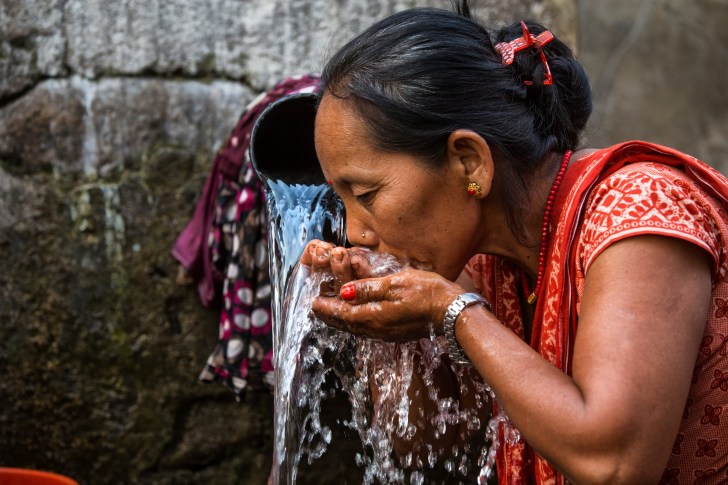
Freshwater is “the world’s most precious and exploited resource” but has always been significantly undervalued in global economies, leading to widespread environmental costs, according to a major new WWF report published this week.
The report estimates that the annual economic value of water and freshwater ecosystems globally is $58 trillion – a figure equivalent to 60% of global Gross Domestic Product (GDP). This startling figure was calculated by estimating the financial value that rivers, streams, lakes, reservoirs and wetlands generate to human societies. Direct economic benefits including water for household drinking, cooking and cleaning, irrigation for agriculture, and to supply industries was calculated at $7.5 trillion each year.
However, the indirect – and often invisible – benefits freshwaters bring to human societies are significantly higher. The report estimates that such indirect values – including purifying water, increasing soil health, storing carbon and buffering communities from floods and droughts – are around $50 trillion annually.
In other words, freshwater ecosystems are not only vital for sustaining everyday societies, but they also provide invaluable life-support systems which help maintain the health of both people and the planet.
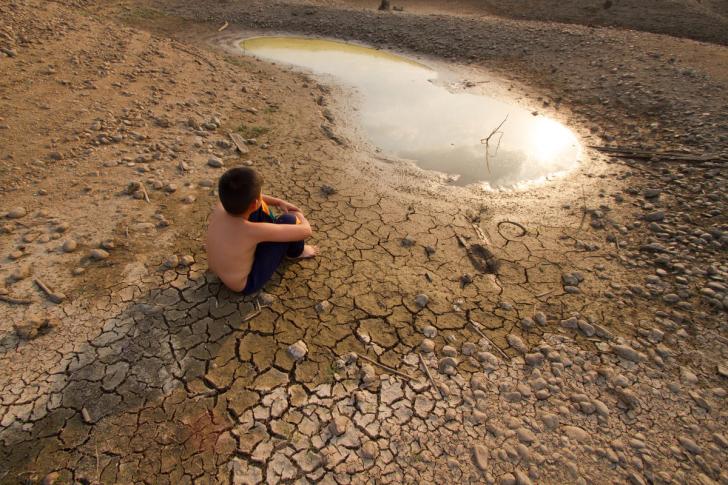
“Water and freshwater ecosystems are not only fundamental to our economies, they are also the lifeblood of our planet and our future,” said Stuart Orr, WWF Global Freshwater Lead. “We need to remember that water doesn’t come from a tap – it comes from nature. Water for all depends on healthy freshwater ecosystems, which are also the foundation of food security, biodiversity hotspots and the best buffer and insurance against intensifying climate impacts. Reversing the loss of freshwater ecosystems will pave the way to a more resilient, nature-positive and sustainable future for all.”
Freshwater ecosystems across the world are increasingly threatened by human pressures such as habitat loss, pollution and over-extraction, all of which are exacerbated by the ongoing effects of the climate emergency. As previous WWF reports have shown, freshwater biodiversity has dropped on average by 83% since 1970, whilst one-third of global wetlands have been lost over the same time period. Currently, two-thirds of the world’s largest rivers are no longer free flowing, and wetlands continue to be lost at a rate three times faster than forests.
“The alarming impacts from droughts, floods, decline of critical species, and water availability for human use and agriculture are staggering,” said Michele Thieme, WWF Deputy Director for Freshwater. “There is still an opportunity to lessen and even prevent these impacts from causing further acute harm, but we must take action now to safeguard these vital life supporting ecosystems.”
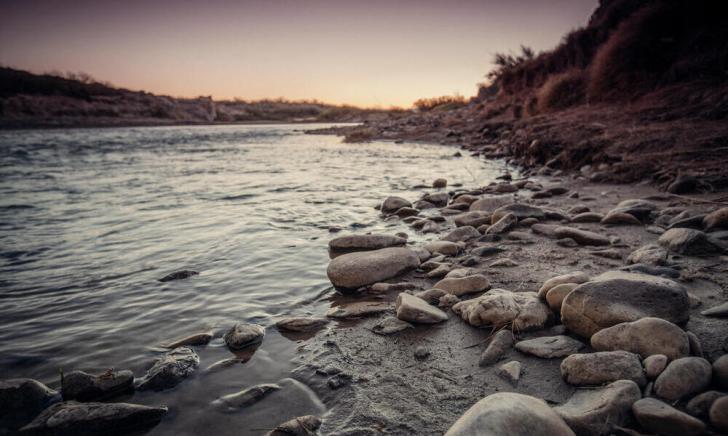
It’s clear that for decades human societies have continually undervalued freshwater ecosystems, and as such failed to properly protect them from harm. And, as this week’s World Food Day theme of ‘Water is Food’ emphasises, it is vital to address this water crisis in order to ensure food security for the world’s growing population. As a recent FAO report shows, around 2.4 billion people globally face moderate or severe food insecurity, whilst half the world experiences water shortages at least once each month.
The key challenge is to better value the life-support systems water provides to global communities, as a means of making its use more sustainable, and its protections more effective. The WWF report calls for global governments, businesses and financial institutions to urgently increase investments into sustainable water infrastructure and nature-based solutions. At the same time, there is the pressing need for effective water governance which can ambitiously conserve and restore freshwater ecosystems, whilst equitably allocating water to the communities which need it.
A valuable initiative for achieving this goal is the Freshwater Challenge, which aims to better integrate freshwater restoration into national policies and planning frameworks. The initiative aims to set ambitious restoration targets which are then mainstreamed into national policy. Further, it seeks to foster support and collaboration between all organisations and communities involved in restoration, and to better mobilise resources to help achieve these targets. Launched earlier this year, the Freshwater Challenge proposes to be the largest global freshwater restoration initiative in history, with aims of restoring 300,000km of degraded rivers and 350 million hectares of degraded wetlands by 2030, and conserving intact freshwater ecosystems, and has been adopted by numerous countries across the Global South.
“Water is one of the cornerstones upon which our shared future stands,” said Dr Kirsten Schuijt, WWF International’s Director-General. “WWF’s report reveals the staggering underlying value of water and freshwater ecosystems to our global economy and environment. Healthy rivers, lakes and wetlands are essential for water and food security, adapting to climate change and sustaining biodiversity, but they also provide priceless cultural and spiritual values that are vital to people’s wellbeing worldwide. It is time for governments, businesses, and financial institutions to invest in protecting and restoring our freshwater ecosystems to ensure we build a future where water flows in abundance for all.”
///
Read the WWF “High Cost of Cheap Water” report
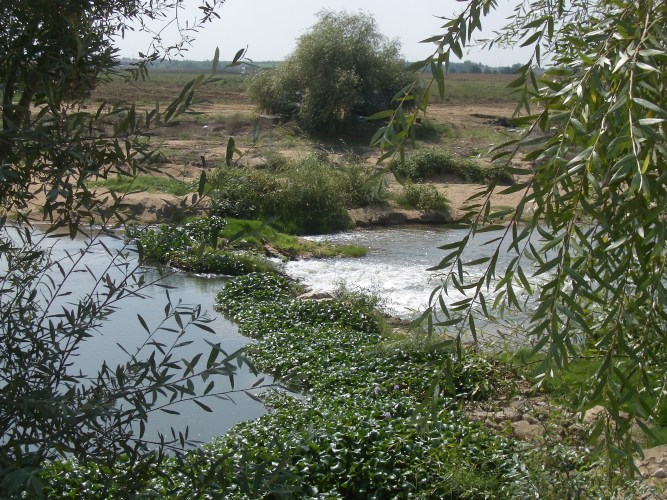
Last week, researchers from the MERLIN project working on the restoration of small streams across Europe met in Lisbon, Portugal to discuss progress and visit case study sites. Following exchanges at the University of Lisbon, the group visited restoration projects in the Sorraia and Ervidel catchments.
With the MERLIN project at the half-way point, discussions centred on how to measure the impacts of restoration projects, and how to gain support from policy makers and financiers to upscale their use across Europe.
Working with the concept of nature-based solutions, the indicators of restoration impact used by MERLIN are not only environmental, but also social and economic. This means that researchers are not only monitoring how restoration is affecting factors like biodiversity and greenhouse gas emissions at their sites, but also how it impacts things like green job creation and private finance mobilisation. The idea is to help build a convincing case for upscaling freshwater restoration across Europe by showing that it can benefit people as well as nature.

As a result, there were also in-depth discussions around leveraging new funding sources for freshwater restoration. Many of these exchanges focused on the potential of private – or non-governmental – sources of funding, whether through donations, in-kind contributions, restoration services or commercial activities such as tourism or insurance.
The plan is to better integrate nature-positive approaches into European economies to help address the growing ecological and climate emergencies. As a result, MERLIN researchers are developing a model to allow restoration managers to map their financial needs, and to provide guidance on the range of funding and revenue options available to them.
This ambitious vision also needs the support of policy makers and industry stakeholders, and MERLIN researchers are working to ensure that the value of nature-based solutions in restoration is widely understood. This means working to develop new governance and participation approaches and fostering a more enabling European policy environment, whether in the application of existing policies like the Common Agricultural Policy, or the development of new ones, such as the Nature Restoration Law.
The MERLIN case studies have a vital role in providing the evidence for this transformative vision, and researchers travelled south from Lisbon to see two Portuguese examples. The Sorraia catchment is intensively managed for agriculture, with upstream reservoirs storing and allocating water to farmers for irrigation using a range of responsive new technologies.
Much of the restoration management along the Sorraia is focused on the riparian zones around the catchment’s streams. Here, invasive species such as the exotic giant reed are being cleared, and native trees and flowers are being planted to improve the habitat for biodiversity. In addition, streams in the Sorraia catchment are bisected by numerous river crossings, weirs and fords, which can impede the movement of fish across the catchment. As a result, fish passes are being installed in some of these barrier structures.
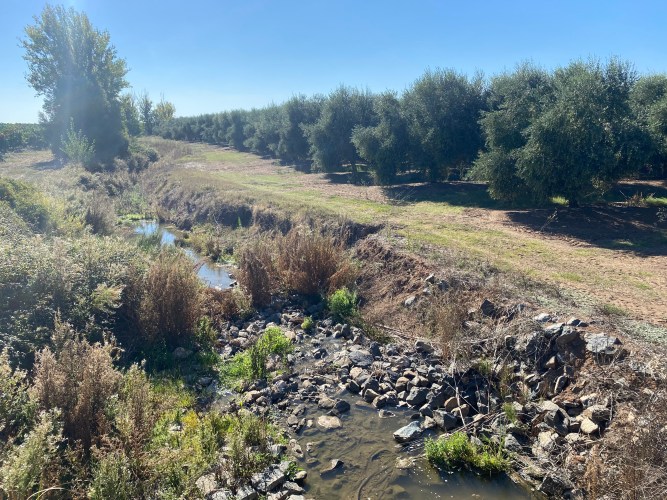
Further south, the Ervidel catchment is similarly dominated by the water needs of farmers. Between crop fields and olive plantations, researchers visited small streams flowing along courses heavily altered for drainage. The streams here are temporary and can be dry for between two and six months each year. Here, restoration focuses on the rehabilitation of river bed habitats, and the maintenance of minimum water flows throughout the year, alongside the replanting of riparian zones. As in the Sorraia catchment, this work requires close collaboration with agriculture and hydropower sectors to make a convincing case for the need for ambitious restoration.

Reflecting on the week, Professor Teresa Ferreira, leader of the Sorraia case study, from the University of Lisbon said: “Transformative change in restoration means sharing experiences and feelings for improving the way we see, use and protect nature. It means understanding different points of view and interests, potentially conflictual, but being able to address such divergences and still find common ground for something better than what already exists. Understanding different perspectives is a powerful tool for transformation, and we need it to break our cocoons of thought and create a stronghold of willingness to change.
“The MERLIN meeting and the trip to the Sorraia case study was such an experience. Mediterranean floodplains are often spoken about, but seldom perceived by other Europeans. Shaped by agricultural activities, the floodplains need restorative actions that ecologists are well aware of in order to get a proper ecological functioning and natural biodiversity, but these actions are constrained by the needs of crops and the limitations of water and space. Understanding such limitations is a key factor for successful restoration, while innovative solutions must be shown to the farmers, such as nature-based solutions and retro-innovations, something they can understand and use, and help them cross legislative obstacles and knowledge gaps.
“We’ve also been seeing intensive agricultural systems in the Mediterranean where water availability plays a key role. In the southernmost region of Ervidel, environmental constraints, climatic drought and water demand for crops, are extreme. Water management and agriculture compete over riverine territory to the point that protective riparian structures often are missing. Transformation towards higher agricultural productivity in this region came with constant water supply from reservoirs, and nature-based solutions or freshwater restoration are not top priorities. We need MERLIN to demonstrate the alternatives.
“I believe with the Sorraia case study visit and landscape observations, we got richer both as restoration practitioners and as humans,” Prof. Ferreira concluded.
///
This article is supported by the MERLIN project.
Warming rivers are losing oxygen faster than the oceans
Climate change is causing rivers across to warm and lose oxygen at a rate faster than the oceans, according to a new study. The study, published in Nature Climate Change shows that warming occurred in 87% – and oxygen loss in 70% – of nearly 800 rivers in the USA and Central Europe between 1981 and 2019.
Urban rivers are warming most rapidly, whilst rivers in agricultural areas are losing oxygen most rapidly, the study states. The latter finding is likely influenced by the algal blooms caused by nutrient pollution in many agricultural landscapes. Often driven by warming water temperatures, algal blooms can deplete water bodies of oxygen when they die and decompose.
Oxygen is crucial in supporting the webs of life that inhabit freshwaters. If dissolved oxygen levels in river water dip too low then species of plants, animals, fish and insects will all struggle to survive. Whilst it has been well documented that oceans and lakes have been losing oxygen due to climate warming, it has been widely thought that – because of their flowing water – rivers were less vulnerable to its impacts.
The study’s findings has significant implications for the health of rivers across Europe and the USA, and is a stark warning of the urgent need for their restoration in order to buffer the harmful effects of climate change. Warming rivers with depleted oxygen levels are vulnerable to fish die-offs and drops in water quality, which can have significant knock-on impacts on local livelihoods through impacted fisheries and tourism.
“This is a wake-up call,” said Prof. Li Li, corresponding author on the paper from Penn State. “We know that a warming climate has led to warming and oxygen loss in oceans, but did not expect this to happen in flowing, shallow rivers. This is the first study to take a comprehensive look at temperature change and deoxygenation rates in rivers — and what we found has significant implications for water quality and the health of aquatic ecosystems worldwide.”
The research team used a deep learning model – a type of artificial intelligence analysis – to reconstruct daily water temperature and dissolved oxygen levels in the 796 studied rivers between 1981 and 2019. They found that on average, rivers were warming by 0.16 deg C per decade in USA rivers, and 0.27 deg C per decade in Central European rivers. Deoxygenation rates were between 1–1.5% of loss per decade – faster than those in oceans, but slower than those in lakes.
“Riverine water temperature and dissolved oxygen levels are essential measures of water quality and ecosystem health,” said Dr. Wei Zhi, lead author of the study, from Penn State. “Yet they are poorly understood because they are hard to quantify due to the lack of consistent data across different rivers and the myriad of variables involved that can change oxygen levels in each watershed.”
The authors highlight that as river water temperatures increase, their ability to hold gases is reduced. They suggest that ongoing climate warming could thus spark even more significant drops in dissolved oxygen in rivers in the future. Their models suggest that future deoxygenation rates across all rivers will be between 1.6 and 2.5 times higher than historical rates. They suggest that within the next 70 years, many river systems – particularly this in the American South – are likely to experience periods of acutely low levels of oxygen which cause significant deaths in fish populations.
“If you think about it, life in water relies on temperature and dissolved oxygen, the lifeline for all aquatic organisms,” said Prof. Li. “We know that coastal areas, like the Gulf of Mexico, often have dead zones in the summer. What this study shows us is this could happen in rivers as well, because some rivers will no longer sustain life like before.”
“The loss of oxygen in rivers is unexpected because we usually assume rivers do not lose oxygen as much as in big water bodies like lakes and oceans, but we found that rivers are rapidly losing oxygen,” continued Prof. Li. “That was really alarming, because if the oxygen levels get low enough, it becomes dangerous for aquatic life.”
The study is a clear signal for the need to better manage our freshwaters to help mitigate the harmful effects of climate warming. On a large scale, it reinforces the urgent need for deep cuts in greenhouse gas emissions in order to minimise climate warming over the coming decades. On a smaller scale it emphasises the important role of restoration projects which expand riparian vegetation and woodland along river banks to help keep their water flows cool.
///
This article is supported by the MERLIN project.
MERLIN Podcast Episode 4 – Mainstreaming freshwater nature-based solutions across economic sectors

Nature-based solutions are a hot topic right now. So-called ‘NbS’ are environmental management approaches that use natural processes to help tackle socio-environmental challenges such as climate change, biodiversity loss, flooding, food production and health and wellbeing.
The MERLIN project explores how the benefits from nature-based solutions can help foster collaborations between different economic sectors to help mainstream freshwater restoration. MERLIN works with representatives from six economic sectors – agriculture, hydropower, insurance, navigation, peat extraction, and water supply and sanitation – to encourage the adoption of nature-based solutions in their activities across Europe.
MERLIN project partners recently released a briefing exploring how nature-based solutions are understood across these sectors in Europe, and – vitally – how they might help encourage collaborations which strengthen restoration efforts.
In this podcast, host Rob St John speaks to project partners who work with these sectors, and in doing so, explore the key issues highlighted in the briefing. Rob talks to: Esther Carmen (Hutton Institute), Sanja Pokrajac (WWF Central and Eastern Europe), Alhassan Ibrahim (Hutton Institute), Jack Rieley (International Peatland Society), Tamas Gruber (WWF Hungary), Kirsty Blackstock (Hutton Institute) and Mia Ebeltoft (MERLIN).
You can also listen and subscribe to the podcast on Spotify, Amazon, and Apple Podcasts. Stay tuned for the next episode soon!
///
This article is supported by the MERLIN project.

Urbanisation is a key driver of freshwater fish declines in rivers across Europe and the USA, according to a new study. An international team of scientists assessed data from over 30,000 sites across the two continents to examine how fish populations respond to different human land-uses in river catchments.
Freshwater fish are threatened by multiple human pressures across the world. However, the ways in which fish are affected by pressures – such as pollution and habitat loss – can vary in different areas. As such, there is a need to better understand how fish populations respond to different stressors caused by human activity on a continental scale, in order to support effective conservation strategies.
The authors of the new study – published in Science of the Total Environment – used large-scale datasets to assess how the frequency and severity of different human stressors affects river fish populations. Their results paint a clear picture of the impacts of intensive human activity on river ecosystems.
“Overall, urbanisation and human population density most frequently lead to a significant decrease in fish populations,” says lead author Rafaela Schinegger, Assistant Professor for Nature Conservation Planning at BOKU in Austria. “In Europe, urban land use was also identified as the most severe stressor, whilst in the USA, we more often identified agricultural land use as the most severe one.”
Urbanisation and intensive agriculture can cause a wide range of stressors on river ecosystems. Urban land development around rivers often leads to habitat loss, alterations to water flows, barriers to fish movement and increased risk of pollution and flooding. Intensive agriculture can generate a similar range of threats, often with a heightened risk of fertiliser pollution, increased demands for water abstraction, and clearing of riparian ecosystems.

The characteristics of different fish species impacted how they responded to stressors. As might be expected, species which are particularly sensitive to changes in water quality and habitat loss were strongly affected by urbanisation and agricultural stressors.
“Our study showed that fish species intolerant to habitat degradation in general, including water quality impairments and hydro-morphological changes such as channel alteration, barriers and spawning habitat loss are the most responsive and sensitive traits over a wide range of ecoregions and across continents,” says lead author Maria Magdalena Üblacker from IGB Berlin in Germany.
Species which rely on gravel and rocky areas of river bottom to spawn – so-called ‘lithophilic’ species – were similarly sensitive to stressors in both European and USA rivers. This is likely due to the loss of suitable spawning grounds due to human development.
In the USA, two more characteristics in fish species made them particularly susceptible to stressors. Migratory fish and species which live in fast-flowing water – so-called ‘rheophilic’ species – were also strongly affected by human activity. These species are likely to be vulnerable to river flow barriers and habitat alterations resulting from human development.
The research team used the huge dataset on European and USA rivers to identify ‘threshold’ values at which human stressors had a significant effect on fish populations. “The identified thresholds can provide guidance for prevention, conservation, and restoration of riverine fish habitats,” says Maria Magdalena Üblacker. “Our study also provides evidence about the urge to analyze interconnections between aquatic and terrestrial ecosystems and their implications for future nature conservation planning,” continues Rafaela Schinegger.
“Our work shows the value of international collaborations among institutions, as well as the supportive and productive relationships among our author team,” says lead author Dana Infante, a Professor in the Department of Fisheries and Wildlife at Michigan State University. “Our results for Europe and the USA clearly indicate that a landscape scale approach and the reduction of stressors in urbanised areas have to be a focus for management.”
//

Biodiversity in European rivers increased between 1968 and 2010 due to improved water quality following decades of environmental pollution, according to a new study. However, this trend of biodiversity recovery has stalled since 2010.
Writing in the journal Nature, an international team of researchers attribute this finding to the limited potential of existing measures to continue to drive water quality improvements. This is due to the growing impacts of complex stressors such as climate change, which need to be urgently tackled with ambitious new environmental restoration and policy strategies, the authors argue.
“Our data show that rivers can indeed recover if we as a society take the right measures,” said co-author Professor Sonja Jähnig from the Leibniz Institute of Freshwater Ecology and Inland Fisheries (IGB). “However, we have hardly made any progress in the state of biodiversity since 2010, so additional efforts are needed today.”
The researchers examined invertebrate records to trace the history of freshwater biodiversity in European rivers. Invertebrates such as mayflies, stoneflies and caddisflies are crucial to healthy freshwater ecosystems, and have been extensively studied in water quality monitoring programmes. The research team analysed 1,816 studies of invertebrate communities collected across 22 European countries between 1968 and 2020.
“Invertebrates such as mayflies or caddisflies have long been a pillar for monitoring water quality, so we were able to draw on a very good database,” said lead author Professor Peter Haase from the Senckenberg Research Institute and Natural History Museum in Frankfurt. “These data also show that a stagnation set in after 2010, which indicates that the measures taken so far have been exhausted.”

Rivers across Europe were extensively polluted through industrial, agricultural and urban expansion through the 20th century. In response, governments began to take action to tackle the poor water quality of many rivers by adopting measures to reduce pollution and acidification from the 1970s onwards. These measures – including better wastewater treatment – drove slow but steady improvements in water quality across the continent, which were further supported by legislation such as the EU Urban Waste Water Treatment Directive (1991) and Water Framework Directive (2000).
The new study suggests that biodiversity recovery in European rivers as a result of better water quality has plateaued in the last decade, and ambitious new measures are needed to continue ecological restoration in the face of complex and ever-changing environmental threats.
“The improvement of freshwater biodiversity in Europe is a great achievement, but we cannot afford to be complacent,” said co-author Professor Iwan Jones, Head of the River Communities Group at the School of Biological and Chemical Sciences at Queen Mary University of London. “Our research shows that we need to redouble our efforts to protect these vital ecosystems. We need to act now to further reduce pollution, prevent invasive species from spreading, and help our river systems to cope with climate change.”
Rivers in heavily urban or agricultural catchments – and those downstream of dams – showed the lowest improvements in biodiversity in the study period. Further, rivers already significantly affected by climate change had lower rates of biodiversity improvements – a trend that is likely to accelerate as temperatures increase and climate extremes become more common in the future.
“The fact that biodiversity recovers less in some rivers is due to the fact that downstream of urban areas, micropollutants and nutrients enter the watercourses, and cities are also often gateways for alien invasive species,” said co-author Dr Sami Domisch from IGB. “On the other hand, fine sediments, pesticides and fertilisers are more likely to be washed into the watercourses from farmland. And dams fragment water bodies and change the flow and temperature regimes.”
The study is published at a time of intense political negotiation over the future of Europe’s biodiversity. The European Union is currently preparing to launch its new Biodiversity Strategy for 2030, aiming to halt the loss of biodiversity and restore degraded ecosystems. And following months of debate, the EU Nature Restoration Law is nearing official finalisation.
Crucially, the study suggests that existing environmental legislation has not responded to emerging threats such as climate change, which has caused freshwater biodiversity recovery to stagnate. As a result, there is the pressing need to tailor ambitious new policies to the realities of the contemporary environment, and couple them with extensive restoration projects to help continue the recovery of Europe’s rivers in the future.
“It is no longer enough to improve water quality; we need to restore ecosystems on a large scale and fundamentally improve the connectivity of European watercourses,” said Prof Jähnig. “This would not only boost aquatic biodiversity, but would also support natural flood protection, water retention in the landscape and the self-purification capacity of water bodies.”
///
This article is supported by the MERLIN project.

Microplastic pollution in freshwater lakes can reach levels that exceed those in the infamous ‘floating garbage patch’ ocean gyres, according to a new study. Microplastics are found in lakes and reservoirs all over the world, the study found, even in remote and mountainous locations.
The study, led by Dr. Veronica Nava and published in Nature, assessed plastic pollution in 38 lakes and reservoirs across six continents, each subject to different environmental conditions. They found microplastics – small fragments of plastic from clothing, packaging and other products – at all study sites.
Two types of lakes were found to be particularly vulnerable to microplastic pollution. First, those in densely populated and urbanised areas where human activity is intensive. Second, those with large watersheds, shorelines and water inflows, where plastic pollution has numerous routes to reach a lake across a wide area, and where water is retained for a long period of time.
“Our results provide the first comprehensive picture of microplastic pollution in lakes,” said co-author Professor Hans-Peter Grossart from IGB. “They highlight the importance of including lakes and reservoirs in the fight against microplastic pollution for pollution management and continued provision of lake ecosystem services.”

Polyester, polypropylene and polyethylene were the most common microplastics found by researchers, but the plastic ‘signature’ of each lake differed. Microplastics were found at high concentrations in some of the most remote sites in the study, including Lake Tahoe in the Sierra Nevada.
“The mechanism of transport of these plastics is not clear, especially when we talk about very small fragments or textile fibres,” said Dr. Nava. “We are wearing a lot of synthetic clothes, the majority of which are made of polyester, and they end up in aquatic systems. Even from far away, there can be atmospheric circulation and patterns that can carry these plastics a long way.”
Forty-five percent of the lakes studied contained more than one plastic particle per cubic metre of water, whilst the most polluted lakes had more than ten particles per cubic metre. The researchers state that concentrations of microplastics in Lakes Lugano and Maggiore at the Swiss-Italian Border and Lake Tahoe in the USA exceed those in ‘floating garbage patch’ oceanic gyres where huge rafts of plastic waste accumulates.

The findings have important implications for drinking water provision. Some of the lakes found to have high plastic concentrations – including Lake Maggiore, Lake Tahoe and Lough Neagh in Northern Ireland – are valuable sources of drinking water.
However, these large lakes often have high water ‘residence times’, meaning that water stays in the system for long periods of time – in Lake Tahoe this can be as high as 650 years. This means that the lakes can act as sinks for plastic pollution which is not flushed out and so accumulates in the system.
This finding presents significant challenges to water managers seeking to provide safe, clean drinking water to communities. It also is a valuable insight for the growing network of freshwater restoration scientists seeking to use nature-based solutions to help improve drinking water quality for humans.
Widespread microplastic pollution also has implications for freshwater ecosystems and even climate change. “Plastic that accumulates on the surface of aquatic systems can promote the release of methane and other greenhouse gases,” explained Dr. Nava. “Plastics can reach beyond the hydrosphere and interact with the atmosphere, biosphere and lithosphere, potentially affecting biogeochemical cycles, including the circulation between the various compartments of the earth of chemical elements that pass from living matter to inorganic matter through chemical transformations and reactions, through mechanisms that have yet to be understood and require a holistic assessment of plastic pollution in lentic [freshwater] systems.”
Microplastic pollution has been emerging as an environmental issue in recent years, as global society produces around 400 million tonnes of plastic waste each year, and plastic fibres have been documented on both the highest mountain ranges and deepest ocean trenches. The study by Dr. Nava and colleagues is valuable in documenting the startling extent of microplastic pollution in lakes and reservoirs.
Moreover, the study – along with another by Dr. Hudson Pinheiro and colleagues about microplastic pollution on coral reefs in the same issue of Nature – contributes to ongoing discussions at the United Nations over a new treaty to eliminate plastic pollution. Talks over a new plastic treaty began in March 2022 and are due to conclude in 2024.
This fast-track timescale offers only a short window for scientists to make their voices heard in negotiations. These studies provide timely documents of the magnitude and extent of global plastic pollution, and reminders of the urgent need to tackle it, both for people and nature.
///
This article is supported by the MERLIN project.

The Tisza River flows nearly a thousand kilometres from its source in Ukraine through Hungary to meet the Danube in Serbia. In places, the Tisza supports rich and varied biodiversity, particularly bird species, mayflies and floodplain meadows. However, the Tisza’s course and floodplains have been altered for well over a century through dam construction, dredging and channel straightening.
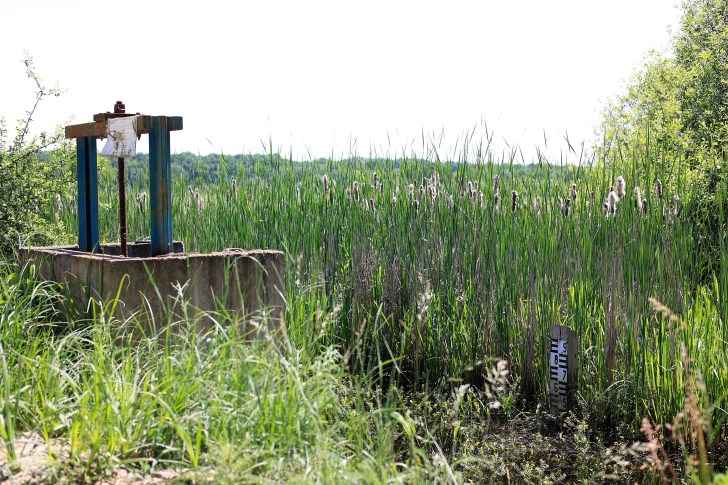
The EU-funded MERLIN project is supporting the restoration of the Tisza river at two sites close to the village of Nagykörű in Hungary. Floodplains surrounding the river – which have been drained and cut off from the river to support intensive arable farming – are being ‘rewetted’. This process is intended to increase water retention in the floodplains, which will help buffer floodwaters and create valuable biodiversity habitat. In turn, the plan is for the rewetted Tisza floodplains to support more sustainable farming practices.
Last month, scientists from across Europe visited the restoration sites for a MERLIN field visit to learn about ongoing work on the Tisza. Over three days, the scientists visited the restoration areas to see progress, and to undertake wider discussions around the restoration projects supported by MERLIN on large river sites across the continent.

Reporting back on the meeting, project co-ordinator Dr. Sebastian Birk suggested this vision involves significant changes to how the Tisza floodplains are managed. “A major transformation in thinking is needed,” Dr. Birk explained. “This means the farmers living along the river changing their business model from cash crop cultivation – which needs to be protected from flooding – towards more sustainable farming practices which can work even when periodically flooded.”
Such a major shift in how the Tisza floodplains are managed and used requires close cooperation with local communities. “The restoration managers have this big idea and they are increasingly communicating their narrative of how the river and its floodplains will look in the future,” Dr. Birk outlined. “And they wanted us as MERLINers to meet the local people there and the stakeholders to learn about their perspectives. The level of understanding has massively increased through these meetings which is very nice to see.”
More broadly, Dr. Birk highlighted how large river restoration projects like those on the Tisza are often very complicated and time-consuming to carry out. “Large rivers are often more in the public perception, which can help a project because local communities and stakeholders are often aware of them and the issues they face,” he said. “On the other hand, restoring a large river involves focusing on certain stretches and areas. These are often the most modified or ecologically valuable areas, and are often only several kilometres in length at best. This means joining up the work of such restoration projects across a large river is a major challenge.
“And then there is the challenge of the integrating the different stages of these projects along a river. Some are well established and some are only just beginning. Think about Room for the River in the Netherlands – a long standing program that has already reached so many goals, especially around the main focus of flood protection. But this program has already started more than twenty-five years ago,” Dr. Birk said.
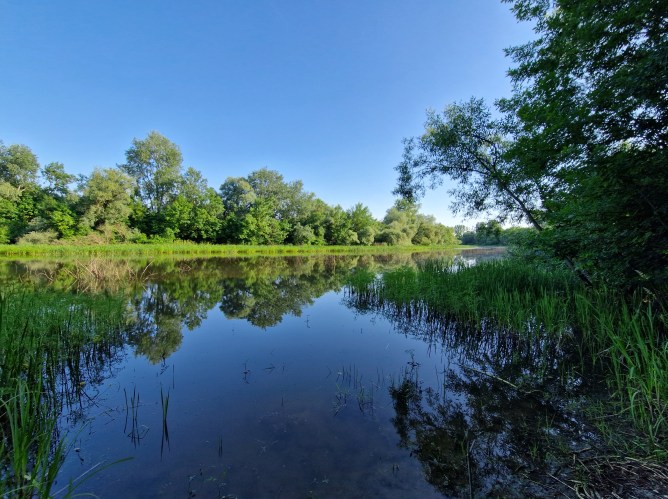
This means that for the restoration of large rivers such as the Tisza is invariably a slow process. “The original ideas for the Tisza restoration date back years, but this work is still only piloting,” Dr. Birk explained. “The temporal dimension is just huge for these kind of transformative actions. So never expect something to happen quickly especially when there is no top-down government initiatives supporting restoration.”
You can find out more about the Tisza River floodplain restoration in a factsheet and article. You can find out more about how MERLIN is supporting large river restoration across Europe in our podcast recorded last summer on the banks of the River Rhine.
+++
This article is supported by the MERLIN project.










 The Freshwater Blog