4th BioFresh newsletter | Annual meeting in Oxford
The BioFresh annual meeting is held this week at Merton College, Oxford. Partners from across BioFresh will meet to discuss the form and future of the project.
The 4th BioFresh newsletter has been published ahead of the meeting, featuring recent news, publications and ongoing research. You can read it through Issuu above. We’ll be keeping you up to date with the details of the meeting through this week.
“Water Lives…”: new BioFresh animation
“Water Lives…” is a new science communication animation designed to draw attention to the important (yet largely invisible) biodiversity which underpins and sustains our freshwater ecosystems. Produced by Rob St.John and Paul Jepson at the Oxford University School of Geography and the Environment for BioFresh the animation brings artists and scientists together to collaborate and communicate the concept that freshwater is more than an inert resource: instead a living, dynamic system inhabited by beautiful, important organisms largely unseen by the naked eye. “Water Lives…” invites viewers to engage with their freshwater environments, perhaps value them in new ways and engage with how they should be managed.
 “Water Lives…” is a new science communication animation designed to draw attention to the important (yet largely invisible) biodiversity which underpins and sustains our freshwater ecosystems. Produced by Rob St.John and Paul Jepson at the School of Geography and the Environment for BioFresh the animation brings artists and scientists together to collaborate and communicate the concept the idea that freshwater is more than an inert resource: instead a living, dynamic system inhabited by beautiful, important organisms largely unseen by the naked eye. “Water Lives…” invites viewers to engage with their freshwater environments, perhaps value them in new ways and engage with how they should be managed.
The curious and otherworldly physical form of freshwater organisms such as diatoms provides abundant artistic inspiration. “Water Lives…” is a conceptual and cutting edge work, emphasising unusual natural forms in a six minute piece animated by Scottish artist Adam Proctor. It is sound-tracked by a specially composed piece of music by Tommy Perman from Scottish, BAFTA award winning arts collective FOUND which samples a series of haiku about freshwater ecosystems written by acclaimed environmental poet John Barlow. The content of both the animation and haiku was influenced by close consultation with BioFresh freshwater scientists Rick Battarbee from University College London and Ana Filipa Filipe from the University of Barcelona, alongside Alistair Seddon from the University of Oxford Zoology department.
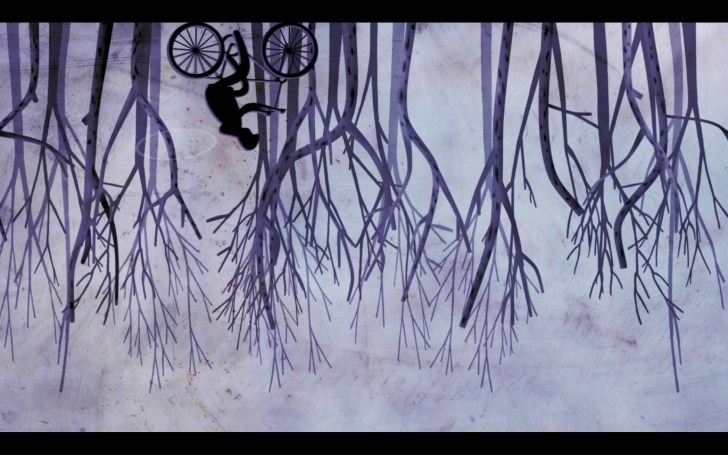 This novel, cross-disciplinary team have produced a nuanced, multi-layered piece that not only contains sound, robust scientific information but that is beautiful, engaging and playful. It is a work that can be viewed entirely on its artistic merits, from which the viewer could take away a range of different information – from something as simple as “Freshwaters are more interesting than I thought” to something as intricate as “How can policy makers manage this complex entanglement of life?” – and a whole spectrum in between.
“Water Lives…” invites viewers to value the importance and beauty of freshwater ecosystems and engage with how they should be managed. It also suggests the productive possibilities opened up by collaborations between scientists and creative artists for the communication of environmental science and policy. As this work shows, such art-science collaborations have the potential open up new, creative spaces for how we contemplate, value and plan to manage our environment.
International Day of Action for Rivers
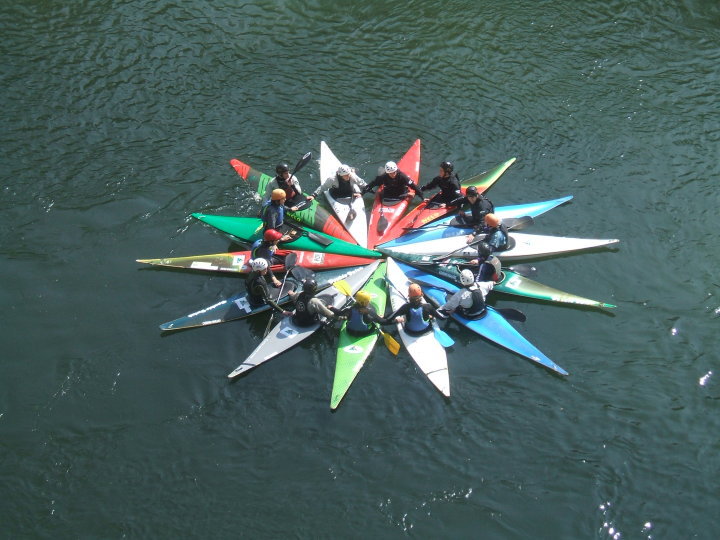
Kayaks on the Tâmega River. Image: International Day of Action for Rivers
Today is the International Day of Action for Rivers, a global event to celebrate our freshwater ecosystems and campaign for their conservation. Born out of the first International Meeting of People Affected by Dams in Brazil in March 1997, and organised by the International Rivers NGO, the day has become global , with public events ranging from festivals, press conferences, kayaking events, river clean-ups, protests, religious gatherings and campaign launches. The intention of BioFresh communication work through this blog, Cabinet of Freshwater Curiosities, twitter and animations is to encourage the wider public and policy makers to better value and conserve our freshwater ecosystems, so such public shows of support for freshwater conservation should be applauded.
Here’s a more detailed description of the day by the organisers:
“March 14 is the International Day of Action For Rivers and Against Dams. Every year, thousands of people around the world lift their voices to celebrate the world’s rivers and those who struggle to protect them. The International Day of Action For Rivers is a day to celebrate victories such as dam removal and river restoration. It is a day to take to the streets, demonstrate and demand improvements in the policies and practices of decision makers. It is a day to educate one another about the threats facing our rivers, and learn about better water and energy solutions. Above all, it is a day to unite – by acting together, we demonstrate that these issues are not merely local, but global in scope. What will you do for your river on March 14?“
You can find out more details here
“What is Water?” TED and WWF on a ‘solvable crisis’
The above video, a TED presentation by Stuart Orr, Manager of Global Freshwater Programme at WWF, touches on one of the key questions we often ask within the communication team at BioFresh: what is water and how should we manage it?
The question appears to be self-evident: water is a fluid made up of molecules of bonded hydrogen and oxygen as H2O (plus all sorts of other chemical and biological molecules…). But is water simply a resource for humans to channel, dam, filter and bottle as a resource? As we wrote in a recent article for Public Service Review, it seems that the value of water as a hybrid, fluid medium for life is often forgotten when we think about how to value and manage our freshwater ecosystems.
Stuart Orr presents a series of interesting suggestions for how we might sustainably manage our freshwater ecosystems – pointing towards stronger policy and more co-operative, integrative management. This is a topic we’ll be revisiting over coming months, and we’d value hearing your thoughts.
Planning for change: the origin, distribution and conservation of endemic fish species

Achondrostoma: a tiny fish species endemic to Iberia. Image: Ana Maria Geraldes
A new journal article published by BioFresh partners has revealed intriguing new findings about the global origins and distribution of river fish species, with important consequences for their conservation. The article “Patterns and processes of global riverine fish endemism” was published in Global Ecology and Biogeography, seeking to provide a means to identify areas of high conservation interest based on the present and future evolutionary diversification potential of fish species.
Lead author Pablo Tedesco from the Natural History Museum in Paris explains: “We distinguished between two kinds of endemic freshwater fish species: those that originated within a drainage basin by radiation and did not disperse after; and those that were once widespread and reduced their range either by extinctions or by differentiation in one drainage basin.
Then we related these two kind of endemic species to historical, habitat, climatic and biological factors and found that the first category (originated from a small range) is occurring mostly in large drainage basins with a rather stable climatic history and having poor dispersal abilities. Contrarily, the second category of endemics (those that were once widespread) occur in highly isolated places (like islands or peninsulas) and mostly belong to families that originated in the sea. These findings point out that instead of focusing on endemic species to protect them, we should protect the places where species are created in order to preserve future diversity”.
These are fascinating findings which add to the growing discussion on how evolutionary processes can be incorporated into conservation planning. Understanding species histories and potential evolutionary futures is important for conservation managers looking to conserve species in the face of threats such as climate change and habitat loss. As such, this paper furthers our understanding of how we may prioritise effective conservation planning for freshwater fish species.
You can read the paper here.
Coming soon…the new BioFresh animation “Water Lives”
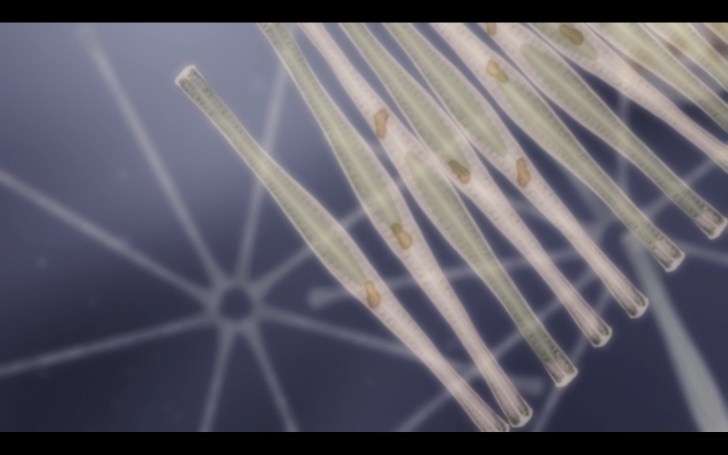
Animated diatoms in the forthcoming BioFresh animation "Water Lives"

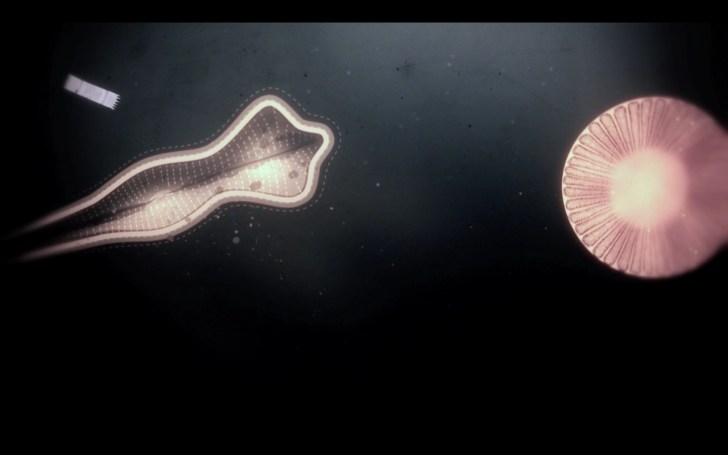 We’re delighted to be able to share the amazing first images from the recently completed “Water Lives” science communication animation. Produced by BioFresh at Oxford University School for Geography and the Environment, the animation employs a team including an award-winning animator, a musician, a haiku poet and a team of freshwater scientists to raise awareness of the need to appropriately manage and conserve the complex, beautiful webs of life that make up our freshwater ecosystems.
More details will be revealed soon ahead of a premiere and release in the week of 26th March 2012. For now, enjoy the images!
New BioFresh publication: monitoring the ‘global reshuffling’ of species distributions and diversity

A Swedish freshwater landscape. Monitoring species distributions across a landscape at different levels of diversity remains a focus of much research. Image: Nuria Bonada
There is increased attention being paid to biotic homogenisation and differentiation following increased human pressures on ecosystems, biotic invasions and what the IUCN’s Jeff McNeely terms the ‘global reshuffling’ of species distributions. A new paper by BioFresh partners Sébastien Villéger and Sébastien Brosse develops a new mathematical metric based on species extirpation (local extinction) and non-native species invasions to measure and assess changes to biodiversity.
Sébastien Brosse outlines the basis of the paper “The loss of distinctiveness between biological communities, called “Biotic Homogenization”, has been measured using different indices (different mathematical formulations). In this paper we evaluated the relevance of these indices to measure Biotic Homogenization, and then we provide a tool to disentangle what determines homogenization. This tool will help us to better understand how human activities affect a measure of biodiversity called Beta-diversity (i.e. the taxonomic differences between localities).”
The article “Measuring changes in taxonomic dissimilarity following species introductions and extirpations”, published in the journal Ecological Indicators provides a significant step forward in quantifying and predicting human impact on the health and status of global ecosystems. You can access the article here.
What do alpha, beta and gamma diversity mean?
The paper by Villéger and Brosse refers to the concepts of alpha and beta diversity – but what do these terms actually mean? Many people are familiar with the term biodiversity, generally agreed to mean the variety of life on earth – from microorganisms to giant whales – and the ecosystems in which they live.
However, the idea of “biodiversity” is relatively recent concept, popularised in the 1980s. In the 1960s, Robert Whittaker – an American plant ecologist – proposed a three-tiered concept of species diversity across a landscape. Whittaker proposed that the total species diversity in a landscape (gamma diversity) is determined by the species diversity in sites or habitats at a local scale (e.g. an individual lake or field – alpha diversity) and the level of differentiation between these habitats (beta diversity).
Conservation policies provide inadequate protection for freshwater biodiversity and ecosystem services
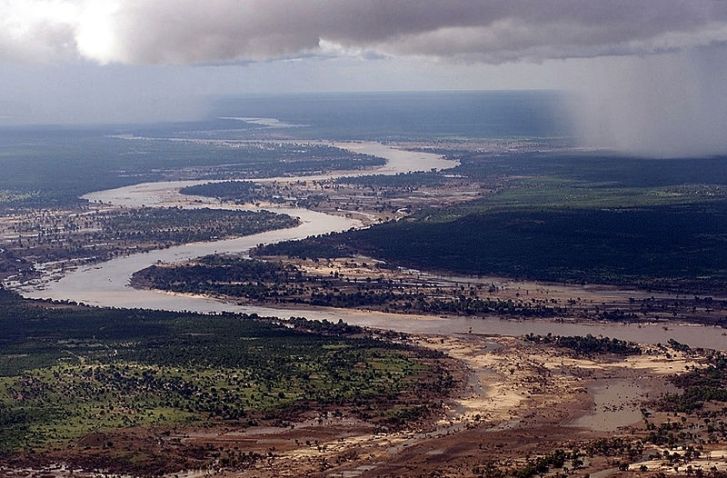
Limpopo River, Mozambique. Image: Wikipedia
Current methods used to plan protected areas for conservation are not providing adequate protection for freshwater ecosystems and the ecosystem services they provide. There is a pressing need for more primary information on freshwater biodiversity status and distribution to support more effective conservation planning and investment. These are the key messages of a new journal article by BioFresh partner Will Darwall at the IUCN and colleagues, published in Conservation Letters.
Comprehensive assessment of freshwater biodiversity across Africa
The study represents the most comprehensive assessment of freshwater biodiversity across an entire continent. It combined the range maps for 4,203 freshwater species and 3,521 terrestrial species across Africa with data on IUCN Red List extinction risk, protected area coverage, large dam presence and rural poverty to analyse the status, threats and protection for freshwater biodiversity.
Terrestrial species act as poor surrogates for freshwater species
Darwall and colleagues found that terrestrial and charismatic species are poor surrogates for capturing the distribution and threat towards many freshwater species. As the authors state: “for fish, molluscs and crabs, results suggest that conservation priorities and investment targets based on our knowledge of birds, mammals and amphibians alone may not adequately represent these freshwater species”.
The authors argue that conservation research biased towards terrestrial and charismatic species means that our knowledge of global freshwater biodiversity patterns and trends is fragmented and incomplete. Because protected areas for biodiversity conservation are often planned using ‘surrogate’ species – where the protection of well-known and documented taxa is thought to act as ‘umbrella protection’ for those less well-known – freshwater ecosystems are currently under-protected from a myriad of human and climate based threats.

Fisherman on Lake Tanganyika. The number of known threatened species in the African Great Lakes increased based on the findings of this study. Image: Wikipedia
Conservation and ecosystem service needs not met by existing protected areas
The dynamic, trans-boundary nature of freshwater ecosystems mean that their conservation needs are often not met by protected areas planned around terrestrial ecosystems. The bias towards research on terrestrial biodiversity means that often freshwater systems are not congruent with existing protected areas.
Importantly, the study found that in Africa, areas of highest freshwater species richness and threat overlap significantly with areas where reliance on ecosystem services by humans is high. In addition, these areas are commonly under high pressures from humans. In this study, of the 4,203 freshwater species assessed, 26% were found to be threatened with global extinction. However, shortfalls in our knowledge of freshwater biodiversity meant there was insufficient information to assess the status of 741 freshwater species in the study, meaning the extinction threat level could be as high as 37%.
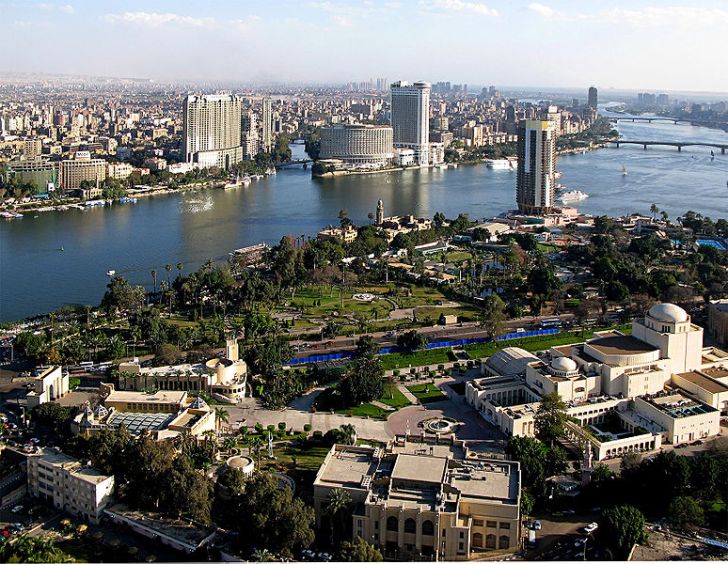
The River Nile in Cairo. Image: Wikipedia
Threats to freshwater ecosystems and human livelihoods
Why is this study important? Freshwaters represent one of the most threatened ecosystems globally – they contain over a third of the world’s known species and around a third of all vertebrates despite occupying less than 1% of the Earth’s surface. Human population growth and economic development threaten the health and integrity of many global freshwater ecosystems, compromising their ability to support biodiversity and provide ecosystem services such as irrigation, sanitation and food supply to humans.
The urgent need for targeted freshwater biodiversity research and funding
The key conclusion of the article is that there is a strong case for a shift in research and targeted investment towards freshwater biodiversity to reflect the value and importance of freshwater ecosystems and the services they provide. Better-known (often terrestrial) taxonomic groups do not act as adequate surrogates for freshwater species when planning conservation management. Improved data on freshwater species is needed to underpin the expansion of the existing network of protected areas to adequately protect threatened freshwater systems.
Source: Darwall, W. R. T., Holland, R. A., Smith, K. G., Allen, D., Brooks, E. G. E., Katarya, V., Pollock, C. M., Shi, Y., Clausnitzer, V., Cumberlidge, N., Cuttelod, A., Dijkstra, K.-D. B., Diop, M. D., García, N., Seddon, M. B., Skelton, P. H., Snoeks, J., Tweddle, D. and Vié, J.-C. (2011), Implications of bias in conservation research and investment for freshwater species. Conservation Letters, 4: 474–482. doi: 10.1111/j.1755-263X.2011.00202.x
Links:
New study reveals Europe’s rivers under pressure

Catalonian mountain stream. Image: Nuria Bonada
A new press release from the European Commission states that: “the largest investigation to date into the extent of human-induced pressure on European rivers concludes that around 80% of rivers are affected by water pollution, water removal for hydropower and irrigation, structural alterations and the impact of dams, with 12% suffering from impacts of all four“.
The journal article “Multiple human pressures and their spatial patterns in European running waters” published in Water and Environment Journal by Rafaela Schinegger and colleagues at University of Natural Resources and Life Sciences, Vienna assessed human pressures on freshwater ecosystems at 9330 riverine sites across 14 European countries. The study is part of the EU EFI+ project2 and is designed to give a high-resolution, European-scale assessment of the human threats to river ecosystems as a means of supporting the European Water Framework Directive.
Human pressures on freshwater ecosystems are only likely to increase in the future, meaning this study is important in providing an ecological baseline for rivers to be appropriately managed in the future. The findings will help allow vulnerable freshwater ecosystems to be identified, monitored and conserved under the river-basin system of management outlined by the Water Framework Directive.
You can read a summary of the paper through DG Environment or access the main paper at Water and Environment Journal.
Meet the BioFresh team: Thierry Oberdorff

Thierry Oberdorff
We continue our series of articles giving a ‘behind the scenes’ look at the work carried out by BioFresh scientists this week with an interview with Thierry Oberdorff from the Institut de Recherche pour le Développement (IRD) in Marseille, France. The IRD has three main missions: research, consultancy and training. It conducts scientific programs contributing to the sustainable development of the countries of the South, with an emphasis on the relationship between humans and the environment.
1 What is the focus of your work for BioFresh, and why?
It will provide science-based answers to pressing conservation questions that are currently being asked by our societies.
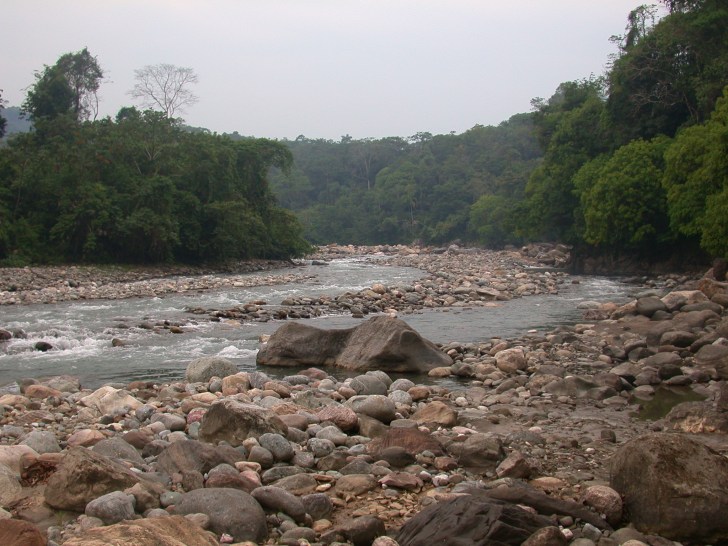
Image: Thierry Oberdorff
3 Why is the BioFresh project important?
I can list two main reasons. First, freshwater ecosystems provide goods and services of critical importance to human societies yet are unfortunately among the most heavily altered ecosystems. However, efforts to set global conservation priorities have, until now, largely ignored freshwater diversity, thereby excluding some of the world’s most speciose and valuable taxa. There is thus an urgent need to fill the gap for freshwater biodiversity.
Secondly, as previously mentioned by Daniel Hering (another BioFresh partner) one of the major tasks of BioFresh is collating all possible freshwater biodiversity data and making them publicly available through an open portal, reducing in fine obstacles to data access for research.
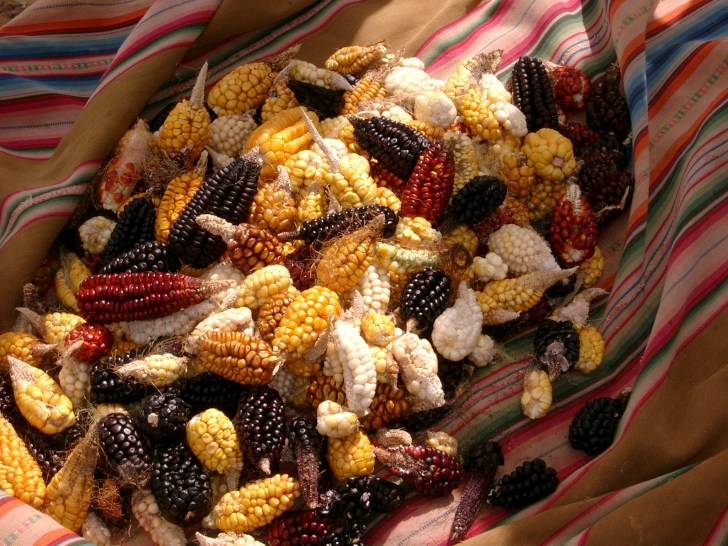
Image: Thierry Oberdorff
4 Tell us about a memorable experience in your career
When a Aymara indian from Bolivian Altiplano showed me the diversity of colours of wild corn.
5 What inspired you to become a scientist?
I was just lucky. Being a researcher is obviously one of the most interesting jobs in the world.
6 What are your plans and ambitions for your future scientific work?
To go back to the tropics and contribute with local partners to the research development of southern countries.









 The Freshwater Blog