Pearls in Peril

- An adult freshwater pearl mussel on a stream bed. Image: J Webley / SNH
The freshwater pearl mussel (Margaritifera margaritifera) is an extremely long-lived species of mollusc (a 134 year old mussel was found in Estonia in 1993), found in fast flowing rivers and streams across Europe. The pearl mussel produces small, beautiful pearls inside its thick shell which is anchored to the riverbed . However, freshwater pearl mussels are subject to increasing pressure, and their populations across Europe are listed as threatened by the IUCN due to habitat loss, declining water quality and illegal harvesting to provide pearls for jewellery.
Pearls in Peril is a European Union LIFE project set up to protect and conserve populations of freshwater pearl mussels in Great Britain. We spoke to project manager Jackie Webley from Scottish Natural Heritage to find out more about this fascinating species and the project’s important work.
Freshwater Blog: Freshwater pearl mussels are an absolutely fascinating species, although I’d guess that not many people know a lot about them. Can you tell me a little about their ecology? How are freshwater mussel populations faring in Britain at the moment?
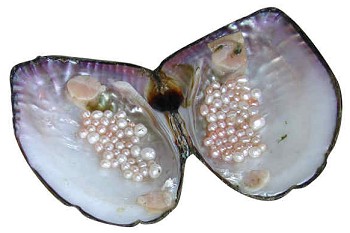
Freshwater pearls. Image: riverdee.org.uk
Jackie Webley: Few people are fully aware of the significance of the freshwater pearl mussel, a species that lives ‘hidden’ in cold, fast-flowing rivers, yet is embedded in our history, culture and biodiversity. The freshwater pearl mussel is incredibly important as it filters river water, removing tiny particles for nourishment and by doing so helping to clean the water and benefiting other river wildlife.
The lifecycle of the freshwater pearl mussel is extraordinary. Adult mussels release up to 4 million microscopic larvae each summer. The larvae look like tiny mussels. They hold their shells open until they are inhaled by a young fish (Atlantic salmon or trout) then they snap shut on the fish gills. This association does not appear to harm the fish. The chances of a larva meeting a suitable fish are very low; only four in every million will do so. Nearly all are swept away by the river. The larvae remain on the gills of the fish and grow in this oxygen-rich environment until the following spring, when they drop off. They must land and burrow into clean, sandy or gravelly substrates in order to survive; if they land in silt or mud they will suffocate. The larvae that do survive can live for over hundred years, making them one of the longest-lived invertebrates.
The species has suffered a catastrophic decline globally and Scotland is now the stronghold of the remaining UK population. In Britain the freshwater pearl mussel is in urgent need of conservation action. Many of the rivers supporting this species contain old populations with no signs of reproduction, which is worrying as the freshwater pearl mussel is a barometer of the health of our river ecosystems.

Freshwater mussel larvae on the gills of a trout. Image: J Webley / SNH
Why are freshwater pearl mussel populations in decline?
Freshwater pearl mussels have been, and still are, affected by a range of factors causing their decline such as illegal pearl fishing, silt and soil washing into water courses, pollution and unauthorised river engineering. Mussels rely on young Atlantic salmon and trout to complete their lifecycle meaning declines in these fish will affect the survival of freshwater pearl mussels. Climate change is also considered to threaten the future of this species. A predicted increase in strong, fast flowing currents can dislodge pearl mussels from the river bed washing them downstream. Alternatively, an increase in drought conditions will result in low water levels, high water temperatures and reduced availability of oxygen. Under these parameters freshwater pearl mussels are too stressed to reproduce and mussel beds found along the river margins are likely to die from exposure.
Which rivers support the last populations?
In the last 100 years more than one-third of rivers in Scotland that used to contain mussels, no longer do so. England and Wales each have one viable population that is reproducing and collectively have an estimated population of 500,000 mussels. The UK estimated total population is 12 million, the majority of these surviving in Scotland and most of these occurring in just a few rivers.
Were populations once more widespread?
Freshwater pearl mussels used to be widespread and could be found in many rivers throughout the UK. There are a total of 23 sites in the UK that are designated for freshwater pearl mussels, other rivers where they are present are generally not mentioned due to a continuing risk from illegal pearl fishing.

Tree planting to create new habitat on the banks of the Upper River Dee. Image: J Webley / SNH
Tell us about the Pearls in Peril project: how are you working to conserve mussel populations?
Pearls in Peril (PIP) is an ambitious £3.5million LIFE project that aims to safeguard the future of the freshwater pearl mussel by implementing a range of conservation measures across 21 designated sites. The project will run until September 2016 and includes rivers in England, Scotland and Wales.
The project is working to conserve mussels through practical measures such as ditch blocking, tree planting and fencing off river banks to restrict livestock access. These measures reduce silt and soil inputs, prevent bankside erosion, provide shade to reduce water temperatures and provide food and habitat for fish. PIP is working to restore river bed habitats where these have been destroyed from historic river engineering, is conducting artificial encystment (introducing freshwater pearl mussel larvae onto fish gills) and undertaking a range of monitoring actions.
PIP employs a Riverwatcher who is working to increase awareness of wildlife crime affecting pearl mussels, educating local communities on ‘what to look out for’ and ‘how to report’ information. The Riverwatcher works closely with Police Scotland and the National Wildlife Crime Unit sharing intelligence and reporting incidents. Through the project partners, PIP is delivering ‘Pearls in the Classroom’ to primary schools close to the rivers in the PIP project.
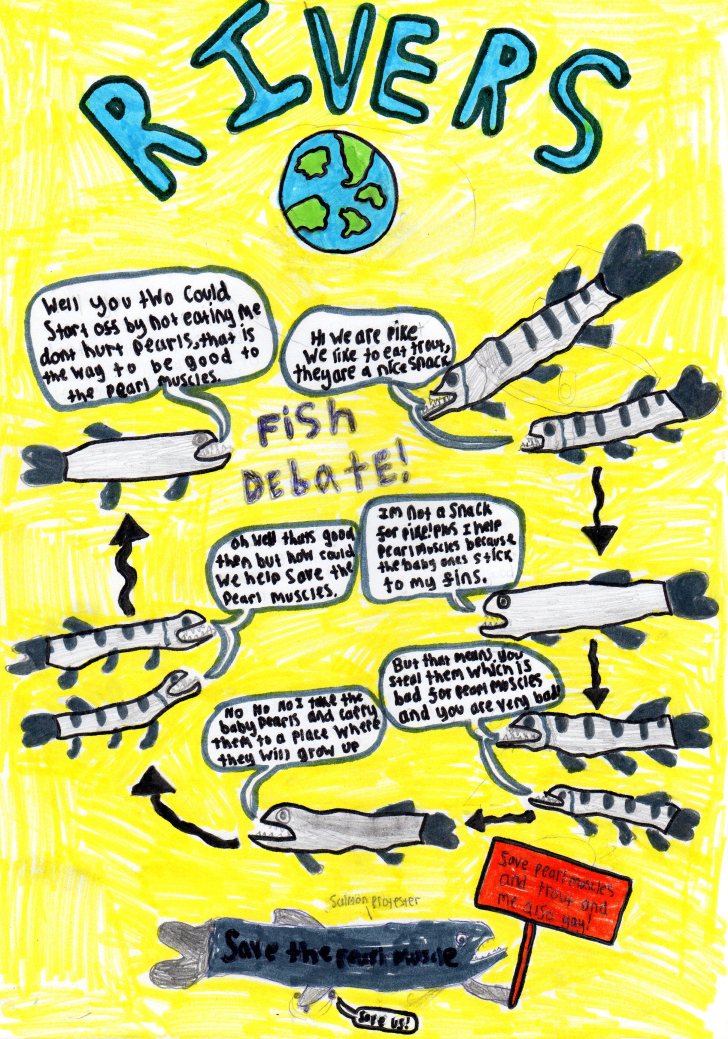
Poster made by schoolchildren as part of the Pearls in the Classroom project. Image: Ness and Beauly Fisheries Trust
It seems that outreach and engagement with local communities is an important part of the Pearls in Peril project, through your Riverwatch and Pearls in the Classroom initiatives. Could you tell us a little more about these initiatives? Is it easy to engage people with a rare creature that many people won’t have seen?
The majority of people we speak to are usually fascinated to hear about the freshwater pearl mussel and are often quite amazed that such an important species has been living in the river on their doorstep. For those who already know about the mussel, memories are often re-awakened and we hear stories about the antics of the old pearl fishers or the thousands of shells washed into fields after large floods and the best places to look for mussel beds. People often talk about the mussels as though there are old friends that have always been there.
We are very pleased to engage with local communities. Our project partners are delivering Pearls in the Classroom (PiC), visiting local primary schools and looking at the species’ unusual lifecycle and that of its host species (salmon and trout). We discuss why the pearl mussel, salmon and trout are such an important part of the local river ecosystem. The children are given worksheets, activities and where possible, they visit the river bank with River Trust biologists.

Poster made by schoolchildren as part of the Pearls in the Classroom project. Image: Ness and Beauly Fisheries Trust
The PiC programme also looks at how mussels can be conserved. This message is being delivered to a wider audience through Riverwatch, which aims to raise awareness of the problems pearl mussels face from criminal activity. Riverwatch Schemes are currently being established and will be promoted in the local media and with relevant stakeholders including fishery boards, fishery trusts, local communities, the police, conservation groups and others. PIP has employed a seasonal Riverwatcher who has so located evidence of illegal pearl fishing, unauthorised river engineering, pollution and gained important intelligence that has been passed to the National Wildlife Crime Unit and Police Scotland.
Is illegal pearl fishing still an issue?
Illegal pearl fishing is still an issue, seriously threatening the survival of freshwater pearl mussels – there simply are not enough mussels to sustain this exploitation which is why it was made illegal in 1998 and the species given full protection. There are other serious threats to the survival of mussels that can be addressed through practical conservation measures. We have had a mixed response across the UK from land managers and are pleased to say that in the majority of sites we have achieved very positive results.
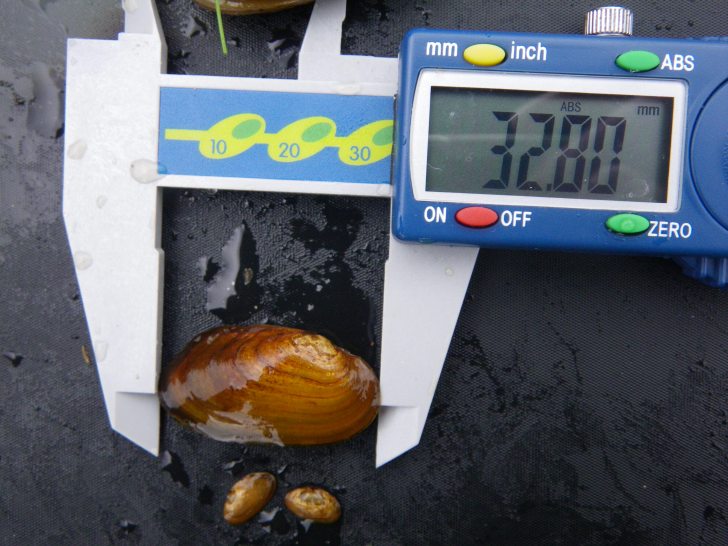
Measuring juvenile freshwater mussels. Image: J Webley / SNH
If all goes to plan with the Pearls in Peril project, how will UK populations of freshwater mussels be faring in 2016? How about in another 50 years?
It will take many years to measure the effects of the conservation work happening now on freshwater pearl mussels given their reproduction rate (maturing between 10 – 15yrs old) and long life span 100yrs. Conservation work is aimed at improving habitat based on information provided by a range of research on the habitat requirements of this species. Water quality and fish populations are being monitored to allow us to see more immediate changes in conditions.
In another 50 years… we have to look positively at this species future, they are integral to a healthy river ecosystem and form a significant part of our culture and history. We would expect to see more populations successfully reproducing and a halt in the decline of the freshwater pearl mussel. Long may the stories continue…
Meet the MARS team: Yiannis Panagopoulos
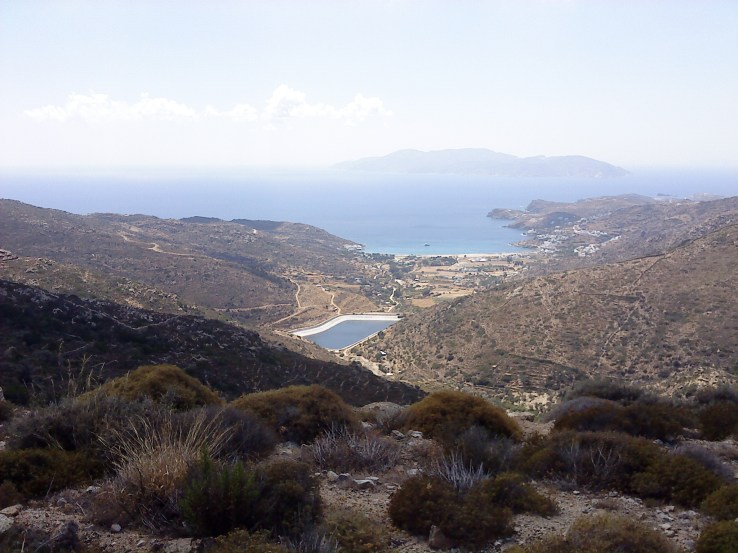
An artificial reservoir in a Greek island within the arid region of the Aegean Sea which collects and supplies drinking and irrigation water. Image: Y Panagopoulos
 We continue our ‘Meet the MARS Team‘ series this week with an interview with Yiannis Panagopoulos, a hydrologist and senior researcher at the Center for Hydrology and Informatics at the National Technical University of Athens, Greece.
Yiannis works in the fields of hydrology, water quality and water resources management. His doctoral thesis work focused on Non-Point Source Surface Water Pollution and River Basin Management, a theme which has been continued in his subsequent research in Greece and the USA. Yiannis now has a leading role in two tasks of the MARS project, alongside other research projects and scientific activities at the National Technical University of Athens (NTUA).
You can find out more about Yiannis’s work through his CHI staff page and publication page.
1. What is your focus of your work in MARS, and why?
My work in MARS focuses on various freshwater issues across two different spatial scales: I lead Task 4.2 “Multiple stressors at the river basin scale – Southern River Basins’’; and co-lead Task 5.1 “Multiple stressors at the European scale – European Matrix of Stress and Impact’’.
Together with Professor Maria Mimikou and the biologist Kostas Stefanidis at NTUA, we will also be involved in all the tasks of Work Package 6: “Synthesis: stressors, scenarios and water management” and in Task 7.4 ‘Scenario analysis tools at the European scale’.
In addition, our team contributes to Tasks 2.3 ‘Identification of Benchmark Indicators’ and 2.6 ‘Definition of Future Scenarios’, the results of which will provide guidance to the work of our leading tasks, all of which will feed into the MARS’s dissemination and policy activities, where we are also involved.

‘Litheos’ river, a tributary of Pinios, traveling through a city in central Greece. Image: Y Panagopoulos
2. Why is your work important?
Our work in MARS is important as it contributes to the targets and principles of the Water Framework Directive. The multi-stressor analysis at the river basin scale will demonstrate how the combination of individual pressures impacts on water status and how a complicated environmental situation can be managed by scientists, stakeholders and authorities within a clearly oriented area. In this case, we focus on the river basin, which is the official spatial scale for research and management of water resources according to the Water Framework Directive.
In this task we focus on Southern Europe – where water scarcity can be acute – to highlight the importance of sustainable agricultural water use along with the effects that agriculture can have on water quality and ecosystem health. As coordinators of the Pinios river basin – the most intensely irrigated basin in Greece – we seek to produce significant knowledge on new water management approaches to be considered for adoption in the next round of the WFD in 2015.
Moreover, our work at the European scale (Task 5.1) will help in understanding the variation of multiple human pressures on freshwaters across large European regions and the potential value of ecosystem services in different regions. More specifically, we will provide methods on how to estimate the combined effect of multiple stressors on water status across Europe and find ways to quantify their individual magnitudes (are they additive, synergistic or antagonistic) in order to be able to identify the most important ones in each particular region.

Yiannis out on fieldwork on a Danish lake.
3. What are the key challenges for freshwater management in Europe?
Overall, understanding the different pressures on freshwater ecosystems and how they combine, alongside being able to disentangle their different effects is a key challenge in freshwater management and MARS is a leading project to this direction.
As every ecosystem across Europe (whether a small pond or a large catchment) is impacted by multiple stressors, being able to identify the key factors of water and ecosystem degradation is of utmost importance in order to determine the appropriate ‘dose’ of intervention to restore or maintain ecological status.
This is in line with the principle of cost-effectiveness, which should be present in every aspect of environmental management, especially under the present economic conditions. In other words, the challenge is to manage water systems effectively, but not expensively, and in order to achieve that we need to maximize our scientific and research efforts on multi-stressors and ecosystem services.

The Mississippi River. Image: Y Panagopoulos
4. Tell us about a memorable experience in your career.
A recent and great experience in my career comes from my stay in the ‘Corn Belt Region’ of Midwestern US, the most important agricultural economy of the country. Agricultural activities are responsible for water degradation across a large number of states in the region and hypoxia (a lack of dissolved oxygen in water) in the Gulf of Mexico due to pollutant release to the Mississippi river and its tributaries.
The drainage area of the Mississippi basin covers a large area of the southern USA and may equal the entire area of Europe. What is impressive is how all states across such a huge area exchange knowledge, experience and technology to coordinate an effective program of measures to restore ecosystem health under the US Environmental Protection Agency’s guidance.
After experiencing that, I have started drawing parallels with the cross-boundary European freshwater situation, as I believe strongly in wide cooperation initiatives, even in the complementarity between such large efforts around the globe.
5. What inspired you to become a scientist?
My interest in the environment, and especially water resources, was the key factor for following a scientific career in this field. Although I grew up in a big city, I was always concerned about water and when I studied agricultural engineering this feeling became much stronger.
6. What are your plans and ambitions for your future scientific work?
There is still lots to learn about the rather obscure concepts of freshwater stressors, multi-stressor effects and ecosystem functions and services, but putting all these into practice is a great challenge. I hope that at the end of the MARS project I will be in the position to say that as a member of a great team I contributed to the production of useful findings for the improvement and better implementation of the water legislation in Europe.
An introduction to the MARS project
The MARS project (Managing aquatic ecosystems and water resources under multiple stress) has now been running since February, and we’ve followed its early progress on this blog. This month the first academic article introducing the project has been published in Science of the Total Environment (link here).
Written by project leader Daniel Hering and a number of other MARS researchers, the article describes how the European Union project will investigate how multiple stresses affect freshwater ecosystems across Europe, and how policies to better protect them might be designed.
Daylighting Urban Rivers

Cheonggyecheon stream in Seoul, South Korea, daylighted from sewers in 2003. Image: Kaizer Rangwala, Flickr.
Many towns and cities around the world have unseen flows of water which snake underneath concrete streets: ‘lost’ rivers which have been rerouted into sewers, drains and culverts as urban areas have grown. See, for example, how the London’s Lost Rivers project has documented dozens of tributaries of the Thames which now flow largely underground as a subterranean tangle of unseen streams.
River restoration – the restoration of water flows and aquatic life to a largely ‘natural’ state – has been a topic of increasing interest over recent years, and organisations like the River Restoration Centre and the European Centre for River Restoration have formed to promote restoration work.
Deculverting or ‘daylighting’ is the process of uncovering buried urban rivers and streams, and restoring them to more natural conditions. Daylighting can create new habitat for plants and animals, potentially reduce flood risks, and create new ‘green corridors’ through urban areas, a good example being the highly successful restoration of the Cheonggyecheon stream in Seoul, South Korea.
Adam Broadhead’s Daylighting website maps deculverting projects around the world as a means of sharing information on their outcomes and effectiveness. We spoke to Adam to find out more about this fascinating and innovative project.
Freshwater Blog: Not only have you been working on a PhD on deculverting urban rivers at Sheffield University, you’ve also put together the Daylighting project. Could you tell us a little about these projects and where you got the inspiration for starting them? Do they overlap and cross-pollinate each other?
Adam Broadhead: They are very much related. Initially, I was looking at the issues surrounding daylighting: what challenges and uncertainties are there in the evidence base that prevent funding and hinder projects? Although there had been some academic reviews on the evidence, most projects had little available evidence on their environmental, social and economic objectives and outcomes.
The Daylighting website gathers this information in one place, along with costs and drivers of projects and contact details. I’ve also been using a lot of Facebook and Twitter to spread the word among other professionals and the wider public about lost rivers and opportunities for opening them up – and by far the most common reaction is one of support.
The PhD work specifically focused on a particular aspect of this topic and arose from some literature from Zurich, Switzerland. Some streams and springs have not only been buried, but completed lost into the sewer system and flow to the sewage works.
My work has been to demonstrate that this happens, and develop methods to identify and predict where. If lost rivers affect water companies too, that means another key stakeholder and funding source to do daylighting to reduce sewer network costs, in addition to the wider flood risk, ecology and public space benefits.
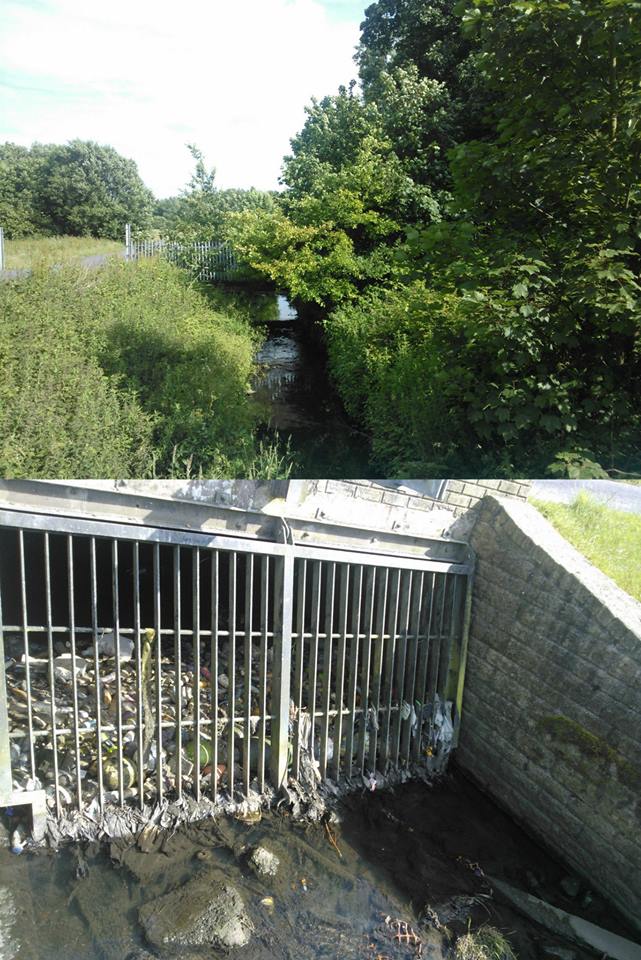
The River Alt in Liverpool, daylighted in 1994, with how it looked before (bottom), and the mature, diverse landscape of today (top). Image: Adam Broadhead
What different benefits can daylighting such ‘lost’ rivers bring?
Buried watercourses receive no sunlight, and so can be ecological deserts to life in the water and around the river banks (fish, birds, insects, plants, mammals). The darkness and other modifications to the channel often prevent passage of fish just like weirs do. Opening them back up can bring back all of this ecology, when done properly.
Daylighted watercourses also have less of a flood risk due to underground blockages or collapse and it is easier to spot and tackle sources of pollution when you can see the water. People can see and enjoy the wildlife that daylighted streams support, with knock-on positive effects for health and well-being, education and recreation. Open watercourses can help to reduce the urban heat island effect and can (and are) being used to drive regeneration in downtown areas.
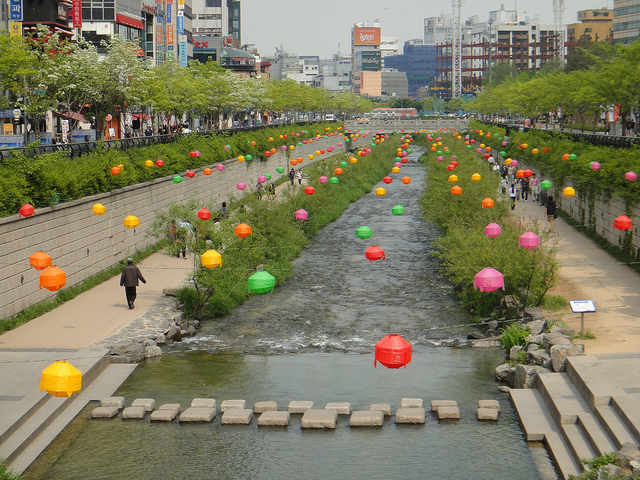
Cheonggyecheon Stream in Seoul, decorated for the Lotus Lantern Festival. Image: Emily Orpin
Where has daylighting been particularly successful?
There are so many good examples. One of the largest and most impressive is the Cheonggyecheon in Seoul, South Korea where miles of river were created through the city centre, with fountains and paddling areas in the artificial end, and open wildlife space in the more natural downstream end. One of my favourite examples, though, is the Quaggy River daylighting at Sutcliffe Park, London, which provides a flood storage wetland area, abundant wildlife, amenity space and land value boosts for the area.
You are based at Sheffield University. Does Sheffield have a network of ‘lost’ water?
Yes – Sheffield is a water city. Rivers, brooks and natural springs flow through and beneath the city, sometimes simply culverted (continuing to flow as rivers) such as through the “Megatron” culvert right beneath the station area; others, as my PhD work suggests, completely wiped off the map and now part of our Victorian sewer system.
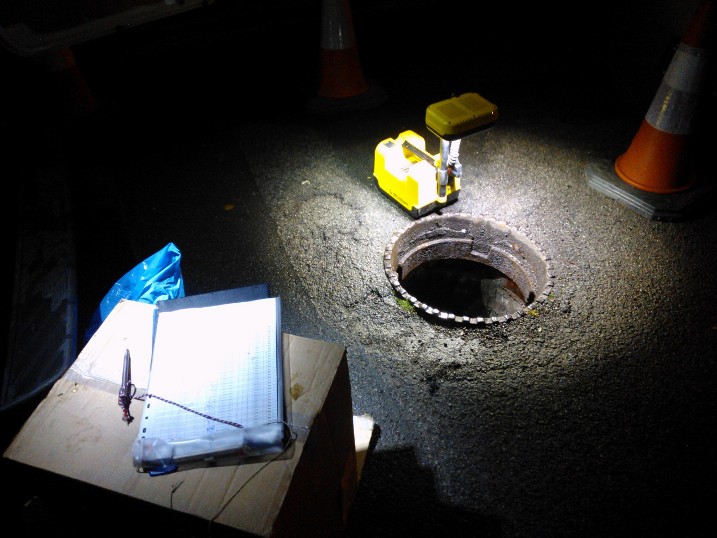
Adam sampling sewer water in Sheffield at 3am in search of lost urban streams
What happens in the process of daylighting a river? Is it a relatively time and money intensive process? I would imagine that it’s not always easy to ‘reclaim’ waterways through urban areas?
There are capital costs for the engineering to remove the ‘lid’ off the river, plus additional restoration to the channel shape to renaturalise it. Sometimes in old industrial areas there will be a lot of contaminated land and soils, escalating costs and limiting the work that can be done (such as the Darwen at Shorey Bank).
Most of the time, it will be necessary to do some additional flood risk work – often that is the main initial driver and funding source for projects (rather than ecological improvements) – and this will require additional investment. A big cost is the land itself – quite often it will be occupied by buildings or roads, some of which we wouldn’t want to get rid of.
The good news is that the costs and benefits often do stack up to make daylighting a worthwhile investment – we’ve seen daylighting in downtown New York on the basis of that regeneration benefit alone. And there are many much smaller culverted watercourses that could be opened up far more cheaply by local contractors – a fear of the unknown contributes to costs being greater than necessary in my opinion.

Buried underground for nearly a century, the Saw Mill River in Yonkers, NY in the USA has been daylighted in a $19 million programme, providing new habitat for a variety of life including the migratory American eel. Image: Wikipedia.
How easy is it to work with governments, local authorities and water companies to convince them of the value of daylighting rivers? Is the process helped or hindered by any environmental policy?
All of those authorities support daylighting lost rivers, either implicitly as part of wider Water Framework Directive or Floods Directive legislation, or explicitly with specific deculverting policy. I’d still like to see daylighting lost rivers feature more strongly in these policies though – the issue can end up getting “lost” itself amongst all the other priorities and cheaper measures for easier projects. This is a shame because we are missing out on some really transformative and impressive improvements to our towns and cities.
There are sadly still policies that allow rivers to be newly culverted to allow development – I’d like to see our Environment Agency and Natural England agencies to be decoupled from present political drivers, giving them back their “teeth” to properly tackle and object to such development where they can. But that is getting political…
Another big challenge is strengthening the evidence base by collating data and results from other projects, demonstrating that rivers can be daylighted for multiple benefits even in highly constrained sites, and that the costs can be outweighed by the long-term environmental, social and economic gains. Identifying benefits for private sector developers to open up buried watercourses themselves, or for water companies to do it to help reduce their own operating costs, will help too. I hope that both the Daylighting website and my PhD work will contribute to a step in this direction.
Looking for traces of the underground River Fleet in London. Image: David Busch, Flickr
How would you go about looking for ‘lost’ rivers in your own town? Where would you look: historic maps, street and place names, topography?
All of the above! My research showed that no single piece of evidence is perfect all the time in all places. Gather whatever you can. Old maps are a great start, often available in high detail from the 1850s onwards, and sometimes much older. Street names etc are good clues to focus your search – Springvale Road, Wybourne, Riverdale Street, Bower Spring: the clues are in the name.
If you have access to data and open source GIS software, topography data can tell you the routes of old valleys. I’ve also had a lot of information from old historic text books referencing old streams and springs, old photographs and paintings, and from local people who remember the watercourse first-hand or know of springs flowing through their gardens or basements.
Finally, exploring ‘lost’ rivers in urban areas has become increasingly popular in recent years: what do you thinkis it about them that captures people’s attention?
I can’t speak for everyone, but for me there is something fearful about the unknown beneath us. That fear entices me and intrigues me. But equally, the underground culverts are marvels of engineering in so many cases. My favourites are the neat engineering of Joseph Bazagette’s Victorian London sewers that were formed from old watercourses.
I know a lot of people are going urban exploring down culverts and sewers. I am pleased they do because of the images and information and interest that comes from it, but I can’t recommend it because many inexperienced people go exploring and it can be really dangerous. Perhaps the thrill is what draws them to it.
Chemical pollution threatens Europe’s freshwaters
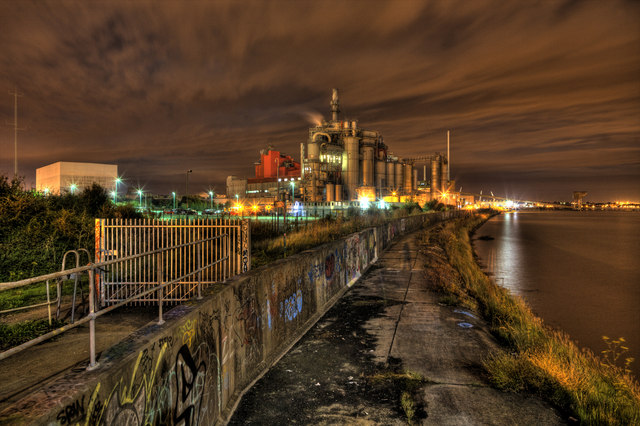
Chemical works on Thames estuary. Image: Peter Scrimshaw | Creative Commons Licence
Chemical pollution threatens the health of almost half of all European freshwaters, according to a new study in Proceedings of the National Academy of Sciences (PNAS). Researchers from German, French and Swiss universities used data from 4,000 monitoring sites across Europe to calculate the first continental scale ‘risk assessment’ of the impact of toxic organic chemicals on freshwater ecosystems.
Their study, “Organic chemicals jeopardize the health of freshwater ecosystems on the continental scale” suggests that chemical pollution has acute, potentially lethal, impacts on freshwater organisms at more than one in ten sites across Europe (Map A); and long-term negative impacts at almost half of monitored sites (Map B). The maps suggest that the impact of chemicals is less severe in Southern Europe, although the authors suggest that this may be due to monitoring limitations in these areas.
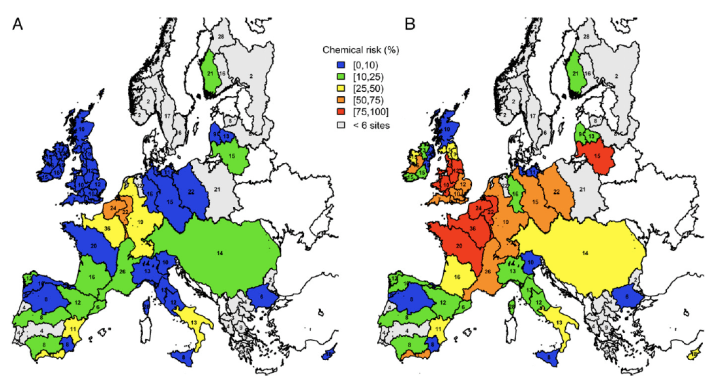
Chemical pollution risk to freshwater organisms in Europe. Map shows the % of sites where chemical concentrations exceed a) acute, potentially lethal concentrations; and b) chronic concentrations with long-term negative impacts.
Pesticides from farming were responsible for the majority of acute chemical risks to freshwater life in the study. The impact of chemical pollution on freshwaters was significantly increased close to agricultural land, sewage treatment works and urban areas where there is run-off of pollutants into rivers.
In this study, which supports the EU SOLUTIONS project, monitoring data from the European Environmental Agency’s Waterbase database was used to plot the mean and maximum annual concentrations of 223 organic chemical compounds at 4,000 sites on 91 river basins across Europe. At each site, ‘risk thresholds’ of pollutant levels were calculated for three biological indicator species: the fathead minnow (Pimephales promelas); daphina, or water flea (Daphnia magna), and algae (Pseudokirchneriella subcapitata). These three species were selected because there is a wealth of existing laboratory data on their responses to pollution, and as they are a range of taxonomic groups (fish, invertebrate, algae) at different tropic levels in the food chain, they potentially give a good indication of overall ecosystem health.

Crop spraying. Image: Brian Robert Marshall | Creative Commons Licence
Risk thresholds indicate the point at which concentrations of chemical pollutants threaten the health of these aquatic organisms. The research team calculated two risk thresholds for pollutant levels: an acute risk threshold, defined as one-tenth of immediately lethal concentration; and a chronic risk threshold at one-thousandth of lethal concentration. The team state that biodiversity losses have been observed in this second chronic category, despite the high level of dilution. These calculations of thresholds for chemical pollution concentration were then combined to produce a chemical risk calculation for each river basin, shown in the maps above.
Pesticides from agricultural run-off posed the most acute chemical risk to freshwater life in this study. However, other chemicals were found to occur at potentially damaging concentrations, including the banned biocide tributyltin (an antifouling agent that is leached from ship’s hulls), brominated diphenyl ethers (which is used as a flame retardant in consumer goods) and polycyclic aromatic hydrocarbons (which are released from fossil fuels).
It is suggested that EU laws which control the use of ‘priority’ chemicals deemed particularly hazardous to the aquatic environment may not go far enough in protecting freshwaters from chemical pollution. Co-author Werner Brack from the Helmholtz Centre for Environmental Research in Leipzig, Germany explains, “Fortunately the use of many of these priority substances is no longer permitted and therefore, their concentration levels are steadily decreasing in many parts of the European streams. The real problem, however, is that a large number of chemicals which are currently in use are not taken into account at all in the context of water quality monitoring.”
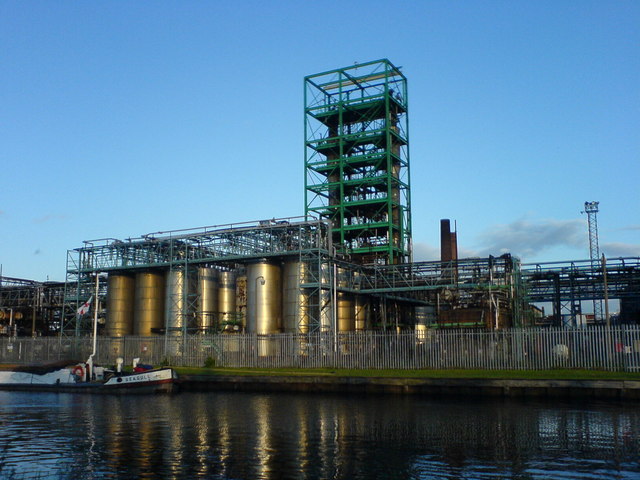
Chemical works on Aire and Calder Navigation canal, Yorkshire. Image: Jayne Claughton | Creative Commons Licence
It has long been known that chemical pollution has potentially lethal impacts on freshwater ecosystems, especially given that is just one of multiple stressors affecting the aquatic environment. However this new research suggests that the negative effects of chemical pollution are more widespread across Europe than previously thought.
Ralf B. Schäfer, head of the research team from the Institute for Environmental Sciences in Landau, Germany suggests, “Generally speaking we probably underestimated rather than overestimated the risks in our analyses. The actual state and condition of European freshwater ecosystems is probably even worse.” This in turn casts doubt on whether the ecological targets for European freshwaters set by the Water Framework Directive for 2015 will be met, and for the long-term health of the ecosystems if chemical pollution isn’t better managed in the future.
To address this, the authors suggest that large-scale, integrated pollution management approaches that go beyond local-scale ‘end-of-pipe’ solutions are critically needed. There are two key stages for management here: prevention and monitoring. The prevention stage involves promoting ‘green’ chemistry and the substitution of toxic chemicals in industry, agriculture and manufacturing processes, alongside effective treatment and disposal of chemical waste. It is suggested that pesticide reduction in agriculture and the use of riparian buffers at the edges of farmland are needed to reduce the amount of chemical pollution downstream of agricultural land.
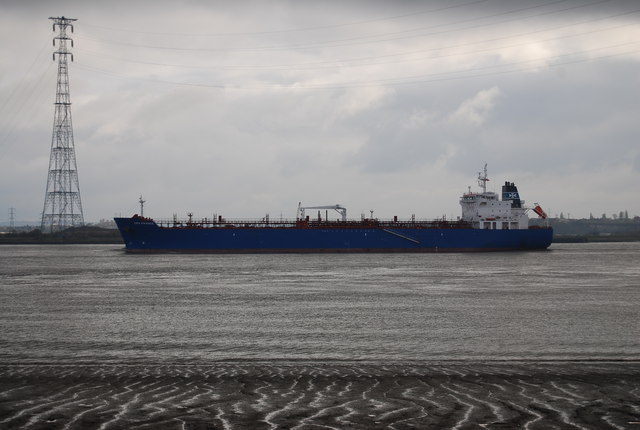
Ship sailing down the Thames estuary past a chemical works. Image: N Chadwick | Creative Commons Licence
The authors argue that the monitoring stage of management should better account for the ∼100,000 organic chemicals in daily use which may enter freshwater ecosystems via numerous different routes. Instead of focusing on individual chemical pollutants, it is suggested that management which monitors (and ideally mitigates) toxic pressure as a whole is necessary. Similarly, the study emphasises that chemical pollution is a large-scale process, and needs to be addressed as such through frameworks such as the Water Framework Directive and Registration, Evaluation, Authorization, and Restriction of Chemicals (REACH).
Putting such large-scale initiatives which require a shift in the way that the public, industry and agriculture use and dispose of chemicals is likely to prove a major challenge. However, the bleak picture that this study paints may well prove an important catalyst for future political and public action.
Meet the MARS team: Rafaela Schinegger
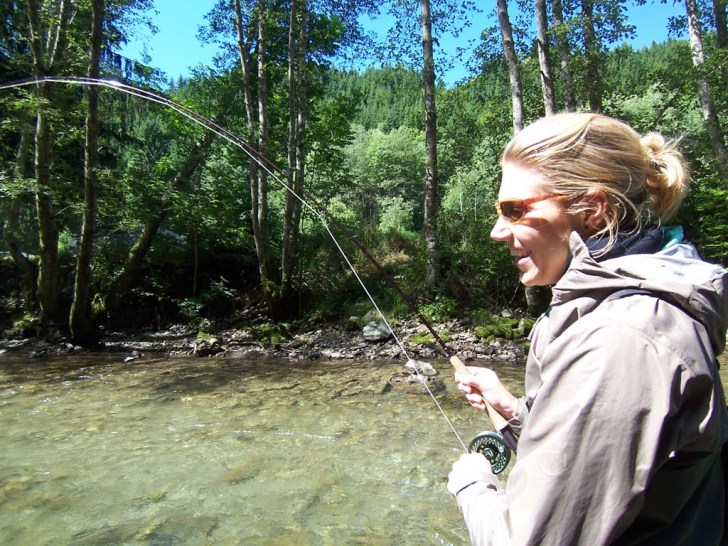
Rafaela is a keen fly fisher
 Rafaela Schinegger is a scientist, lecturer and project co-ordinator at the Institute of Hydrobiology and Aquatic Ecosystem Management at the University of Natural Resources and Life Sciences in Vienna, Austria (BOKU).
Rafaela’s research examines how fish populations respond to different ecological stresses at a variety of different geographical scales. Her doctoral thesis work focused on “Specific and multiple human pressures and their impacts on fish assemblages in European running waters“, a theme which has been continued in her subsequent research. Rafaela coordinates research projects on fish ecology, sustainable hydropower use and ecosystem services in the Alps and across Europe.
You can find out more about Rafaela’s work through her BOKU staff page, publications page and by following her on Twitter.
1. What is your focus of your work in MARS, and why?
My work in MARS focuses on various freshwater issues across different spatial scales. First of all, I support and coordinate Task 3.2 “Ongoing River Experiments and their Related Results”. I also work on Task 4.3 “Case Study Basins”, where I lead analyses on the effect of multiple human pressures on aquatic biodiversity across the Drava basin (a tributary of the Danube).
In addition, I contribute to Task 5.4 “Multiple Stressors on Fish across Europe”, the results of which will provide ecological indicators for specific pressures and pressure combinations. Finally, the results of this research at various spatial scales will feed into Task 8.2 “Guidance to River Basin Managers”, which I co-ordinate.

The Soca River in western Slovenia
2. Why is your work important?
Overall, it helps support and strengthen the implementation of the Water Framework Directive, in terms of understanding the effect of multiple human pressures on freshwaters and the potential value of ecosystem services. More specifically, we hope to provide methods on how to link freshwater ecological status to the impact of different pressures.
In addition, we hope to be able to estimate how much each pressure (e.g. pollution) needs to be reduced in order for freshwater ecosystems to reach a good ecological status. This can be achieved when we understand how to scale our results up and down – from experiments to catchments to the European scale and back again.
Finally, it is important to support the “science-policy interface” by making MARS’s scientific results accessible, easy to understand and “digestible” for water managers and other relevant stakeholders and decision makers.
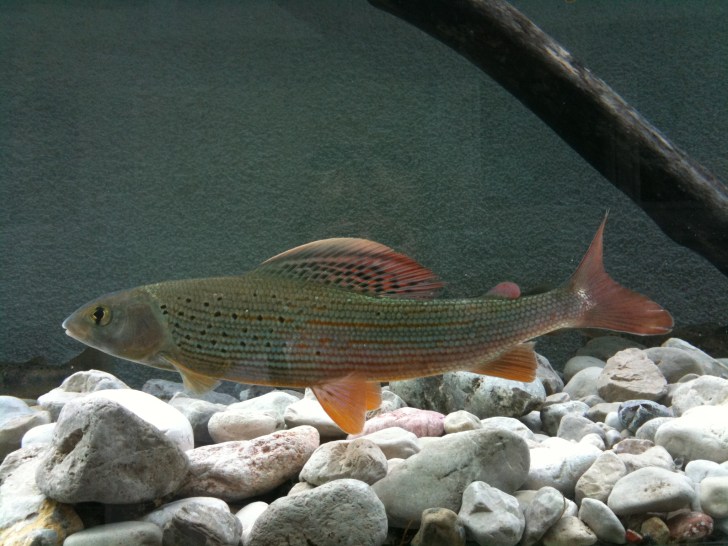
The European Grayling, a fish important to Rafaela’s research
3. What are the key challenges for freshwater management in Europe?
We are facing two key challenges, which MARS can help provide solutions to.
First, how to untangle the multiple pressures acting on Europe’s aquatic ecosystems, and how to translate this work into firm policy measures? These questions are still unclear to me and we might need to develop more sensitive assessment methods. However, if these questions can be answered, it will be a good basis to give guidance on future monitoring and ecological understanding of our freshwaters.
Second, how to integrate the concept of ecosystem services into freshwater management? The concept makes sense to me, as long as the principles of the Water Framework Directive are respected. Ecosystem services should be a valuable concept in the future for prioritisation of measures to reduce the pressures on freshwaters.
However, we have to be very careful when incorporating this concept into WFD work, for example in relation to the programme of measures, in order to ensure that the concepts are not conflicting or overruling. The economic valuation of ecosystem services will be a very challenging exercise for freshwater science and management in Europe.
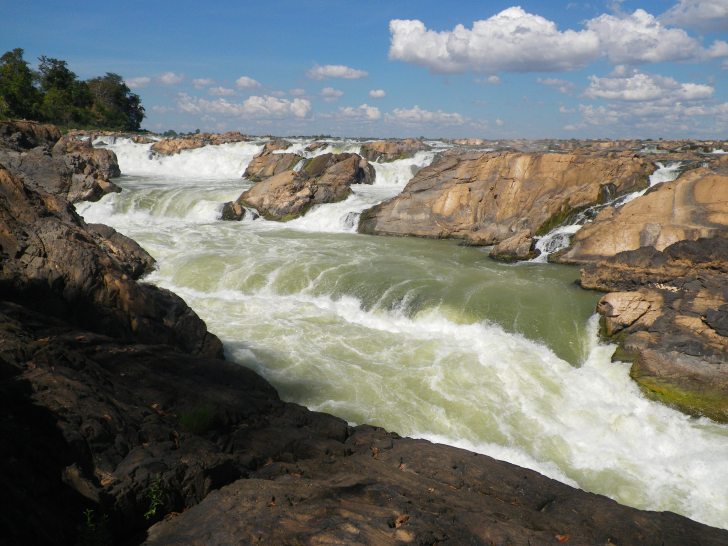
Khone Falls on the Mekong River
4. Tell us about a memorable experience in your career.
I have two memorable experiences from the last year in mind.
First, I contributed to an EFI+ project called Improvement and Spatial Extension of the European Fish Index. This was the first time I’ve contributed to a major project of this type, and it was very challenging to harmonise and analyse sampling data provided by 15 different institutions at the European scale. However, it was very inspiring and fruitful to work with a great team of European researchers, and I’m very thankful to all people involved, as I learnt a lot from them.
Second, in 2011 I remember sitting on the shore of the Mekong river for the first time and experiencing the Khone Falls at the border of Lao PDR and Cambodia – a stunning moment that I want to share with the blog readers in the picture above.

Rafaela teaching on an international masters fieldwork course
5. What inspired you to become a scientist?
I grew up in a remote place in Southern Austria and was out in the forests and yards every day, which certainly contributed to my great interest in nature and landscape. Thanks to very engaged teachers at my high school I became very much interested in natural sciences, which began my passion for biology, geography and chemistry. Finally, studying landscape planning with a focus on hydrobiology at BOKU inspired me a lot and opened the door to my scientific work in fish ecology and freshwater management.
6. What are your plans and ambitions for your future scientific work?
My ambition is to contribute to a “superior goal” – to help societies sustainably care for nature and our global biodiversity. To do this, we need to fill a critical gap in our understanding of the health of our freshwater systems to ultimately improve their management and conservation.
Education, knowledge sharing and capacity building in terms of a broader understanding of the natural world are all tremendously important. In this regard, continuing my teaching on BOKU’s international masters programme “Applied Limnology” and participating in European and global projects as MARS are ambitions for me. I’m very curious about what the future will bring.
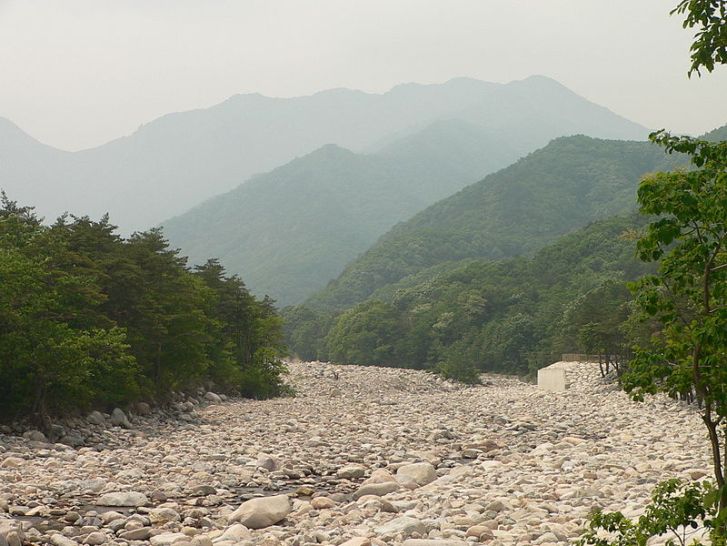
Dry river bed near Mt. Seoraksan in Korea. Image: Wikimedia
Not all rivers and streams plot a constant course towards the sea. Some naturally dry up when there is little rain, leaving behind a dry stream bed which floods the next time there is a heavy storm. In fact, most river systems have areas where at least some of the river bed will dry up, usually for days, sometimes for months or years.
For example, at least half of the 2700km long Tagliamento River in Italy is temporary (according to this journal article). At the other end of the world in a far colder climate, most of the streams formed from melting ice on Antarctica last only for a few months every year. Other rivers and streams around the world have become temporary due to the fragmentation of water flows through dam and weir construction, or through the removal of water for crop irrigation and industry. It is thought that changes to rainfall and air temperatures in future climates will cause even more rivers to become temporary, especially in arid regions.
A new journal article in Science by Vicenç Acuña and colleagues including BioFresh leader Klement Tockner argues whilst temporary rivers and streams are extremely important, both ecologically and culturally, they are not adequately managed and protected by current environmental policy.

A tangle of braided wet and dry channels on the River Tagliamento at Cornino in Italy. Image: Wikipedia
Dry river beds create surprisingly diverse ecosystems
Despite their barren appearance, dry river beds can be very important ecologically. They can support a unique set of plants and animals that are adapted to huge fluctuations in water availability (what ecologists term ‘wet’ and ‘dry’ phases), and massive disturbances when high rainfall floods a dry channel. The dropping of nutrient and mineral rich silt by receding waters (often termed ‘deposition’) often creates fertile strips of land for vegetation to grow, even in a desert, and so can provide unusually diverse habitat for many mammals, birds and insects, even when there is no water flow.
Similarly, dry river beds can act as egg and seed banks for many aquatic insects and plants which lie dormant in dry periods, then hatch or germinate when water returns. Dry river beds can also provide important migration corridors through the landscape for some animals, often guiding the way to where there may be temporary waterholes.
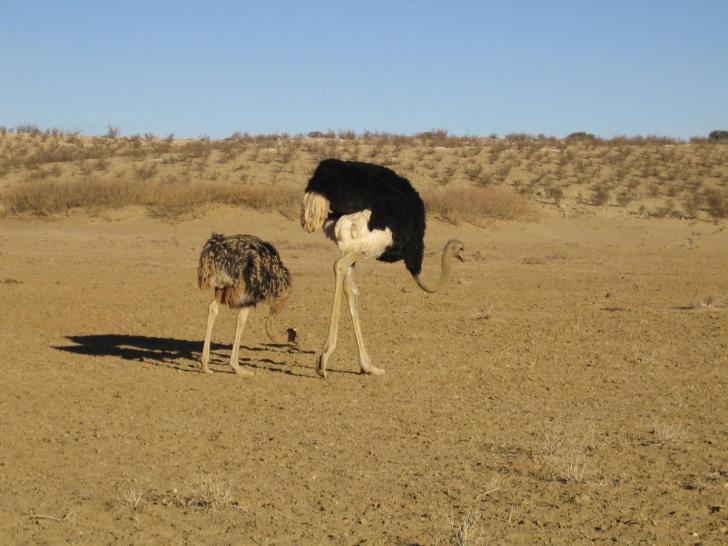
Ostriches feeding on a dry river bed in the Kgalagadi Transfrontier Park, Botswana. Image: Wikimedia
Connecting the wider environment
Temporary rivers and streams are important providing in what ecologists term ‘connectivity’, in the way they connect different ecological communities and flows of water, energy and nutrients across the wider landscape. A river channel that appears to be dry may still have water flowing underneath the surface, connecting more permanent flows elsewhere. Temporary rivers remind us that a river ecosystem is not only made up of the water you can see flowing on the surface, but of the often invisible flows and interactions of underground water, nutrients, plants and animals.
The importance of flux and change
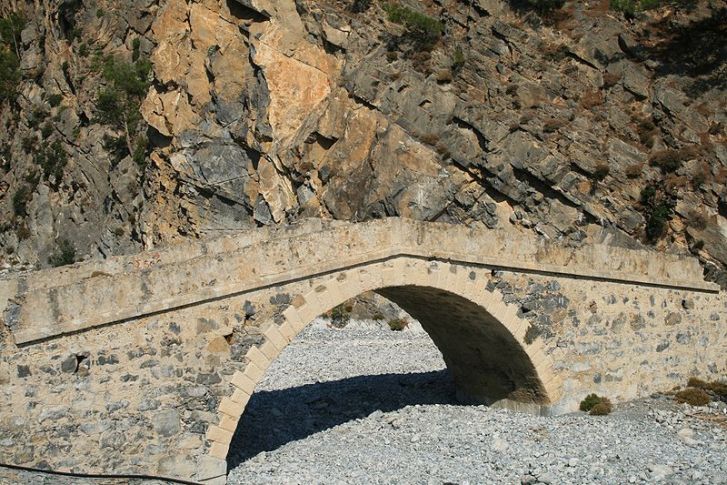
Stone bridge across a dry river bed in Agia Roumeli, Crete, Greece. Image: Wikimedia
Temporary rivers are an example of an ecosystem in constant flux, regularly altered by environmental change and disturbance. A key point here – especially when considering the work of the MARS project – is that intermittent and sometimes unpredictable water flows should not be seen as an unnatural stress on the ecosystem. Instead, these changing flows are an important part of these distinctive environments, shaping a unique habitat for a number of different plants and animals.
As a result, temporary rivers are increasingly studied by ecologists (e.g. Larned et al, 2010), the results of which will help work out how best to manage and conserve these fluctuating ecosystems. This research is particularly important given predictions of changing climates where some areas of the world become more arid and dry and others become wetter and more flood prone.
Dry river beds as spaces for human subsistence, storytelling and culture
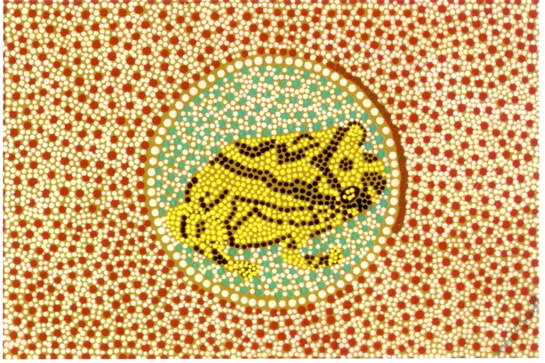
Aboriginal spot painting of Tiddalik the frog. Image: balyat.blogspot.com
Dry river beds are important to humans, too, providing migration routes and fertile places for animal grazing and agriculture. In the Dreamtime stories of Australian Aborigines, dry river beds were formed when a giant frog named Tiddalik drank all the rivers dry. The story of Tiddalik has been compared to that of the water-holding frog, which burrows underground during dry periods, reemerging during heavy rainfall to feed, breed and take on water in special skin pockets. When in search of water in dry periods, one Aboriginal trick is to dig up water-holding frogs from dry riverbeds in the Outback and give the animals a gentle squeeze, which releases water from the frog’s skin – a bit like a natural water bottle.

The Boteti River in Botswana. Note how the river appears to stop flowing at the bottom of the image. Image: NASA / Wikimedia
In Botswana, there are similar unexpected natural riches to be found beneath the partially dry Okavango delta. Local people ‘fish’ for catfish which lie dormant for weeks on end beneath dry river beds – a process known by biologists as aestivation. As seasonal flood waters shrink on the delta in the autumn, shoals of catfish rampage up shrinking stream channels to breed and feast on small prey fish trapped by the receding water. This ‘catfish run’ is a well-known phenomenon to locals and tourists alike, and people gather to see shoals of catfish turn the shrinking streams into boiling brown masses of water as they feed.
When is a river not a river? Challenges for managing temporary waterways

Cattle using a dry river bed in Mozambique as a migration corridor. Image: Stevie Mann / Wikimedia
So, temporary rivers are important to humans as well as to plants and animals. But how can we best manage and protect rivers that are not always there? As the new paper by Acuña et al states, “widespread degradation [of temporary rivers] stems from lack of recognition, poor understanding, and inadequate management”.
For example, as this paper by Alisha Steward and colleagues points out, seasonally dry riverbeds have been completely covered up by roads in many cities, such as Las Ramblas in Barcelona. Other temporary rivers have been inundated by water from dams or wastewater from industry, completely changing their natural flow regimes and encouraging the growth of populations of invasive species.
This lack of visibility for temporary rivers is also evident in global environmental policy. As Acuña et al outline: “The legal status of intermittently flowing streams and rivers and the extent to which they are incorporated into policy, management, and regulatory decisions vary widely depending on how temporary waters are defined by the authorities, as well as what kinds of protection are given to temporary waterways. Even where flow intermittency is prevalent, temporary waterways may not be legally recognised as part of the river network.”
Examples of current management from the EU, United States and Australia

Cars on the dry bed of the Leichhardt River in Australia, 1912. Image: Wikimedia
Definitions are a key challenge here: if you can define what needs managing, then it makes that task a lot easier. For example, in the European Union, a temporary stream or river may not be protected under the Water Framework Directive, depending on the different ‘typology’ systems that different areas of Europe use to classify their waterways. As the Acuña et al paper describes, this means that protection for temporary waterways in Europe is patchy and insufficient.
In the United States, rivers and streams which flow year round are given ‘jurisdictional’ legal protection against pollution and alteration. The definition, and need for protection, of temporary streams is considered on a case-by-case basis, meaning that many are not protected under this same jurisdictional basis. In contrast, in Australia temporary waterways are managed as part of wider river management plans in most areas, perhaps as a result of the wider awareness of these intermittent flows in Australian culture.
Recommendations for better management and protection of temporary rivers and streams

The Allt nan Uamh in Scotland. The river flows mostly underground through limestone caves, although the size of the boulders in the channel show how powerful spate flows can be. Image: Wikimedia
Broadly, it’s the inconsistency in definition, awareness and management of temporary rivers and streams that is key here. As Acuña et al argue, for environmental policy to be consistent with the current state of science, temporary waterways should be legally defined and managed as part of the river network they connect to – however irregularly. Even if flows are so rare that the river channel is usually dry, the authors argue that this definition as part of the wider system should still apply where the dry channels are important habitats for plants and animals.
How would stronger policies for managing and protecting temporary waterways be put into practice? Acuña et al state that an important step is to better map temporary rivers and streams, their flows and their biodiversity. The ecology of temporary streams will need to be monitored using biological indicator systems to understand the diversity of life they support, and how populations of plants and animals change in response to different water levels.
The intermittency of flow in these ecosystems isn’t a negative ecological stress, instead an important factor in shaping the form and diversity of these unique environments. How environmental policy can respond to such variation in flow and ecology of temporary rivers, particularly under future climate change, is an important challenge for global water management. In this context, the Acuña et al paper is important in bringing together the growing set of available research, and publishing these clear recommendations in such a high-profile journal.
Reference: Acuña et al (2014) ‘Why Should We Care About Temporary Waterways?’ Science, 343, 1080-1081
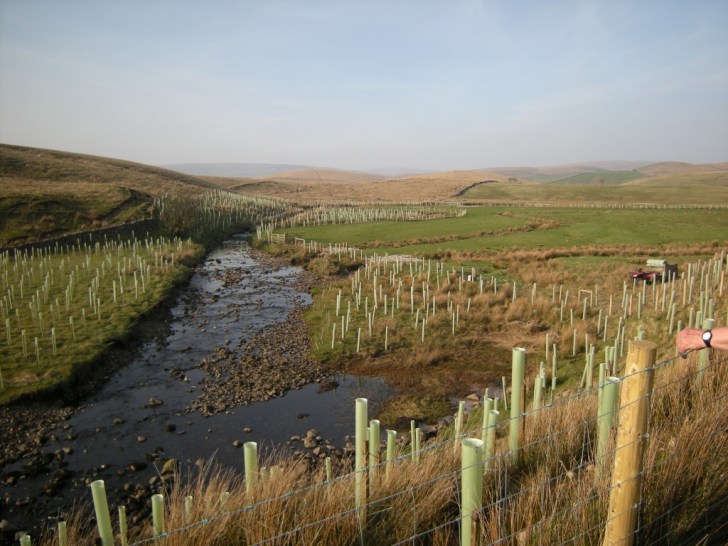
Cam Beck tree planting for the ‘Keeping Rivers Cool’ project. Image: Ribble Rivers Trust
Last week, we wrote about a new European Court of Auditors report which suggested that sustainable water management goals could be better integrated into the Common Agricultural Policy. A recent joint BioFresh / REFRESH science policy brief discusses a similar topic: how riparian ‘buffer zones’ along waterways can help boost freshwater biodiversity conservation and restoration efforts in agricultural land, both now and in the future.
The policy brief outlines how restoring woodland, grassland and reedbeds in riparian areas – the strips of non-agricultural land that run alongside rivers – can help prevent fluctuations in water temperature, provide a range of wildlife habitat, stabilise river banks, help regulate flooding, and filter agricultural pollution and debris before it reaches the river. As a significant proportion of Europe’s waterways lie in agricultural land, the process of conserving and restoring riparian buffer zones has the potential to improve the health and diversity of many of the continent’s freshwaters.
In particular, the brief outlines how woodland buffer zones may have an important role to play in mitigating the effects of potential climate warming on freshwater ecosystems by shading and cooling the water surface. This topic was investigated by Peter Brinkmann Kristensen and colleagues from Aarhus University in a 2013 journal article, and reported in a January 2014 REFRESH policy brief.
As a result, the joint BioFresh / REFRESH brief – published in April 2014 following the ‘Water Lives’ symposium – suggests that creating and restoring such riparian zones in agricultural land could strengthen adaptive planning for future climate change within the Water Framework Directive and potentially help bring freshwater conservation into the Common Agricultural Policy.
Keeping Rivers Cool
Understanding the role of riparian zones and other agri-environment schemes on freshwater ecosystems is a widely researched topic at present. In Lancashire in North West England, the Ribble Rivers Trust are running a project called ‘Keep Rivers Cool‘ in conjunction with the Environment Agency. At present, over 40,000 trees have been planted in riparian zones across the Ribble catchment, intended to shade and diversify the water’s edge and mitigate the effect of projected temperature increases on the river’s ecosystems. Prolonged increases in water temperatures reduces the amount of oxygen in the water, which can result in widespread fish deaths.
Water Friendly Farming
Another collaborative UK research project ‘Water Friendly Farming’ involving the Freshwater Habitats Trust, the Game & Wildlife Conservation Trust, University of York and agrochemical company Syngenta has established a catchment-scale study of 25 farms across 30 km² of farmland in Leicestershire.
The study seeks to understand how different agri-environment schemes – such as riparian buffer zones, different soil and nutrient management schemes and bankside fencing to restrict livestock access – influence freshwater biodiversity and ecosystem services at the catchment scale. There are further details on this scheme in a leaflet here (pdf), and we’ll publish an interview with Jeremy Biggs from the Freshwater Habitats Trust at the end of the month.
A space for water in the Common Agricultural Policy
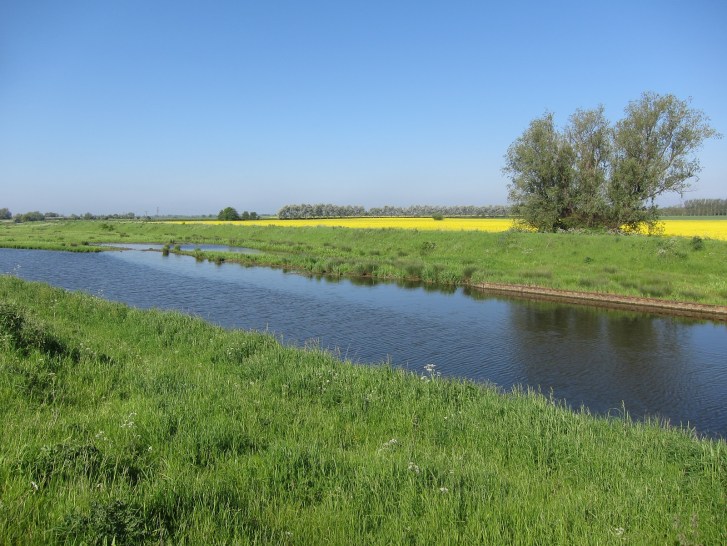
River Great Ouse in arable farmland. © Copyright Hugh Venables and licensed for reuse under this Creative Commons Licence
A recent European report suggests that attempts to promote freshwater ecosystem conservation in European agricultural policy have so far proved largely unsuccessful. The report, published in May 2014 by the European Court of Auditors (pdf), describes how priorities for freshwater ecosystem conservation outlined in the Water Framework Directive (WFD) have yet to be successfully integrated into the Common Agricultural Policy (CAP).
The Common Agricultural Policy and the Water Framework Directive are two key European policies shaping the form and function of the continent’s environment. Formed in 2000, the WFD requires countries to achieve ‘good status‘ for surface and groundwater by 2015 through a set of River Basin Management Plans (RBMPs).
The ‘status’ of water is assessed using four measures: biological (e.g. biodiversity); hydromorphological (e.g. river bank structure); physical-chemical (e.g. temperature and nutrient levels); and chemical (e.g. water pollutants). According to a 2012 European Environment Agency report, it is ‘not likely’ that Europe’s water will reach the goals set out by the WFD in 2015, in either water quality (e.g. owing to pollution) or quantity (e.g. owing to abstraction).
Agriculture is a key source of environmental stress on freshwaters. In Europe, it accounts for around 33% of total water use (e.g. for irrigation) and is the main source of nutrient pollution in water. Agricultural land surrounds many lakes and rivers and significantly influences the quality and quantity of water that reaches them. As a result, there are increasing calls across the continent to devise ways that agriculture can become more ‘water friendly’.
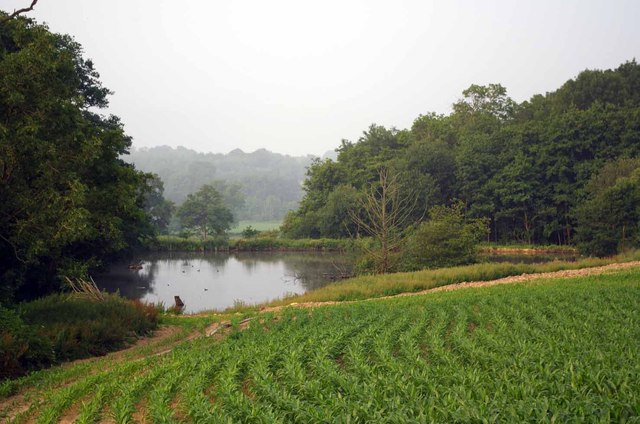
Pond in farmland, West Sussex. © Copyright Glyn Baker and licensed for reuse under this Creative Commons Licence
Introduced in 1962, the Common Agricultural Policy is the main policy influence on Europe’s agricultural land. There have been repeated calls by the Council of the European Union to better protect freshwaters from agricultural water pollution and abstraction through CAP as a means of helping reach the water management goals of the WFD. This cross-policy process has been put into action through two policy instruments: cross-compliance and rural development.
Cross-compliance is a CAP mechanism which ties direct payments to farmers to compliance with a set of rules based on maintaining agricultural land in good environmental condition. Examples include reducing the use of sewage sludge on farmland, and promoting buffer strips of vegetation at the edge of rivers and lakes. Non-compliance with these rules can lead to reduced CAP payments to farmers.
Rural development is shorthand for the European Agricultural Fund for Rural Development (EAFRD), which provides financial incentives for farmers voluntarily going beyond the requirements of legislation to promote biodiversity conservation on their land. Such voluntary actions might include wetland restoration, reduced pesticide use, the ‘naturalisation’ of drains and ditches or more extensive grazing regimes.
The European Court Audit, carried out between 2012-13, involved visits to catchments in seven European countries, an online survey of 140 farm advisory boards, and consultation with agricultural organisations, EC departments and the European Environment Agency. It concluded that cross-compliance and rural development mechanisms have only been ‘partially successful’ in bringing the concerns of European water policy into CAP.
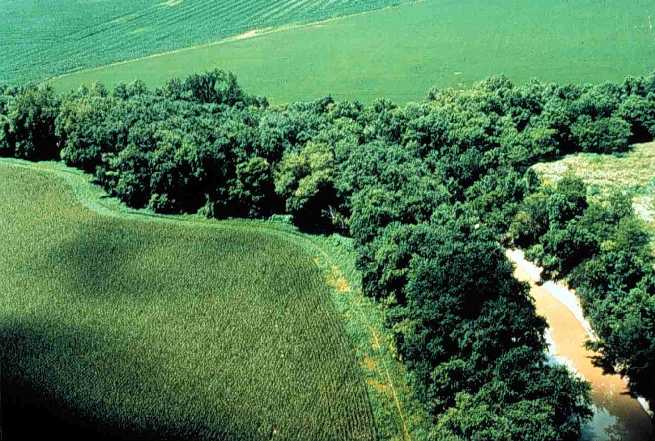
Riparian zone close to Lake Erie, USA. Image: Wikipedia
A key point here is that CAP has the potential to provide significant financial incentives to farmers to sustainably manage water through these mechanisms. CAP accounts for around 40% of the total EU budget (€58.1 billion in 2012) – a significant amount of funding, which if these mechanisms proved successful could significantly help strengthen the goals of the unfunded WFD.
So why have the European Court of Auditors concluded that cross-compliance and rural development mechanisms in CAP have only been ‘partially successful’ in promoting freshwater ecosystem conservation on agricultural land?
First, it is argued that delays in the implementation of the WFD in Europe have held up its integration into CAP. Second, cross-compliance mechanisms currently have key weaknesses in protecting freshwaters. Most importantly, they do not currently include regulations on the use of phosphorous (which can cause algal blooms) and pesticide use in assessing environmentally friendly farming, and there is only a partial implementation of the scheme at farm level.
Third, requirements for cross-compliance vary widely between European countries, particularly in the requirements for riparian buffer strips and use of water in irrigation. Fourth, the potential of the rural development fund to reward farmers for voluntary environmental conservation is underused with regards to water, with water-related problems relating to agriculture not comprehensively identified and integrated into the scheme.
Fifth, the ‘polluter pays‘ principle doesn’t exist in the CAP payment scheme, meaning that penalties for polluting, administered through reduced cross-compliance payments, may not equal the cost of cleaning up the polluted habitat. Sixth, it is argued that monitoring networks for the effect of agriculture on freshwater ecosystems across Europe are incomplete and fragmented, and therefore agri-environment evaluation schemes under CAP are of limited value.
In short, there are numerous ways that water-related problems in Europe could be better brought into existing mechanisms within CAP to help promote the goals of the WFD and work towards healthy freshwater ecosystems.
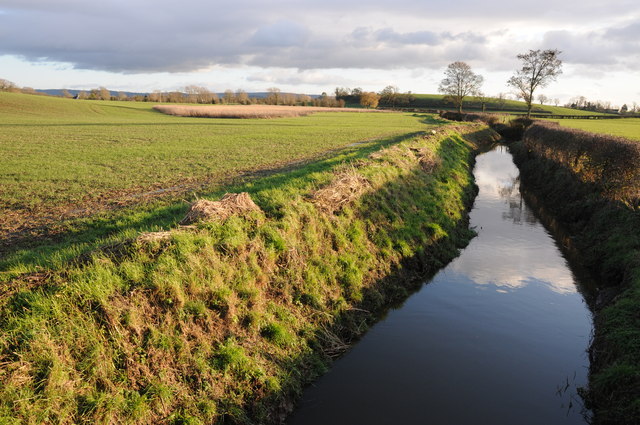
Brook and farmland, Gloucestershire. © Copyright Philip Halling and licensed for reuse under this Creative Commons Licence
The Audit therefore gives three key recommendations. First, the existing cross-compliance and rural development mechanisms should be altered to better promote sustainable water use (e.g. by incorporating phosphorous and pesticides into cross-compliance).
Second, it recommends that the process of implementing the WFD across Europe is speeded up for the next management cycle (which begins in 2015) to give clear, concrete goals for the CAP mechanisms to follow.
Third, it is suggested that monitoring systems for understanding and evaluating the links between agricultural practices and water quality and quantity are improved across Europe to help target areas where CAP funds are most needed.
Finding ways to make agriculture more ‘water friendly’ is a key challenge for freshwater conservation. We’ll publish more posts over the coming weeks on the theme, profiling schemes such as the collaborative ‘Water Friendly Farming‘ project in the UK, which looks to understand the effect of different agricultural practices on our freshwaters.
The designation and management of protected areas has been a cornerstone of biodiversity policy for more than a century. In the 1970s, for example, the international community agreed to expand the global protected reserve area system guided by the representation principle – the idea that populations of all species, as well as examples of all habitats, should be represented within regional and national protected area networks and reserve boundaries . They set a goal of 10% of the Earth’s land area to be protected, which has since increased to 17% under Aichi target 11.
Delivery of the representation principle has historically been constrained by gaps in biodiversity knowledge: for instance most reserve systems have been designed without reference to freshwater biodiversity simply because information on the distribution and status of freshwater biodiversity was unavailable.
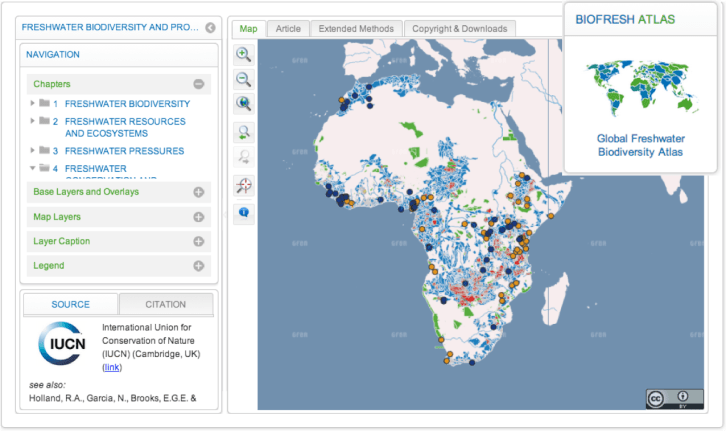
Freshwater biodiversity and protected areas in Africa: a gap analysis (click on map to open Atlas)
Identifying the Key Freshwater Biodiversity Areas visualized on this map involved the production of distribution GIS shape files for every species of amphibian, fish, crab, dragonfly and freshwater plant in Africa. This hugely impressive undertaking of the IUCN Freshwater Biodiversity Unit was completed under the BioFresh project. The goal of KBAs is to improve place-based conservation of freshwater biodiversity. However it is the underlying KBA datasets as much as the mapped output that translates KBAs into action on-the-ground.
A good case in point is the Program to Reinforce the Protected Area Network (PARAP) in the Democratic Republic of the Congo (DRC). This is being implemented by the Institut Congolais pour la Conservation de la Nature (ICCN) and the World Wide Fund for Nature (WWF) and funded by the German Federal Ministry of Environment, Nature Conservation and Nuclear Safety (BMU) to support the DRC’s commitment to expand their reserve network to 17% of their national land a
According to Michele Thieme, Senior Freshwater Scientist with WWF the goal of PARAP was to revisit the DRC protected area system – “to go to existing protected areas and see what was still their and what threats they faced and then to redesign and expand reserve system. Part of this was to bring in the freshwater biodiversity dimension using MARXAN.”
MARXAN is a decision support software tool that deploys algorithms to generate reserve system design that achieve specified biodiversity representation goals in an optimal way. The MARXAN tool requires setting targets in the algorithms that process the habitat and species data. It then runs through multiple interactions and “spits out” the best solution and alternative scenarios based on the selection of different planning units.
Thieme started with a meeting of scientists and DRC government representatives with expertise in freshwater who set the conservation targets. These included the percentage of freshwater ecosystem types and species distribution to be represented in the reserve system along with the spatial scale of potential reserves. Next she described how they entered into the MARXAN software shape files of different ecosystems types that WWF had previously developed along with newly available IUCN KBA species distribution and similar data sets of freshwater mammal and bird distribution.
Needless to say running MARXAN for freshwater biodiversity was not quite so simple. Thiem describes how “the standard’ MARXAN algorithm is designed for terrestrial reserves systems and seeks to clump reserves where possible to promote connectivity. However hydrological connectivity is linear – along river systems.” To over-come this limitation she worked with Simon Linke and Virgilio Hermoso, Griffith University who adapted a piece of the MARXAN algorithm to take into account adjacent hydrosheds and clump hydrological regions thereby promoting hydrological connectivity.
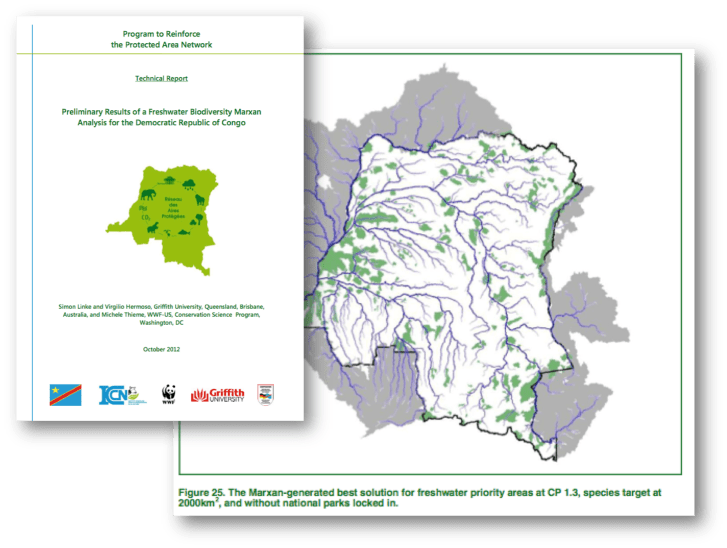
The outcome of this freshwater biodiversity system design, along with full details of the methodology is available in the 2012 Technical report Technical Report “Preliminary Results of a Freshwater Biodiversity Marxan Analysis for the Democratic Republic of Congo”. The DRC government agency responsible for protected areas has the report but Thieme is not quite sure what currently is happening with it. It is not unusual that a scientific input seemingly disappears when entering the bureaucratic policy process only to reappear some indeterminate later is a tangible on the ground change. Lets hope this is the case for freshwater biodiversity and a revised DRC protected areas system design.










 The Freshwater Blog
