MERLIN Podcast EP.10 – Restoring Europe’s landscapes through the Green Deal and Nature Restoration Law

In the new episode of the MERLIN podcast we take a behind the scenes look at environmental restoration in Europe on the cusp of what will likely prove to be a transformative year.
First, we find out about the EU’s big environmental policy, the Green Deal, then about the ambitious new Nature Restoration Law adopted last year. We then hear from four EU restoration projects about the challenges of planning, financing and carrying out restoration on freshwaters, forests, wetlands and coastlines across the continent.
Podcast host Rob St John speaks to Colombe Warin from the European Commission, Shane McGuinness from WaterLANDS, Agustín Sánchez-Arcilla from REST-COAST, Elisabeth Schatzdorfer from SUPERB and Sebastian Birk from MERLIN to get the inside story on restoring Europe’s landscapes.
Four key themes emerge around contemporary restoration in Europe: the use of nature-based solutions; the importance of bringing communities and stakeholders together; the challenges of financing ambitious restoration projects; and the need to upscale restoration activities from individual sites to entire landscapes and watersheds.
You can also listen and subscribe to the podcast on Spotify, Amazon, and Apple Podcasts. Stay tuned for the next episode soon!
///
This article is supported by the MERLIN project.
Top posts of 2024

In these early days of 2025 we continue our annual tradition of looking back at our top posts from the previous year.
Freshwater issues were at the heart of many of the big environmental issues of 2024. In Europe, the need for ambitious ecological restoration was enshrined in policy through the adoption of the EU Nature Restoration Law. Across the continent, the effects of extreme floods and droughts were increasingly felt, signalling the urgent need for environmental restoration to help support the lives of both people and nature.
2024 also saw the ongoing rise of nature-based solutions to help tackle such major issues. Nature-based solutions – which harness the potential of natural processes in environmental management – are increasingly being used across river, stream, lake and peatland restoration, both in Europe and globally.
The EU MERLIN project was a hive of activity, as its learning Academy and Marketplace were launched, alongside a raft of policy briefings and reports. Our MERLIN podcast featured a range of ‘behind the scenes’ glimpses into this work to help bring Europe’s freshwaters back to life, including stream restoration in Portugal and the restoration of the Danube River in Austria.
And now looking forward to 2025, we want to say a big thank you to you, our readers and listeners, for your eyes and ears. We appreciate your support, and are always happy to hear your thoughts and ideas, whether by email or on our social media platforms.
///
Can European agriculture be economically viable and environmentally friendly? (February)

The relationship between agriculture and the environment is a hot topic in Europe right now. In recent months farmers across the continent have been protesting to highlight a system they see as increasingly unprofitable and burdened by EU rules aimed at making the bloc climate-neutral by 2050. Farmers have organised motorway and city blockades in tractors across Greece, Germany, Portugal, Poland and France, and last week pelted the European Parliament in Brussels with eggs.
A new study explores how the impacts of different agricultural approaches across Europe affect the ecological health of rivers and streams across the continent. A research team led by Dr. Christian Schürings from UDE in Germany analysed data on agricultural land use across 27 European countries. Writing in Water Research, the researchers then linked this analysis to data on the ecological status of flowing waters across the continent, from small streams to huge rivers like the Ruhr and Rhine. (read more)
///
Can the EU Nature Restoration Law help make Europe’s rivers flow more freely? (March)
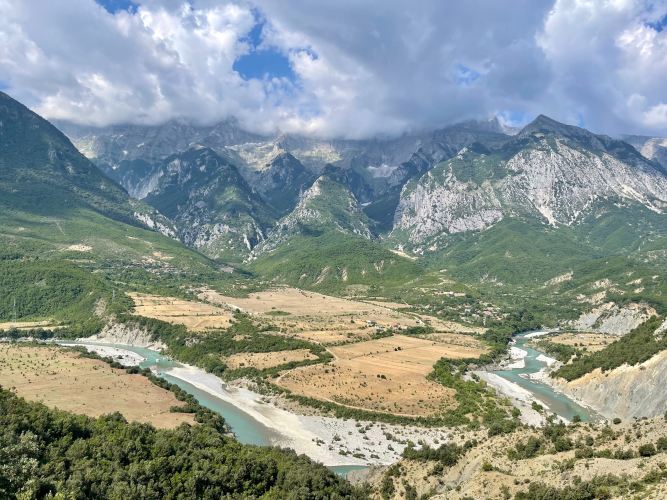
After months of debate and revisions the EU Nature Restoration Law was approved by the European Parliament in late February. The law represents an ambitious step towards restoring Europe’s depleted ecosystems, requiring EU countries to restore at least 20% of their land and sea by 2030, and all ecosystems in need of restoration by 2050.
The EU Nature Restoration Law is a significant response to the fact that over 80% of European habitats are in poor condition and in need of restoration. Moreover, it foregrounds the vital roles that nature plays in supporting our lives, whether through food security, flood protection or water supplies. On a continent increasingly stressed by the effects of the climate emergency and economic crisis, it offers a hopeful vision of fostering more sustainable and resilient societies and economies in the future. (read more)
///
Ringing the doorbell to help fish migration in the Netherlands (April)

It’s well known that barriers to fish migration are a major issue in rivers across Europe. An innovative scheme in the Netherlands has harnessed the power of online citizen scientists to alert ecologists in Utrecht when fish are congregating behind a boat lock between the rivers Kromme Rhine and Vecht.
Visitors to the ‘fish doorbell’ website can then press a button to tell the lock keeper to open the gate to allow the fish through. This scheme – which allows fish such as carp, bream and eels to move upstream and avoid predators such as grebes and cormorants – has been extremely popular, with over a million visitors this year alone. (read more)
///
Global migratory fish populations have declined by 81% since 1970: but river restoration projects offer hope (May)

Global migratory fish populations have declined by 81% since 1970, according to a major new report released last week. This startling decline has been documented in freshwaters across the world, with particular severity in Europe, Latin America and the Caribbean.
The new Living Planet Index for Migratory Freshwater Fishes states that the downward trend in migratory fish populations represents an annual decline of 3.3%, and is largely the result of habitat degradation and loss coupled with human over-exploitation. The report cites that a key driver of migratory fish declines is the fragmentation of rivers and the blockage of migration routes due to dams, weirs and other barriers. (read more)
///
The MERLIN Academy: a new open-access learning and resources hub for freshwater restoration (July)

The EU MERLIN project has launched its new online Academy, a hub for cutting-edge learning, resources, webinars and podcasts around freshwater restoration. The open-access Academy is designed to help support practitioners, students and policy makers in mainstreaming freshwater restoration, both in Europe and globally.
Visitors to the MERLIN Academy can sign up to a series of Learning Modules for free. The first public Module covers the economics and financing of freshwater restoration in a series of videos featuring experts on the topic, along with a series of worksheets and quizzes. (read more)
///
Making the Seine swimmable for the Paris Olympics (August)

This summer’s Olympic Games in Paris saw swimmers compete in the River Seine, a waterway that had been closed to public bathers for more than a century due to high levels of water pollution.
The Seine, which flows 481 miles from Burgundy to the sea in Normandy, has long defined the architecture and culture of Paris. However, before this summer, centuries of domestic and industrial wastewater coupled with Paris’s complex and antiquated sewage system had made the river highly polluted and unsafe to swim in. (read more)
///
Restoring Europe’s landscapes to tackle the effects of the climate emergency (September)

Devastating flooding has killed at least 24 people as more than five times the average monthly rainfall for September has fallen across Austria, the Czech Republic, Hungary, Poland, Romania and Slovakia in the past week. At the same time, the Portuguese government has declared a ‘state of calamity’ as wildfires have torn through forests across the north of the country.
Through these floods and wildfires, we are witnessing the effects of the climate emergency in action. “Make no mistake. This tragedy is not an anomaly. This is fast becoming the norm for our shared future,” the EU’s crisis management commissioner Janez Lenarčič told MEPs last week. “Europe is the fastest warming continent globally and is particularly vulnerable to extreme weather events.” (read more)
///
MERLIN Podcast EP.9 – Why community matters to freshwater restoration (October)
It’s increasingly recognised that restoring damaged ecosystems is not only about improving habitats for wildlife, it is also vital to consider the needs of the people who live and work in a restoration landscape.
In the new episode of the MERLIN podcast we hear stories about how community has been placed at the heart of freshwater restoration projects. We hear from Tal Marciano Ratner about how the restoration of the Tzipori watershed in Israel offers a meeting place for people from different religions and ethnicities to come together in a time of great unrest and conflict.
Ruben Rocha from Dam Removal Europe talks about the challenges of communicating the benefits of dam removal to local communities, and describes how he is beginning to see the demand for removal projects coming from communities themselves. Roland Bischof and Julia von Gönner from iDiv in Germany tell us about the innovative citizen science work in the FLOW project, where the public can help scientists generate valuable data about the health of their streams.
Robert Arlinghaus from IGB and Humboldt University in Germany describes his long-standing work with angling communities, outlining how a productive form of aquatic stewardship can emerge from their interactions with nature. Finally, María Sánchez from ECOLISE outlines how community-led initiatives across Europe are helping give people a stronger voice in shaping environmental restoration.
///
Notes from the water’s edge: how MERLIN is helping bring Europe’s freshwaters back to life (November)

Plans for environmental restoration are gathering pace across Europe as we move closer to the adoption of the EU Nature Restoration Law. This planning is supported by four major European projects which aim to develop new approaches to help restore the continent’s freshwaters, forests, wetlands and coastlines.
These four projects – MERLIN, SUPERB, WaterLANDS and REST-COAST – were funded by the EU’s big environmental policy, the Green Deal. As they all have around a year left to run, the four projects are rapidly producing guidance, tools and support to help environmental managers bring Europe’s environments back to life. (read more)
///
Signalling the path towards healthy freshwaters in Europe (December)

Europe’s freshwaters are under increasing pressure from human activities. For centuries, rivers, lakes, streams and wetlands across the continent have been altered, abstracted and polluted. And as floods and droughts across Europe intensify, we are seeing the real-time effects of climate change directly impacting both our freshwaters and our everyday lives.
In recent years there has been a groundswell of activity promoting freshwater conservation and restoration across the continent. Large EU projects like MERLIN and WaterLANDS are rigorously testing the potential of so-called ‘nature-based solutions’ to help restore rivers, streams and wetlands.
These topics are at the heart of a new report by the European Environment Agency (EEA). In Signals 2024, the EEA state that despite ongoing attempts to safeguard European freshwaters, urgent action is needed to safeguard water security and build resilience to every-growing pressures. (read more)
///
You can read all our 2024 articles here – happy 2025!
This article is supported by the MERLIN project.
MERLIN Academy launches free course on freshwater restoration
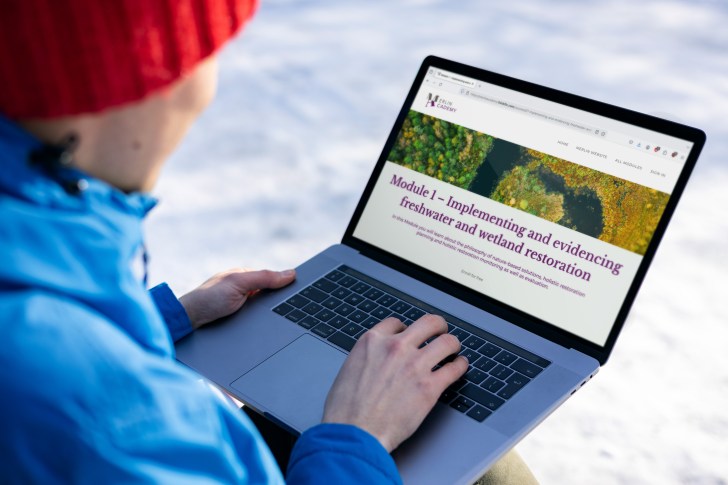
The EU MERLIN project has today launched a new, open-access learning module on implementing freshwater restoration. Across 62 lessons, the module – hosted on the MERLIN Academy – guides visitors through the policy, management and assessment of the restoration of rivers, lakes and wetlands.
The new learning module includes a range of fact-sheets, videos and quizzes produced by leading restoration scientists. It begins by introducing the key policies – including the EU Green Deal and Nature Restoration Law – that structure and guide restoration efforts in Europe. Central to this theme is the idea of using natural processes to implement restoration projects – a set of approaches known as nature-based solutions.
The module continues by outlining the key concepts – such as River Basin Management and Regional Scalability planning – which underpin how freshwater restoration is planned and implemented. A vital component of this theme is the challenge of ‘scaling up’ restoration from individual sites to whole river basins.

“MERLIN learns a lot from close collaboration with restoration cases on the ground,” says MERLIN coordinator Dr Sebastian Birk from UDE in Germany. “These experiences have shaped the design of the Academy, resulting in knowledge that is robust and actionable.”
This learning theme leads into a series of resources around designing and implementing effective restoration monitoring programs which can track the progress of a restoration project. This is an important process, not only for monitoring how nature recovery is taking place, but also tracking the benefits it produces to people.
This feeds into the final theme of the new learning module, which offers resources to help users assess the impacts of restoration on both people and nature. In particular, this theme highlights environmental criteria such as biodiversity, free-flowing rivers and climate resilience which are designated by European policies.
“Nature restoration is not just about biodiversity benefits,” says module coordinator Dr Laurence Carvalho from NIVA in Norway. “This module provides you with the knowledge to measure the co-benefits, and trade-offs, for society and the economy.”

The MERLIN Academy offers free, cutting-edge learning resources to help support and train new generations of restoration managers and scientists. The new module follows another released earlier this year which explores the economics and financing of freshwater restoration.
The MERLIN Academy instructors are experts with deep experience of freshwater ecology, restoration, nature-based solutions, policy and economics. Drawn from academic institutions, NGOs and private companies, their expertise is offered freely as a means of supporting positive change through freshwater restoration, both in Europe and globally.
“Something I really appreciate is that this tool is freely accessible, which makes education and the MERLIN knowledge inclusive for any person with an internet connection,” says Joselyn Arreaga Espin, developer of the MERLIN Academy.
///
This article is supported by the MERLIN project.
Signalling the path towards healthy freshwaters in Europe
Europe’s freshwaters are under increasing pressure from human activities. For centuries, rivers, lakes, streams and wetlands across the continent have been altered, abstracted and polluted. And as floods and droughts across Europe intensify, we are seeing the real-time effects of climate change directly impacting both our freshwaters and our everyday lives.
In recent years there has been a groundswell of activity promoting freshwater conservation and restoration across the continent. Large EU projects like MERLIN and WaterLANDS are rigorously testing the potential of so-called ‘nature-based solutions’ to help restore rivers, streams and wetlands.
These schemes – which harness the power of natural process – aim to highlight how healthy freshwaters are not only vital habitats for a dizzying range of biodiversity, but also the vital scaffolding to sustainable and prosperous human societies.
These topics are at the heart of a new report by the European Environment Agency (EEA). In Signals 2024, the EEA state that despite ongoing attempts to safeguard European freshwaters, urgent action is needed to safeguard water security and build resilience to every-growing pressures.
“Climate change is making water management more challenging than ever. Rising temperatures, changing rainfall patterns, and extreme weather events are putting unprecedented pressure on water resources,” says Leena Ylä-Mononen, the EEA Executive Director.
“Water stress already affects 30% of Europe’s population each year, a trend that is set to worsen as climate change intensifies. Across Europe, shifting rainfall patterns have led to both more frequent droughts and more intense rainfall events and floods,” Ylä-Mononen continues.

These trends are evident in this year’s EEA assessment of Europe’s water bodies. The study shows that as of 2021, only 37% of Europe’s surface waters achieved ‘good ecological status’ whilst just 29% met ‘good chemical status’.
Ongoing agricultural and industrial pollution into freshwaters creates ‘cocktails’ of pressures on freshwaters increasingly impacted by climate change. As the figures show, this means that around two-thirds of European freshwaters are in unfavourable condition.
“Our existing systems are poorly adapted to cope with these rapid changes, threatening both water security and the health of people and nature,” Leena Ylä-Mononen continues. “As weather extremes become more common, our management of water must adapt too. We need decisive action to protect communities and preserve the health of our natural environments.
“To improve resilience, we must focus on reducing water use and enhancing efficiency. This includes cutting water leakage, investing in water-efficient technologies, and increasing water reuse. In addition, expanding the use of nature-based solutions, such as restoring wetlands and increasing green infrastructure, can improve water retention, reduce flood risks, and restore biodiversity,” Ylä-Mononen states.
The report highlights the need for better data and monitoring systems which offer real-time information on water quality and quantity to allow better decisions to be made about managing freshwater systems. This is particularly the case when negotiating water use with other stakeholders from agriculture and industry.
In this spirit, the report emphasises that building water resilience is a shared responsibility, requiring open collaborations between policy makers, scientists, industry and citizens to help reduce water consumption, reduce pollution and restore freshwater ecoystems.
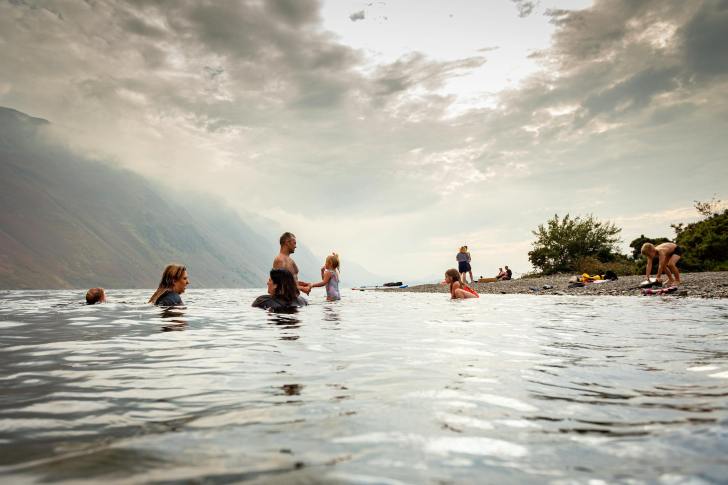
The report features four key articles on water management in Europe. The first highlights the pressing need to restore European freshwaters to protect their rapidly dwindling biodiversity. The second explores why water pollution persists across the continent despite decades of action to curb it.
The third highlights how climate change poses increasing risks to water quality and freshwater supplies for people and nature across the continent, and how there is an urgent need to build resilience into our freshwater systems. The final article offers a good news story: highlighting how – thanks to effective environmental management – 96% of designated European bathing waters now meet safety standards.
///
Read EEA Signals 2024 – Towards healthy and resilient waters in Europe
///
This article is supported by the MERLIN project.
Notes from the water’s edge: how MERLIN is helping bring Europe’s freshwaters back to life

Plans for environmental restoration are gathering pace across Europe as we move closer to the adoption of the EU Nature Restoration Law. This planning is supported by four major European projects which aim to develop new approaches to help restore the continent’s freshwaters, forests, wetlands and coastlines.
These four projects – MERLIN, SUPERB, WaterLANDS and REST-COAST – were funded by the EU’s big environmental policy, the Green Deal. As they all have around a year left to run, the four projects are rapidly producing guidance, tools and support to help environmental managers bring Europe’s environments back to life.
The four Green Deal projects will present their work at an EU webinar next month – sign up here.
MERLIN Academy and Innovation Awards
MERLIN has been particularly busy in recent months. The latest newsletter showcases the breadth of work taking place across the project, including the developments of the MERLIN Academy, an online platform which aims to support practitioners, students, and policymakers in implementing effective restoration projects.
The MERLIN Academy – which consists of free online modules covering both theoretical and practical themes around freshwater restoration – is now looking for people to help shape its future. An online survey is available for the rest of the month, asking how the Academy can be better tailored to meet the needs of those implementing the Nature Restoration Law. You can access it here.
The annual MERLIN Innovation Awards are now open for submissions. The awards celebrate the products and services which are making ground-breaking contributions to global freshwater restoration. You can read about the past winners here, and make your entry by 13th December 2024 here.
Exploring case studies and deliverables
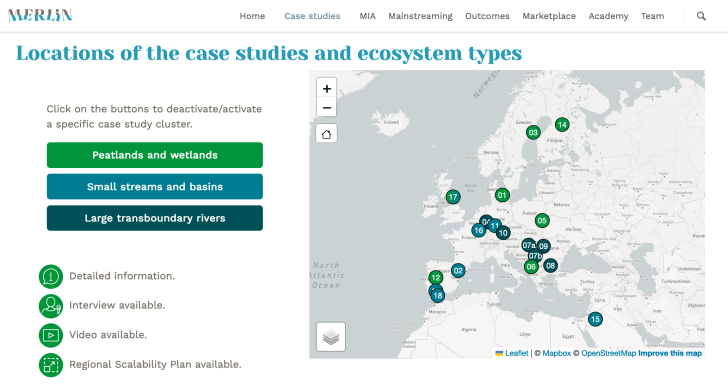
MERLIN’s work is based on the experiences and findings from 18 restoration case studies across Europe, from large rivers to tiny streams; from urban wetlands to remote peatlands. Stories and data from these amazing places can now be explored through the Case Study portal.
If you haven’t been keeping up with the MERLIN podcast, you can explore all our episodes here. The latest episode, released earlier this month, focuses on the crucial role of communities in driving positive change. From Israel to Germany, we learn how diverse groups of people are coming together to restore their local waterways.
A key part of big projects like MERLIN is publishing so-called ‘deliverables’, which provide cutting-edge information to policy makers, environmental managers and scientists to help share new findings. Four new deliverable reports have been published this autumn, covering topics including just transformations in implementing nature-based solutions, economic value analysis, and how to ‘upscale’ restoration from small sites to entire landscapes. You can read them all here.
Simulating ‘digital twins’ of real-world environments
One particularly fascinating deliverable covers the stories from the four ‘digital twin’ case studies in MERLIN. Digital twins are dynamic, virtual copies of real-world systems. Essentially, they are computer models of real environments which look and behave like a natural system.
Following the boom in ‘big data’, digital twins have become increasingly popular in replicating complex human-made systems like aircrafts and buildings. In so doing, they allow designers to predict their behaviour under different scenarios.
The MERLIN scientists saw significant potential for this approach to be applied to freshwater restoration. As we well know, freshwaters are hugely complex systems which change over seasons and years, and are vulnerable to human-made pressures. Being able to better predict their dynamics over long timescales is thus a valuable opportunity for environmental managers and policy makers seeking to mainstream their restoration.
In an engaging ‘StoryMap’, the MERLIN team lead viewers through four key elements of digital twinning: big data, computer modelling, supporting decision making, and boosting wider engagement. You can explore the world of digital twinning here.
///
This article is supported by the MERLIN project.

It’s increasingly recognised that restoring damaged ecosystems is not only about improving habitats for wildlife, it is also vital to consider the needs of the people who live and work in a restoration landscape.
In the new episode of the MERLIN podcast we hear stories about how community has been placed at the heart of freshwater restoration projects. We hear from Tal Marciano Ratner about how the restoration of the Tzipori watershed in Israel offers a meeting place for people from different religions and ethnicities to come together in a time of great unrest and conflict.
Ruben Rocha from Dam Removal Europe talks about the challenges of communicating the benefits of dam removal to local communities, and describes how he is beginning to see the demand for removal projects coming from communities themselves. Roland Bischof and Julia von Gönner from iDiv in Germany tell us about the innovative citizen science work in the FLOW project, where the public can help scientists generate valuable data about the health of their streams.
Robert Arlinghaus from IGB and Humboldt University in Germany describes his long-standing work with angling communities, outlining how a productive form of aquatic stewardship can emerge from their interactions with nature. Finally, María Sánchez from ECOLISE outlines how community-led initiatives across Europe are helping give people a stronger voice in shaping environmental restoration.
You can also listen and subscribe to the podcast on Spotify, Amazon, and Apple Podcasts. Stay tuned for the next episode soon!
///
This article is supported by the MERLIN project.
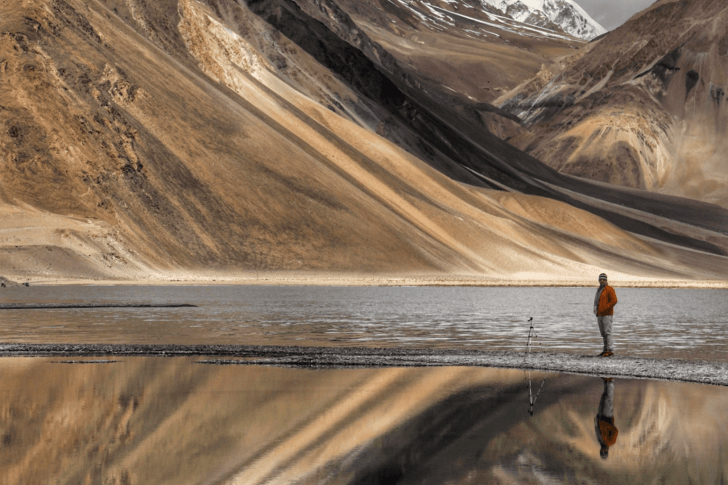
2023 was the driest year for global rivers in 33 years, according to a major new report released this week. The World Meteorological Organisation’s (WMO) State of Global Water Resources 2023 report highlights the severe stresses on global water supplies, starkly indicated by five consecutive years of below-normal river flows across the world.
The report draws from global meteorological and hydrological data to offer a planetary assessment of water resources. It highlights that 2023 was the hottest year on record, with widespread floods and prolonged droughts globally, driven by the ongoing climate emergency, which has made the global water cycle more erratic and extreme.
Melting glaciers suffered the largest loss of ice mass ever recorded over the last five decades. 2023 is the second consecutive year in which all regions of the world with glaciers recorded ice loss.
“Water is the canary in the coalmine of climate change,” says WMO Secretary-General Celeste Saulo. “We receive distress signals in the form of increasingly extreme rainfall, floods and droughts which wreak a heavy toll on lives, ecosystems and economies. Melting ice and glaciers threaten long-term water security for many millions of people. And yet we are not taking the necessary urgent action.”
The report illustrates that global rivers are being significantly affected by the effects of the climate emergency. Over half of global river catchments had abnormal conditions in 2023, with most of them running at lower levels than normal.
Large areas of Northern, Central and South America experienced severe droughts in 2023, as the Mississippi and Amazon basins suffered record low water levels. Similarly, the Ganges, Brahmaputra and Mekong basins experienced lower than normal water level conditions.
Other areas were deluged with rain and flooding. The East coast of Africa, North Island of New Zealand and the Philippines experienced regular river flooding, as did the UK, Ireland and Finland in Europe.
“As a result of rising temperatures, the hydrological cycle has accelerated,” Saulo continues. “It has also become more erratic and unpredictable, and we are facing growing problems of either too much or too little water. A warmer atmosphere holds more moisture which is conducive to heavy rainfall. More rapid evaporation and drying of soils worsen drought conditions.”
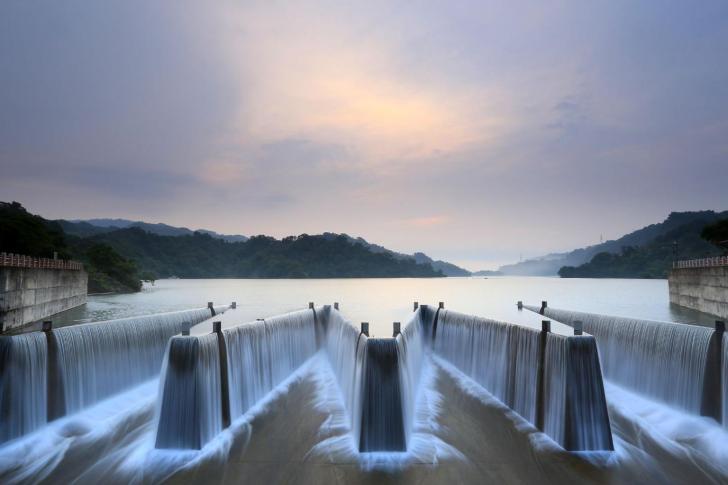
The trend of widespread low river levels translated into lower inflows into reservoirs across the world, particularly across India, Northern, South and Central America and parts of Australia. For example, low water levels in Lake Coari in the Amazon led to extreme peaks in water temperatures, with negative effects for its biodiversity.
However, the report highlights that water management approaches heavily influence reservoir inflows, as areas of the Amazon and Parana kept water levels topped up despite low river flows.
Glaciers across the world lost more than 600 gigatonnes of water in 2023, largely due to extreme melting across western North America and the European Alps. Snow cover across the Northern Hemisphere has been decreasing in spring and summer, reflecting a cold season shortened by climate change.
“And yet, far too little is known about the true state of the world’s freshwater resources,” Saulo adds. “We cannot manage what we do not measure. This report seeks to contribute to improved monitoring, data-sharing, cross-border collaboration and assessments. This is urgently needed.”
The report highlights the significant changes happening to the global water cycle as a result of the climate emergency. As a result it has important implications for freshwater managers across the world seeking to conserve and restore their ecosystems under increasingly erratic and extreme conditions.
Water supplies are also vital for human health and equitable development. However, 3.6 billion people currently experience inadequate access to water for at least one month a year, according to UN Water. This figure is expected to increase to more than 5 billion by 2050.
As Celeste Saulo argues, there is a need for better monitoring and assessment of global freshwaters in order to adapt to rapidly changing conditions. The report cites the United Nations’ Early Warnings for All and Operational Global Water Information System as valuable tools for this task to help inform better freshwater planning and policy making.
Restoring Europe’s landscapes to tackle the effects of the climate emergency
Devastating flooding has killed at least 24 people as more than five times the average monthly rainfall for September has fallen across Austria, the Czech Republic, Hungary, Poland, Romania and Slovakia in the past week. At the same time, the Portuguese government has declared a ‘state of calamity’ as wildfires have torn through forests across the north of the country.
Through these floods and wildfires, we are witnessing the effects of the climate emergency in action. “Make no mistake. This tragedy is not an anomaly. This is fast becoming the norm for our shared future,” the EU’s crisis management commissioner Janez Lenarčič told MEPs last week. “Europe is the fastest warming continent globally and is particularly vulnerable to extreme weather events.”
In the same debate, Terry Reintke, co-president of the Greens/EFA Group in the European Parliament, highlighted the need for an ambitious Green Deal to continue to reduce emissions to fight climate change across the continent. Allied to this, Reintke emphasised the need to invest in nature restoration programmes to mitigate the effects of climate change, and to further build solidarity between member states to work together on delivering restoration.
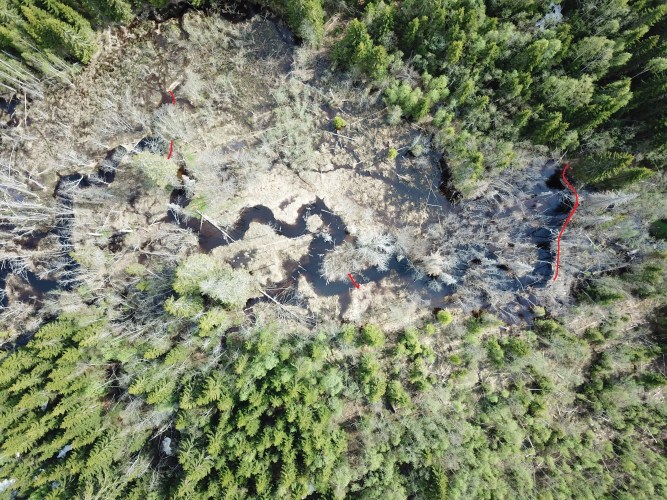
A few weeks before, environmentalists from across Europe met in Estonia to tackle the issues highlighted by Reintke. A key session at the European Conference on Ecological Restoration addressed strategies for restoring Europe’s ecosystems at a landscape scale under the EU Green Deal.
Historically, ecosystem restoration has been largely split into approaches that focus on individual ecosystem types: rivers, forests, wetlands, urban green spaces, and so on. Despite the growing agreement for the need for ambitious restoration across Europe to tackle the climate emergency and biodiversity crisis, this ‘siloing’ of approaches is still dominant.
The discussions brought together representatives from each of the EU Green Deal restoration projects, the Endangered Landscape and Seascape Programme, the UNEP World Conservation Monitoring Centre and other institutions focused on restoration.
Together, they asked the question: what knowledge is needed to effectively restore entire landscapes across Europe? Given the recent adoption of the Nature Restoration Law, and the growing awareness of the need for nature-based solutions to tackle the climate crisis, these discussions are timely and vital.
MERLIN project co-ordinator Sebastian Birk took part in the discussions, and helped to convey four key themes for fostering landscape-scale restoration in Europe. “The session highlighted the complexities and challenges of working at a landscape scale,” Birk reflects, “but it also presented several opportunities.”

Bringing people into the conversation
First, Sebastian stresses the importance of stakeholder engagement and co-produced solutions in designing and carrying out restoration programmes. This means understanding local people, conflicts and cultures in restoration landscapes, and finding effective communication strategies to foster engagement and participatory governance.
In short, it’s important to remember that people are an inherent part of nature restoration, and their voices and perspectives need to be heard in its implementation. Across wide areas, it is likely that these perspectives will be diverse, and so creating spaces for conversation and conflict resolution are critical.
The complexities of restoring entire landscapes
Second, Sebastian emphasises the complexities of implementing and monitoring restoration projects across entire landscapes. Here, restoration planning must content with complex land tenures and boundaries, different government ministries, and data gaps in the condition of habitats. Moreover, there is the need to consider restoration as a long-term process, which can need adaptive planning and management over time.
So a key challenge is to bring diverse stakeholders together across wide areas to cooperate on long-term plans for restoration. The session highlighted the potential for better cooperation between bottom-up (e.g. community groups) and top-down (e.g. EU legislation) stakeholders, and the opportunities offered by creative engagement techniques to bring these groups on board.
In addition, the session highlighted the value of adaptive pilot projects which show the value of restoration to different communities, and allow environmental managers to make adjustments based on monitoring results.

Finding new funds to finance restoration
Third, Sebastian identifies the key theme of financing restoration. For ambitious restoration projects to be successful, there is a need for significant funding to support them. Here, the discussions highlighted the need for more public-private partnerships in raising long-term, stable funding. The need for better communication of the value of restoration – for example through demonstration sites and multimedia content – is identified as vital in fostering these partnerships.
Participants at the meeting discussed the value of aggregator organisations which can help pool smaller-scale funding into larger, more impactful and consistent funds for restoration. Similarly, they identified the need for ‘matchmaker’ services which can help bring together restoration organisations with fundraising and investor engagement.
Promoting nature-positive economies in restoration landscapes
Finally, Sebastian highlights the relationship between landscape restoration and local economies. Here, discussions focused on the need to help foster nature-positive economic opportunities – such as eco-tourism or sustainable farming – in restoration landscapes. There is the potential to help promote markets for such restoration economies, for example by helping producers scale their production and gain access to markets across the continent.
“By integrating local communities and mainstreaming nature-positive businesses,” Birk concludes, “these strategies can help overcome barriers and foster long-term success in landscape restoration efforts.”
///
This article is supported by the MERLIN project.
Online marketplaces create new routes for the spread of invasive crayfish species

Growing global networks of online trade are creating new pathways for invasive crayfish species to spread across Europe, a new study has found. Freshwater crayfish are popular pets amongst aquarium hobbyists, but their release into rivers and lakes can cause significant damage to the health and functioning of ecosystems.
Writing in Conservation Biology, Julian D. Olden and Francisco A.C. Carvalho highlight how national biosecurity measures which tackle such invasive alien species widely struggle to keep pace with the growth of online platforms for buying and selling exotic species. This ‘clicks-not-bricks’ transition away from physical retail outlets has created opportunities for new long-distance trade routes for live organisms, and in so doing increased the potential for the spread of invasive species.
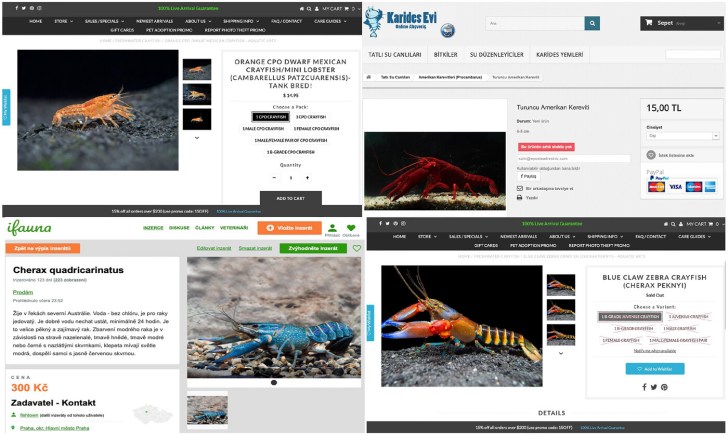
The authors’ study provides the first global assessment of the online trade in ornamental crayfish. “By systematically examining e-commerce marketplaces in multiple languages, we show that the online global crayfish pet trade involves hundreds of online marketplaces and thousands of sale listings in thirty-three countries across five continents, involving sixty different species and representing a selling value of around US$1.5 million,” explains Professor Olden. “We found that close to half of the listings were selling species considered globally invasive, and we subsequently map the geography of invasion risk across the world.”

One species highlighted by the study is the marbled crayfish. This remarkable creature – Procambarus virginalis – did not exist three decades ago. The original marbled crayfish was born in a German pet shop to a male and female slough crayfish, but had an additional set of chromosomes. This mutation gave the marbled crayfish the extraordinary ability to reproduce without a mate, leading to a population which now consists entirely of females. The species is highly prized by aquarium owners, not least for its diversity of colouration: individuals raised alone in captivity are blue, whilst those raised with others tend to be more grey.
Now found in waterways across Germany, the rapidly-reproducing marbled crayfish can outcompete native crayfish species for habitat, and help spread a fungal disease often called the “crayfish plague”. Despite the European Union instituting a total ban of the possession and trade of the marbled crayfish in the wild, the authors found the species widely available online to be shipped to Europe. They highlight research which suggests that the spread of the marbled crayfish across Europe is entirely driven by demand from the aquarium trade, increasingly facilitated by online trade.
Olden and Carvalho’s study – part of a wider special issue on the global wildlife trade – prompts significant questions for the conservation and restoration of Europe’s freshwaters. In particular, it highlights the need for joined-up policy decisions to monitor and regulate the online trade of invasive species across borders. The authors demonstrate that whilst the EU has a strategic coordinated joint plan across all Member States to reduce the availability of high-risk invasive species, two of the prohibited species (red swamp crayfish and marbled crayfish) are widely available in European-based online marketplaces.
“Importantly the internet is not purely the cause of the problem; rather it also offers solutions that help prevent trade-related invasions of crayfish,” states Professor Olden. “Internet public forums and discussion groups provide opportunities for regulators to track consumer preferences, including through surveying popular social media platforms. The internet may also lend insight into how often and where illegal dumping of aquarium animals occurs, such as through the monitoring of online video postings.”
“Early warning systems can leverage the massive amounts of data on the Internet to support real-time surveillance of online marketplaces to detect new non-native species in trade, Olden continues. “Internal retailers represent the major, and perhaps the only, point of contact between the supply chain and the hobbyist. Online marketplaces are uniquely positioned to influence and educate ornamental owners about what to do with unwanted aquarium organisms, although forging these new relationships to increase awareness of the risks associated with invasive species remains uncommon.”
“Our work illustrates how continued growth in international trade and the burgeoning transition from brick-and-mortar stores to online marketplaces to purchase pets may necessitate a paradigm shift in the way in which nations seek to safeguard their borders against alien invasive species, both today and in the future,” Olden concludes.
///
This article is supported by the MERLIN project.

Freshwater restoration is growing in popularity across Europe, increasingly backed by better scientific knowledge, practical experience and political support. However, as work in the EU MERLIN project shows, there is still a need to demonstrate how successful restoration can be mainstreamed across the continent.
A new survey aims to help advance freshwater restoration in Europe by identifying the factors that make restoration projects successful. The EcoAdvance project – funded by the EU Horizon scheme – has designed the survey to gather the perspectives of freshwater scientists, academics, managers, community organisers and policy makers across Europe.
The results of the survey will contribute to a tool which supports freshwater restoration projects by showcasing best-practice examples and case studies, at both continental and national scales. This work is extremely timely given the adoption of the EU Nature Restoration Law – and its commitment to restoring 25,000km of free flowing rivers across Europe – earlier this year.
“Success inspires success, and when you hear these people, when you see the varieties of paths they followed to be successful, when you read their insights into how to deal with barriers, it is nothing short of inspiring,” says EcoAdvance partner Phyllis Posy. “You understand that Europe really has the people and resilience to achieve the Green Deal.”
“The survey will help us understand country differences – the diversity of stressors and climates – and what factors make restoration projects prone to success,” adds EcoAdvance coordinator Mark Morris. “This includes the tools people use to adapt to specific technical and social challenges that could derail a project.”
For EcoAdvance partners Helmut Habersack – voted the Austrian of the Year in Research 2023 for his work on river restoration – the work is important to help bring people together, recalling years when “engineers and ecologists were colliding, and no one could go forward.” Habersack explains: “there is only one river – and we have no choice but to come to the table and work together.”
The EcoAdvance survey is open until 10th September and can be completed here.
///
This article is supported by the MERLIN project.








 The Freshwater Blog