Toxic chemicals released in past decades could be impeding the ecological restoration and recovery of Britain’s urban rivers, according to a new study. ‘Legacy pollutants’ such as PCBs (Polychlorinated Biphenyls) and flame-retardant chemicals (PBDEs) from historical industrial discharge persist in river catchments, potentially disrupting aquatic food webs.
Fred Windsor, lead author of the new study, explained: “Despite major success in controlling sewage pollution in South Wales’ rivers over the last three decades, something appears to be holding back biological recovery.” Windsor, a doctoral student at Cardiff University, continued: “Our investigations show that persistent contaminants might be responsible as they still occur widely in invertebrates, particularly in urban river environments.”
Windsor and colleagues sampled eighteen sites across the Taff, Usk and Wye catchments in South Wales. They found that sites in urban locations had damaged food chains and fewer invertebrate species compared to more rural rivers.
Water quality and ecological health has been dramatically improved on these rivers since the 1970s, when over 70% of South Wales rivers were classified as ‘grossly polluted’ due to a combination of poor sewage treatment, colliery waste and industrial discharge.
However, writing in the journal Water Research, Windsor and colleagues suggest that the toxic pollutants from this era still persist in urban rivers, hampering efforts to continue their ecological recovery.
Co-author Professor Charles Tyler, from the University of Exeter’s School of Biosciences, explained: “These apparent effects of what we call ‘legacy’ pollutants – PCBs, flame retardants, organochlorine pesticides and other complex organic chemicals that have now been largely discontinued from production and use – are yet another reminder that we continue to live with problems caused by toxic chemicals from past decades. These chemicals still occur widely in rivers, lakes and seas in Britain and beyond, and still affect a wide range of animals.”
The research team found that river food webs at the most highly contaminated urban sites had a lower diversity of species and ecological functions, compared to less contaminated sites. Food webs at contaminated sites had a simplified structure, and a reduced abundance in prey important for apex predators such as the dipper.
Co-author Professor Steve Ormerod of Cardiff University’s School of Biosciences and Water Research Institute summarised: “Urban river ecosystems in Britain have been on an improving trajectory since at least 1990, but there is still a way to go before we can say that they’ve wholly recovered from well over a century of industrial and urban degradation.
“The ecological pressures on our rivers are multiple, ranging from combined sewer overflows to engineering modifications, and this research adds a new dimension to understanding why they’re not yet at their best,” Ormerod said.
“The slow degradation of some pollutants means that we may have to wait a long time before these chemicals disappear. Perhaps one of the lessons is that we should avoid ecosystem damage in the first place rather than try to solve problems after they occur.”
+++
Windsor, F. et al (2019) Persistent contaminants as potential constraints on the recovery of urban river food webs from gross pollution, Water Research, Volume 163, 15 October 2019, 114858 (open-access)
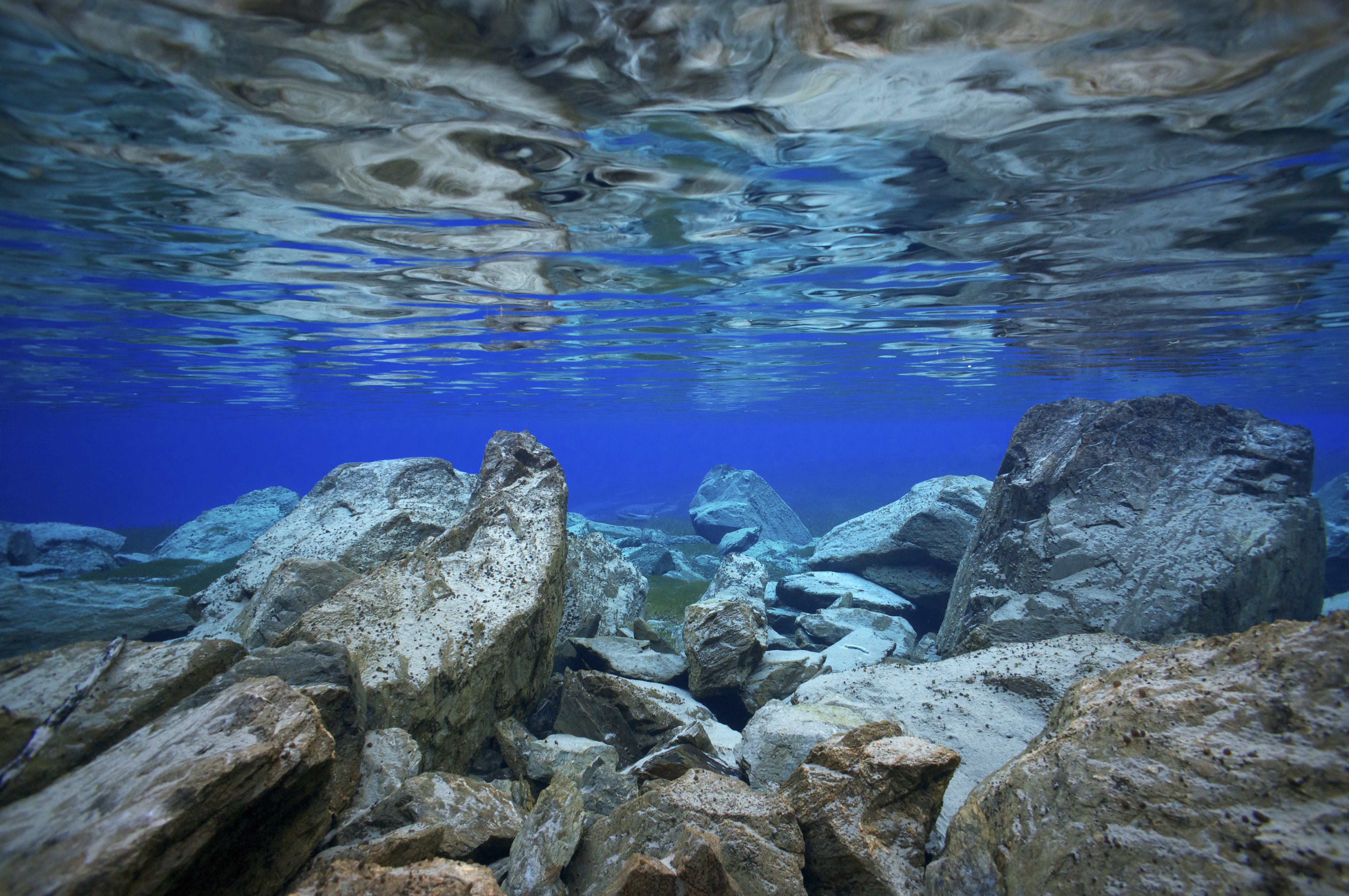
Freshwater ecosystems are often key parts of our everyday landscapes: whether ponds, lakes, rivers, wetlands and canals that we might cross and pass by regularly. However, glimpsing the life that goes on below the surface of freshwaters can often be challenging, even to the most regular visitors.
Some creative artists have used film to shed a light on underwater lives, whilst others have used sound to ‘eavesdrop’ on their aural worlds. Since 2010, Swiss artist Michel Roggo has been using photography to explore and document global freshwater habitats through his Freshwater Project. Roggo’s work has taken him to more than 40 freshwater ecosystems across the world, each containing unique and unusual biodiversity and geology.
Speaking to The Freshwater Blog about the project in 2014, Roggo said: “We know what coral reefs look like, but what about the creeks, streams, lakes and ponds on our doorstep? I’m always looking for new and interesting scenes with the most dramatic light. A marsh pond, beneath the ice in a mountain stream, among algae – these habitats are hardly ever seen but they are incredibly beautiful.”
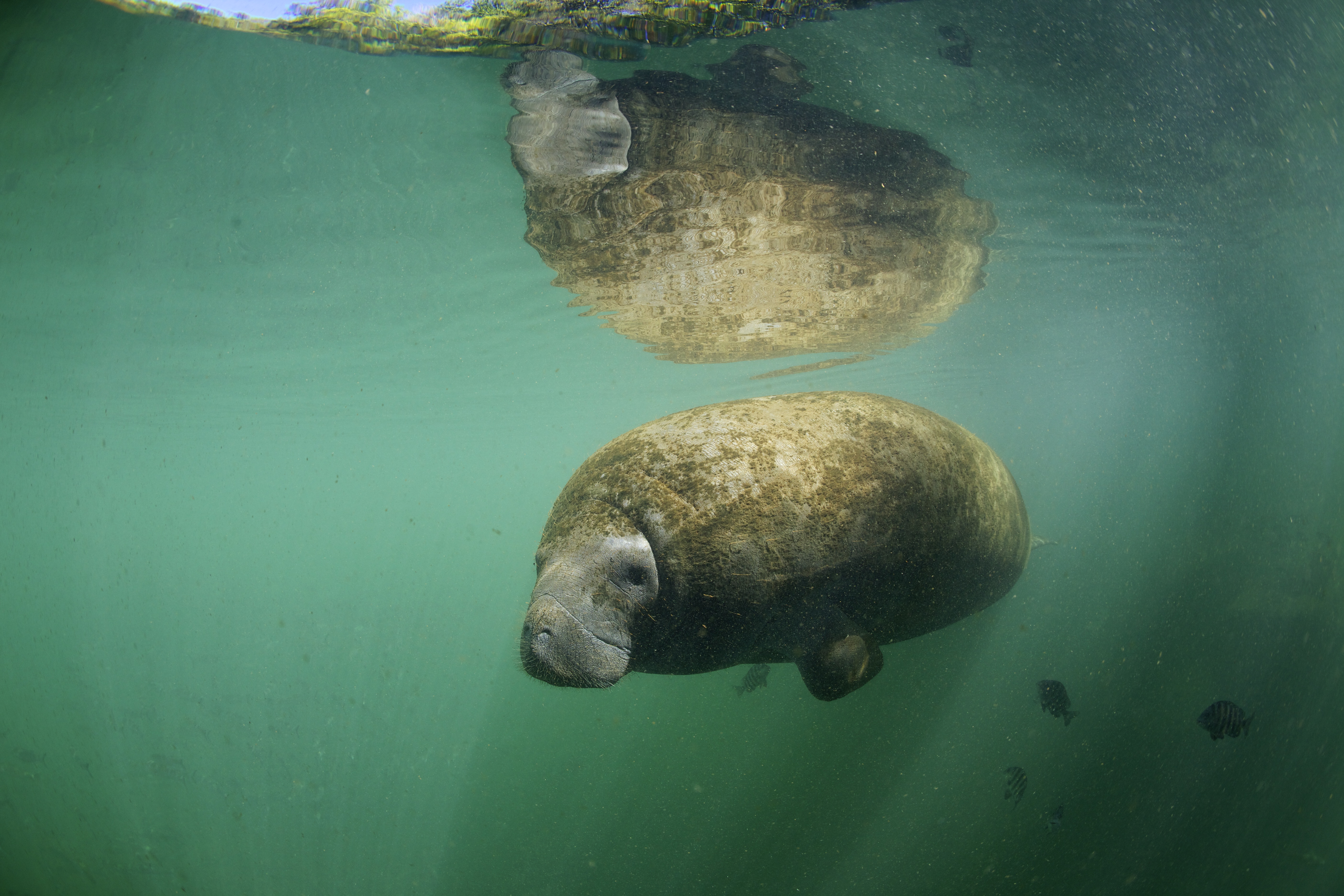
For Roggo, shooting photographs in freshwater habitats offers two key opportunities. First, as sub-surface freshwater life is remarkably overlooked by most creative practitioners, Roggo’s explorations in The Freshwater Project offer new perspectives on spectacular and unusual underwater landscapes. For Roggo this is the process of “searching for this magic moment under the surface, with the perfect light and composition.” Roggo’s photographs are largely taken with remote-controlled submerged cameras, and he rarely dons diving gear in his explorations.
The project is also intended to have positive conservation impacts. Roggo has partnered with the IUCN Freshwater Programme to provide images which celebrate the unseen beauty and diversity of global freshwater systems, and highlight the pressures they face.
“As one of the few professional photographers specialising in underwater images of freshwater landscapes and species we strongly support Michel’s work,” said Dr. Will Darwall, Head of the IUCN Freshwater Biodiversity Unit. “We see the need for raising public awareness of the beauty of underwater freshwater habitats and species through images such as these as a most important contribution to IUCN’s own work towards valuing and conserving nature.”

A new exhibition at the Zoological Museum at the University of Zurich in Roggo’s home country of Switzerland brings together over 900 of his photographs, documenting what the curators call ‘a beautiful underwater world awash with light’. The photographs in ‘AQUA’ – created in collaboration with local guides, including members of indigenous peoples, biologists, dive guides, skippers and pilots – document global locations including Lake Baikal, the Sense river, and the Iguazú Falls.
The Zurich exhibition is organised into five themes, where freshwaters are variously: dynamic habitats; challenging ecosystems which foster unique biodiversity; water sources in glaciers and ice caps; water sources in groundwaters; and geological agents of erosion and transport. The result is a diverse and beautiful collection of animals, plants, ice, rock and water sources across the world.
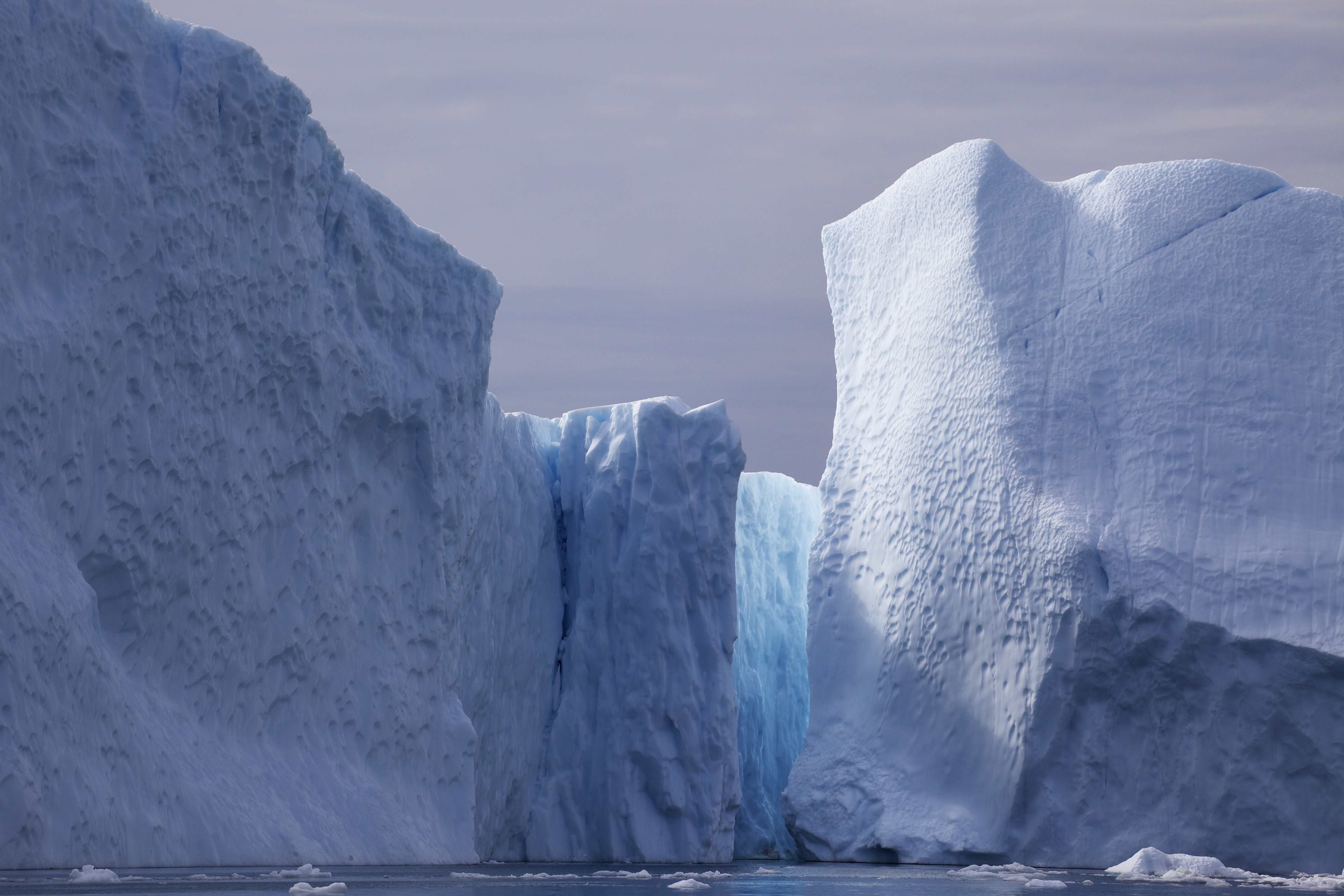
Roggo’s exploration of the glaciers and polar ice caps – where around two-thirds of the world’s freshwater is stored – led him to the ends of the earth, from the Ross Ice Shelf in Antarctica to the glaciers of Greenland.
“Michel Roggo has put together an impressive record of the most important freshwater habitats on Earth,” said Isabel Klusman, Head of the Zoological Museum. “This is a key step in raising awareness for these fragile and often endangered domains.” The AQUA exhibition opens on 23rd July, and is accompanied by a new book featuring a selection of 360 photographs from the Freshwater Project.
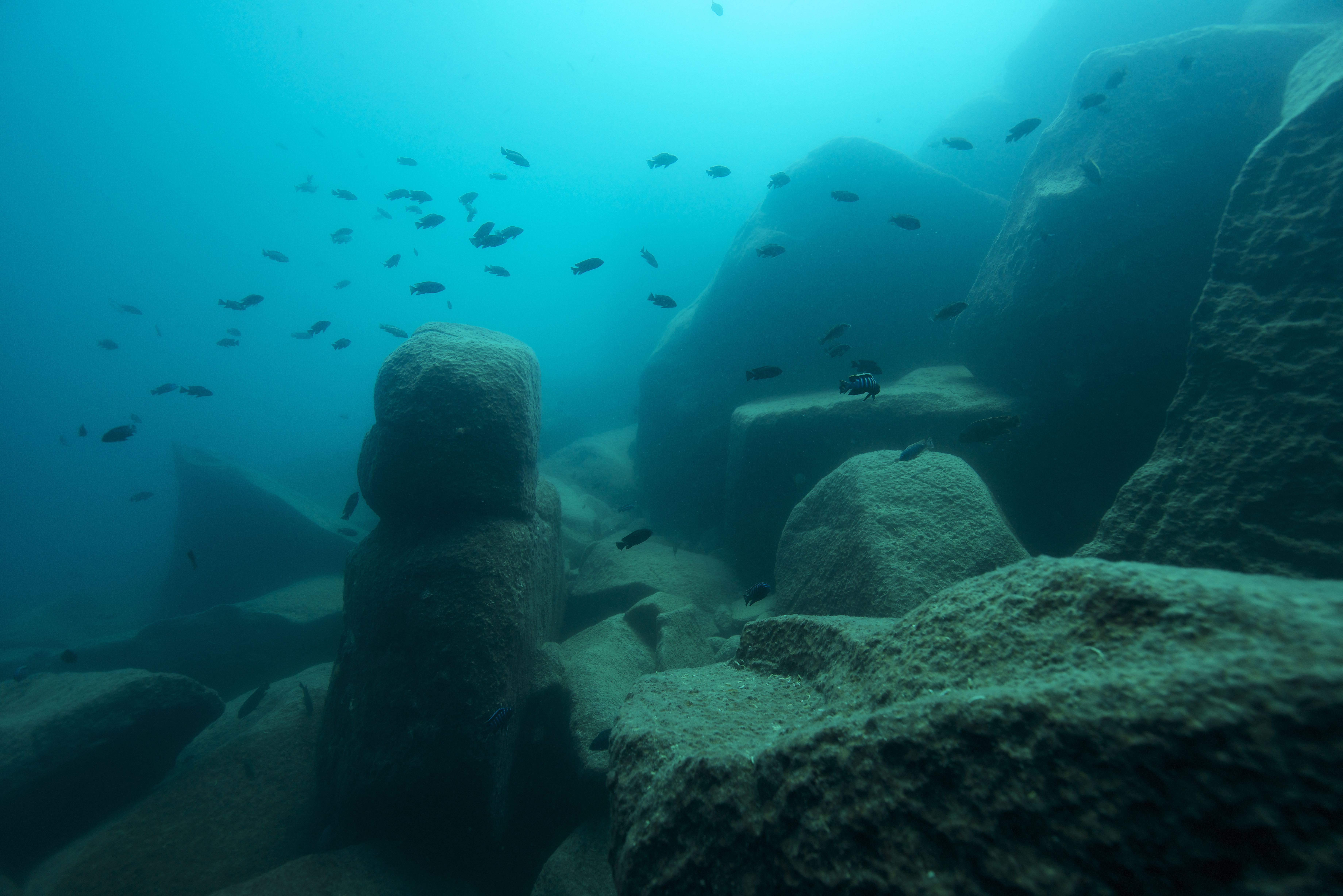
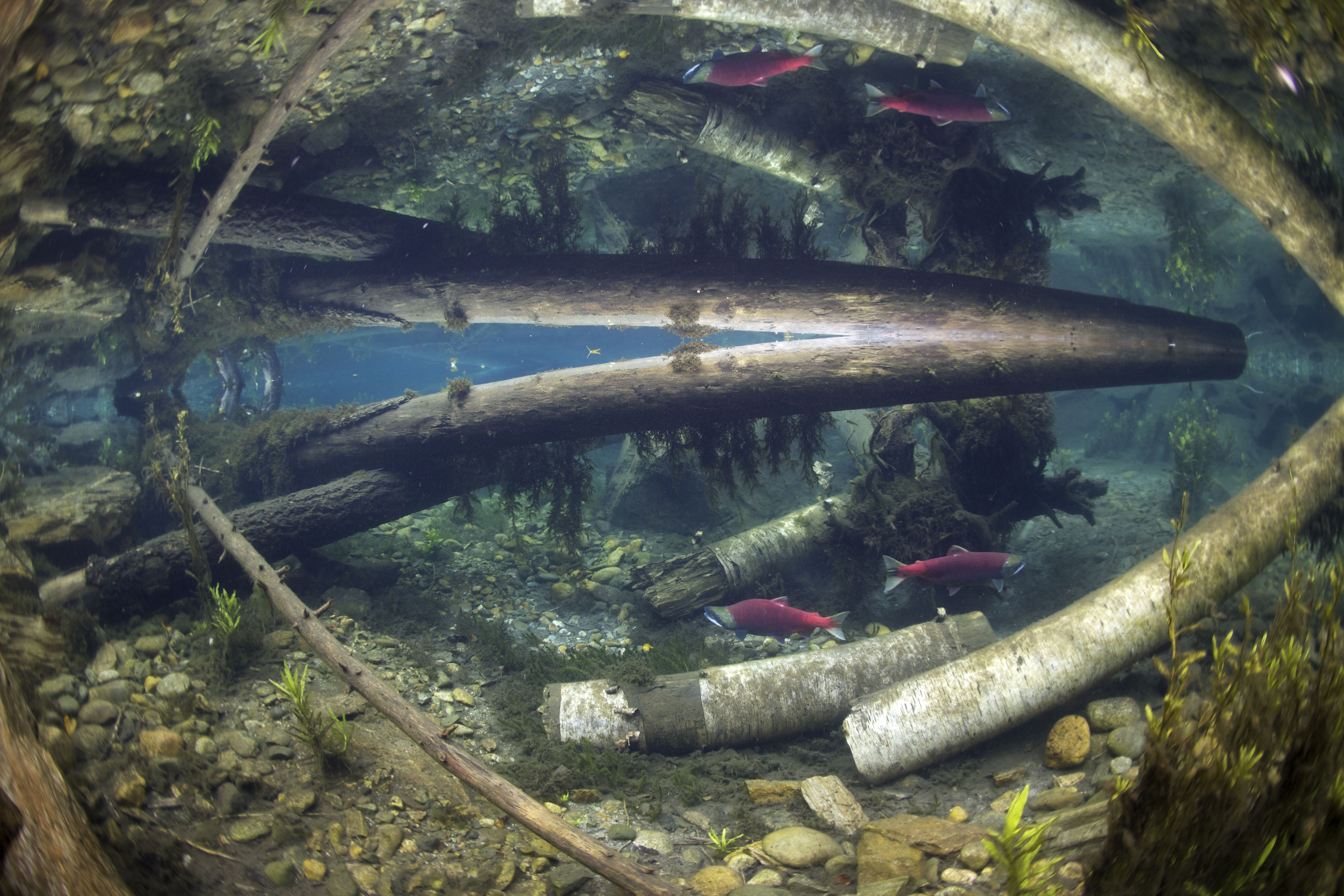
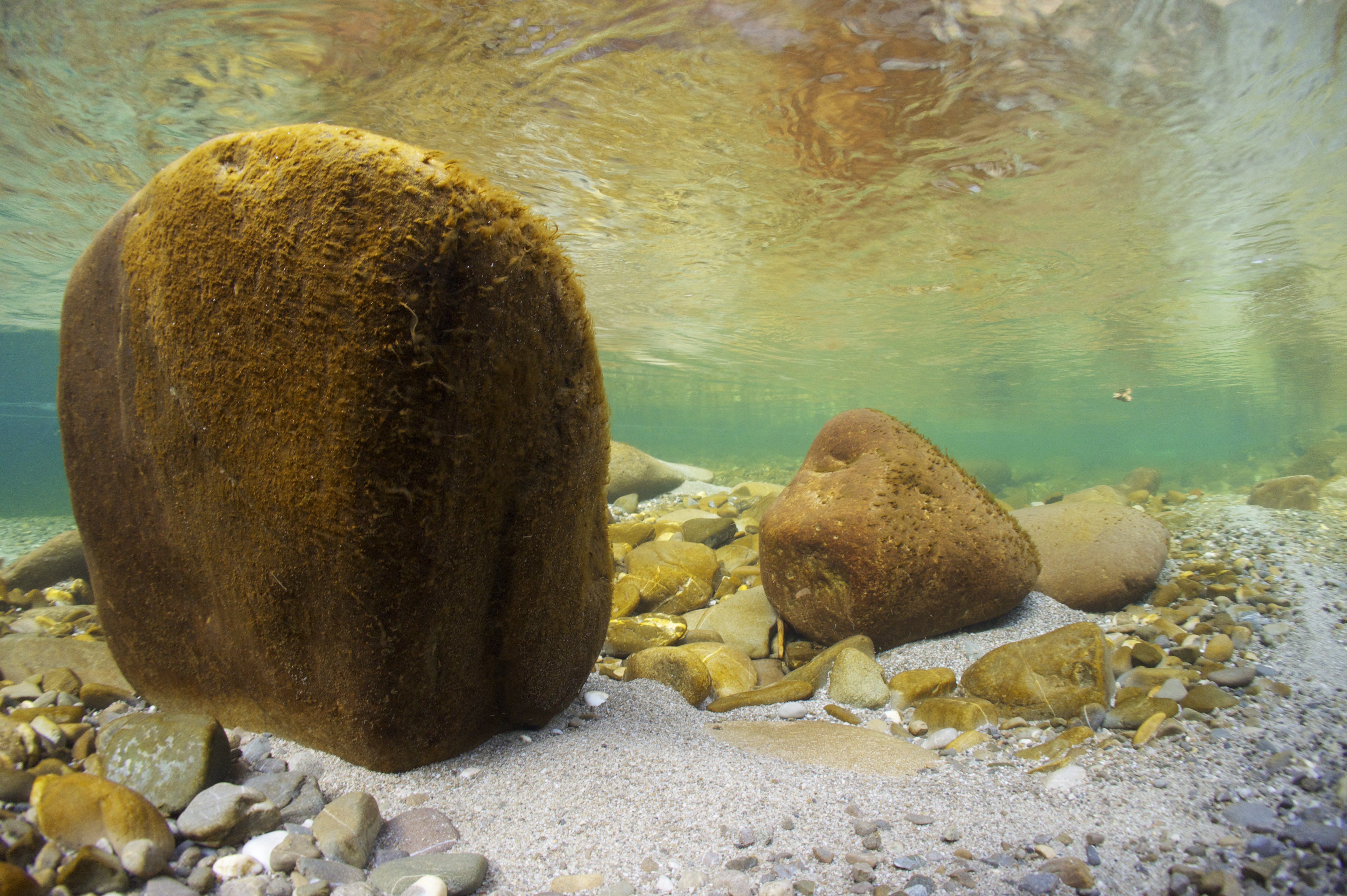
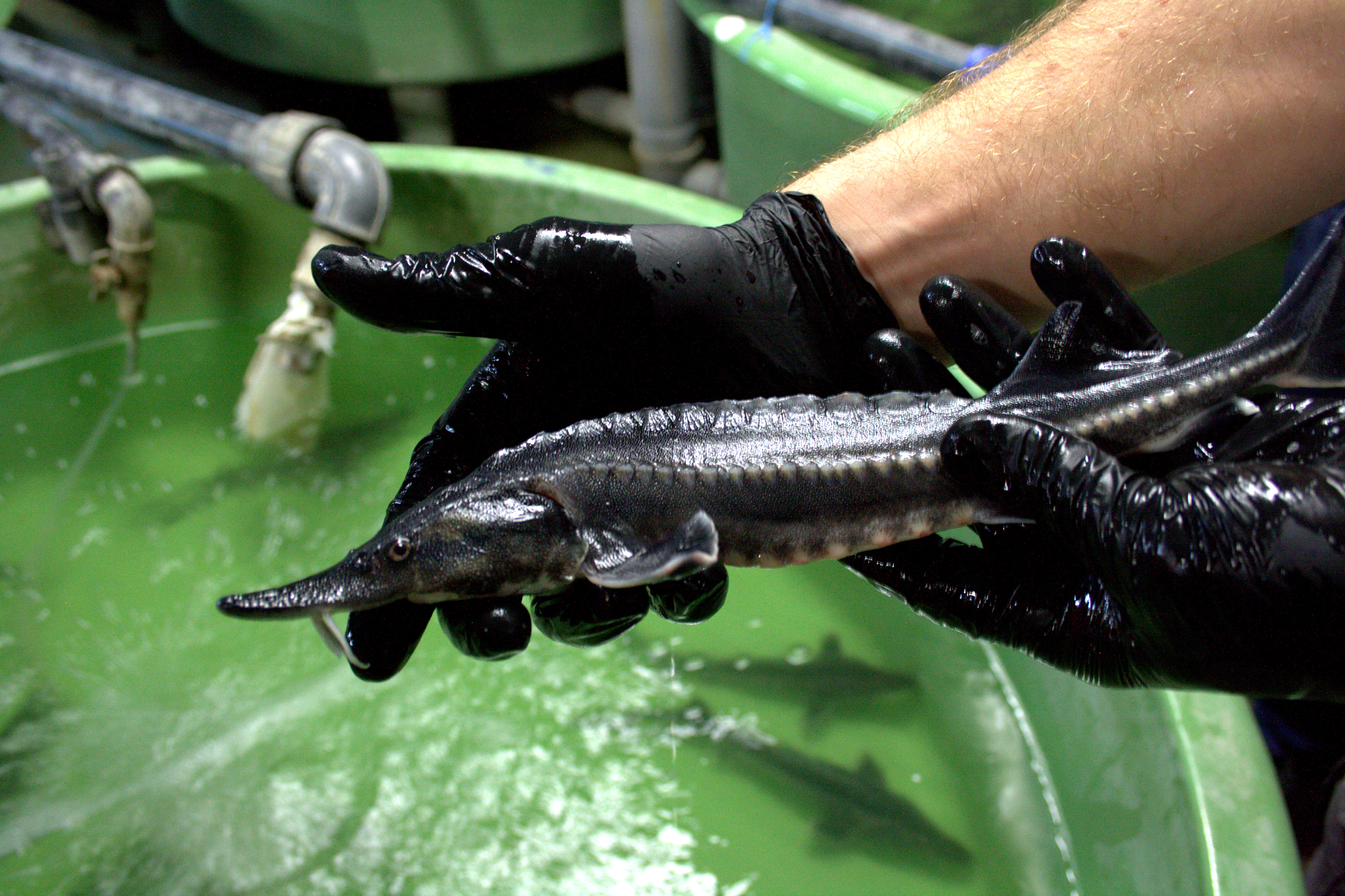
The Danube River is one of Europe’s most diverse and important freshwater systems. Sturgeons are flagship animals in the Danube catchment: iconic migratory species, which have existed since the time of dinosaurs, and are symbolic of the Danube’s historical heritage and ecological wealth.
However, the ability of sturgeon populations to migrate through the Danube catchment to spawn and feed has been restricted by human activities such as habitat destruction, dam construction and overfishing. According to the IUCN, 85% of global sturgeon species are threatened with extinction, making them the most endangered species group in the world.
MEASURES is a major new project which aims to manage and restore ecological corridors in the Danube River basin in an effort to boost populations of the six sturgeon species. Funded by the EU as part of the Danube Transnational Programme, MEASURES aims to improve habitat quality and connectivity along the Danube, not only to benefit sturgeon species, but also other migratory fish and the wider aquatic biodiversity in the basin, too.
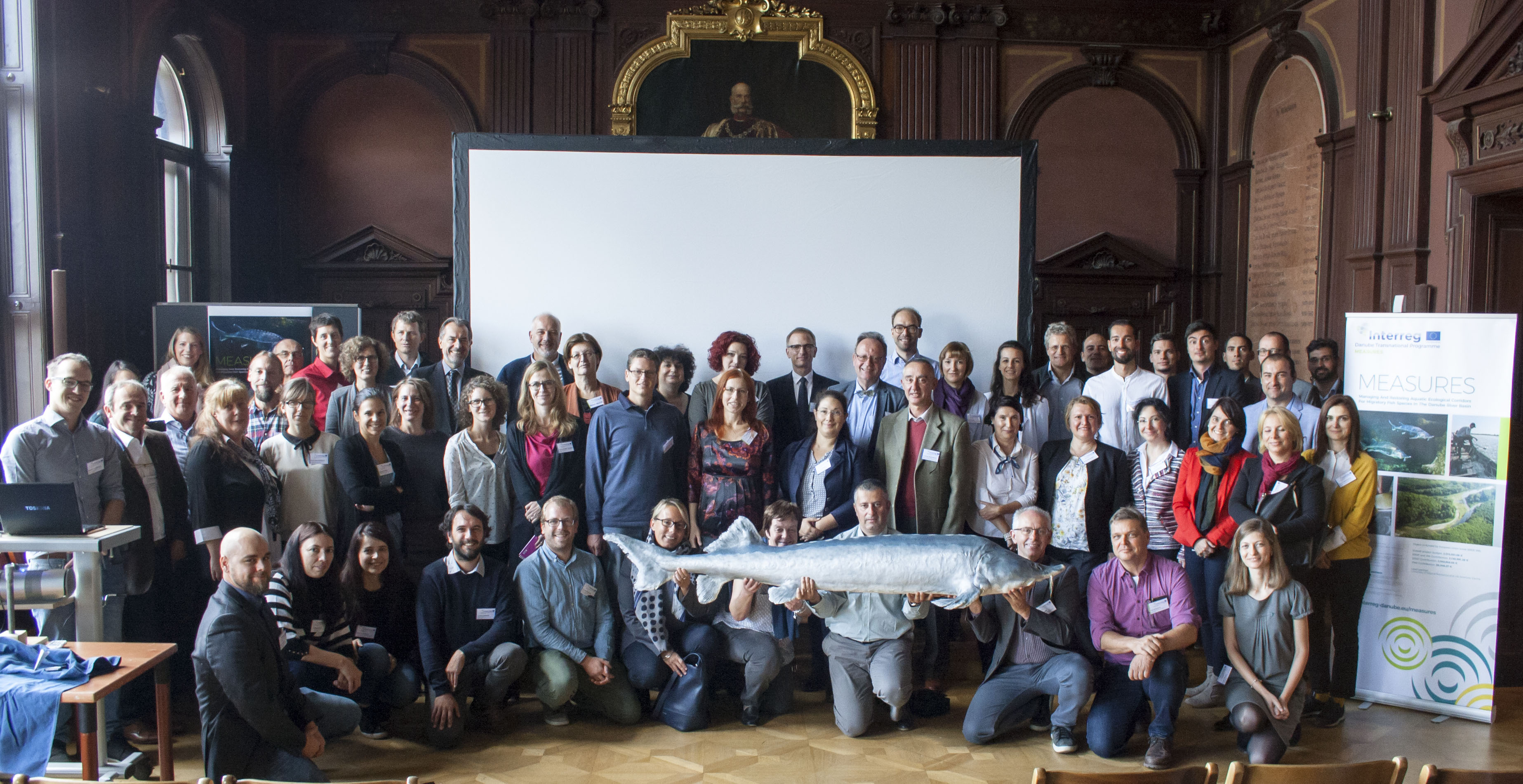
Cross-border collaboration for sturgeon conservation in Europe
The start of the MEASURES project follows the signing of the Pan-European Sturgeon Action Plan in November last year. The Action Plan covers eight European sturgeon species, seven of which are listed as critically endangered on the IUCN Red List of Threatened Species. It provides the first ever fish-specific action plan implemented as an EU Directive.
MEASURES is a collaboration between twelve partners across the Danube region, led by the University of Natural Resources and Life Sciences (BOKU) in Vienna, Austria. The participation of a wide range of stakeholders in the project – national authorities, international organisations, academic and research institutions, and NGOs – offers MEASURES significant potential in developing conservation and restoration strategies throughout the Danube basin.
Co-operation across national borders is crucial in providing effective conservation schemes for migratory fish such as the sturgeon. Sturgeons have long lifespans (some species can live for 150 years), and most species migrate vast distances across diverse habitats at different stages of their lives. This potentially makes them ‘umbrella’ species for the conservation of other species, who may also benefit from habitat restoration and re-connection designed for sturgeon populations.

MEASURES for sturgeon conservation: three strategies
There are three key aspects to the MEASURES project. Over the next three years, project researchers will identify and map migratory fish habitats along the Danube basin. This will allow for a harmonised and improved strategy to re-connect migratory fish habitats.
Such ‘ecological corridors’ will be re-established and brought into policy and management plans in the Danube basin. Finally, a strategy to secure the dramatically declined Danube sturgeon species will be developed, including the design of appropriate broodstock facilities and conservation stocking approaches basin-wide.
Research, mapping, dialogue and outreach
An accessible online information system containing maps of species habitats and distributions, alongside articles, reports and multimedia will be created within the project, led by the Institute of Biology, at the Romanian Academy, Bucharest. A series of workshops designed to improve national and transnational dialogue and co-operation among researchers and different stakeholders across the Danube basin will be facilitated over the project life-span.
Migratory fish habitats will be mapped along the Danube basin (activity led by the Danube Delta National Institute for Research and Development), using historical data and contemporary maps, which will be ‘field tested’ through on-site ecological measurements and fishing activities. This work will produce a migratory fish ‘Habitat Mapping Manual’ which provides information on the identification, habitat, distribution, historical trends and contemporary threats to migratory species.
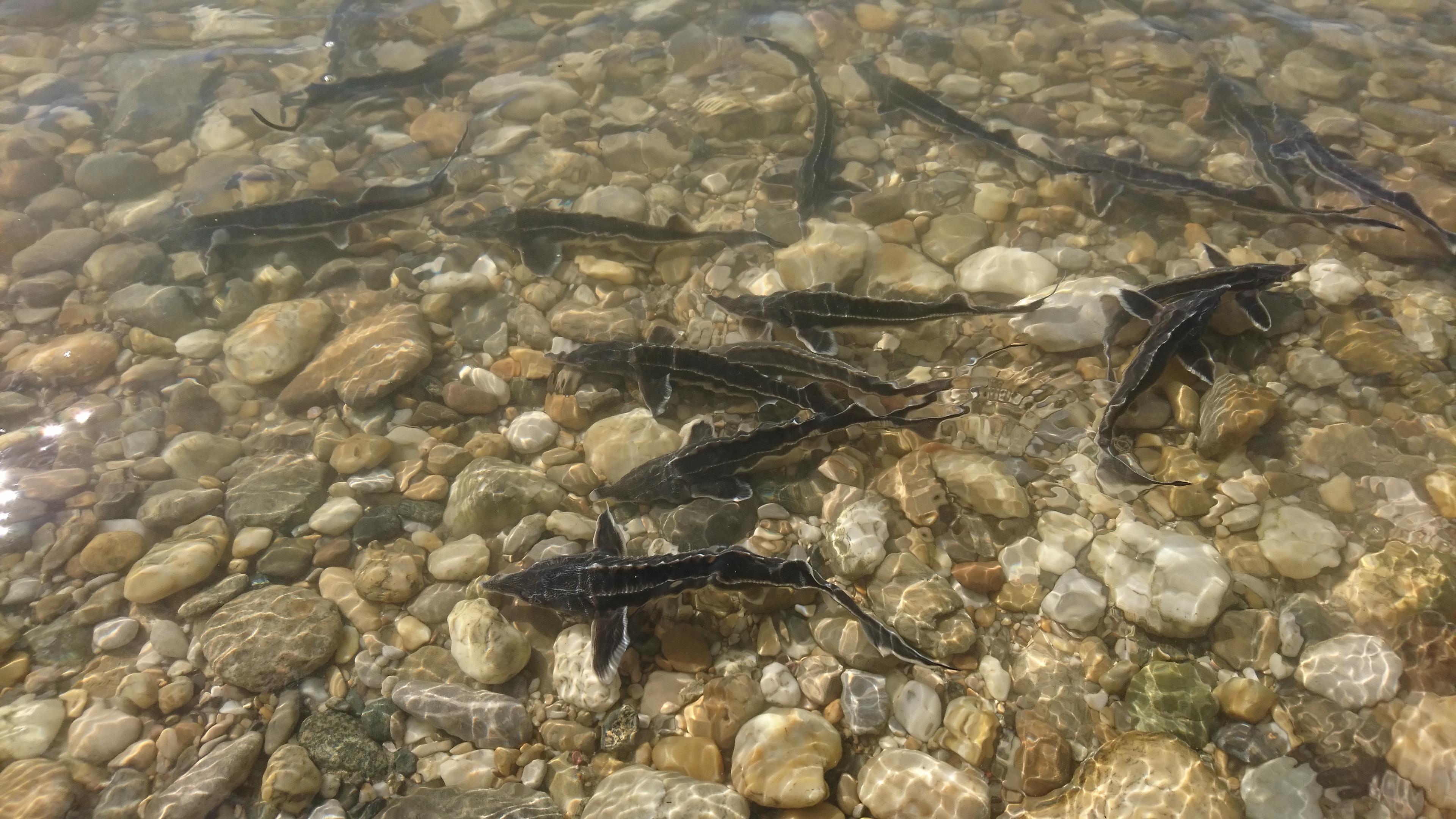
Genetic conservation and re-stocking
Genetic conservation is a key issue in MEASURES, and breeding and restocking programmes will be led by the National Agricultural Research and Innovation Centre, Research Institute for Fisheries in Hungary, who will produce a ‘Genetic Conservation Manual’ detailing the process. Restockings of two key species have already taken place in April 2019, with 3000 juvenile sterlets released in Hungary, and 1000 Russian sturgeons released in Romania.
A second round of re-stockings are planned for the autumn as part of a public event. Cutting-edge methods for detecting the presence of rare Danube sturgeon using eDNA testing in river water will be deployed together with the Joint Danube Survey organized by the ICPDR.
“Conservational restocking is one of many necessary actions to save endangered fish. In conjunction with the provision and restoration of habitat it is essential to increase the number of animals of species and populations on the very brink of extinction”, says Thomas Friedrich, an aquatic scientist from BOKU.
A new Strategy for the Danube Ecological Corridor
The activities will be brought together at the end of the MEASURES project by BOKU in a ‘Strategy for the Danube Ecological Corridor’, which will focus on habitat connectivity as a key policy and management issue. Overall, the project will significantly advance our understanding of the Danube basin, the interdependence of sturgeon species and their freshwater habitats, and the threats they face.
There is significant Europe-wide appetite for co-operation and collaboration in conserving and restoring for sturgeons. We will follow the progress of MEASURES, and related projects, over the coming months and years.
+++

The European eel is one of the most fascinating and mysterious freshwater fish in the world. Its lifecycle takes place across vast oceans: mature eels spawn in the Sargasso Sea in the North Atlantic, and their larvae drift on ocean currents for nearly a year towards European shores. When approaching the coastline, the larvae metamorphosise into a transparent ‘glass eels’ a few centimetres long. These glass eels enter river estuaries, grow into ‘elvers’ and begin migrating upstream.
Eels can take decades to reach maturity in freshwater rivers and lakes, before migrating downstream back out into the open ocean as adults to spawn. This remarkable spawning cycle has yet to be fully documented by scientists.
European eel populations are in severe decline. According to the IUCN, the number of eels entering European catchments has declined by 90% since the 1970s. This is partly due to obstructions such as dams, weirs and hydropower plants blocking the eels’ migration routes, and the loss of spawning habitats such as wetlands across Europe.
Other factors in eel declines include changes to oceanic currents, disease and parasites and pollution (particularly of PCBs). As a result, the European eel is now classified as ‘critically endangered’ by the Convention on International Trade in Endangered Species of Wild Fauna and Flora (CITES).
Clearly, there are many pressures on European eel populations at all stages of its lifecycle. However, recent evidence shows the increasing impact of illegal fishing and trafficking as a major factor in European eel declines. Whilst the export of European eels out of the European Union has been suspended since 2010, between 300 to 350 million eels – as much as 100 tonnes of fish – are illegally trafficked from Europe to Asia each year, according to EUROPOL. This figure accounts for around one-quarter of the total number of glass eels reaching the European coastline each year.
“Trafficking of the European eel is the world’s great wildlife crime in both traded individuals and market value. It affects 25% of the total stock of European Eel and is hampering the recovery of this precious species,” said Andrew Kerr, Chairman of the Sustainable Eel Group. “It is therefore vital that we stop all smuggling because it undermines every single effort used to establish adequate protection from other human impacts.”

Eels are a culinary delicacy in China and Japan, but when supplies of Japanese eels declined in the 1990s, Asian eel farming shifted to using European eels. Wildlife traffickers have responded to this demand by setting up illegal trade routes transporting live glass eels caught in estuaries across Europe to Asia.
The tiny eels are often smuggled in suitcases – each containing up to 50,000 fish – and transported by road and air to Asia. Here, they are grown on in fish farms to their full size. Because of the complexity of their lifecycle, European eels cannot be commercially bred in captivity, fostering the demand for glass eels which can be harvested and transported in huge numbers.
Where a glass eel might cost a euro to buy, a fully grown eel can be sold for ten times as much. This profit margin has led to an illegal trade in European eels estimated to be worth €3 billion each year. This trade has been called ‘the world’s greatest, yet least known, wildlife crime’ by the Sustainable Eel Group.
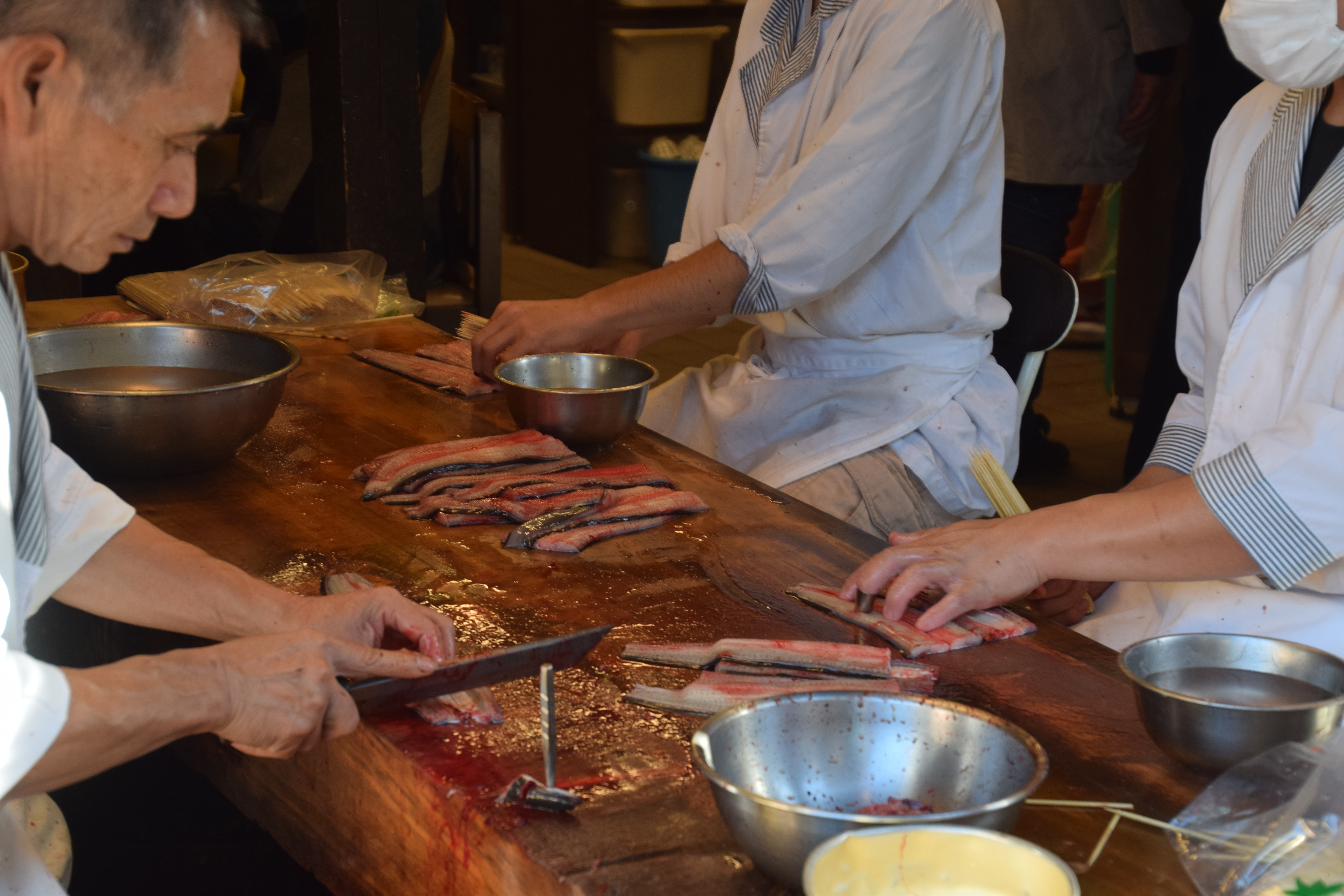
A press conference held last week in London announced that increasing law enforcement efforts to curb illegal eel trafficking have seized 15 million eels and made 153 arrests across the EU since last year. This figure represents a 50% rise in arrests compared to the year before. Convened at the Sustainable Eel Group’s 10 Year Anniversary Event, the press conference featured representatives from EUROPOL, the UK National Wildlife Crime Unit and Spain’s Nature Protection Service (SEPRONA), who are collaborating on the issue across Europe.
“This is our flagship operation in terms of environmental crime. All the arrests mentioned are in Europe with the majority from Spain, France and Portugal. The main actions have been taken from SEPRONA, they have led the way in Europe along with the Portuguese and French authorities,” said Jose Antonio Alfaro Moreno from EUROPOL.
“The people arrested in Europe are poachers, mules and members from other criminal networks. We have focused not just looking at trafficking glass eels as a single issue, but the wider criminal networks,” Moreno continued. “Year after year, more countries are joining our actions. For example, this year we are carrying out more work in Croatia, Czech Republic, Germany, Switzerland and Macedonia. For the next season, we want to follow the line of the inquiry into eel meat production in Asia and DNA traces. With this, we expect more countries to get involved with high ambition for action. The criminal groups learn and develop their methods, so EUROPOL need to stay one step ahead.”
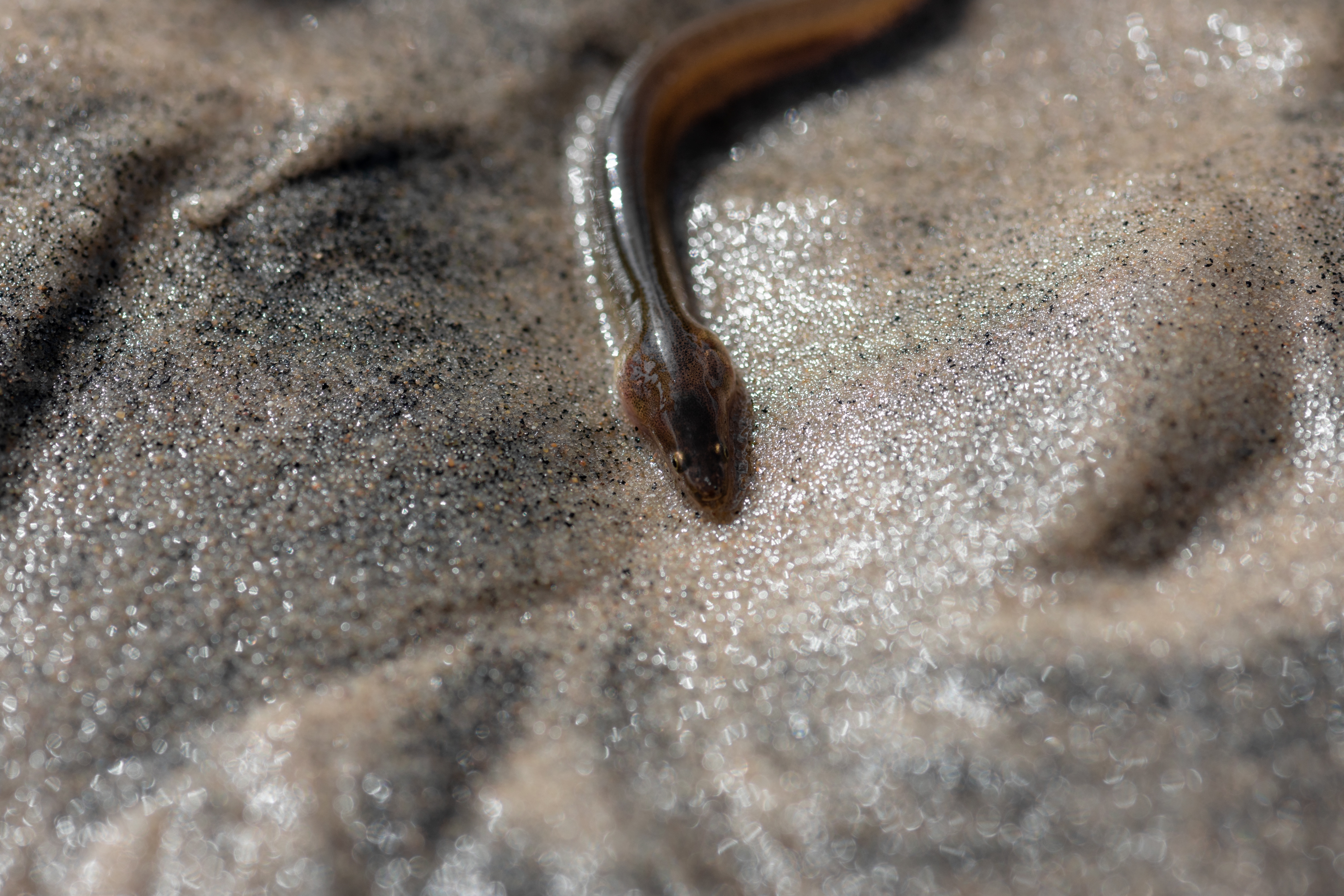
A 2016 study used DNA barcoding to prove that glass eels seized at Hong Kong International Airport were sourced in Europe, providing the first genetic evidence of the illegal eel trade between Europe and Asia. Advances in such technologies have the potential to support enforcement and prosecution, as well as facilitate international co-operation between European and Asian countries on the issue, the study – led by Florian Stein from the Technische Universität Braunschweig, Germany – suggests.
Earlier this year, researchers announced a new DNA testing method to identify illegally trafficked European eels, which has already led to the arrest and prosecution of smugglers in Hong Kong. The test – which is quick and costs around $1 dollar to administer – can identify a species from a meat sample, living specimen or even from environmental DNA in the water used to transport live eels. “This test works for anything with DNA,” said marine scientist Demian Chapman, one of the developers of the testing method. “The endgame for us is that this technology will be at every border checkpoint in the world.”
For now, European eel populations remain critically endangered across the continent, as these fascinating and mysterious fish are impacted by multiple pressures. The hope is that attempts to curb illegal smuggling of glass eels will complement wider conservation efforts to re-connect migration routes and restore habitats for eel populations.
+++
Lakes in the long term

A guest blog by Dr. Stephen Thackeray, a lake ecologist at the Centre for Ecology & Hydrology.
+++
A cold wind bites and stiffens fingers that deftly prepare the probe for its descent. Moments later the instrument slips through the surface and glides from well-lit to ever-darker waters, where it will gather important data on the living conditions experienced by the hidden life of the lake. This is a world unseen. A world of constant change, where warmth, light, nourishment and danger vary hugely in time and space. It is also a place of super-abundant life.
This event is the latest episode in a multi-decade scientific endeavour that has tracked the changing fortunes of some of England’s most iconic lakes in Cumbria; a landscape now endowed with UNESCO World Heritage Status. Data from this ongoing year-round research, initiated by the Freshwater Biological Association in the 1940s and continued by the Centre for Ecology & Hydrology since 1989, tells a story of long-term change in the physical, chemical and biological conditions of the lakes. In Windermere, it is a story of decades of nutrient enrichment caused by sewage inputs and agricultural run-off and, increasingly, a story of climate change.
The lake supports a bewilderingly complex web of life. Microscopic plants and animals, organisms that challenge our perceptions of what distinguishes these groups, along with larger invertebrates and fish coexist there. Competitors, predators, prey, cannibals, parasites. Environmental change affects them all.
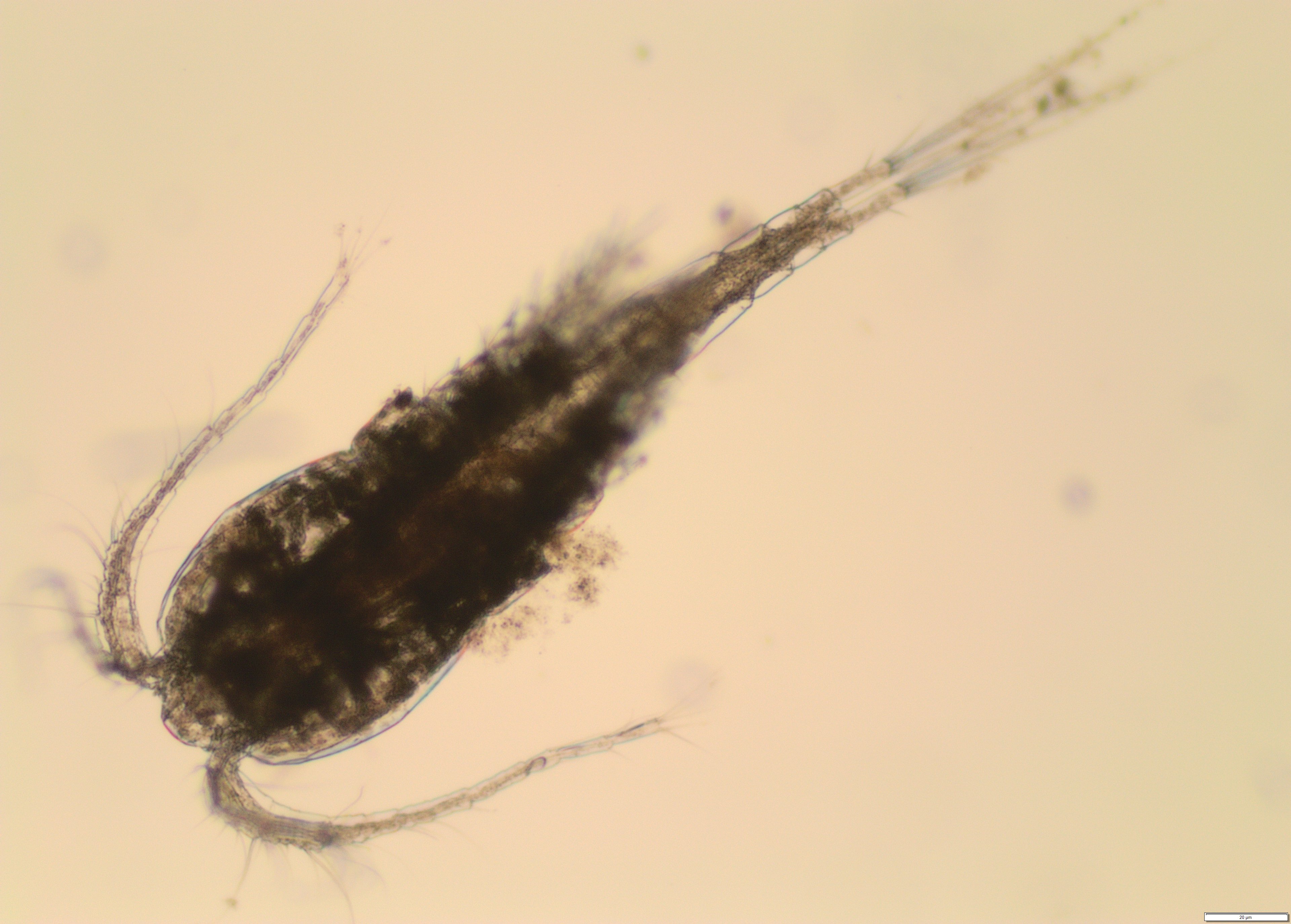
Our long-term records allow us to trace these effects. Our lake monitoring has shown increases in algal growth in response to rising phosphorus concentrations, including increases in the prevalence of blue-green algae. Sediments accumulated in the darkest recesses of the lake interior provide us with an even longer-term view of these changes. Deposited ‘mud’, although opaque and turbid, provides a window into the distant past. Such records have clearly shown how changing wastewater treatment has affected the algae of the lake.
Though the fossil record suggests that blue-green algae have existed for billions of years, excessive growth can affect water taste and odour, raise treatment costs, and result in unsightly scums. Research at this iconic lake prompted sewage treatment improvements in the early 1990s, in order to address these issues.
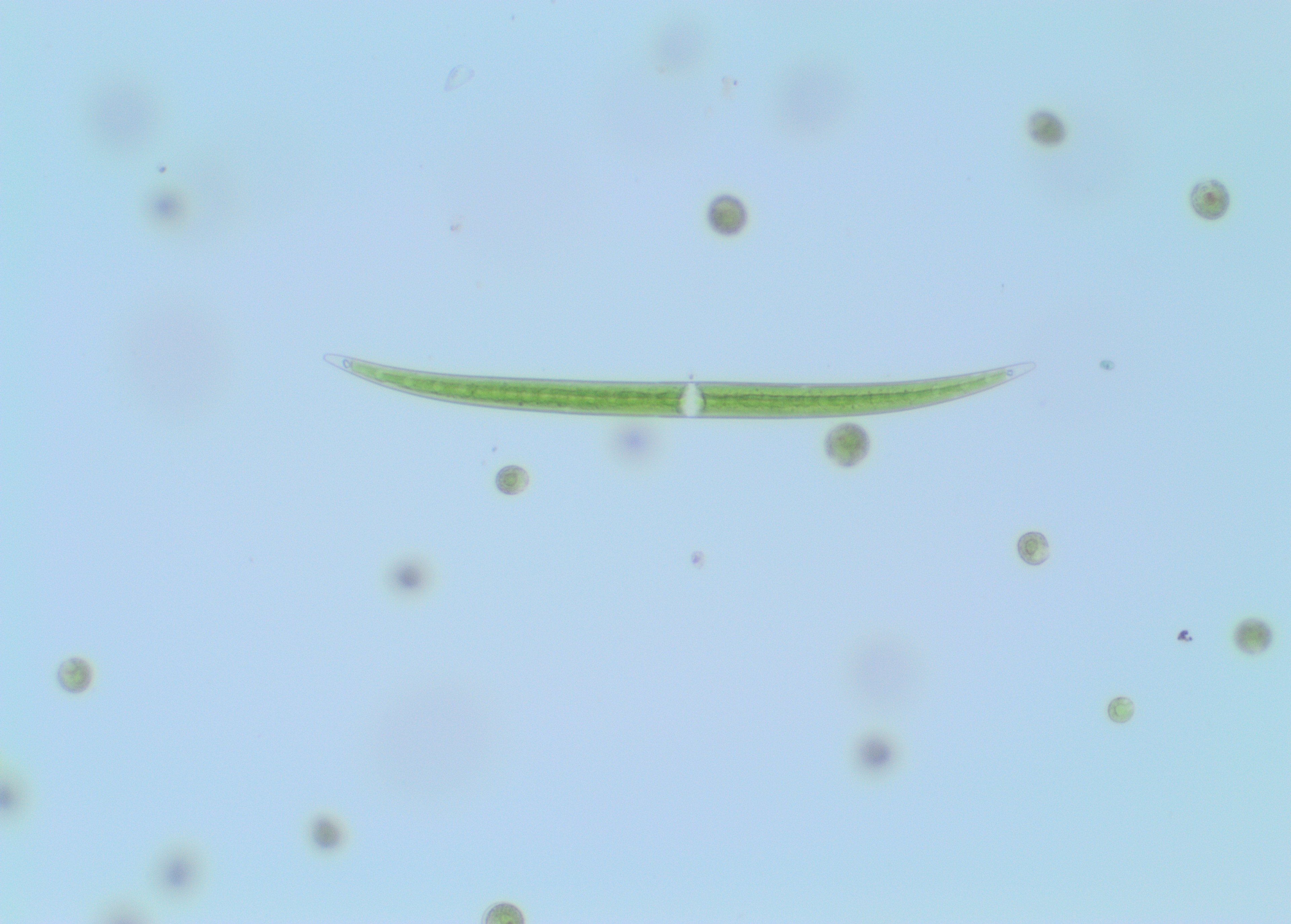
Over the same time period that the lake has been enriched with nutrients, it has also warmed. Even winter temperatures have been rising. With warming has come a shift in the underwater seasons, with spring plankton blooms shifting earlier in the year, as well as spawning times for perch. However, perch spawning times have not kept pace with changes in the seasonal timing of plankton food resources, meaning that larval perch may emerge out of sync with their main food resource.
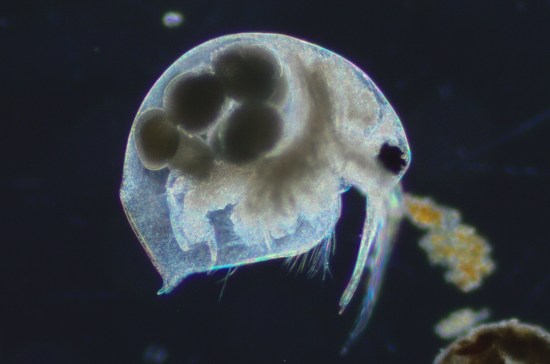
This change in nature’s calendar might already be affecting the survival of the young fish. The fortunes of other fish species have been changing too. Over the same long time scales we have seen that catches of the cold-water Arctic charr, a fish similar to trout and salmon, have greatly declined, while numbers of warm-water roach and bream have increased.
We have these exceptional records, objectively documenting ecological change more accurately than the shifting baselines of generational memories, thanks to the ongoing efforts and dedication of skilled field researchers. The Cumbrian lakes are sentinels, helping us understand the consequences of climate change, and other emerging environmental issues.
However, their relevance is not restricted only to northern England. Just as the species within these lakes are interconnected, so too are researchers across the world. Data and ideas flow through this network, as energy flows through a food web, creating opportunities to collaborate, learn, and build a global picture of how life beneath the water surface is changing.
As such, records from the Cumbrian Lakes are increasingly being used in large-scale scientific investigations into pressing environmental issues that will have global implications. Continuation of this vital work is more important than ever.
+++
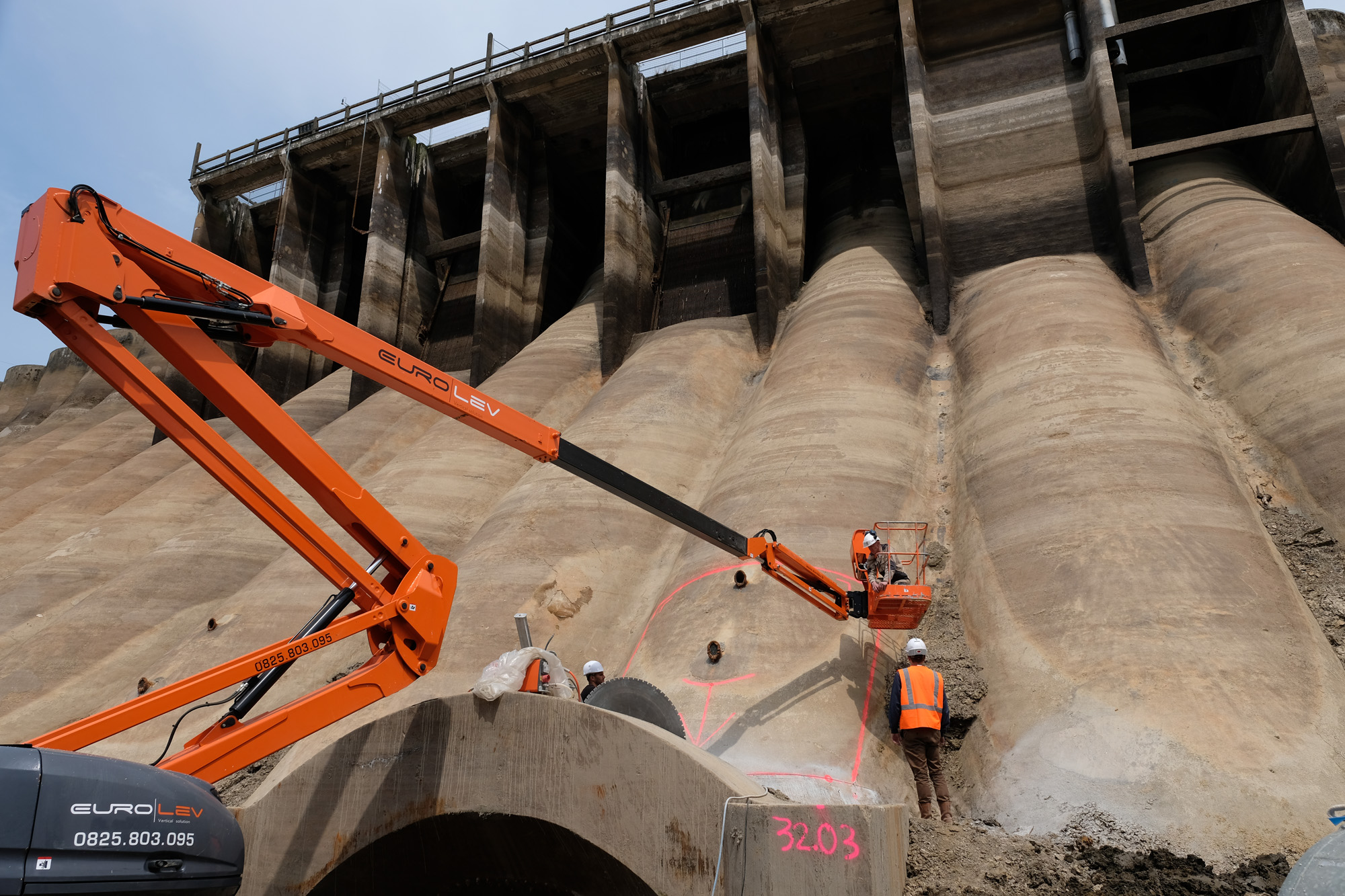
Europe’s largest dam removal project so far took a significant step forward last week as the first breach was made in the 36-metre high Vezins Dam in Normandy, France. The dam, located on the Sélune River, was been scheduled for dismantling in 2017, along with another 15-metre high dam, La Roche-Qui-Boit.
The removal of the dams is designed to reconnect migration routes for fish such as the Atlantic Salmon and European Eel, and to improve water quality in the river and re-naturalise flows of sediment through the Sélune catchment. The story here is indicative of global trends: a recent study suggests that only around one-third of global rivers are free-flowing – with dam construction a key factor in fragmenting and regulating water flows.
The La Roche-Qui-Boit and Vezins dams were built on the Sélune in 1914 and 1927 respectively. Before their construction, migratory fish could move throughout the river’s catchment between their spawning grounds in tributaries and headwaters and their feeding grounds out at sea. The dams provided an impassable obstacle for salmon, limiting their spawning grounds to a small area below the dams. Removal of the dams will open up 90km of the Sélune River to migratory fish, which is estimated to increase juvenile salmon habitat three-fold, and increase adult salmon numbers returning to the river by more than 1400.

Large reservoirs of slow-moving water have formed behind the dam walls, where river sediments are prevented from moving downstream towards the river estuary at Mont St Michel. This has two linked ecological problems. First, the build-up of sediments and reduction in water flow can lead to algae blooms and reductions in water quality. Second, the dams disconnect natural sediment flows throughout the river catchment, altering how material and nutrients flow through the river system. In effect, dams don’t only fragment water flows along a river system, but also disconnect its ecosystems and their natural processes.
“The removal of the Vezins Dam signals a revolution in Europe’s attitude to its rivers: instead of building new dams, countries are rebuilding healthy rivers and bringing back biodiversity,” said Roberto Epple, president of European Rivers Network. “Nature can recover remarkably quickly when dams are removed and I look forward to watching salmon swimming past Mont St Michel and spawning in the headwaters of the Sélune for the first time since my grandparents were young.” Epple continued.
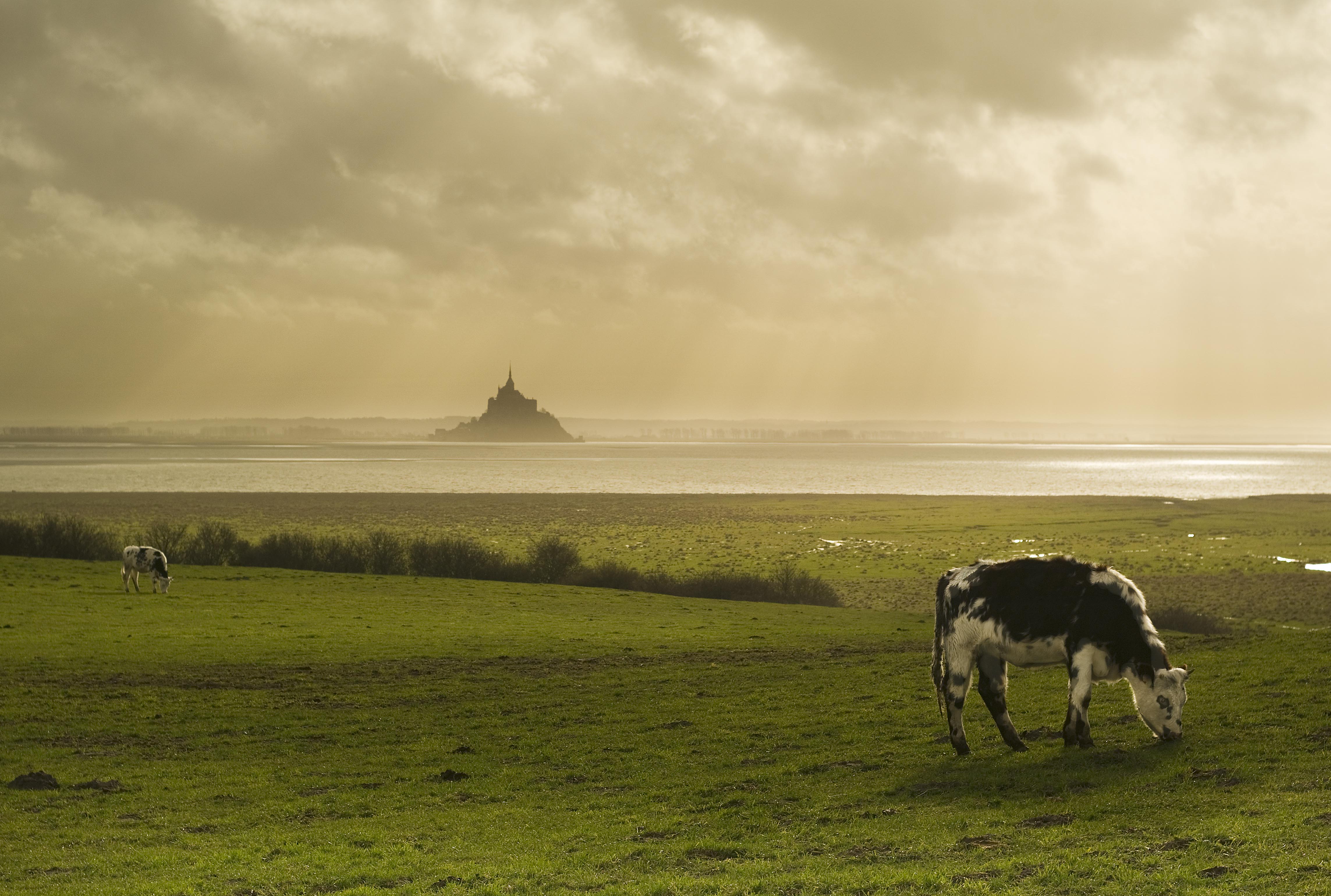
The Vezins and La Roche-Qui-Boit dams were both built around a century ago, and campaigners argue that they are now inefficient and obsolete, and that their environmental impact outweighs their ability to produce renewable energy. “There are tens of thousands of old, obsolete dams in Europe that can and should be removed,” said Arjan Berkhuysen, managing director of the World Fish Migration Foundation. “We are hopeful that by removing not only big dams like this but also by removing small barriers through local efforts we can restore these important life sources.”
A 2018 BBC Radio 4 programme interviewed some of the river restoration practitioners involved in the Sélune River project, outlining that the first phase of the project was to empty the lake above the Vezins dam, and stabilise its sediments. This process has now been completed, allowing for last week’s first breach of the dam wall itself. The smaller La Roche-Qui-Boit dam is due to be demolished in 2021.
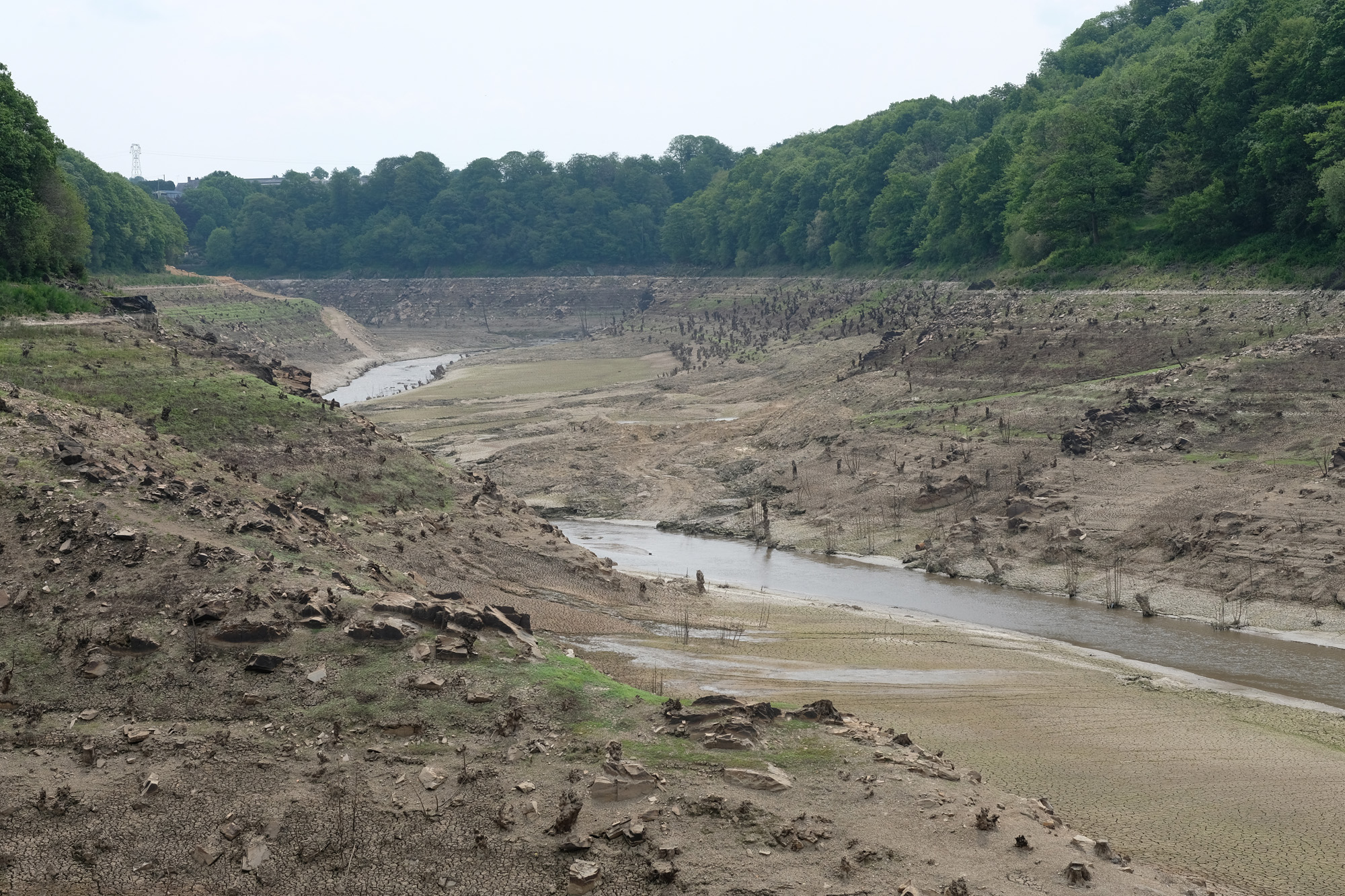
The dismantling of the dams on the Sélune River will provide a valuable case-study for environmental scientists and policy makers seeking to understand how river ecosystems respond to dam removal. The scientific project responsible for the dam removal has a 16 year ‘lifespan’ to monitor the river’s ecosystems for years to come. Similar large-scale projects, such as the removal of the 64-metre high Glines Canyon Dam on the Elwha River in Washington State, USA have resulted in increasing migratory fish populations, and the creation of new habitats due to naturalised sediment flows, both along the river and out into its estuary.
The Sélune River dam removal project has been opposed by some members of the local community, partly because of the recreation and tourism value of the lakes created above the dam walls. A recent analysis of the evolution of the Sélune project suggests that such discord stems from the difficulties of creating meaningful dialogue and ‘shared visions’ for the landscape in decision-making processes.
As the shifting-baseline theory suggests, what people might imagine as a defining feature of a place – such as a dam lake – can often be a relatively recent alteration to the landscape. What dam removal asks us to do – ecologically, politically, and aesthetically – is to imagine river landscapes unconstrained by human actions, and instead with resurgent ability to plot their own course. This, of course, is not always an easy process to get everyone on board with.
The Sélune project is taking place at the same time as major hydropower construction projects threaten the health and status of free-flowing rivers in Eastern Europe, and across the world. Clearly, despite this hopeful project there is significant work to be done in balancing the need for renewable energy with the critical need to conserve and restore freshwater biodiversity. We will follow these projects closely in the coming months.
+++
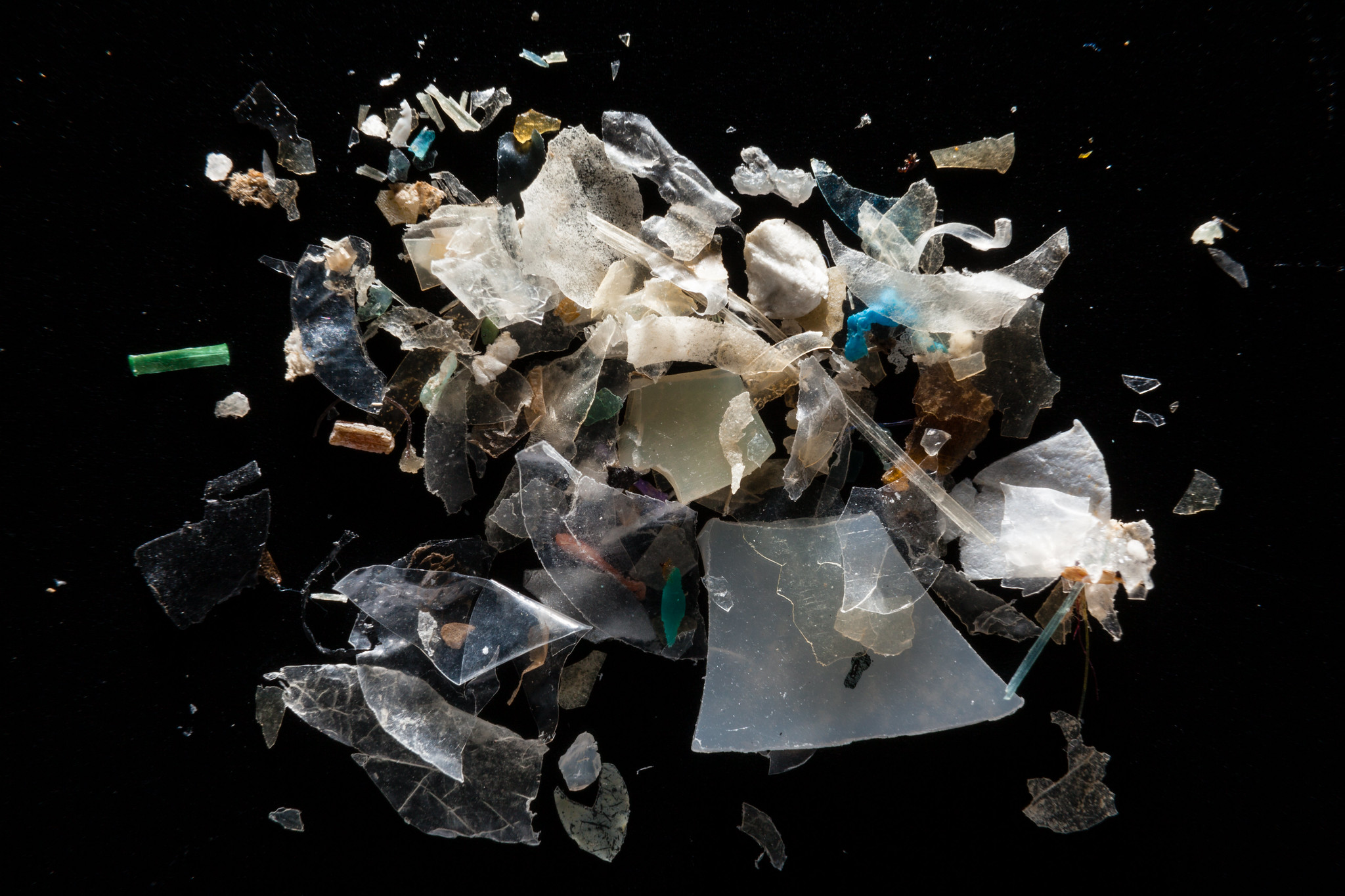
Microplastic pollution is an increasingly widespread issue in both freshwater and marine ecosystems across the world. It is estimated that more than 8.3 billion tonnes of plastic has been created since the 1950s, with more than half of this figure produced in the last 13 years. Plastic pollution is an issue which spans terrestrial, freshwater and marine ecosystems: it is estimated that a fifth of the plastic entering the world’s oceans is transported by rivers.
Plastic fragments smaller than 5mm are known as microplastics. Research suggests that because of their potential uptake and transmission through food webs, microplastics prompt a significant, but poorly understood, threat to aquatic life.
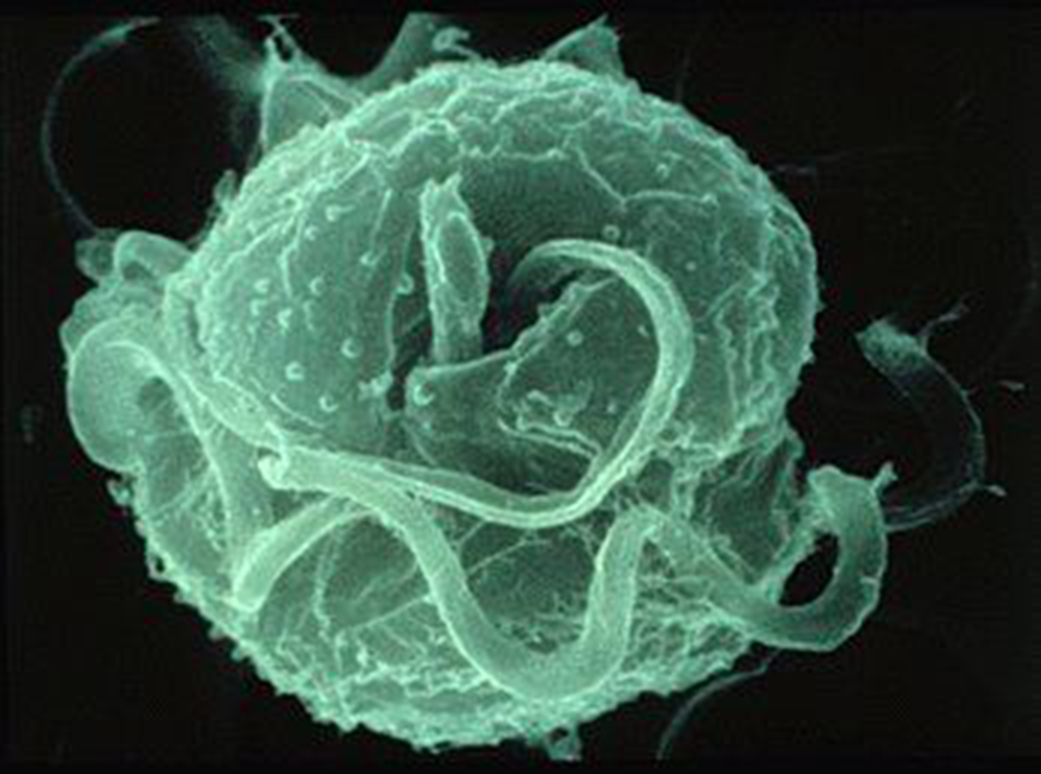
A new study adds to this growing knowledge base, suggesting that microplastics are readily colonised by aquatic microorganisms, which could lead to the growth of toxin-producing plankton species.
Researchers from the Leibniz-Institute of Freshwater Ecology and Inland Fisheries (IGB) and the Leibniz Institute for Baltic Sea Research, Warnemünde (IOW) incubated polyethylene and polystyrene microplastics with natural microfauna at different stations in northern Germany: the Baltic Sea at Heiligendamm, the lower River Warnow and a wastewater treatment plant.
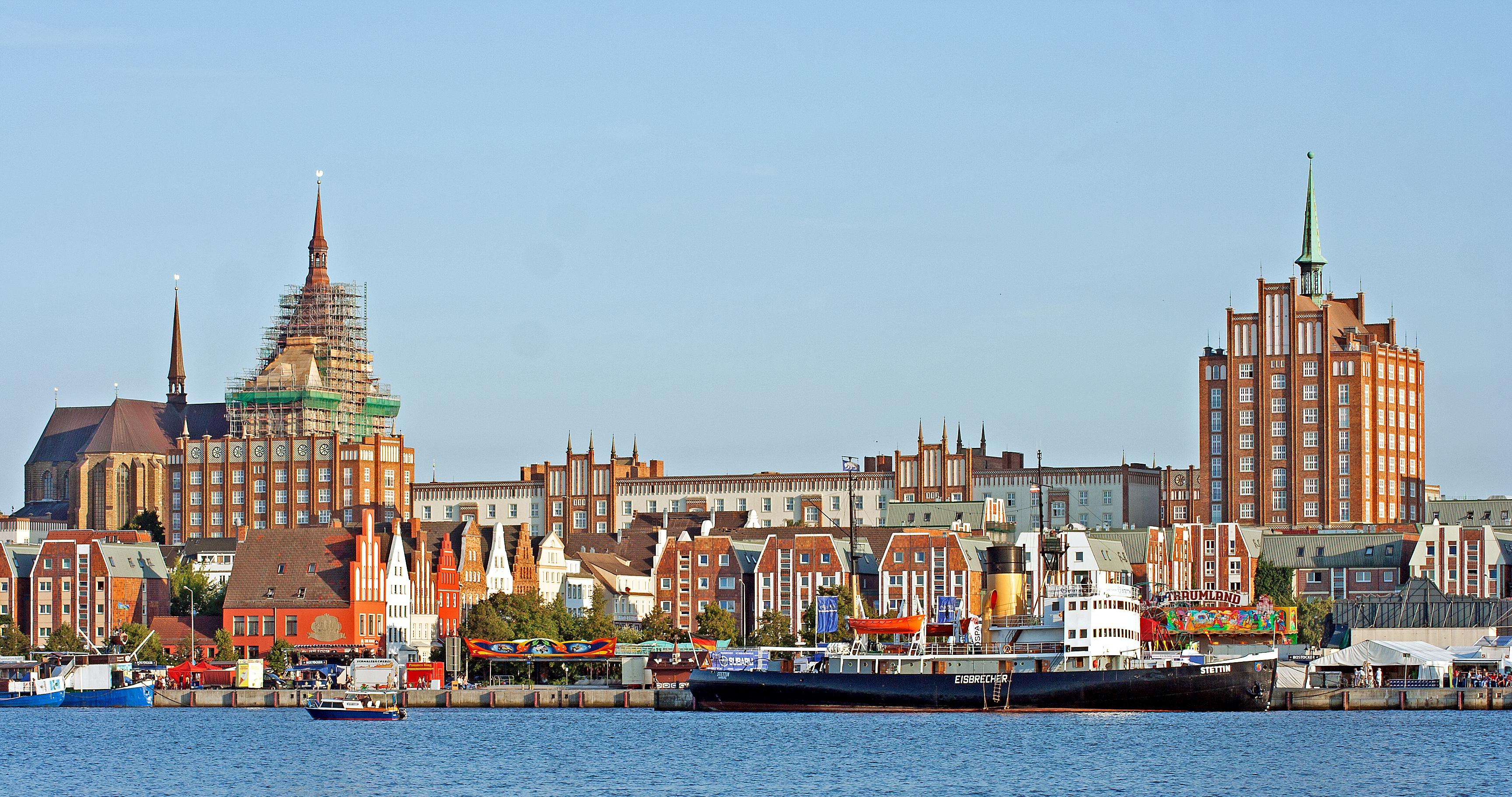
Their results, published in the Frontiers in Microbiology journal, show how microplastics act as valuable micro-habitats for microorganism colonisation, with over 500 different species observed from the 15-day experiment. The researchers suggest that a plastic item weighing one gram, floating in the sea, can support more living organisms than a thousand litres of surrounding seawater.
“Microplastics may represent a significant habitat and transport medium for microorganisms. Our experiments showed that microorganisms, such as Pfiesteria piscicida, enrich on plastic items, where they exhibit much higher densities than in the surrounding water or on driftwood,” said Dr. Maria Therese Kettner from IGB.
The dinoflagellate Pfiesteria piscicida highlighted by Dr. Kettner was the most common coloniser of microplastics in the study. It was observed at densities around fifty times as high as in the surrounding water, and around two to three times as high as on comparable wood particles.
Pfiesteria piscicida is a potentially toxic plankton species – its Latin name means ‘fish killer’ – which presents a significant threat to human and animal life at high concentrations. In addition, the dinoflagellate Heterocapsa – known for toxic ‘red tide’ blooms which can cause mass mortality of bivalves – was observed as another microplastic coloniser. In short, the study suggests that microplastic pollution may act as a catalyst for toxic plankton blooms.
IGB researcher Prof. Hans-Peter Grossart, who led the study, highlighted another key finding: “Unlike natural substances such as wood or colonies of algae, microplastic particles decay extremely slowly, and may therefore transport the organisms they host over long distances.” In other words, microplastics may provide a durable dispersal medium for harmful microorganisms, which could potentially be carried over long distances by rivers and ocean currents.
“However, communities on microplastic particles often change when they ‘travel’ and adapt to their new environment,” said marine microbiologist Dr. Matthias Labrenz. “Therefore, these aspects need further investigation,” suggested the IOW researcher. Research and policy on ‘invasive’ aquatic species often focuses on transport mechanisms such as shipping: this study suggests that microplastics may act as a vector for introducing potentially harmful microorganisms into new environments.
The researchers raises a third issue, suggesting that colonised microplastics have the potential to change carbon, nutrient and energy dynamics in aquatic environments. Recent research suggests that cyanobacteria which have colonised microplastics exhibit increased photosynthetic activity. Dr. Kettner and colleagues suggest that since numerous algae species were detected in this study, an increase in photosynthetic activity in areas of microplastic pollution could be expected.
The research team highlight that colonised microplastic particles add to the overall load of organic aggregates in marine environments. Some of these particles are likely to be transported vertically between the sea surface and floor by ocean currents. As a result, the researchers suggest that microplastic colonisation observed in the study has the potential to affect the oceanic carbon pump and vertical fluxes of nutrients in marine environments.
+++
Marie Therese Kettner; Sonja Oberbeckmann; Matthias Labrenz; Hans-Peter Grossart, (2019) “The eukaryotic life on microplastics in brackish ecosystems” Frontiers in Microbiology, 10 art. 538 (open-access)
Europe’s aquatic ‘life support system’: good ecological condition correlates with ecosystem service provision
European aquatic ecosystems can better provide vital services – such as water purification and flood protection – to humans when they are in good ecological condition, according to a new study. These findings highlight the need to protect and restore European waters, not only for the non-human lives they support, but also for the health and well-being of human communities.
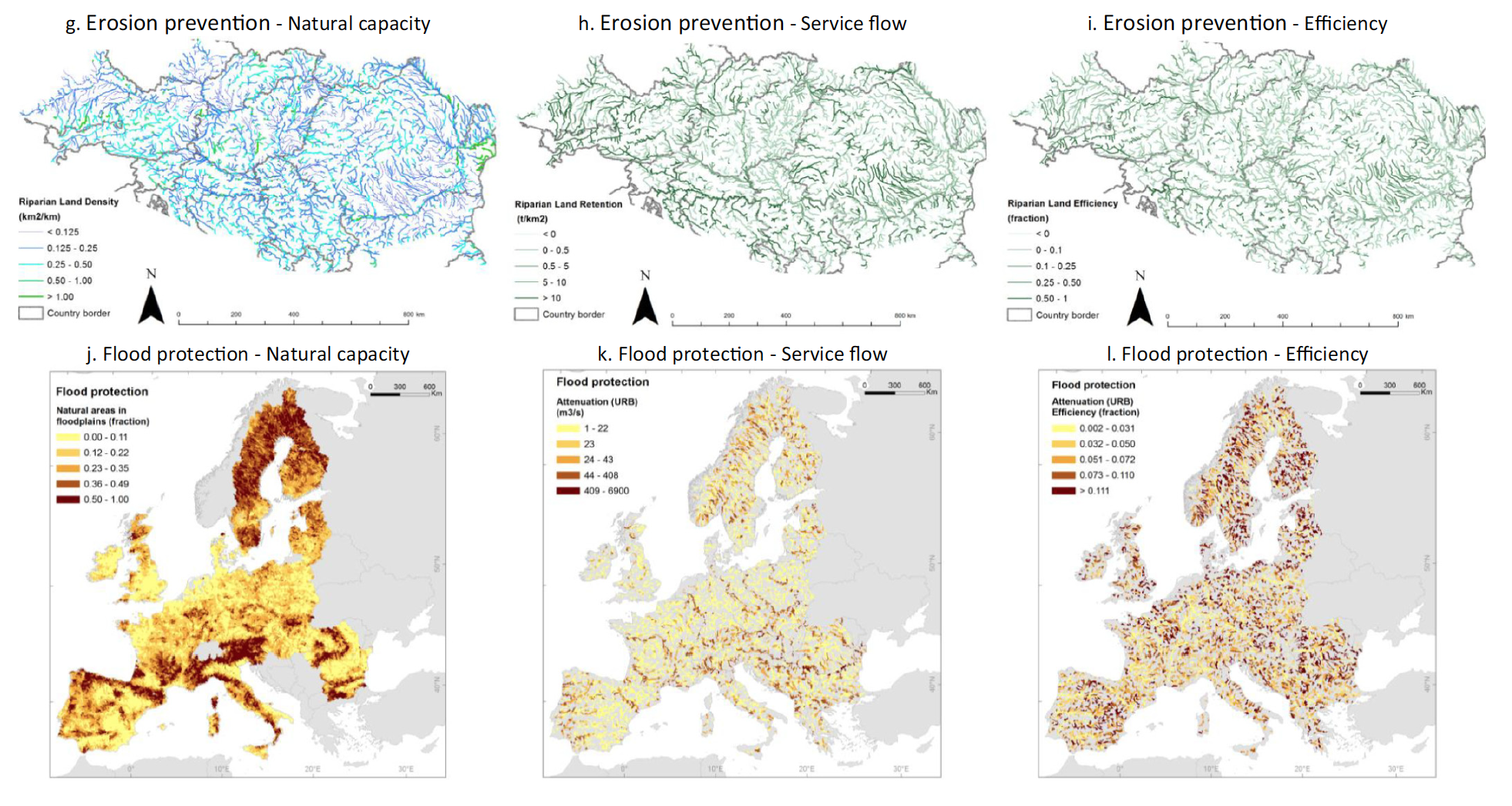
Bruna Grizzetti and colleagues mapped European aquatic ecosystem services in relation to ecological conditions in rivers, lakes, groundwaters, coastal and transitional waters, floodplains, riparian areas and wetlands across the continent.
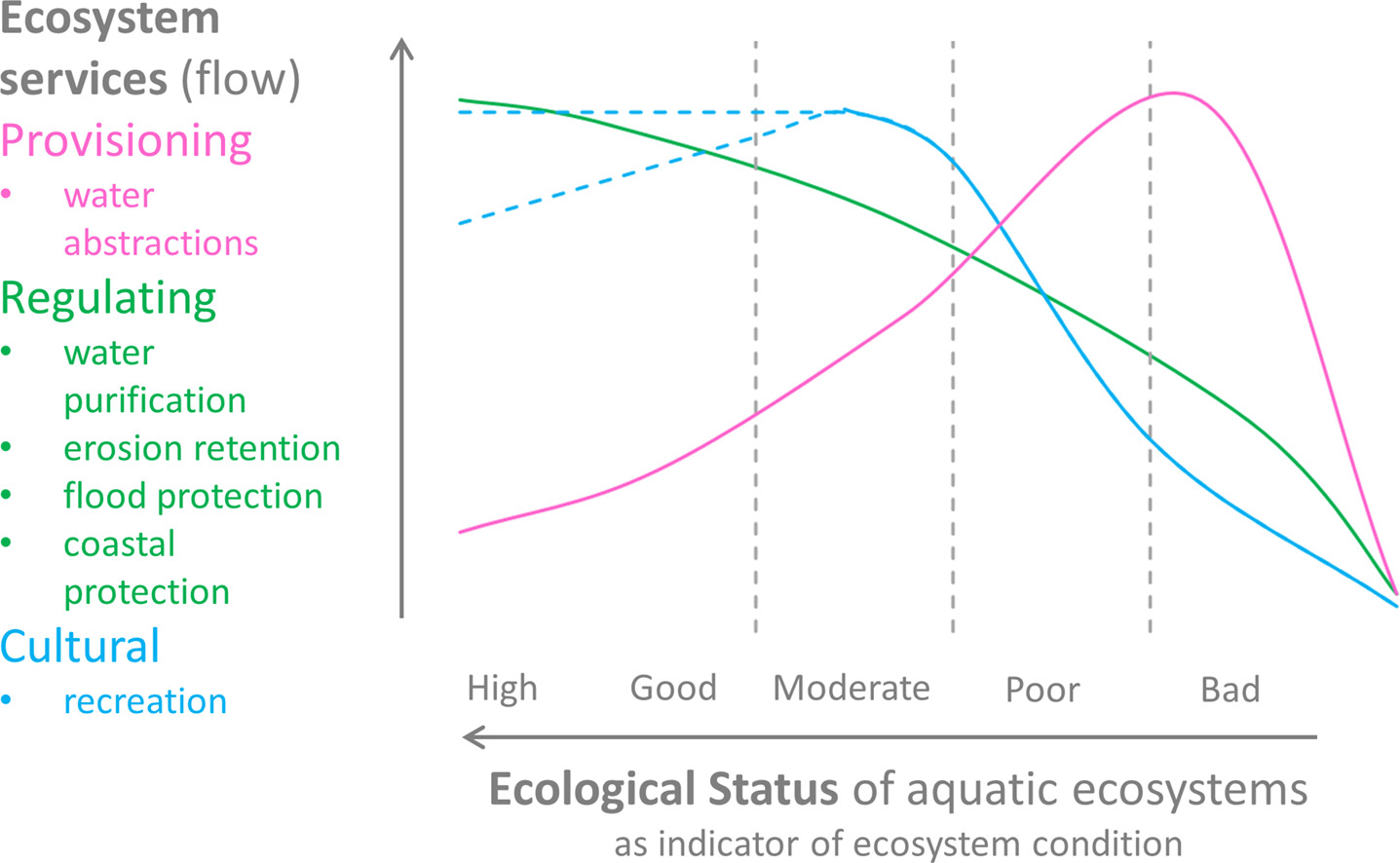
They found that there was a strong correlation between the delivery of regulating and cultural ecosystem services and good ecological condition. In other words, when aquatic ecosystems have abundant biodiversity, sufficient habitat and non-harmful chemical conditions, they are generally better at providing water purification, erosion retention, flood protection and coastal protection services. In addition, the authors suggest that recreation services – such as tourism – are generally increased in ecosystems with good ecological condition.
On the other hand, Grizzetti and colleagues found that provisioning services were correlated with poor ecological conditions. This is because their measure of provisioning services is based on water abstraction – an extractive process which is likely to negatively alter habitat and water availability in an ecosystem.
What are ecosystem services?
Ecosystem services are the many and varied benefits that ecosystems provide to humans. They are grouped in four categories: supporting services (e.g. nutrient cycling), provisioning services (e.g. food production), regulating services (e.g. water purification), and cultural services (e.g. recreation opportunities).
The logic behind the ecosystem services concept is that if the wide-ranging benefits humans derive from the environment can be quantified and communicated, then the argument for conserving and restoring ecosystems will be strengthened.

Grizzetti and colleagues mapped six aquatic ecosystem services in their study: water provisioning, water purification (through nutrient retention), flood protection (by floodplains), natural coastal protection, and recreation value. For each service, measures of natural capacity (i.e. the potential of the ecosystem to provide the service), flow (i.e. the actual use of the service), sustainability (i.e. flow compared to capacity), efficiency and human benefits were calculated and mapped.
What is ecological condition?
The researchers calculated ecological condition across Europe using monitoring data for ecological status taken by Member States under the Water Framework Directive.
Ecological status is a measure of the abundance and composition of different organisms in a food web and the habitat and chemical conditions of an aquatic environment, and represents an integrative measure of the condition of the water body. Data on ecological status in 79,630 water bodies across the EU was used to map ecological condition in this study.

Good ecological condition promotes ecosystem service provision
The research team, supported by the Joint Research Centre of the European Commission and the EU FP7 projects MARS and GLOBAQUA, recently published their findings in an open-access paper in the journal Science of the Total Environment.
They suggest that their findings support calls to protect and restore aquatic ecosystems through the EU Water Framework Directive and Biodiversity Strategy, the United Nations Sustainable Development Goals (SDG 6 – Clean Water and Sanitation and SDG15 – Life on Land), and the Convention on Biological Diversity.
Study co-author Olga Vigiak said: “We mapped freshwater ecosystem services in Europe and put them in relation with the ecosystem condition. Regulating and cultural services (like water purification, erosion prevention, flood and coastal protection, and recreation) were correlated with good ecosystem status.
Conversely, provisioning services (i.e. water abstractions for domestic and economic activities) put pressure on aquatic ecosystems. The study supports the need to protect and restore aquatic ecosystems to ensure the delivery of vital ecosystem services in the future.”
A key takeaway point from this study is the extent to which daily human lives rely on healthy functioning natural environments. In an increasingly urbanised world, this connection is not always perceivable, but what Grizzetti and colleagues’ study shows is that aquatic ecosystems in Europe form a giant ‘life support system’ for both human and non-human communities. It is in all of our best interests to protect and restore them.
+++
Grizzetti, B. et al (2019), Relationship between ecological condition and ecosystem services in European rivers, lakes and coastal waters, Science of The Total Environment, Volume 671, 25 June 2019, Pages 452-465
A landmark global report summarised earlier this week suggests that around 1 million animal and plant species are threatened with extinction. For many species, extinction could occur within decades. The global rate of species extinction is already at least tens to hundreds of times higher than the average rate over the past 10 million years and is accelerating, the report states.
The Intergovernmental Science-Policy Platform on Biodiversity and Ecosystem Services (IPBES) Global Assessment Report on Biodiversity and Ecosystem Services outlines the state of knowledge regarding the planet’s ecosystems and the contributions they make to people.
Compiled by 145 expert authors from 50 countries over the past three years, with inputs from another 310 contributing authors, the Report assesses changes to biodiversity and ecosystems over the past five decades.
“The overwhelming evidence of the IPBES Global Assessment, from a wide range of different fields of knowledge, presents an ominous picture,” said IPBES Chair, Sir Robert Watson. “The health of ecosystems on which we and all other species depend is deteriorating more rapidly than ever. We are eroding the very foundations of our economies, livelihoods, food security, health and quality of life worldwide.”
“The Report also tells us that it is not too late to make a difference, but only if we start now at every level from local to global,” he said. “Through ‘transformative change’, nature can still be conserved, restored and used sustainably – this is also key to meeting most other global goals. By transformative change, we mean a fundamental, system-wide reorganization across technological, economic and social factors, including paradigms, goals and values.”
Based on the review of around 15,000 scientific and government sources, the IPBES Report also draws on indigenous and local knowledge. It outlines the relationships between economic development pathways and their impacts on nature, and offers a range of possible scenarios for the coming decades.
“Ecosystems, species, wild populations, local varieties and breeds of domesticated plants and animals are shrinking, deteriorating or vanishing. The essential, interconnected web of life on Earth is getting smaller and increasingly frayed,” said Assessment co-chair Prof. Josef Settele from the Helmholtz-Centre for Environmental Research (UFZ). “This loss is a direct result of human activity and constitutes a direct threat to human well-being in all regions of the world.”
What does the IPBES Report tell us about the state of global freshwater environments?
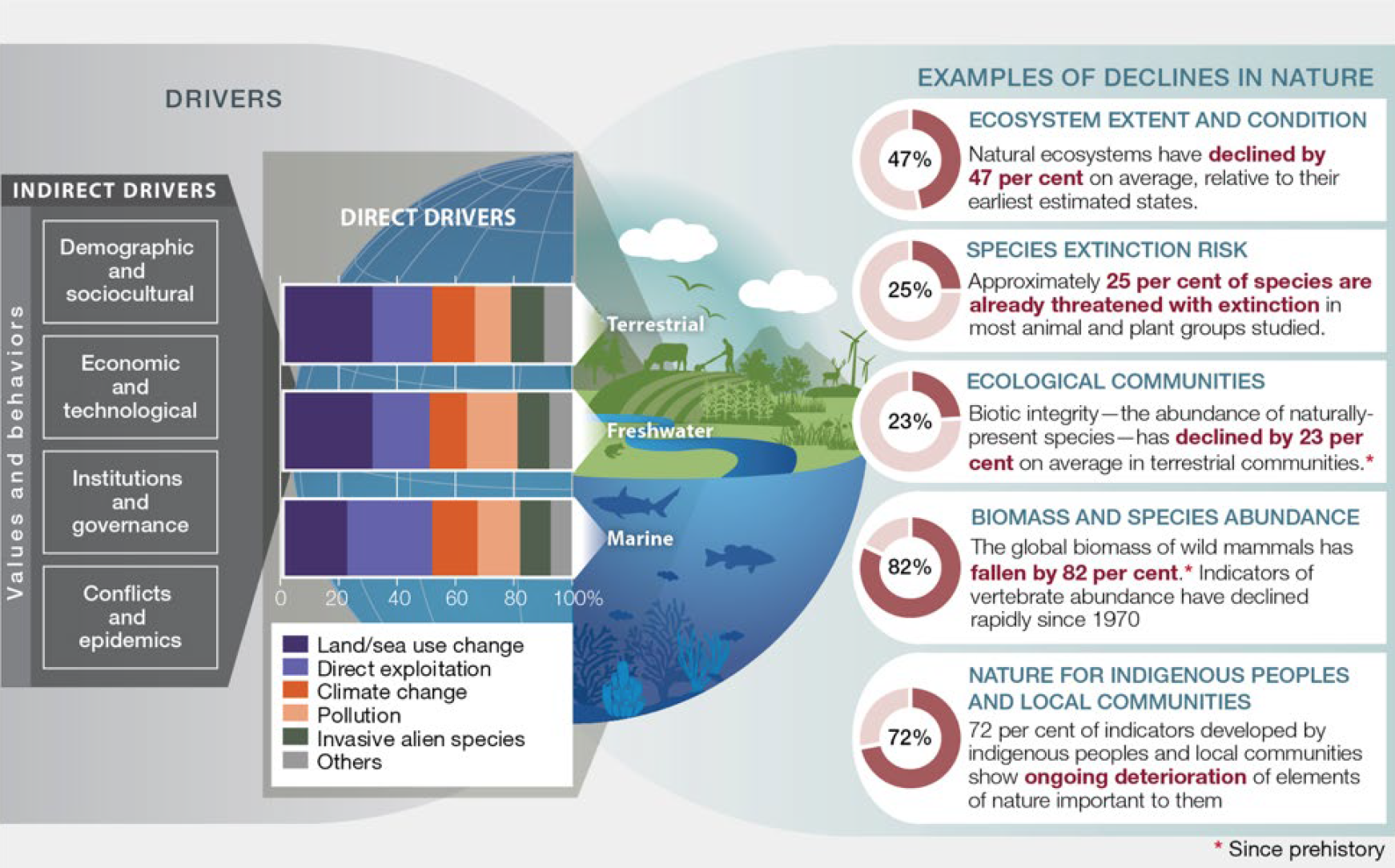
1. Land use change is the key driver of freshwater ecosystem decline
The IPBES Report ranks the five key drivers of freshwater ecosystem decline and biodiversity loss. The drivers are, in descending order: (1) changes in land use; (2) direct exploitation of organisms; (3) climate change; (4) pollution and (5) invasive alien species.
Agriculture is a key part of this picture: more than a third of the world’s land surface, and nearly 75% of freshwater resources, are now devoted to crop or livestock production. Agriculture can have numerous impacts on freshwater ecosystems, including fertiliser and pesticide pollution, habitat loss, water extraction, and alterations to waterways themselves.
The IPBES Report notes that greenhouse gas emissions have doubled since 1980, raising average global temperatures by at least 0.7 degrees Celsius. Climate change is predicted to be an increasingly powerful driver of ecosystem change and biodiversity loss in coming decades: shifting species distributions, changing phenology, altering population dynamics and the composition of species assemblages, as well as interacting with other drivers such as land use change.
2. Aquatic pollution is significant and widespread
Water pollution is one of the five key drivers of freshwater ecosystem degradation. Excessive or inappropriate application of agricultural fertilisers can lead to run off from fields entering freshwater and coastal ecosystems. Such pollution has caused more than 400 hypoxic ‘dead’ zones in coastal and transitional waters globally since 2008, affecting a total area of more than 245,000 km2 – an area larger than the United Kingdom.
The IPBES Report suggests that more than 80% of global wastewater is discharged untreated into the environment, causing nutrients, chemicals, bacteria, microplastics and many other pollutants to enter waterways. Such pollution ‘cocktails’ can have numerous, long-lasting effects on both human and non-human life.
Globally, plastic pollution has increased ten-fold since 1980. In freshwaters, ongoing research is showing how both plastics, and the microplastics they break down into, can have significant effects on aquatic life. A startling 300-400 million tons of heavy metals, solvents, toxic sludge and other wastes from industrial facilities are dumped annually into the world’s waters.
3. Wetlands are being lost at alarming rate
The IPBES Report states that indicators suggest that global ecosystem extent and condition has decreased, on average, by 47% compared to estimated ‘natural’ baselines. Many global ecosystems continue to decline in extent and condition by at least 4% per decade. It is estimated that ecological and evolutionary processes still operate with minimal human intervention in only around a quarter of terrestrial and freshwater ecosystems.
Wetlands are disappearing across the world at an alarming rate, the IPBES Report suggests. More than 85% of wetlands present in 1700 had been lost by 2000. The loss of global wetlands (0.8% per year between 1970 to 2008) is currently three times faster, in percentage terms, than global forest loss. Wetlands are extremely valuable ecosystems, not only providing habitat for both resident and migratory species, but also providing services such as water filtration and flood buffering to humans.

4. Amphibians are particularly threatened with extinction
The IPBES Report states that, on average, 25% of species across terrestrial, freshwater and marine vertebrate, invertebrate and plant groups that have been studied in sufficient detail are threatened with extinction.
Amphibians are particularly threatened, with more than 40% of amphibian species – many of which rely on freshwater ecosystems – at risk of extinction globally. Amphibian species across the world are impacted by habitat loss, climate change, and the the spread of the deadly fungal disease chytridiomycosis. A 2011 study in Nature suggests that areas of greatest amphibian species richness are often the same areas subject to the greatest combined threat of habitat loss and climate change.
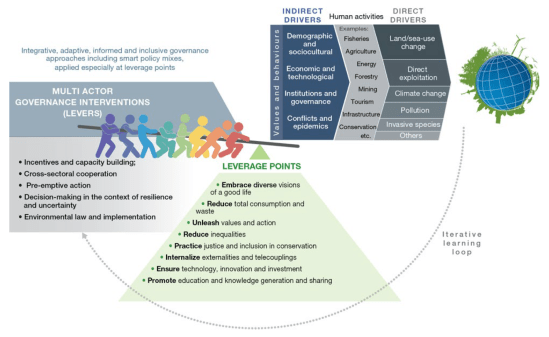
5. Governance options exist to protect and restore freshwater ecosystems
The IPBES Report emphasises the role of unsustainable human activities in driving global biodiversity loss, and highlights the need for widespread political and economic change to safeguard the future of life on Earth.
Freshwater systems are given significant attention, with the IPBES Report authors emphasising that sustaining freshwater in the context of climate change, rising demand for water extraction and increased levels of pollution requires significant cross-sectoral policy interventions.
Key policy priorities including: more inclusive water governance for collaborative water management; better integration of water resource management and landscape planning across scales; promoting practices to reduce soil erosion, sedimentation and pollution run-off; increasing water storage; promoting investment in water projects with clear sustainability criteria; and addressing the fragmentation of many freshwater policies.
+++
Acoustic monitoring of freshwater ecosystems: Costa Rica study reveals diverse underwater soundscapes
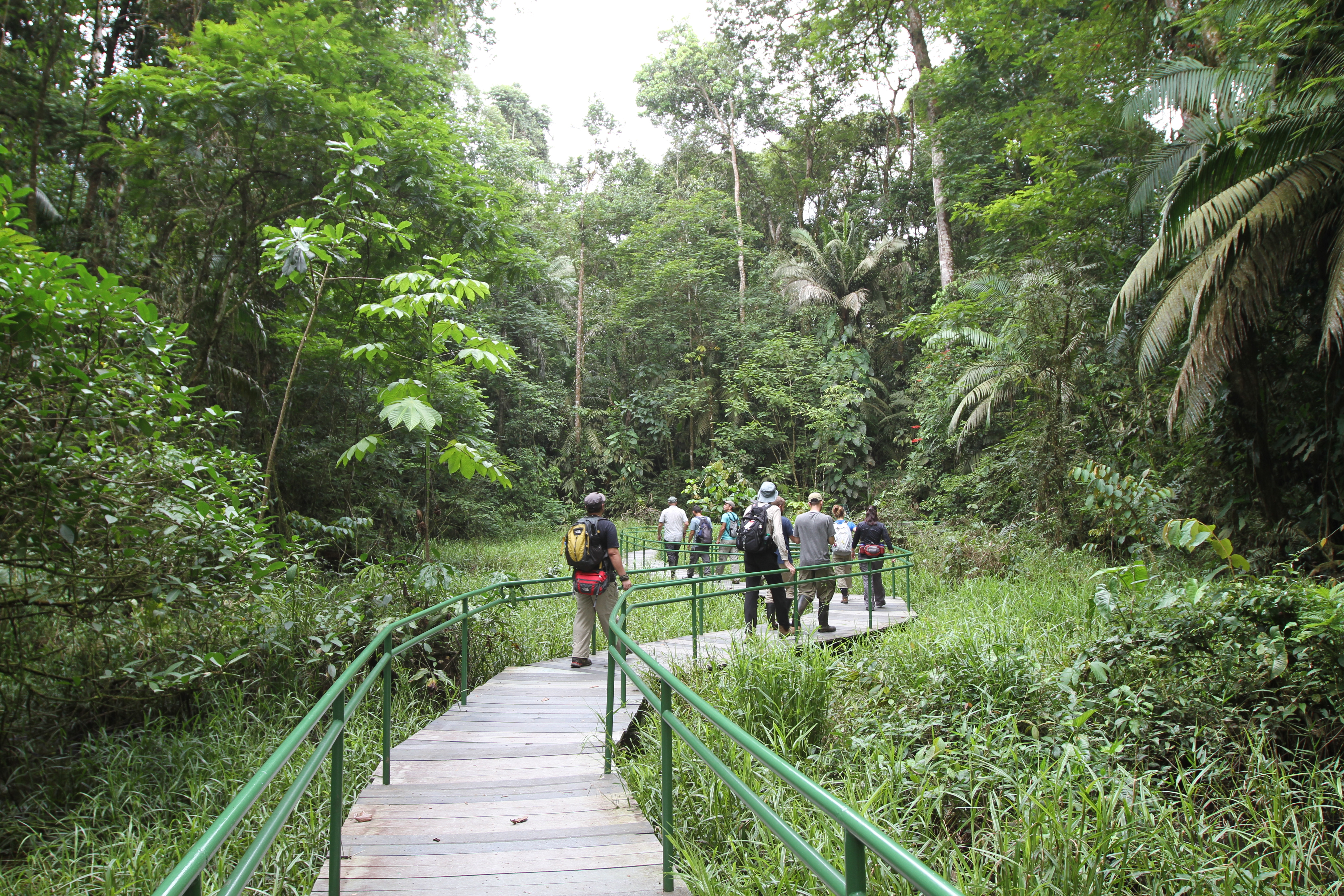
The study site – Cantanara Swamp at La Selva Biological Station in Costa Rica. Image: Ben Gottesman.
Freshwater ecosystems across the world are disproportionately threatened by human activity, causing ongoing losses of aquatic biodiversity globally. Many freshwater conservationists highlight the need for more comprehensive ecological monitoring and assessment programmes to better understand ecosystem changes, and to strengthen conservation initiatives accordingly.
An innovative new study seeks to address this need using an unusual approach: acoustic monitoring of freshwater soundscapes. A soundscape is the aural equivalent of a visual landscape: all the sounds we hear in a space (whether through our ears, or through recording devices), emitted by both human and non-human sources. Soundscapes are never static, often varying with the time of day, weather conditions and human activity.
Researchers from Purdue University, USA and Nanjing University of Science and Technology, China recorded the aquatic soundscape of a Neotropical freshwater swamp in Costa Rica for 23 days in 2015. They used special underwater microphones – known as hydrophones – to delve into the acoustic world of the freshwater wetland. They wanted to better understand how soundscape recording might enhance existing freshwater ecosystem monitoring and assessment initiatives.
The promise of soundscape ecology
Soundscape ecology is a growing inter-discipline, popularised by the sound recordist Bernie Krause and the ecologist Bryan Pijanowski (Director of the Center for Global Soundscapes who led this study), amongst others. By recording soundscapes, it may be possible to gain a picture of the biological community present in an area, and to assess animal activity patterns. Such approaches have numerous benefits to ecologists: being non-invasive, offering high temporal resolution, facilitating long-term sampling strategies in remote areas, and providing an archive of detailed digital data for long-term analyses.
However, soundscape recording approaches have – as yet – been largely confined to terrestrial (e.g. bats and birds) and marine ecosystems (e.g. whales and dolphins). The research team behind the new study – published in Freshwater Biology – suggest that soundscape recording can provide a valuable tool in difficult-to-access aquatic environments where visibility is limited, and sound is a principle means of animal communication.
Lead author Ben Gottesman, a PhD Candidate at Purdue University’s Center for Global Soundscapes, explains, “The sounds of freshwater habitats are still mostly a mystery, especially in the tropics. Rainforests are noisy places, filled with sounds of birds, bugs and amphibians. But what about underwater? Is there a similar sort of cacophony in the forested wetlands?”
Such sonic explorations aren’t solely driven by curiosity, but could also yield valuable environmental data, Gottesman suggests, “If you are like my skeptical grandpa, you may be wondering why we would care about aquatic soundscapes? The reason is because these sounds could unlock an efficient and effective way to monitor freshwater biodiversity, which is rapidly declining and can be difficult and costly to measure.”
The paper is part of a special issue of Freshwater Biology exploring the potential of acoustic methods for freshwater ecology. Other papers cover topics including acoustic monitoring of piranhas in Peru, lesser water boatmen in a Mediterranean pond, and toads in Northern France; and the possibility of ‘acoustic refuges’ in fish habitats.
Exploring the underwater sounds of a Costa Rica wetland
The research team submerged a hydrophone connected to an automated acoustic recorder in the Cantanara Swamp in Costa Rica – known for its richness of amphibian, bird, mammal and invertebrate species. Their equipment recorded 10 minutes of underwater sound each hour, and 1 minute each 15 minutes. This sampling strategy created 2,121 sound recording ‘snapshots’ from the swamp over the 23 day fieldwork period.
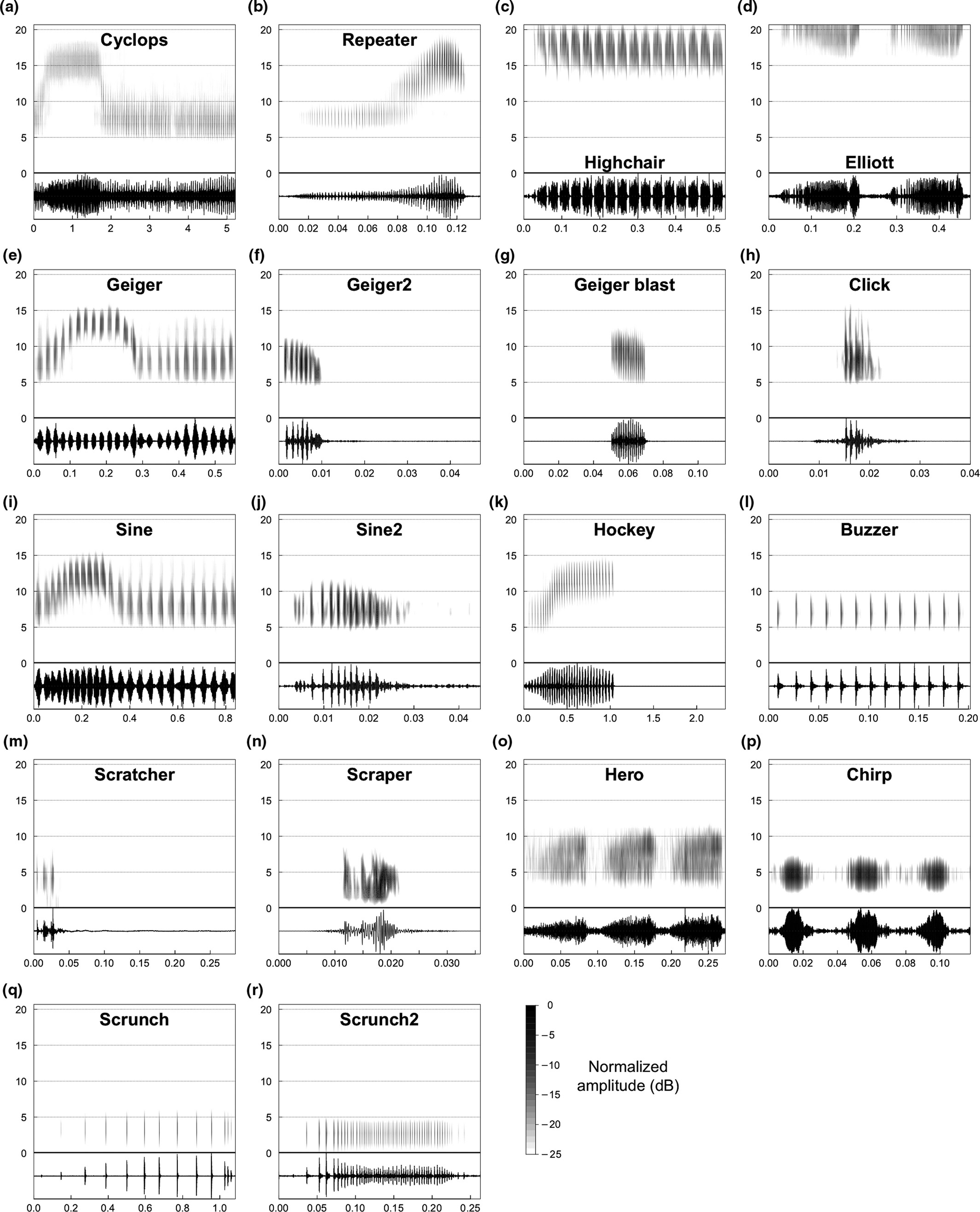
Ben Gottesman outlines the aims of the study, “Our goals were to assess the diversity of sounds within this wetland and also the temporal dynamics. We found rich diversity in sound types – eighteen in all.
“We were surprised by the daily soundscape dynamics. Whereas the day-time and night-time soundscapes were filled with the clicks, stridulations and buzzes of aquatic insects, dusk and dawn were notably quiet. We posited several explanations for these crepuscular lulls, but still do not have a definitive answer.”
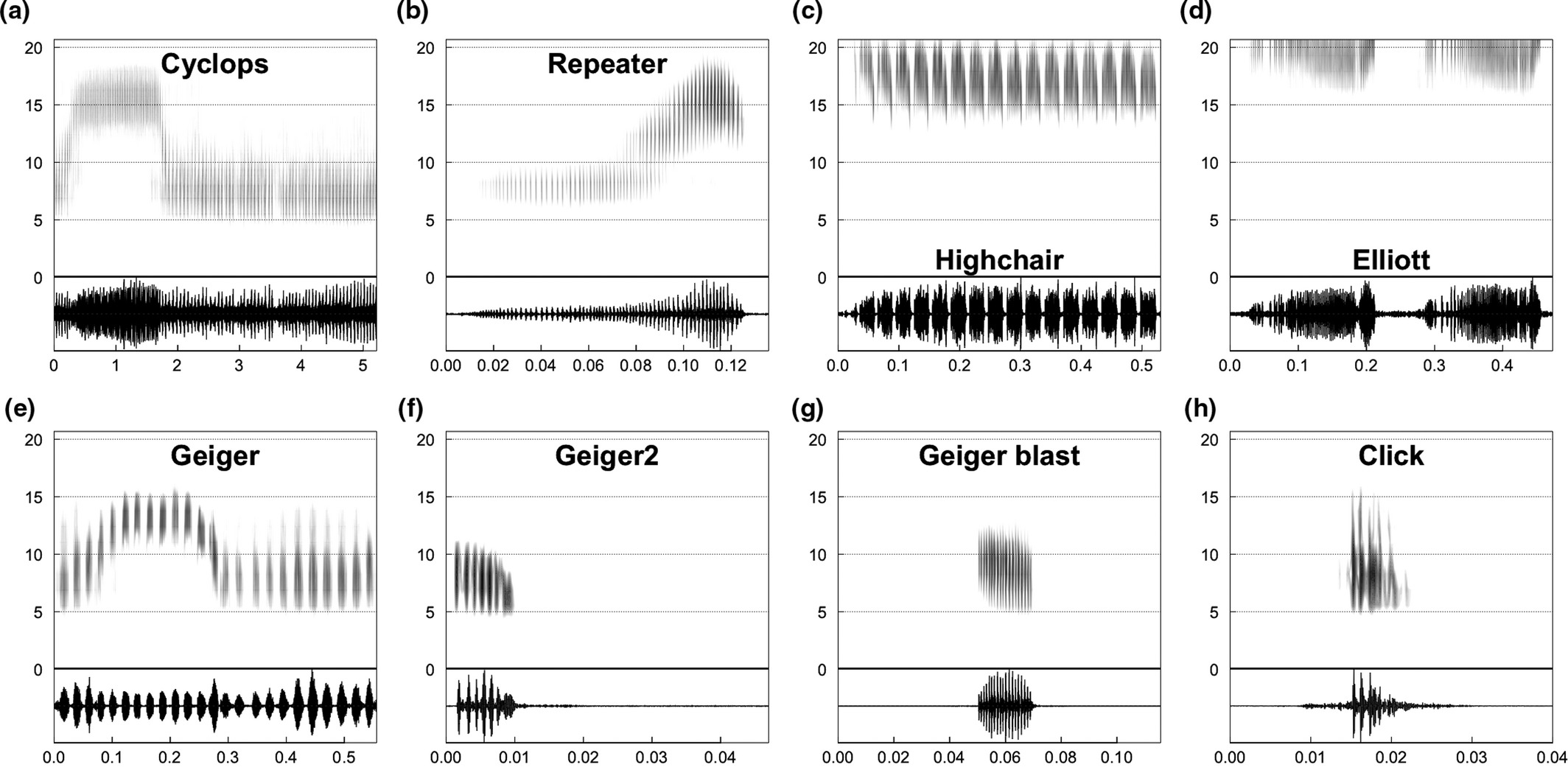
Spectrograms and oscillograms (below the spectrograms) of eight sound types from the study. Time (seconds) is on the x-axis and Frequency (kHz) is on the y-axis of spectrograms. See all eighteen sound types here.
Classifying underwater ‘sound types’ from the wetland soundscape
The eighteen sound types – creatively termed ‘Cyclops’, ‘Geiger’, and ‘Highchair’ amongst others – were classified based on their audible differences, and the visual patterns they generated in a spectogram. Spectograms are a visual representation of the spectrum of frequencies of an audio signal over time. The frequencies of the recorded sound types spanned a huge audio spectrum: from below 100 Hz (sub harmonic frequencies below human hearing) to above 22 kHz (higher than the sounds made by most mosquitoes).
Whilst the sound types have yet to be identified to their animal sources, the study shows that there was a rich diversity of underwater sounds emitted in the Cantarana Swamp, forming a soundscape with distinct daily dynamics.
“We are still in the early stages of classifying freshwater sounds and identifying the ecological factors that influence soundscape diversity and dynamics. Both of these are basic steps necessary for acoustic monitoring to become useful as a freshwater habitat assessment tool,” says Gottesman. “This study illustrates that healthy tropical wetlands like this one can contain rich soundscapes, and are therefore promising sites for acoustic monitoring.”
Acoustic monitoring: a valuable new method for freshwater science and conservation?
The study authors suggest that there are a number of necessary steps for freshwater acoustic monitoring and assessment techniques to become more widely used. These include ‘ground-truthing’ soundscape data with in situ field samples of biological and environmental conditions, and creating ‘field guides’ of the sounds emitted by individual species.
The authors state that for soundscape methods to be effective in freshwater environments, their measurements must have a strong positive correlation with at least one measure of biodiversity, such as species richness or abundance. Clearly, this is an emerging approach with significant potential for the monitoring and assessment of freshwater ecosystems globally.
“I hope that this work will inspire other freshwater ecologists working in the tropics to drop in a hydrophone. There is so much left to learn,” says Gottesman.
+++