The High Cost of Cheap Water: annual economic value of global freshwater ecosystems estimated at $58 trillion
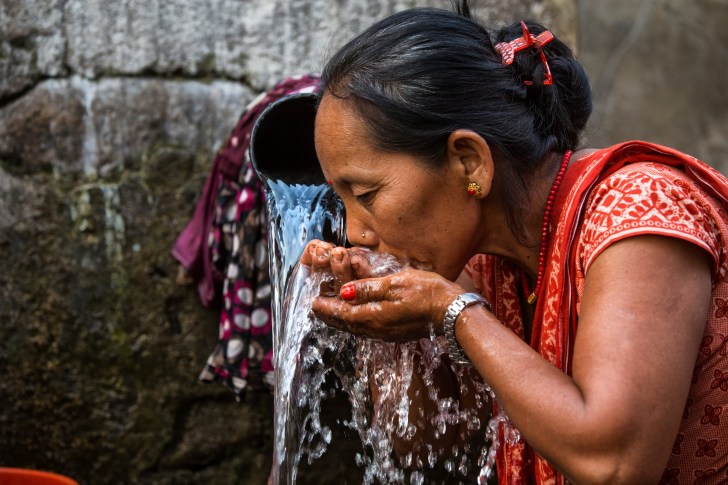
Freshwater is “the world’s most precious and exploited resource” but has always been significantly undervalued in global economies, leading to widespread environmental costs, according to a major new WWF report published this week.
The report estimates that the annual economic value of water and freshwater ecosystems globally is $58 trillion – a figure equivalent to 60% of global Gross Domestic Product (GDP). This startling figure was calculated by estimating the financial value that rivers, streams, lakes, reservoirs and wetlands generate to human societies. Direct economic benefits including water for household drinking, cooking and cleaning, irrigation for agriculture, and to supply industries was calculated at $7.5 trillion each year.
However, the indirect – and often invisible – benefits freshwaters bring to human societies are significantly higher. The report estimates that such indirect values – including purifying water, increasing soil health, storing carbon and buffering communities from floods and droughts – are around $50 trillion annually.
In other words, freshwater ecosystems are not only vital for sustaining everyday societies, but they also provide invaluable life-support systems which help maintain the health of both people and the planet.
“Water and freshwater ecosystems are not only fundamental to our economies, they are also the lifeblood of our planet and our future,” said Stuart Orr, WWF Global Freshwater Lead. “We need to remember that water doesn’t come from a tap – it comes from nature. Water for all depends on healthy freshwater ecosystems, which are also the foundation of food security, biodiversity hotspots and the best buffer and insurance against intensifying climate impacts. Reversing the loss of freshwater ecosystems will pave the way to a more resilient, nature-positive and sustainable future for all.”
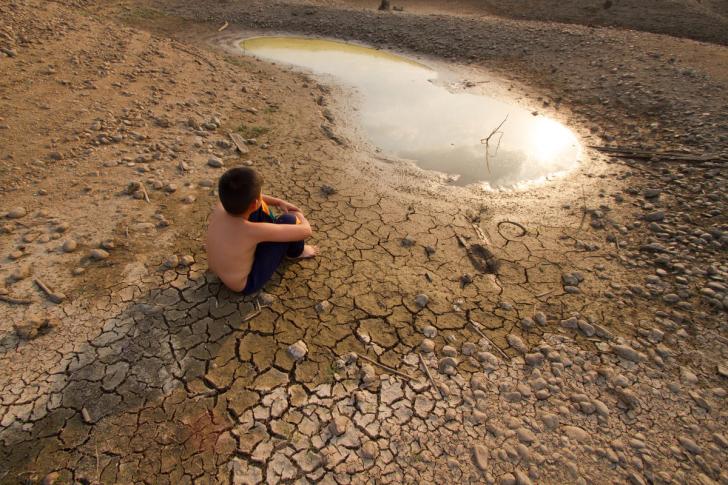
Freshwater ecosystems across the world are increasingly threatened by human pressures such as habitat loss, pollution and over-extraction, all of which are exacerbated by the ongoing effects of the climate emergency. As previous WWF reports have shown, freshwater biodiversity has dropped on average by 83% since 1970, whilst one-third of global wetlands have been lost over the same time period. Currently, two-thirds of the world’s largest rivers are no longer free flowing, and wetlands continue to be lost at a rate three times faster than forests.
“The alarming impacts from droughts, floods, decline of critical species, and water availability for human use and agriculture are staggering,” said Michele Thieme, WWF Deputy Director for Freshwater. “There is still an opportunity to lessen and even prevent these impacts from causing further acute harm, but we must take action now to safeguard these vital life supporting ecosystems.”
It’s clear that for decades human societies have continually undervalued freshwater ecosystems, and as such failed to properly protect them from harm. And, as this week’s World Food Day theme of ‘Water is Food’ emphasises, it is vital to address this water crisis in order to ensure food security for the world’s growing population. As a recent FAO report shows, around 2.4 billion people globally face moderate or severe food insecurity, whilst half the world experiences water shortages at least once each month.
The key challenge is to better value the life-support systems water provides to global communities, as a means of making its use more sustainable, and its protections more effective. The WWF report calls for global governments, businesses and financial institutions to urgently increase investments into sustainable water infrastructure and nature-based solutions. At the same time, there is the pressing need for effective water governance which can ambitiously conserve and restore freshwater ecosystems, whilst equitably allocating water to the communities which need it.
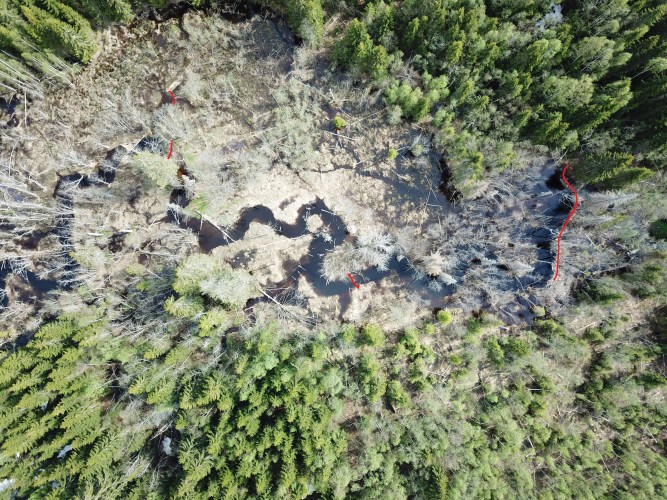
A valuable initiative for achieving this goal is the Freshwater Challenge, which aims to better integrate freshwater restoration into national policies and planning frameworks. The initiative aims to set ambitious restoration targets which are then mainstreamed into national policy. Further, it seeks to foster support and collaboration between all organisations and communities involved in restoration, and to better mobilise resources to help achieve these targets. Launched earlier this year, the Freshwater Challenge proposes to be the largest global freshwater restoration initiative in history, with aims of restoring 300,000km of degraded rivers and 350 million hectares of degraded wetlands by 2030, and conserving intact freshwater ecosystems, and has been adopted by numerous countries across the Global South.
“Water is one of the cornerstones upon which our shared future stands,” said Dr Kirsten Schuijt, WWF International’s Director-General. “WWF’s report reveals the staggering underlying value of water and freshwater ecosystems to our global economy and environment. Healthy rivers, lakes and wetlands are essential for water and food security, adapting to climate change and sustaining biodiversity, but they also provide priceless cultural and spiritual values that are vital to people’s wellbeing worldwide. It is time for governments, businesses, and financial institutions to invest in protecting and restoring our freshwater ecosystems to ensure we build a future where water flows in abundance for all.”
///
Read the WWF “High Cost of Cheap Water” report









 The Freshwater Blog
Comments are closed.