
A dappled ‘starry night’ toad, lost to science for decades, but recently documented on indigenous lands in Colombia. An iridescent blue-banded kingfisher native to tropical streams on the island of Java. A West African tree-climbing crab which makes its home in tree holes filled with rainwater. These are some of the wonderful, but highly threatened, freshwater species highlighted in a new report authored by some of the world’s leading conservationists.
Released last week by the Shoal organisation, the Fantastic Freshwater report showcases fifty unique freshwater species threatened with extinction. These include a giant catfish, almost three metres in length, which migrates huge distances through the Mekong Delta, and a microscopic star-shaped fungi known from only two sphagnum bogs in Wisconsin, USA. Other wonders include a nocturnal Japanese firefly which flashes and buzzes through evergreen riverside forests, and a reclusive hairy-nosed otter native to wetland forests across southeast Asia.

“This is a milestone report for us, as it brings together experts working on freshwater species from across the taxonomic spectrum, and from across the IUCN Species Survival Commission – one of the leading bodies on global species knowledge,” says Monika Böhm, freshwater coordinator at the Global Center for Species Survival, Indianapolis Zoo.
“Because many freshwater species suffer from the same threats, each of these species tells a compelling story of what is happening to our freshwaters, whether they are vertebrates, invertebrates, plants, or tiny fungi. We really would miss a trick by not working together to give a fuller picture of the wonders – and importance – of freshwater diversity,” Böhm says.

The fifty species were selected through consultation with twenty-one IUCN SSC Specialist Groups and IUCN Red List Authorities, and freshwater fungi experts. The species receive very little conservation attention, despite the fact they often act as ‘umbrella species’ for the conservation of wider ecosystems.
They also include an elephant snail with an evolutionary lineage spanning millions of years found in ancient lakes in Indonesia, an alpine wetland plant with medicinal properties found only between two mountain summits in Lebanon, and a ‘box’ turtle endemic to the clear-water pools of Cuatro Ciénegas in the Chihuahuan desert of northern Mexico.
“Now that we have a better understanding of the conservation status of numerous freshwater species, we urgently need to implement conservation actions to prevent further extinctions and contribute to our goal of being nature positive by 2030,″ explains Topiltzin Contreras-MacBeath, co-chair IUCN SSC Freshwater Conservation Committee.

The Fantastic Freshwater report acts as a snapshot of the vital, but often overlooked, diversity of global freshwater life. As the report authors state in their introduction, “The plight of the world’s rainforests and coral reefs has been well known for decades, but freshwater is all too often out of sight, out of mind.”
As a result, the report strengthens ongoing conservation efforts to change this public and political perception: to bring an awareness of the wonder and fragility of freshwater life out from beneath the water’s surface.
+++
This article is supported by the MERLIN project.

Fungi have increasingly captured our imaginations in recent years. Interest in their roles in forming vast underground mycelial ‘wood wide web’ networks, and as the basis for medicines, energy and eco-materials has exploded in the past decade. However, the hidden fungal worlds beneath the surface of freshwaters have, so far, been largely ignored.
A new study asks conservationists and policy makers to urgently turn their attention to the key roles aquatic fungi play in freshwater ecosystems. Its authors highlight how often-invisible aquatic fungi are vital in supporting freshwater food webs, in cycling nutrients, material and energy, and in helping purify water. However, their microscopic roles in underpinning river, lake and wetland ecosystems are mostly neglected in conservation management.
“So far, IUCN Red List of Threatened Species includes assessments for only a small number of fungi, and all of those assessed also comprise only terrestrial macrofungi,” says co-author Mariyana Vatova from the University of the Algarve. “What complicates such assessments is that many groups of aquatic fungi are poorly studied, and many species are yet to be discovered and described.”

The few existing scientific studies on aquatic fungi focus largely on their response to fungicide pollution from agriculture. “However, many other pollutants can affect fungi and their delicate networks, such as pharmaceuticals, metals, microplastics, and nutrient pollution,” says co-author Hans-Peter Grossart from IGB Berlin. “What is even more worrying is that we know almost nothing about the other threats that they are likely facing. Some of the major threats for aquatic fungi include habitat modification and degradation, biological invasions, and climate change.”
These threats can lead to population declines and extinctions in aquatic fungal communities, with potentially harmful cascade effects across the entire freshwater ecosystem. “Unfortunately, due to large gaps in our current knowledge, many such cases are likely to go undetected and remain hidden”, explains co-author Ivan Jarić from the Biology Centre of the Czech Academy of Sciences. “Such cryptic losses of ecosystem functions can aggravate the situation further, by hindering our ability to implement timely and effective conservation measures.”

The authors, in collaboration with the Alliance for Freshwater Life, thus argue that aquatic fungi needs to be urgently recognised as a priority for freshwater conservation and policy. “All such management efforts should aim to both protect fungal diversity, and to maintain their key ecosystem functions,” suggests co-author Susana C. Gonçalves from the University of Coimbra in Portugal, who is also a member of the IUCN SSC Fungal Conservation Committee.
Aquatic fungi management initiatives include reducing pollution, controlling the spread of invasive species, restoring biodiversity habitat and maintaining natural water levels and flows. These are all umbrella measures which can benefit entire freshwater ecosystems, however, the authors argue that they can be tailored to consider the particularities of aquatic fungi populations.
One key task in this process is to develop new bioassay techniques which can help us better understand the role of ecological pressures such as pollution on aquatic fungi. Such measures are critical for the better addressing the overlooked importance of these ‘forgotten conservation targets’.
+++
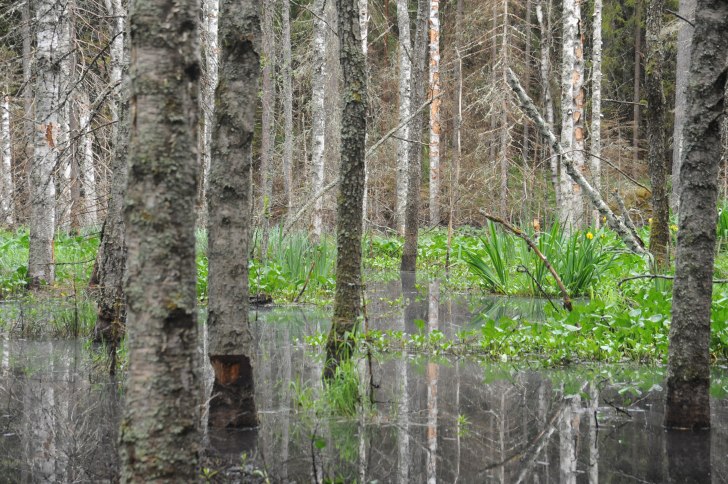
The emergence of infectious diseases is an inherently environmental process. Evidence shows that the majority of diseases (such as Ebola) and almost all pandemics (such as COVID-19) are zoonoses, caused by microbes of animal origin.
These microbes can ‘spill over’ into humans through contact with wildlife and livestock. Moreover, environmental degradation, agricultural expansion and biodiversity loss can all drive the emergence of disease through the disruption of ecological networks, and the creation of new ones.
Could ecological restoration help reduce disease risk, then, by supporting healthy ecosystems with natural checks on zoonosis transmission? Not necessarily, according to Dr Frauke Ecke, speaking in a MERLIN webinar last month.
Dr Ecke’s work challenges the view that ecosystem restoration necessarily mitigates disease risk. Instead, she argues for a more nuanced understanding of the potential outcomes of restoration. She asks, can wetland restoration actually cause ‘ecosystem disservices’, which are harmful to human health?
A 2020 IPBES report on the interactions between biodiversity and pandemics highlights the importance of the topic, stating, “Ecological restoration, which is critical for conservation, climate adaptation and provision of ecosystem services, should integrate health considerations to avoid potential increased disease risk resulting from increased human-livestock-wildlife contact.”
This is a key topic for contemporary society: both ecological restoration and disease pandemics are high on political agendas and public debates, and understanding their interactions – the ecological emergence of diseases in contemporary environments – is important.
Wetlands are often prime habitats for mosquitos and ticks, both of which are common vectors for disease transmission. Dr Ecke highlights how climate change is allowing some mosquito species to colonise new wetland areas in Europe, bringing diseases such as chikungunya with them.
Likewise, tick populations have spread across Europe in recent decades, often to riparian grasslands around wetlands. Ticks can act as vectors for diseases including Lyme Disease and Tick-borne encephalitis, which are transmitted through a bite.
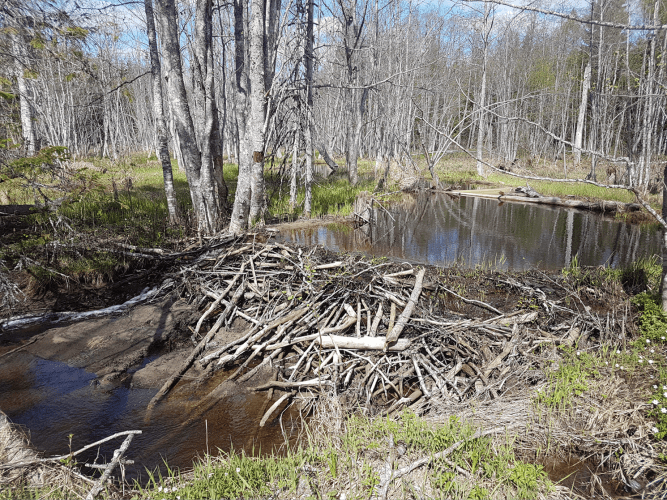
Diseases can also build up in the landscapes shaped by beaver reintroductions. Tularemia is a bacterial disease, often fatally affecting rabbits, hares, and rodents. It can also spread to humans through arthropod bites or contact with an infected animal.
Dr Ecke presented a study of tularemia found in hares at sites across Sweden. Her work shows that tularemia infections increase with the wetness of a landscape. Dr Ecke suggests that wetlands engineering by the activities of beavers could create a “perfect storm” for the emergence of tularemia in Swedish landscapes by creating conditions conducive for its build-up and transmission.
In other words, Dr Ecke argues, “when we restore wetlands, we might actually create risky habitats.” This risk is often highest in the first years of restoration, as animals such as rodents, ticks and mosquitos quickly recolonise a site. Dr Ecke highlights how, “these generalist species are often hyper-reservoirs which host a lot of different pathogens, and can act as vectors for rather nasty diseases.”
However, nature-based solutions could help mitigate disease risks in wetland restoration. “Predators are actually good for our health,” says Dr Ecke. She highlights the example of the Tengmalm’s (or Boreal) owl, which preys on rodents which are infected with pathogens such as the bacteria causing tularemia.
“This is really good news: predators are selectively removing animals which could make us as humans sick,” says Dr Ecke. Likewise birds such as swallows and swifts are excellent hunters of mosquitos. By encouraging bird populations which predate on rodents and mosquitos – for example through building nest boxes – rates of disease transmission could be reduced.
Dr Ecke argues that environmental managers must acknowledge the disease risks caused by wetland restoration, particularly in the initial years of implementation. However, she highlights the toolbox of approaches, such as predator reintroductions, which can help mitigate their public health risks.
In short, it is not enough to only focus on the ecosystem services fostered by ecological restoration, but also on managing the risky ‘disservices’ that may also emerge from a restored landscape.
+++
This article is supported by the MERLIN project.
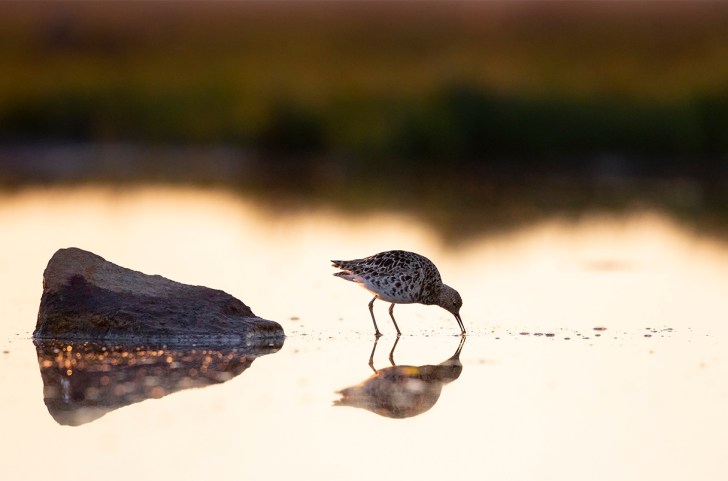
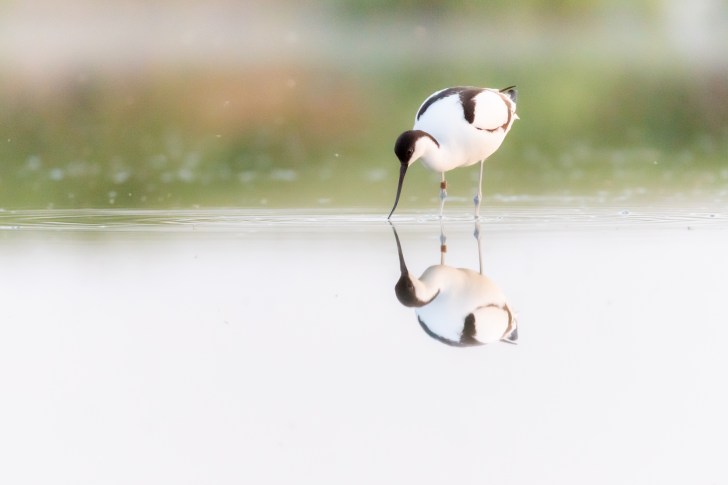
Protected areas have a ‘mixed impact’ on global waterbird populations, according to the largest ever global study of their effects.
The study, published this week in Nature, suggests that protected areas such as national parks are likely to be ineffective without appropriate species and habitat management. As a result, the quality of protected areas matters as much as their quantity for biodiversity conservation.
“We know that protected areas can prevent habitat loss, especially in terms of stopping deforestation,” said lead author Dr Hannah Wauchope, from the University of Exeter. “However, we have much less understanding of how protected areas help wildlife.
“Our study shows that, while many protected areas are working well, many others are failing to have a positive effect,” Dr Wauchope continued. “Rather than focussing solely on the total global area protected, we need more focus on ensuring areas are well-managed to benefit biodiversity.”
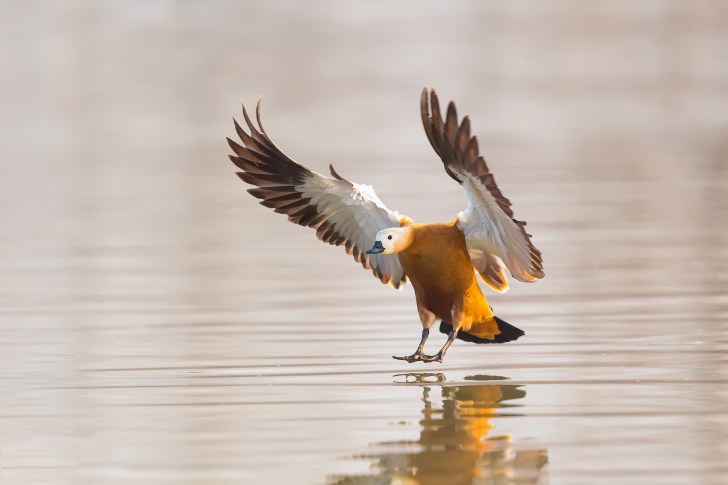
The study team examined the impact of 1,500 protected areas in 68 countries on more than 27,000 waterbird populations. They compared waterbird populations before protected areas were established with trends afterwards, alongside those of similar populations outside protected areas.
“We were interested in understanding the impact of protected areas, as there has been increasing concern that many are ‘paper parks’ – i.e. protected on paper and in legislation, but without then translating into tangible benefits for biodiversity,” said Dr Wauchope.
“We were disappointed, but not entirely surprised, to find that protected areas have had a mixed impact on waterbird populations, as obviously we would hope that, overall, impacts were positive. However, we found that areas actively managed for waterbirds were more likely to have a positive impact.”
Waterbird populations are vital parts of most freshwater ecosystems. They are also valuable to study because they can quickly colonise or abandon a site depending on habitat quality. As a result, the authors suggest that their study has important wider lessons for biodiversity conservation.
“These results are highly relevant for upcoming discussions about international conservation targets, soon to be agreed at the UN Convention on Biological Diversity,” stated Dr Wauchope.
“Currently, it’s looking like there will be agreement to set even more ambitious targets for the amount of land protected – such as 30×30 where 30% of the Earth is protected by 2030 – we are concerned that this will simply exacerbate the problem, creating more areas designated to meet a target that aren’t actually having an impact.”
The research team included Wetlands International and the universities of Bangor, Queensland, Copenhagen, and Cornell. Their wetland bird data was collected by thousands of volunteers across the world, through the Aubudon Christmas Bird Count and Wetlands International’s International Waterbird Census.
“We argue there need to be measurable targets for protected area impact, and more investment in the management and quality of protected areas; area based targets like 30×30 can’t be a distraction from this,” Dr Wauchope stated.
“We are not saying protected areas don’t work. The key point is that their impacts vary hugely, and the biggest thing this depends on is whether they are managed with species in mind – we can’t just expect protected areas to work without appropriate management,” Dr Wauchope said. “It also appears that larger protected areas tend to be better than smaller ones.”
+++

Last week, the MERLIN project held an all-partner meeting to discuss the progress made in the first six months of collaborative work.
MERLIN is a major environmental project which aims to mainstream freshwater restoration in Europe. Funded by the European Commission’s Horizon 2020 scheme, MERLIN will invest €10 million into restoring freshwater ecosystems across Europe in coming years.
Over 100 participants attended the virtual meeting over two days last week to hear talks from MERLIN Work Package leaders on project progress, and to take part in discussions on future plans.
In his introduction to the meeting, project leader Prof. Daniel Hering outlined some of the important steps already made in MERLIN. Prof. Hering described how discussions over monitoring the impact of freshwater restoration case studies have resulted in a MERLIN Monitoring Handbook. This document provides indicators for monitoring the outcomes of freshwater restoration, and how it can contribute towards EU Green Deal goals. The Handbook will be made available later this year to help support restoration practitioners.
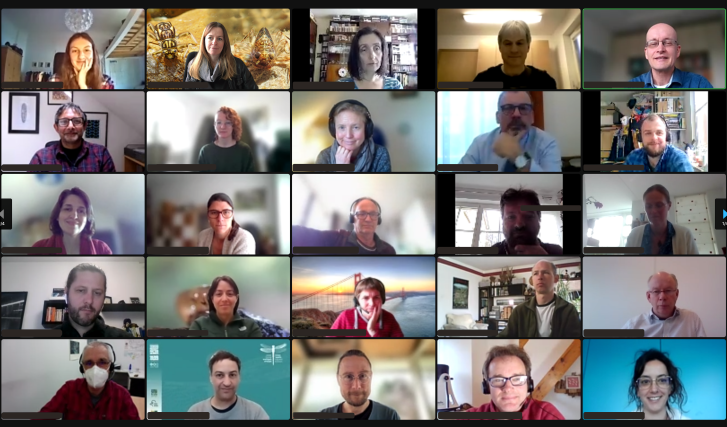
“Six months into the project, the meeting provided clarity on our approaches to achieving MERLIN’s ambitious objectives”, says MERLIN co-ordinator Dr. Sebastian Birk. “One key focus of the meeting was to exchange ideas on the monitoring plans that will be implemented in the 17 restoration cases.
“Here, it became increasingly clear how the different targets of the Green Deal are addressed: How can we best measure the re-wetting of peatlands? How do we guarantee the inclusion of interested citizens? Over the coming months, the MERLIN case studies will set up their monitoring of restoration impacts”, Dr. Birk explains.
Communication and dissemination of the project’s goals was another key theme of the first six months. Prof. Hering highlighted the success of the MERLIN webinars, which offer free monthly discussions of important topics around restoration science, management and policy.
Project partners have also produced a leaflet outlining how MERLIN aims to support freshwater restoration as a means of mainstreaming nature-based solutions for more sustainable European societies. You can read it here in English, Spanish, Basque, Finnish, Hungarian, Polish and Portuguese.

Highlighting the many benefits fostered by freshwater restoration is an important step in encouraging collaborations with multiple water users and stakeholders. Accordingly, MERLIN partners have held sector-specific round table meetings around issues such as drinking water supply and navigation.
“MERLIN has started dialogues with the insurance business and the navigation sector”, says Dr. Birk. “The first insights about co-benefits for nature and economy were shared during the project meeting.”
Work within MERLIN continues apace: you can keep up to date on the project website and social media.
+++
This article is supported by the MERLIN project.
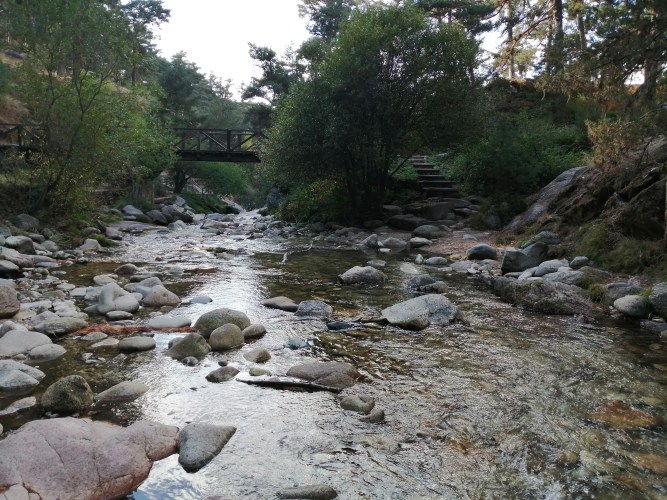
In recent years, scientists have increasingly shown how freshwater ecosystems are impacted by a range of human-caused stresses, which can significantly affect their health and biodiversity.
As a result, research into the interactions and impacts of so-called ‘multiple stressors’ has blossomed, both in Europe and globally. Now, a newly-published paper shows that the ecological degradation of Iberian freshwaters is largely caused by the impacts of two or more combined stressors.
The study authors reviewed 61 scientific articles exploring the effects of different stressor combinations on freshwater ecosystems and organisms from the Iberian Peninsula. The research team, led by Dr. Cayetano Gutiérrez-Cánovas (Doñana Biological Station-CSIC, Spain) and Dr. Susana Pallarés (University of Seville, Spain), collaborated with scientists from 11 Iberian and international institutions.
Writing in Limnetica, the authors found that the key stressors in Iberian Peninsula freshwaters are nutrient enrichment, toxic substances such as pesticides, salinity, ultraviolet radiation, flow reduction and warming.
The team also observed a high variability of stressor effects across different types of organisms, freshwater ecosystems and experimental approaches. For example, manipulative studies tended to find a higher prevalence of interactive effects for some organism groups, compared with observational studies. Such interactions arise from complex situations where the combined effect of different stressors is not equal to the sum of their individual effects.
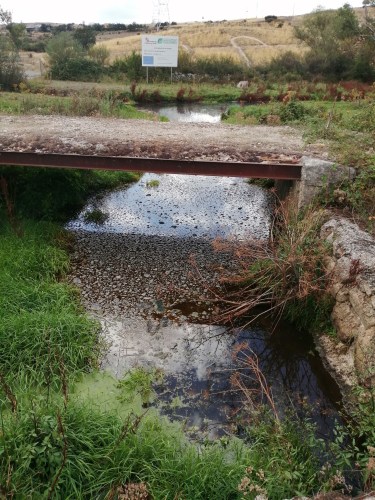
“Our work highlights the need to consider the multiple impacts driving freshwater degradation in management and restoration actions,” says Cayetano Gutiérrez-Cánovas. “This work in the Iberian Peninsula demonstrates that the traditional single stressor perspective would be effective only in a minority of cases. And, more importantly, this situation could be applicable to other European areas, where 39% of EU water bodies are affected by two or more anthropogenic pressures,” continues Susana Pallarés.
The Iberian Peninsula is one of the most important global biodiversity hotspots, and supports a rich variety of climates and freshwater habitats. However, the ongoing climatic aridification in the area, combined with growing water demands for food production and urban areas, exerts increasing pressure on Iberian aquatic ecosystems.
To tackle this multiple stressor scenario, the study authors suggest the need to implement mitigation actions that consider climate change along with other impacts, including nutrient enrichment, hydromorphological alteration and invasive species.
The scientific team also identified research gaps to be addressed in future investigations. Among them, the authors suggest increasing research efforts on some aquatic ecosystems – such as lakes, lagoons and wetlands – and organisms that have not been studied in sufficient detail, such as algae and aquatic vegetation. They also propose more observational studies to address multiple stressor effects on natural freshwaters.
In addition, the authors suggest that the ongoing multiple stressor research agenda should include a more detailed investigation on the consequences of biodiversity loss for the ecosystem functioning and services provided by aquatic environments in a global change context, where several impacts often act simultaneously.
+++
A new open letter from the World Wide Fund For Nature (WWF) calls for freshwater biodiversity to be better recognised in international environmental policy. Released this week, the open letter asks policy makers at the upcoming UN Biodiversity Conference in Kunming, China – held between 25 April – 8 May 2022 – to strengthen protections for global freshwaters.
“The Convention on Biological Diversity (CBD) Open Ended Working Group is currently underway in Geneva to discuss a new global framework for nature,” says Eva Hernández Herrero, WWF Living European Rivers Initiative Lead. “Despite the evidence of the steep decrease of freshwater biodiversity – which is 2–3 times worse than that of land or marine habitats – freshwater habitats keep on being obviated in the text proposals and relegated to a footnote.
“It is proven that conservation strategies focused on land don’t render the results rivers and wetlands need. Conserving a wetland does not only need land protection, for example, but also appropriate water management. And it is clear that freshwater habitats matter as much to people and climate as they do to nature, and they can help in building a bridge for the health of the planet.
“With this Open Letter we want to ask for a simple but significant change in all the texts of the upcoming Kunming agreement: that we start talking about land, freshwater and oceans. Let’s not allow the source of life to vanish,” Hernández Herrero states.
You can read the open letter below, and add your name to it on the WWF website.
+++
Failure to elevate freshwater to the same priority as ‘land and ocean’ would be a fatal flaw in the new global framework for nature
We (the undersigned) are growing increasingly concerned about the fate of freshwater biodiversity in the new global framework for nature under the Convention on Biological Diversity (CBD). Despite evidence showing that freshwater habitats are experiencing 2-3 times the rate of biodiversity loss of terrestrial and marine habitats, current discussions and the draft CBD text still focus primarily on ‘land and ocean’ and relegate freshwater – once again – to the status of a subset of terrestrial ecosystems.
We fear that unless freshwater is elevated to the same status as ‘land and ocean’, the new CBD framework to be agreed in Kunming will suffer from the same structural weakness that undermined the Aichi agreement. By treating freshwater biodiversity as second class biodiversity, Aichi contributed to the ongoing marginalization – and dramatic loss – of freshwater species and ecosystems, which is having such a devastating impact on people, nature and climate.
This is despite the overwhelmingly large role that fresh waters play in supporting life on earth. Fresh waters cover less than 1% of the earth’s surface, yet rivers, lakes and freshwater wetlands are home to 10% of all species, including more than half of all fish species. But freshwater species populations have declined by 84% on average since 1970 and one third are now threatened with extinction.
If we are to change the status quo and reverse the downward trajectory for freshwater biodiversity – and for biodiversity in general – fresh waters must be a conservation priority. The new global framework for nature must elevate freshwater habitats as a unique ‘domain’ that merits co-equal status with ‘land and ocean’. It is time to ensure that freshwater biodiversity is no longer invisible and overlooked, but rather explicitly recognized, valued and protected.
1. Imagine if Aichi had focussed solely on ‘rivers and reefs’, what would have been the impact on the world’s rainforests?
Slowing deforestation has proved incredibly difficult despite tropical forests being a central focus of global science, conservation and environmental agreements. Now imagine if Aichi had not talked about ‘land’ at all but had specified ‘rivers and reefs’ with rainforests merely as an asterisked footnote (* rainforests are under rivers), governments would have had even less incentive to act to rein in deforestation or to save forest species. Instead, they would have devoted their time to rivers and reefs, sacrificing terrestrial biodiversity as they focused their efforts on the freshwater and marine biomes.
The reality is that the world’s efforts to halt and then reverse the loss of biodiversity have been undermined by a similarly blinkered approach that prioritizes only ‘land and sea’. This approach has been (inadvertently) promoted by scientists and conservationists – two groups that are overwhelmingly dominated by experts in terrestrial biodiversity – and who have incorrectly assumed that safeguarding land areas automatically conserves the rivers that flow through them or the lakes that lie within them. Unsurprisingly, this scientific-conservationist consensus has been endorsed by governments and global agreements – so that it is now second nature for people to refer to ‘land and sea’ as if there are no rivers connecting the two. But the world is interconnected. We cannot halt the loss of nature, let alone restore it, unless we prioritize all three biomes – land, freshwater and sea.
Leaving ‘freshwater’ out of the main text and relegating it to a footnote – as some parties have suggested – because it will simplify the final framework is incredibly shortsighted. It omits explicit consideration of the distinct character and status of freshwater habitats. The new global framework for nature must give them equal status. Ensuring that the agreement talks about “land, freshwater, and sea” is a simple, straightforward and significant initial step to elevate rivers, lakes, and freshwater wetlands to a status equal to terrestrial and marine domains.
2. Stop lumping rivers, lake and freshwater wetlands in with ‘protected land areas’, it results in poor outcomes for biodiversity
The new global framework for nature can finally end the tried-and-failed approach of tethering progress on the protection of freshwater ecosystems, particularly rivers, to progress on land. Freshwater habitats are highly dynamic, with hydrological connectivity (i.e., flow, sediments, and nutrients) being critical to their functioning. They have distinctive management needs that recognise and protect the crucial roles of flow, connectivity, and related ecological processes for sustaining freshwater species and habitats. Failure to recognise these distinctive needs has led to the ongoing underrepresentation of freshwater aquatic habitats – especially large, biodiverse rivers – in reserve networks and frequent failures to protect freshwater biodiversity.
Recent evidence showed that prioritizations based solely on terrestrial needs yielded just 22% of the freshwater biodiversity benefits yielded by freshwater conservation actions. The Kunming agreement can start to rectify this – transforming the global approach to freshwater conservation so that it benefits people, freshwater biodiversity and all the world’s interconnected ecosystems.
3. Protecting more of the planet is only part of the picture: reversing the loss of freshwater biodiversity requires a transformation in the way we manage the world’s working waters
Expanding protected areas and other effective area-based conservation measures is a key part of the solution to nature loss. But it is only part of the solution. The critical target for freshwater biodiversity is actually not area based: it is the percentage of working rivers and lakes that are sustainably managed. Working rivers and lakes are essential to societies and economies for drinking water, irrigation, energy, fisheries, transport and waste. We cannot ‘protect’ them but we can ‘use them wisely’ – as the Ramsar Convention on Wetlands states – for the benefit of people and freshwater biodiversity. The new global framework for nature must enshrine measures to ‘wisely use’ the world’s working waters – from restoring connectivity to implementing science-based environmental flows and the other pillars of the Sustainable Freshwater Transition in the 5th Global Biodiversity Outlook.
4. Freshwater Matters… for people, nature and climate
Prioritizing freshwater in the new global framework is not just essential for national and global efforts to tackle the nature crisis, but also for national and global efforts to address the climate crisis and achieve the Sustainable Development Goals.
As the CBD Executive Secretary, Elizabeth Maruma Mrema, made crystal clear in a powerful video produced by UN Water:
“The fifth Global Biodiversity Outlook outlines a sustainable freshwater transition to reverse biodiversity loss and its impact on freshwater ecosystems, species, and services. This transition recognizes the importance of biodiversity in maintaining the multiple roles of freshwater ecosystems to support human societies and natural processes, including linkages with terrestrial, coastal, and marine environments.
The post-2020 global biodiversity framework can help bend the curve of biodiversity loss by ensuring that freshwater ecosystems are protected, conserved, and wisely used; not only for our generation, but for generations to come.”
Conclusion – A stool with only two legs will never stand up
The new global framework for nature will fail to reverse the loss of nature if it focuses on ‘land and ocean’ – it would be like designing a stool with only two legs. The speed at which freshwater habitats, flora, and fauna globally are being degraded and destroyed necessitates concerted and widespread remedial action. This will only happen if the new CBD framework – and consequent national policies and action plans as well as financial investments and instruments – elevates the biodiversity of rivers, lakes, and freshwater wetlands to the same priority as forests and oceans.
We call on governments to ensure that the new global framework works for people and nature by prioritizing measures to safeguard freshwater biodiversity:
- Enshrine ‘land, freshwater and sea’ throughout the post-2020 Global Biodiversity Framework, replacing all blinkered references to ‘land and sea’:
- Incorporate a clear call to protect and restore connectivity, which is central to the health of rivers and other freshwater ecosystems and biodiversity
- Incorporate targets linked to the pillars of the Sustainable Freshwater Transition as outlined in the CBD’s 5th Global Biodiversity Outlook:
- Protect and restore critical habitats;
- Integrate environmental flows into water management policy and practice;
- Combat pollution and improve water quality;
- Prevent overexploitation of freshwater species and resources; and
- Prevent and control alien invasive species.
Add your name to the open letter on the WWF website.
+++
This article is supported by the MERLIN project.

Ecological restoration is a key part of modern environmental management: often seeking not only to bring degraded ecosystems back to life, but also to help create landscapes that are resilient to future climatic changes. As a result, restoration projects are being implemented all over the world, and the United Nations have designated this the ‘Decade on Ecosystem Restoration’.
Restoration is rarely a straightforward process: its ecological trajectories can be slow and uncertain, and often require the collaboration of numerous different people and organisations across a landscape. As a result, there is real value in finding out about how successful restoration projects have been planned and carried out.
Wild Haweswater is one such project. Located in the Lake District National Park in north-west England, the restoration of the Haweswater valley has been carried out alongside traditional hill farming, as a means of benefiting biodiversity, water and local communities. We spoke to Lee Schofield, RSPB Site Manager at Haweswater, to find out more.
+++
The Freshwater Blog: What is the overall aim of the Wild Haweswater project? Why is it important to undertake restoration work here, and how would you like the landscape to take shape in the future?
Lee Schofield: At Haweswater, the RSPB work in partnership with landowner United Utilities to manage about a third Haweswater Reservoir’s 10,000ha catchment, in order to benefit water, wildlife and people. The RSPB are tenants of two hill farms, Naddle and Swindale, on the eastern side of the reservoir, which extend to around 750ha. Associated with the farms are common grazing rights across a further 2,000ha. This land is a mosaic of woodlands, scrub, bogs, heaths, grassland, crags, meadows, tarns and rivers. Our focus is on restoring these habitats, many of which have been negatively impacted by grazing, drainage and other human activity over the course of centuries.
Although some of what we are doing could be described as rewilding, we also have a farming operation, involving sheep and cattle. Our aim is to try to demonstrate that sustainable farming, in keeping with the Lake District’s farming traditions, can be integrated with landscape scale ecological restoration. We have developed a vision for what we hope the land we are looking after will look like in the future, which is described in this short film.
Tell us about the ‘rewiggling’ of Swindale Beck: how important is this work to the overall Wild Haweswater project, and what benefits do you hope it will bring?
When we took on the farm tenancies in 2012 the beck as it flowed through Swindale stood out as a feature of the landscape that was badly in need of repair. Straightened at least 200 years ago in order to protect the valley’s hay meadows, its straightened, leveed course through which water flowed rapidly had stripped the bed of gravels suitable for spawning salmon. There were no trees along the beck’s banks. The levees, which were the result of generations of dredging, prevented water flowing back into the channel after flooding, resulting in stagnant pools sitting on the floodplain, impacting on both the botanical and agricultural value of the meadows.
In 2016, working in partnership with United Utilities, The Environment Agency and Natural England, a more natural course for the beck was returned. A meandering route, designed by geomorphologists based on a digital terrain model was excavated, exposing river gravels buried below. As soon as water was diverted into this new course, gravel bars, riffles, deep pools and fast running shallows began to form, all features which were missing from the straightened channel. Some sections were fenced out and trees planted alongside to provide shade. Other sections, which flow through a SSSI hay meadow, have had willow stakes pushed into the banks.
Within three months of the work being completed, salmon were observed spawning in the beck again, thanks to the improved quality of the substrate. The restored beck is 180m longer than the straightened course thanks to its meanders. It is better connected to the floodplain thanks to the removal of the levees, so contributes to reducing flood risk for people living downstream. This short film summaries the work done to the beck and in the wider valley.
How does your river restoration work interact with the wider landscape? How does the restoration affect other users of the valley?
The restoration is one element of wider restoration, including extensive blanket bog restoration in the upper catchment, tree planting and hay meadow restoration. We are the farmers in the valley, so it doesn’t have any impact on others. Although the restoration could be described as rewilding, much of it flows through traditionally managed hay meadows, which we crop to feed our livestock through the winter. It is powerful demonstration of how ecological restoration can be integrated with sustainable farming.
What balances do you strike in your work between guiding the restoration of habitat and ecosystem processes, and ‘letting the ecosystem go’ along new trajectories?
Most upland ecosystems in the UK have suffered so greatly over time that they are missing vital cogs that enable them to function. There is often limited seed source, so planting is often required in order to get a seed source re-established. In the longer run, if the grazing management is right, then this should allow subsequent natural regeneration.
Even when domestic livestock numbers and reduced to more naturalistic levels, deer can often have a major impact, preventing habitat restoration, woodland and scrub in particular. Our focus at Haweswater all about trying to re-establish the natural processes that will allow habitats to recover with less intervention in the longer term, but there’s a lot of work involved before we’ll get to that point.
What other restoration projects have inspired you at Wild Haweswater? And what key lessons would you pass on to other restoration practitioners seeking to carry out similar work?
Wild Ennerdale is a big inspiration, particularly their focus on natural processes and their use of extensive cattle grazing as a management tool. Carrifran Wildwood is fantastic too. They have completely transformed a valley from an open, heavily grazed state to a wonderful mosaic of woodland and flower rich upland grassland. Both of these projects have resulted from the meeting of minds of visionary people with shared energy and enthusiasm. They demonstrate how much good can be done for nature when we collaborate.
+++
Lee Schofield has recently published a book reflecting on the restoration work at Wild Haweswater. “Wild Fell: Fighting for nature on a Lake District hill farm” is out now.

Human-induced climate change is causing significant disruption to global ecosystems and the lives of billions of people who depend on them, according to the latest Intergovernmental Panel on Climate Change (IPCC) Working Group Report, released this week.
“This report is a dire warning about the consequences of inaction,” says Hoesung Lee, Chair of the IPCC. “It shows that climate change is a grave and mounting threat to our wellbeing and a healthy planet. Our actions today will shape how people adapt and nature responds to increasing climate risks.”
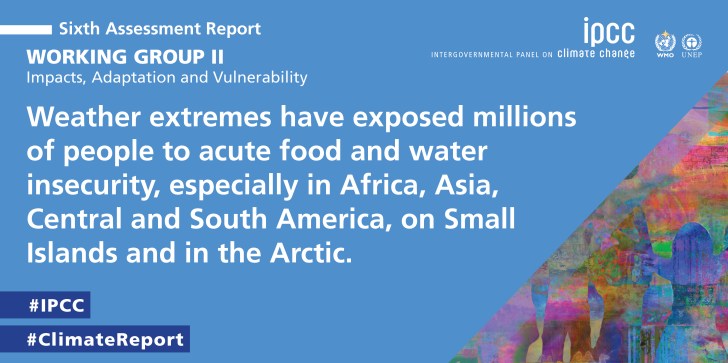
Titled “Climate Change 2022: Impacts, Adaptation and Vulnerability“, the Working Group Report states that the world faces multiple unavoidable climate hazards in the coming two decades under projected global temperature rises of 1.5°C. It highlights the increasing frequency and magnitude of extreme weather events such as heatwaves, floods and droughts that are placing species at risk of extinction and exposing millions of people to water and food insecurity.
The report – the second installment of the IPCC’s Sixth Assessment Report (AR6), which will be completed this year – highlights the need for rapid, deep cuts in global greenhouse gas emissions, coupled with local adaptation and mitigation measures.
“This report recognises the interdependence of climate, biodiversity and people and integrates natural, social and economic sciences more strongly than earlier IPCC assessments,” says Hoesung Lee. “It emphasises the urgency of immediate and more ambitious action to address climate risks. Half measures are no longer an option.”
The Working Group Report suggests that assessments of climate change impacts on freshwater systems have been limited in previous reports. As a result, this report devotes significant space to assessing how freshwater systems are responding to ongoing climate change, and the potential opportunities for mitigation and adaptation. These assessments build on reviews of cutting-edge freshwater science and management, from which six key themes are highlighted here.
Climate change is already significantly altering global freshwater ecosystems
The report states that strong and consistent global trends show that ongoing changes to the health of freshwater ecosystems can be attributed to climate change. It outlines that trends in freshwater species populations are strongly related to changes in the physical environment. It states that water temperature has broadly increased in lakes and rivers globally in recent years, whilst ice cover extent has declined in polar regions. Moreover, changes to river flows have reduced connectivity of habitats across many catchments, with more than half of global rivers undergoing periodic drying. Further, decreases in dissolved oxygen concentrations and changes to water mixing in freshwaters have also been widely observed.
All of these climate-caused habitat changes are increasingly putting freshwater species at risk. The report states that climate-driven population extinctions have been higher in freshwater ecosystems than in their marine and terrestrial counterparts in recent years. Ongoing climate change increases the risk of such extinctions: the report suggests that extreme 5°C warming would likely put 60% of terrestrial and freshwater species at risk of extinction.

Floods and droughts: the impacts of extreme events
Climate change is causing increased extreme weather events, including storms, heavy rainfall, heat waves and droughts, the report states. Whilst the impacts of such events on freshwater ecosystems can be significant – such as heat wave fish kills – their consequences on ecological functioning are not always well understood. For example, whilst extreme floods cause massive habitat disturbances, moderate floods can help cycle nutrients and sediment through a river system. Given their increasing frequency and magnitude, the report states that understanding how the impacts of extreme floods and droughts cascade through freshwater ecosystems is a key area for future research.
Corridors and connectivity: species migrations and climate change
The report highlights how some freshwater species, particularly fish, are migrating in poleward directions due to warming climates across North America, Europe and Central Asia. This means that in some areas warm-water fish species are displacing cool-water species, which in turn seek cooler upstream habitats at higher altitudes. However, such cool-water species risk local extinction if migration to suitable refuge habitat is impossible. These processes highlight the importance of environmental management which prioritises connectivity across watersheds, creating freshwater corridors which allow species to move with climate shifts.
Climate change effects on humans and freshwaters
Freshwaters provide an array of benefits and services to human communities, which may be limited by climate change, the report suggests. In particular, it highlights the potential effects of floods, droughts and ice melt on the quality and quantity of drinking water. Floods can contaminate drinking water supplies with pollutants, whilst droughts can reduce its availability. The report also highlights the risks to freshwater fisheries posed by climate-induced processes of eutrophication and ice melt.
Feedback loops: freshwaters as a source of greenhouse gas emissions
The report highlights how in recent years freshwater ecosystems have been increasingly recognised as an important source of greenhouse gas emissions into the atmosphere. Emissions of carbon dioxide and methane can occur from warming, eutrophic lakes, and from exposed sediments during droughts. This flags the potential for climate change-altered freshwaters to become additional sources of atmospheric greenhouse gases, thus strengthening climate feedback loops.
Nature-based solutions for climate adaption and mitigation
The Working Group Report outlines the importance of management and policy interventions focused on climate change adaptation and mitigation. Beyond pressing goals of reducing global greenhouse gas emissions, one key area highlighted is the potential of nature-based solutions. As introduced here, nature-based solutions aim to harness the potential of natural processes to help tackle socio-environmental challenges such as climate change.
“Healthy ecosystems are more resilient to climate change and provide life-critical services such as food and clean water,” says IPCC Working Group II Co-Chair Hans-Otto Pörtner. “By restoring degraded ecosystems and effectively and equitably conserving 30 to 50 per cent of Earth’s land, freshwater and ocean habitats, society can benefit from nature’s capacity to absorb and store carbon, and we can accelerate progress towards sustainable development, but adequate finance and political support are essential.”
The report highlights the potential of peatland restoration and rewetting in boosting carbon storage and benefiting freshwater biodiversity. Similarly, it highlights the role of catchment restoration around urban areas as a means of improving natural water filtration and buffering floodwaters.
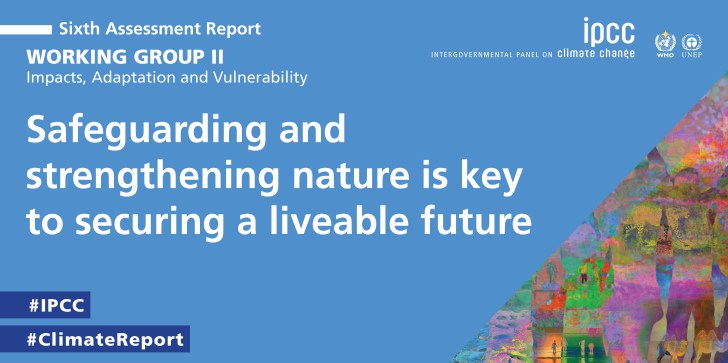
More broadly, the report states a clear urgency in limiting warming through concerted and equitable climate action. “The scientific evidence is unequivocal: climate change is a threat to human wellbeing and the health of the planet. Any further delay in concerted global action will miss a brief and rapidly closing window to secure a liveable future,” states Hans-Otto Pörtner.
+++
This article is supported by the MERLIN project.
Going Against the Flow: documentary investigations into EU water law

European law stipulates that EU Member States should aim to achieve good ‘status’ for all their surface and groundwater bodies. This goal is addressed largely through the Water Framework Directive, which guides environmental managers to monitor both ecological and chemical status in their national water bodies.
However, EU water bodies are not in good shape: according to the most recent assessment only around 40% of rivers, lakes and estuarine waters achieve good ecological status, and only 38% reach good chemical status. This is the result of shortcomings in environmental law, according to French investigative journalist Nicolas Barbier.
“In Europe, water quality in our rivers and groundwater, as well as the evolution of water law, tell us almost everything about our economic and political systems, about our relationships with our environment and others,” says Barbier. “We can simply look at water and its law to understand where we are as human communities.”
Barbier has investigated the factors shaping EU water quality since 2017, and has recently produced two documentaries titled Going Against The Flow to discuss his findings. “Today, the quality of water and aquatic ecosystems tends to take a back seat compared with climate change issues, not only in the press, but also in terms of EU, State and regional investments and policies,” Barbier says. “Yet, about 60% of all EU surface water bodies do not reach good chemical and ecological statuses. So we are clearly facing a real problem of lack of care for both water quality and aquatic ecosystems.”
One key motivation behind Barbier’s work is to critically communicate the wealth of European freshwater data available to the public. “There is tons of information on the state of Europe’s freshwaters available on the web,” he says. “Generally speaking though, the EU, EU member States, universities and scientific journals could do a better job to make it more accessible to the public. For example, most of the European Environment Agency’s publications and scientific articles aren’t attractive to the general population because they are too broad or too specific, too boring or because they lack clear, coherent and honest syntheses.”
The Going Against the Flow films form part of an ongoing series. “Their main purpose is to demonstrate how critical current water law is in the sad state of most of our European water bodies,” says Barbier. In the films, Barbier highlights a series of legal ‘loopholes’ which restrict the effectiveness of the implementation of the Water Framework Directive. For example, he notes how evaluations of chemical pollution are restricted to the concentrations of 53 substances, despite the potential presence and mixing of thousands of chemical pollutants.
“The film series addresses all these legal loopholes,” says Barbier, who has a PhD in geography. “It addresses them in depth so that people understand that the content of the law is the main problem that contributes to the poor state of most European water bodies.”
Barbier’s film series is not only educational, it is intended to inspire positive environmental action. “In the EU, there is very little incentive in universities for students in environmental sciences, environmental and legal studies to think about ways to improve EU laws and policies related to the quality of water and aquatic ecosystems,” he states. “How do you change a law that needs to be changed if the youth has very little opportunity to be creative about these critical issues? I would like this docuseries to participate in the recognition that we need students and other people to put forward ideas and solutions to change EU water laws.”
The Going Against the Flow films are both provocative and instructive: they prompt multiple questions about the effectiveness of EU laws in protecting European freshwaters. Moreover, their use of aerial footage of European freshwaters is useful in visualising the different categories of water bodies, such as ‘heavily modified’ or ‘artificial’, used by environmental managers.
You can keep up to date with forthcoming Going Against the Flow films here.










 The Freshwater Blog