Asterix the insect: the caddisfly in a knockout contest
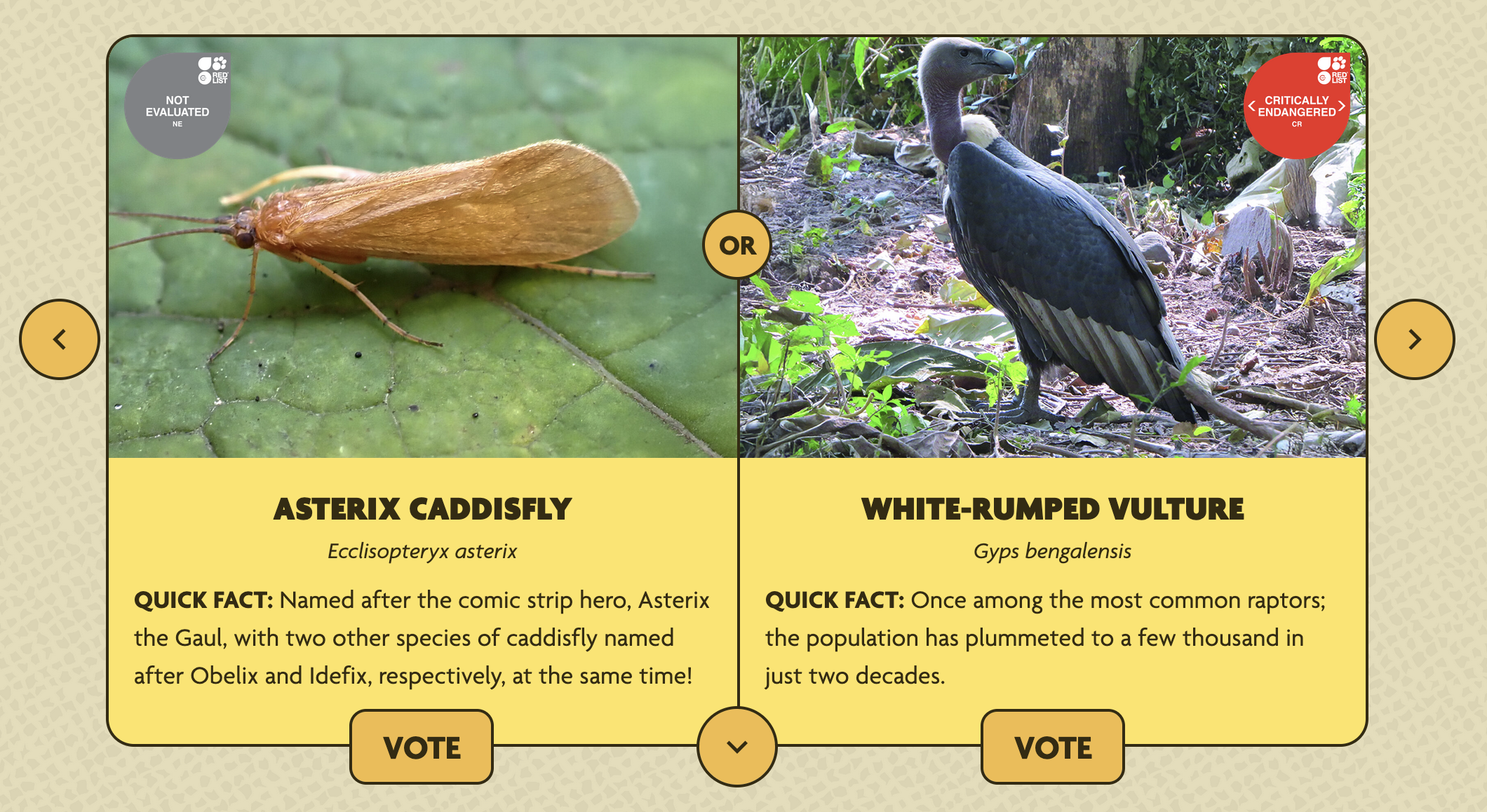
A small, easily overlooked insect from the Austrian Alps has found itself in an unlikely global contest this week.
The Asterix caddisfly (Ecclisopteryx asterix) has been selected as one of 64 species competing in the Indianapolis Zoo’s Uproar Conservation Challenge, an online vote where the public decides which species advances, round by round. The knockout tournament format means that each win brings both attention and funding to the species.
At first glance, the idea of pitching a freshwater insect against more charismatic contenders may seem a little lopsided. Caddisflies are not obvious crowd-pullers. They are small, often cryptic, and spend much of their lives underwater. But their ecological importance far outweighs their profile.
Caddisflies are a keystone of freshwater ecosystems. Their larvae help break down organic matter, recycling nutrients through rivers and streams. They are also a vital food source for many fish and birds, and are widely used by scientists as indicators of water quality. Where caddisflies thrive, clean, well-functioning freshwater systems usually follow.
The Asterix caddisfly itself is particularly specialised. It is found only in a handful of spring-fed streams in the southern Austrian Alps, making it highly vulnerable to disturbance. Like many alpine freshwater species, it depends on cold, clean and consistently-flowing water. Increasing pressure from water abstraction and damage to spring habitats threatens to disrupt those conditions.
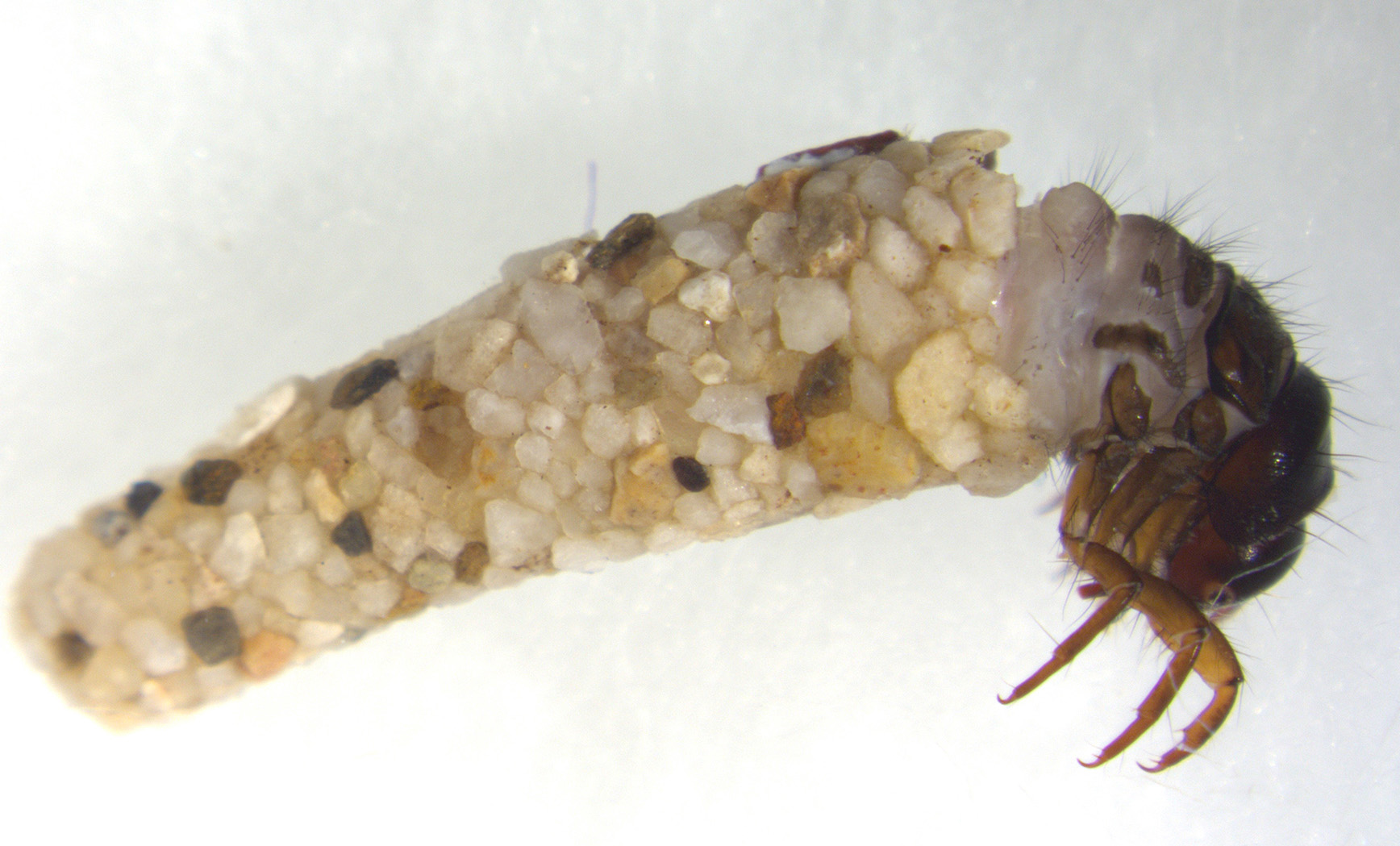
There is still relatively little known about the species. Described only recently, it belongs to a small group of closely related caddisflies named after comic strip hero Asterix the Gaul and his companions. What we do know suggests a species with a narrow geographical range and specific habitat needs, which is often a warning sign in a changing climate.
This is where the challenge comes in. The Uproar Conservation Challenge, which opened for voting yesterday (16th March), will run over five rounds. Species are paired head-to-head, with only one progressing from each matchup. The further a species advances, the more conservation funding its supporting group receives – up to $10,000 for the overall winner.
For lesser-known freshwater species, this kind of visibility is rare. Conservation funding and public attention tend to gravitate towards larger, more familiar animals. Insects, despite underpinning entire ecosystems, are often left out of the conversation.
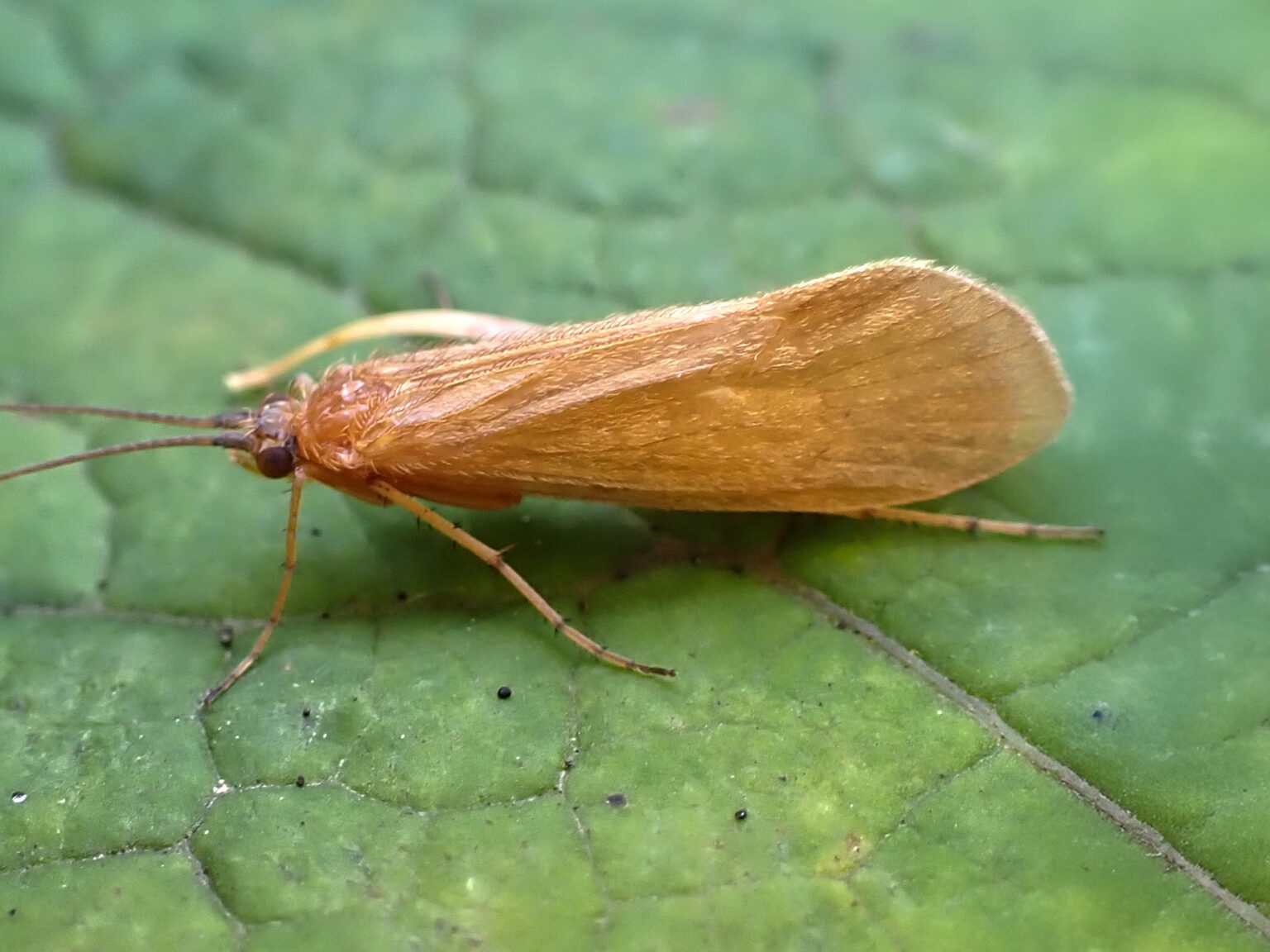
If the Asterix caddisfly is to stand a chance, it will need the support of the global freshwater community. Voting is open online, with each round lasting just a few days. In the first round, the species appears in pair 18.
The Asterix caddisfly may not have the obvious appeal of larger wildlife. But its story is a familiar one: a specialist species, confined to a shrinking habitat, quietly signalling the health of the environment around it.
Each vote for this remarkable insect represents a moment of recognition for freshwater biodiversity – a reminder that the health of rivers and streams depends on complex and beautiful webs of life which are often hidden out of sight.










 The Freshwater Blog
Comments are closed.