Saving Europe’s freshwaters means scaling up restoration – and how we pay for it
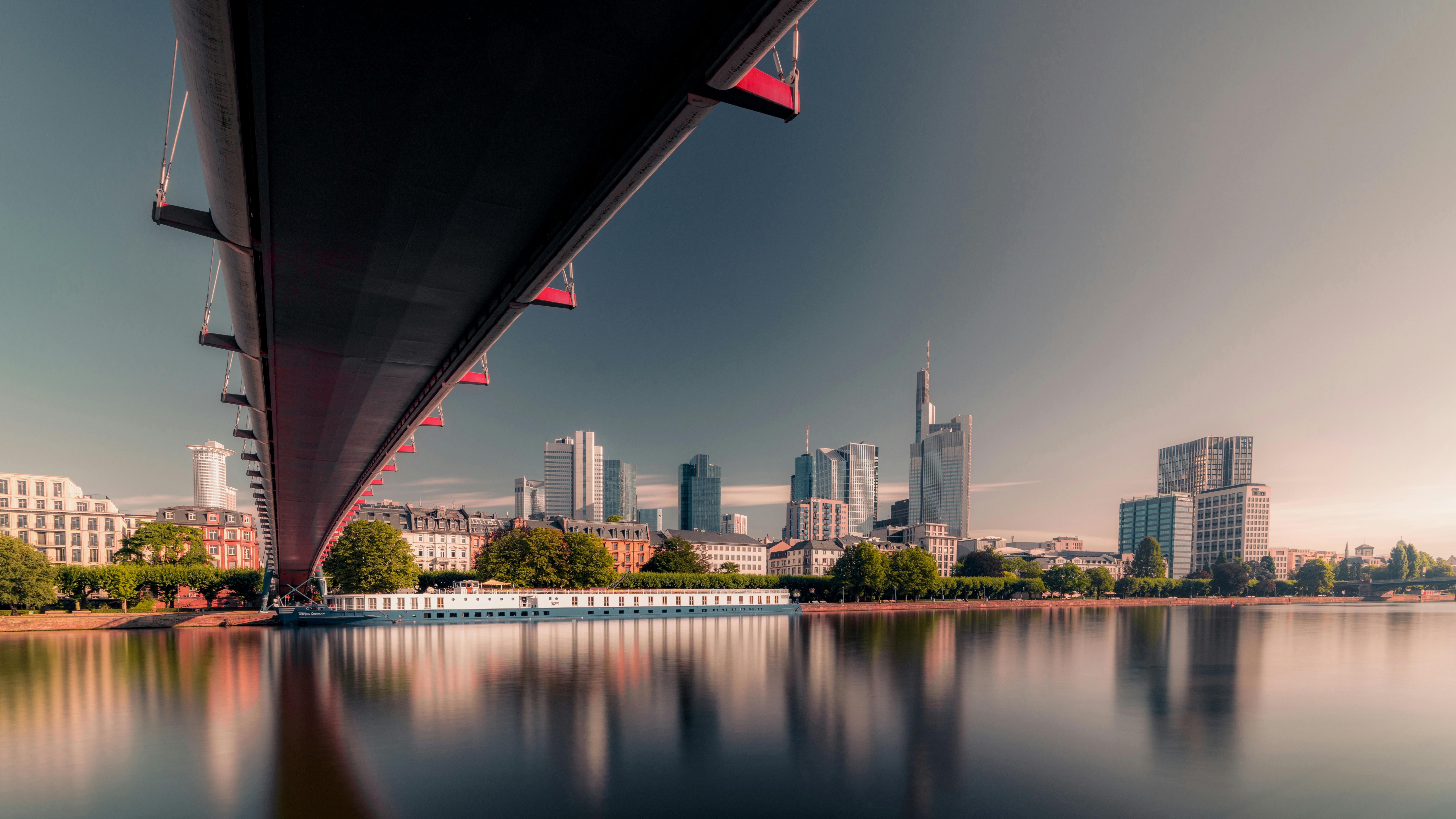
Across Europe, rivers, wetlands and floodplains have been quietly pushed to the brink. Straightened, dammed, drained and polluted, freshwater ecosystems are now among the most degraded environments on the continent. Yet a growing movement of scientists, policymakers and financiers argues that restoring them is not just an environmental necessity, it is an economic and social one too.
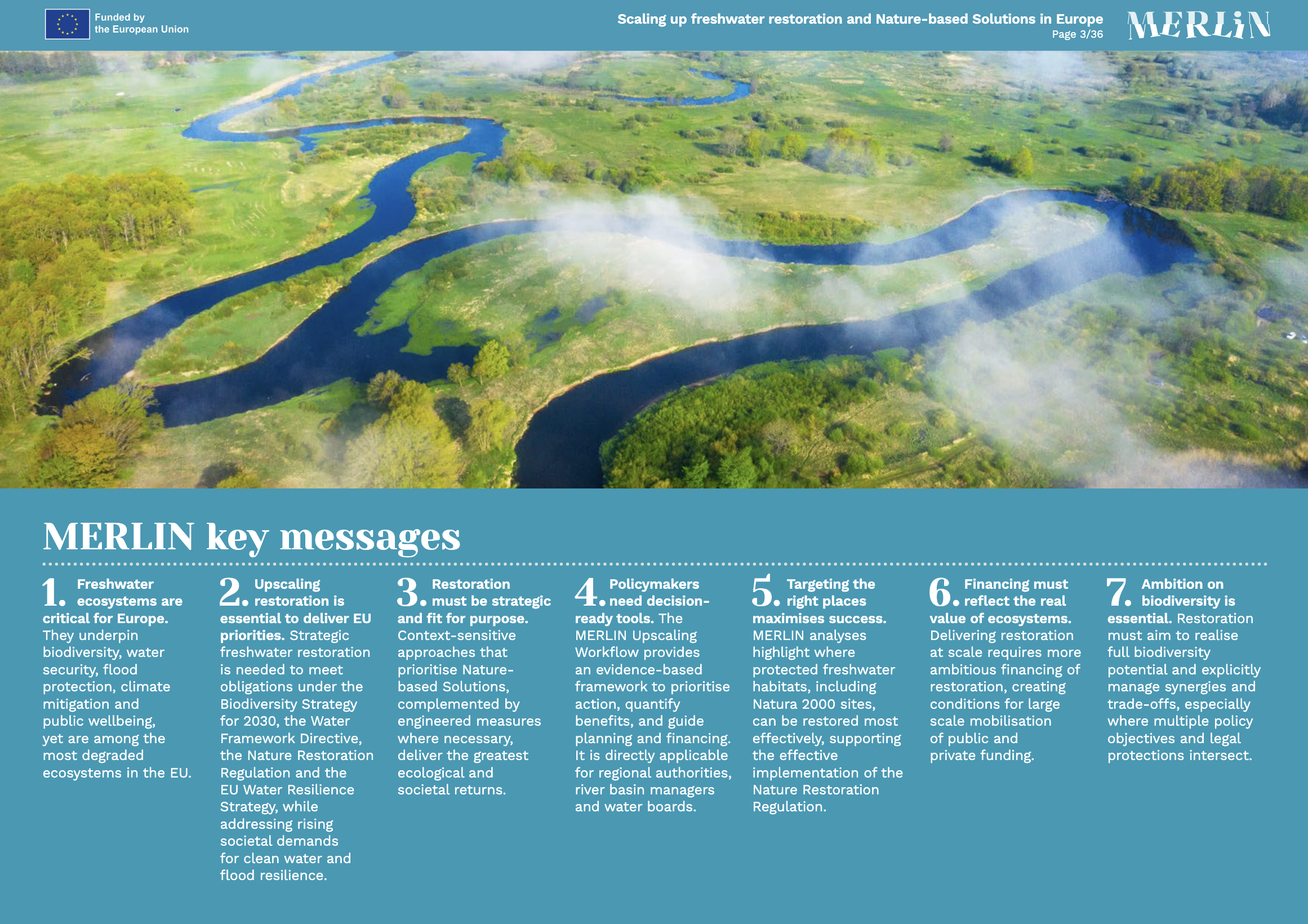
Two recent publications from the EU MERLIN project set out an ambitious vision: to scale up freshwater restoration across Europe and unlock the funding needed to make it happen. Together, they offer a glimpse of what a continent-wide transformation might look like, and the formidable barriers that stand in the way.
From scattered projects to continent-wide change
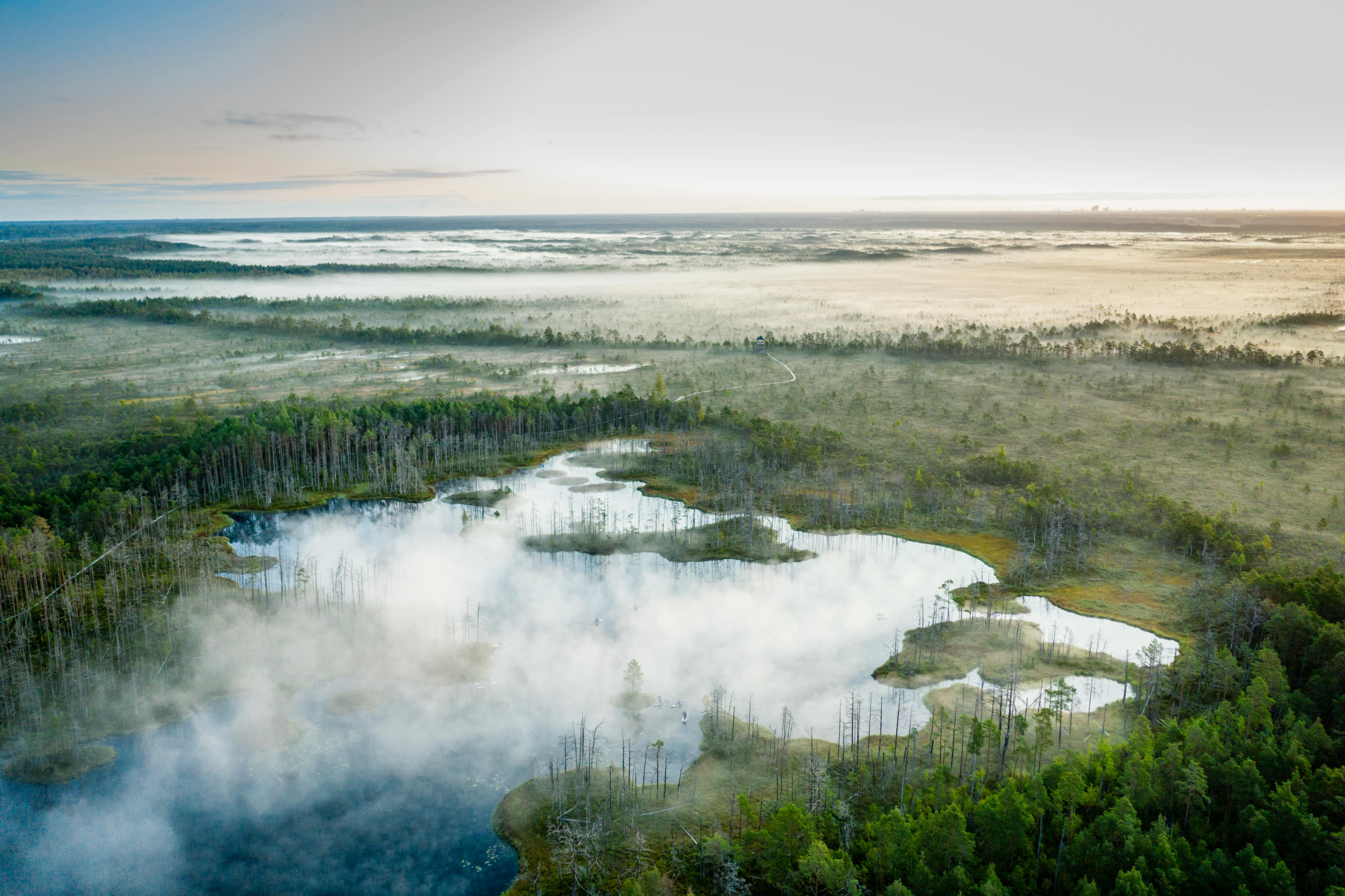
For decades, freshwater restoration in Europe has largely taken place in isolated pockets: a re-meandered stream here, a wetland revived there. While valuable, these projects have been too small and fragmented to reverse widespread ecological decline.
The new MERLIN European Scalability Plan argues that this approach is no longer sufficient. If Europe is to meet its environmental commitments – including biodiversity targets and water quality goals – restoration must happen at a fundamentally different scale.
That means moving beyond one-off projects towards coordinated, strategic interventions across entire river basins. It also requires integrating restoration into sectors where it has often been overlooked, such as agriculture, urban planning and infrastructure development.
The report calls for a shift in mindset: restoration should not be treated as a niche environmental activity, but as core public infrastructure which is as essential, in its own way, as roads or energy systems.
Why restoring freshwaters matters
At first glance, restoring freshwaters may seem like an ecological concern. But the benefits of restoration can extend far beyond biodiversity.
Healthy freshwater systems can reduce flood risks by reconnecting rivers to their floodplains, allowing excess water to spread out rather than surge downstream. They can improve water quality, support agriculture, store carbon and provide recreational spaces for communities.
In a climate emergency era, such Nature-based Solutions are increasingly seen as cost-effective alternatives – or complements – to engineered infrastructure. Instead of building ever-higher flood defences, for example, restoring wetlands upstream can help absorb and slow floodwaters naturally.
Yet despite these advantages, restoration has struggled to gain traction at scale. The reasons are not only technical, but also financial and institutional.
The restoration funding gap
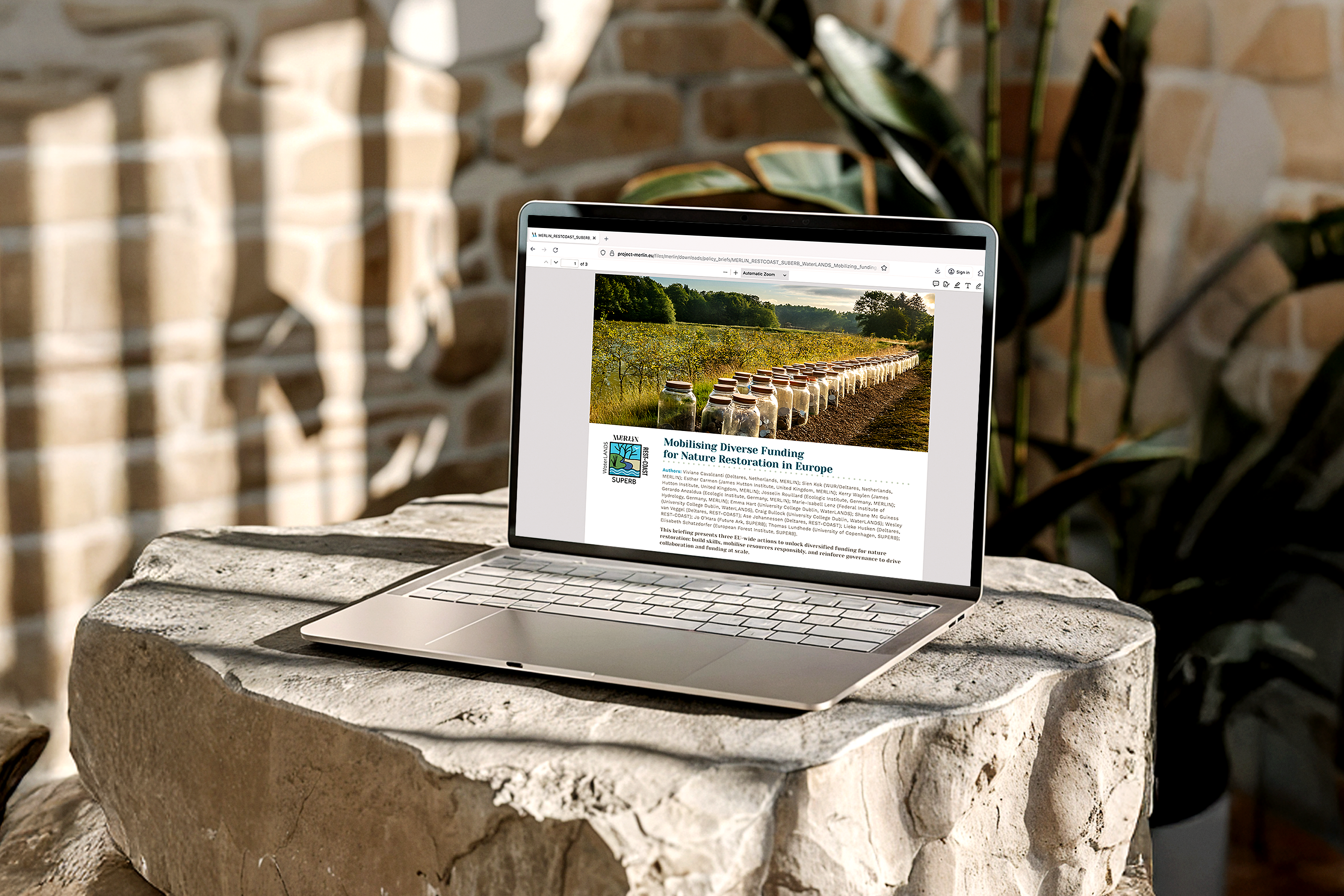
A second policy brief, produced jointly by MERLIN with partner initiatives REST-COAST, SUPERB and WaterLANDS, focuses on this key question: how to pay for large-scale restoration.
The short answer is that current European funding systems are not fit for purpose.
At present, most restoration projects rely heavily on public grants, which are often short-term, competitive and fragmented across different programmes. This makes long-term planning difficult and limits the size of projects that can be undertaken.
Private investment, meanwhile, remains limited. Unlike renewable energy or transport infrastructure, restoration projects rarely generate clear, predictable revenue streams. For investors, they can appear complex, risky and unfamiliar.
The result is a persistent funding gap, formed despite widespread recognition of the need for restoration, and hampered by insufficient resources to deliver it.
Making freshwater restoration investable
To bridge this gap, the new policy brief calls for a fundamental rethink of how freshwater restoration is financed.
One key idea is to make projects more attractive to private investors. This involves standardising how projects are designed and measured, so that their benefits can be clearly demonstrated and compared.
For example, a restored wetland might reduce flood damage costs, improve water quality and enhance biodiversity. If these benefits can be quantified and, crucially, monetised, they become easier to incorporate into financial models.
Blended finance which combines public and private funding is another important tool. Public money can be used to reduce risks for investors, for instance by covering early-stage costs or providing guarantees. This, in turn, can help unlock larger pools of private capital.
There is also a push to better communicate the economic value of restoration. Rather than framing projects solely in environmental terms, proponents argue that they should be seen as investments in societal resilience: protecting infrastructure, economies and communities from climate impacts.
Finding space for restoration in European policy
While funding is a major challenge, both documents emphasise that policy alignment is also critical.
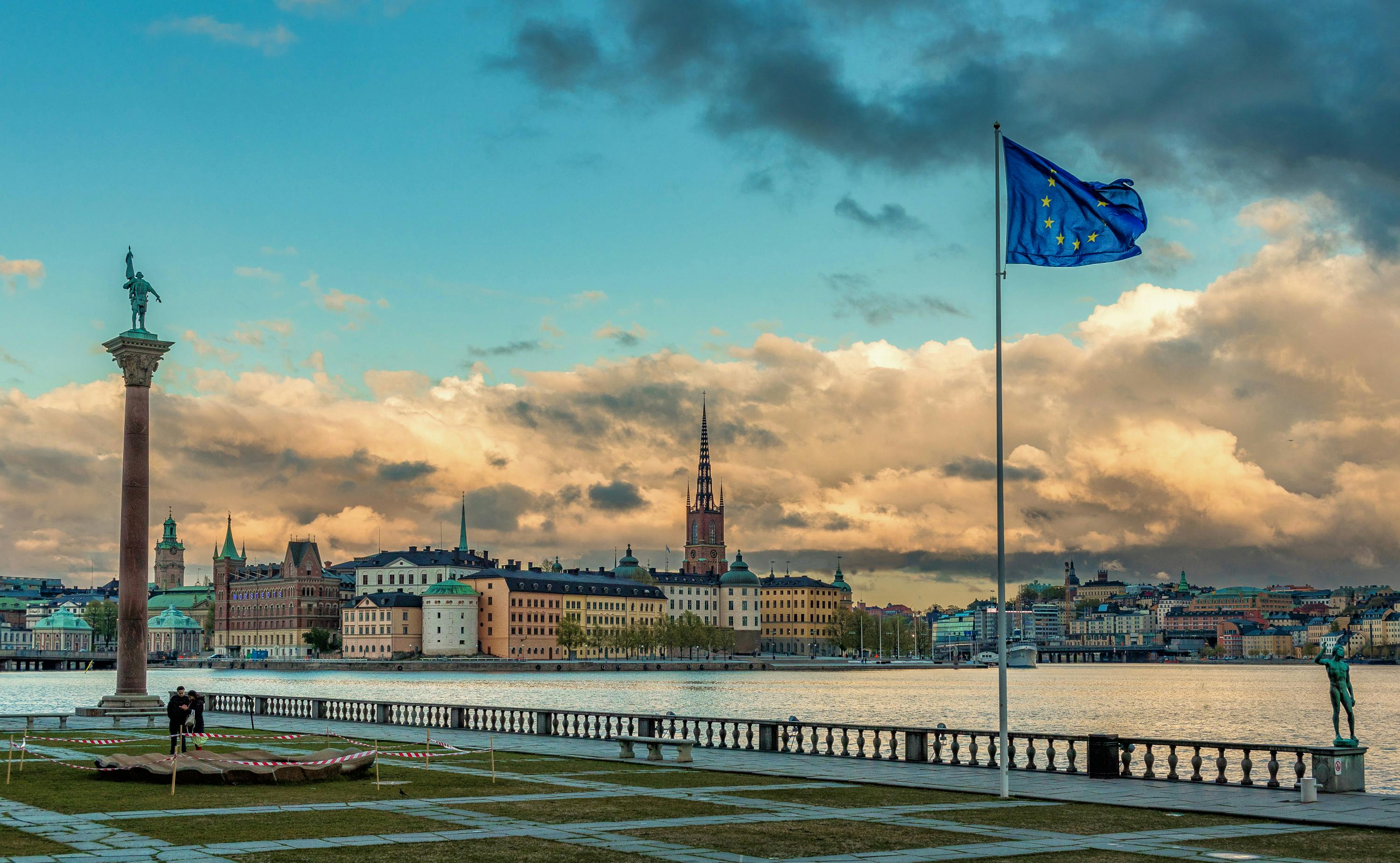
Europe has a dense and interconnected web of environmental policies, from water management to agricultural subsidies. But these are not always well coordinated, and in some cases they can even work at cross purposes.
For example, agricultural policies may incentivise land use practices that degrade waterways, while environmental programmes attempt to restore them. Without better alignment, efforts risk cancelling each other out.
The MERLIN reports highlight upcoming EU policy cycles as key opportunities. Reforms to agricultural funding, water management plans and new environmental legislation could all be used to embed restoration more firmly into mainstream decision-making.
The message is clear: scaling up restoration is not just about more money, but about using existing systems more effectively.
The need for scale and speed
A key theme running through both documents is the need for urgency.
Incremental progress, the MERLIN researchers argue, will not be enough. The scale of freshwater degradation combined with the accelerating impacts of the climate emergency demands a step change in both ambition and delivery.
This raises difficult questions. Can complex, locally specific restoration projects really be standardised and scaled without losing their effectiveness? Will private investors embrace a sector that has traditionally been seen as uncertain and slow to deliver returns? And can policymakers align diverse and often competing interests across sectors and countries?
There are no easy answers. But what is increasingly clear is that business-as-usual is not sustainable.

Green shoots for ambitious freshwater restoration
Despite the challenges, there are signs of momentum. Nature-based Solutions are gaining prominence in climate and economic debates, and the idea of investing in ecosystem restoration is moving from the margins towards the mainstream.
If the vision set out by the MERLIN project is realised, Europe’s freshwaters could look very different in the decades to come. Rivers which are less constrained and more resilient; wetlands which act as sponges for carbon and floodwaters: systems which are better able to support both nature and people.
But achieving that vision will require more than good intentions. It demands coordinated action across science, policy and finance, and a willingness to rethink how society values the natural systems on which it depends.
The question is no longer whether restoration is needed. It is whether European water managers, policy makers, scientists and environmental organisations can organise themselves to deliver it at the scale – and speed – required.
Read more
Mobilising Diverse Funding for Nature Restoration in Europe
///
This article is supported by the MERLIN project.










 The Freshwater Blog
Comments are closed.