Bringing Europe’s freshwaters back to life through Nature-based Solutions
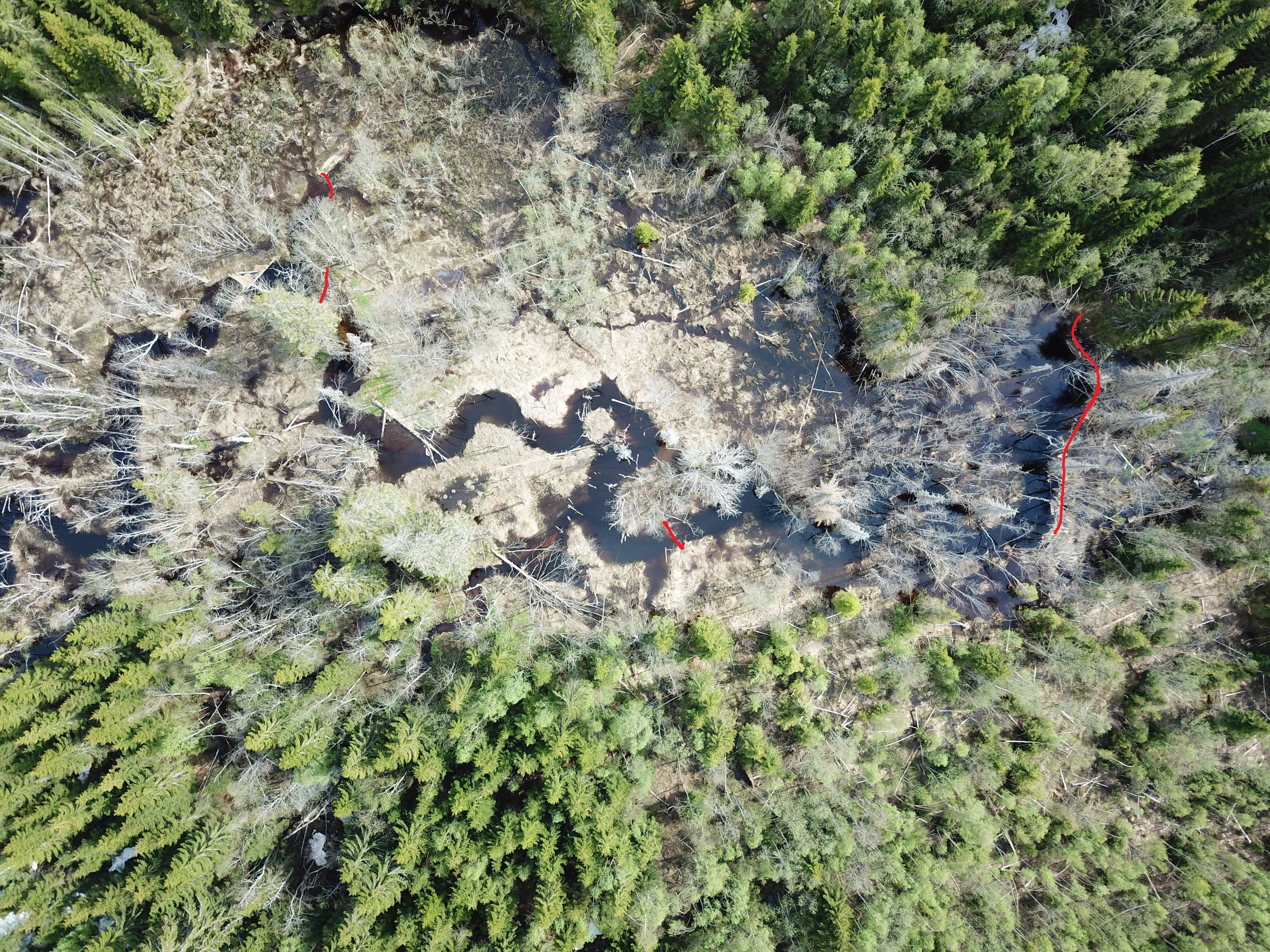
Europe’s rivers, streams, floodplains, and wetlands are among the continent’s most valuable natural assets. They deliver clean drinking water, support fisheries and recreation, help buffer floods and droughts, and are home to astonishing levels of biodiversity.
However, decades of pollution, channelisation, drainage and habitat loss have pushed many European freshwater systems into steep decline. Despite decades of policy commitments under the EU Water Framework Directive and the more recent Nature Restoration Regulation, progress on restoring these ecosystems has been painfully slow.
Two new policy briefs from the EU-funded MERLIN project paint a hopeful but urgent picture. They reveal not only how Nature-based Solutions (NbS) can deliver real benefits on the ground, but also how freshwater restoration can move from isolated local projects to large-scale strategic action aligned with Europe’s climate, biodiversity, and rural development goals. The findings matter not only to scientists and policymakers but also to communities and businesses who rely on healthy waters for their livelihoods and well-being.
The ripple effects of freshwater Nature-based Solutions
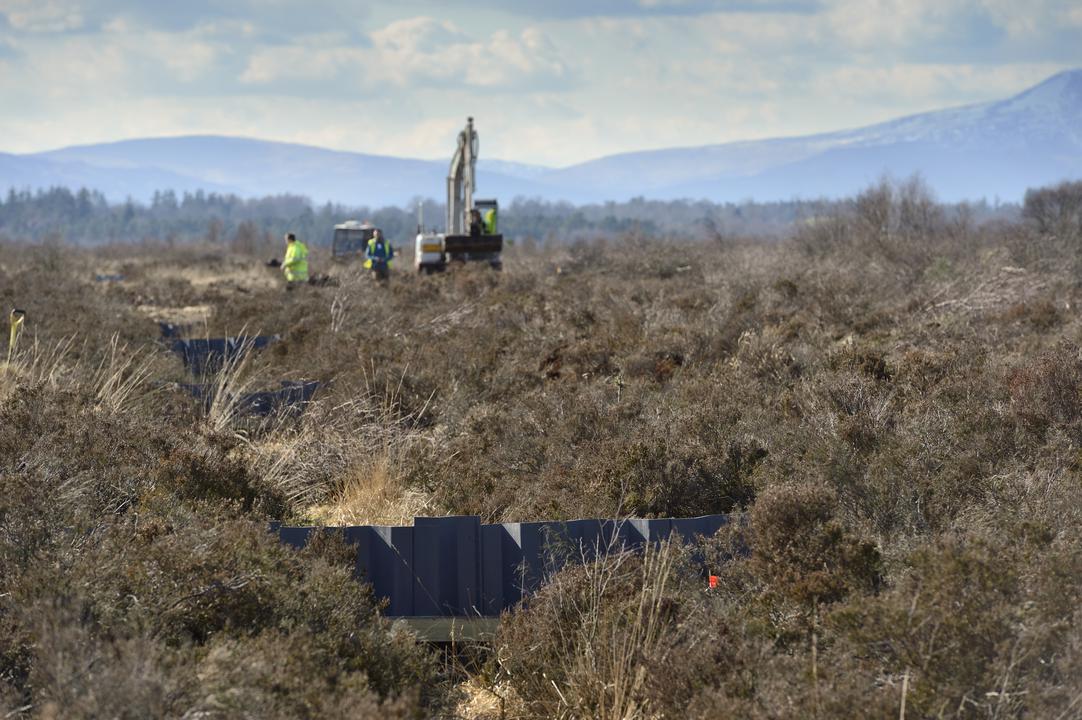
One of the central messages from MERLIN is that well-designed Nature-based Solutions hold significant potential to help mainstream freshwater restoration. When implemented thoughtfully and monitored rigorously they can deliver measurable environmental, social and economic benefits. However, until now a major barrier to scaling NbS has been the lack of consistent, comparable evidence documenting what works, where, and why.
MERLIN tackled this problem head-on by developing a systemic monitoring framework. The researchers worked with eighteen freshwater and wetland restoration projects across Europe, from the lowlands of the Rhine to the floodplains of the Tisza, to capture not just ecological outcomes but also societal and economic dimensions. The approach uses thirteen policy criteria aligned with the European Green Deal to assess outcomes such as biodiversity net gain, flood and drought resilience, climate regulation, economic impacts, and human wellbeing.
What emerges from this work – reported in the first MERLIN policy brief – is a clearer picture of NbS performance in freshwaters. On environmental criteria such as biodiversity and climate regulation the evidence is strong and consistently positive. Projects that rewet floodplains, restore natural river dynamics, or reconnect streams with their floodplains generally saw improvements in habitat quality and ecosystem function. These changes, in turn, support species recovery and build resilience to the intensifying impacts of the climate emergency.
But the picture is nuanced. Socio-economic outcomes were harder to capture, partly because such effects occur over broader spatial scales and longer timeframes. For example the benefits of reduced flood risk or enhanced recreation may take years to fully materialise, and often depend on factors far from the restoration site itself. Economic indicators tied to sectors like agriculture or tourism were also less consistently reported.
Despite these challenges, the systematic monitoring revealed key interactions between ecological and social outcomes. In Hungary’s Tisza floodplain project, for example, measures such as rewetting combined with sustainable grazing showed how ecological gains could be paired with livelihood benefits. And bringing communities closer to nature enhanced inclusivity and generated broader support for restoration.
Importantly, the MERLIN monitoring also exposed trade-offs. In some cases water quality worsened in the short term as sediments and nutrients were mobilised by restoration activities. Agricultural land was temporarily taken out of production in order to restore wetlands. These findings highlight how honesty from restoration managers about costs and risks can help build trust to support more inclusive decision-making.
Upscaling freshwater restoration across Europe
If the restoration benefits of Nature-based Solutions can be significant, then the question becomes how to scale them up beyond a patchwork of isolated experiments. The second MERLIN policy brief offers a structured pathway for doing just that.
At its heart is the idea that freshwater restoration must be more than a series of local projects. Instead restoration should form part of coherent regional planning that aligns with broader policy goals and unlocks more strategic investment. The brief identifies five dimensions of upscaling: geographic scope; integration of multiple goals; stakeholder engagement; funding; and long-term planning.
The MERLIN method for Regional Upscaling Plans unfolds in three steps. First, a gap analysis assesses existing restoration efforts to identify strengths, weaknesses, opportunities and threats. Second, an optimisation strategy is developed that tailors solutions to regional needs and priorities across multiple objectives. Finally, stakeholders co-create a shared vision and actionable plan.
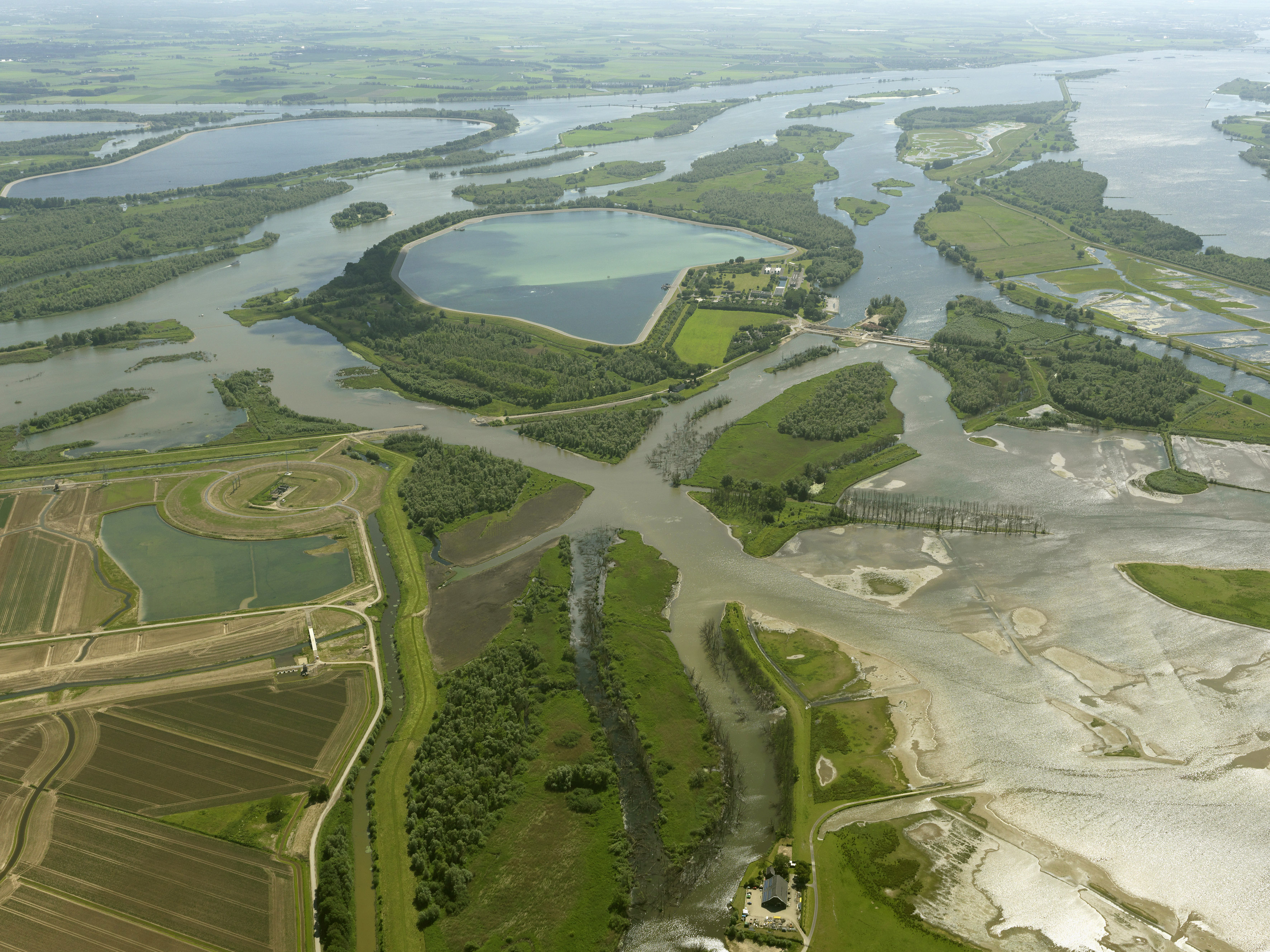
This structured approach bridges a familiar gap in environmental policy: between high-level ambition and on-the-ground delivery. A case study from the Netherlands reveals how the Room for the Rhine programme has shifted from piecemeal flood protection projects into a long-term landscape transformation that improves safety, enhances biodiversity habitat and benefits local communities. A similarly ambitious effort in Germany’s Emscher basin has transformed what was once an industrial wastewater system into a vibrant near-natural river landscape.
The brief also highlights emerging national initiatives such as Denmark’s Green Denmark Agreement which commits billions to rewetting farmland, boosting forest cover, and embedding carbon taxation. In Hungary, the WWF’s visionary 2050 roadmap for the Tisza River aims to restore floodplains while supporting sustainable land practices.
Why this matters now for people and nature
The idea of restoring Europe’s freshwater systems can sound like a long-term, abstract endeavour to the public. But the stakes are high and time is running out. Floods and droughts are become more extreme as the climate warms. Clean water is increasingly precious. Nature-based Solutions offer a way to protect communities while supporting jobs and healthier environments. Sound monitoring and strategic planning are essential to translate that potential into reality.
For scientists, the MERLIN findings offer valuable evidence that can strengthen future restoration design and evaluation. By demonstrating how to bring environmental, social and economic metrics into a common framework the project helps to break down silos that have long hindered holistic assessment. This creates a stronger basis for future research, adaptive management and innovation.
For policymakers the implications are clear. Funding and governance structures must support coordinated, large-scale action not just local interventions. Regional Upscaling Plans that align with EU Green Deal objectives can help unlock cross-sector investment, build political support, and deliver lasting benefits.
A turning point for freshwater restoration?
The MERLIN project does not claim to offer all the answers. But it does offer a pragmatic blueprint informed by real-world practice and grounded in robust monitoring. It shows that Nature-based Solutions can deliver measurable benefits and that strategic upscaling is both possible and necessary if Europe is to meet its climate and biodiversity goals.
As the continent prepares for increasingly unpredictable weather patterns and mounting ecological pressures these insights could not be more timely. Europe’s freshwaters are at a crossroads and the choices made now will determine whether rivers and wetlands are resilient and flourishing or continue to deteriorate. The evidence from MERLIN offers a compelling case for the bold, coordinated, and evidence-informed restoration of freshwater landscapes across Europe.
///
This article is supported by the MERLIN project.









 The Freshwater Blog
Comments are closed.