Ukrainian river restoration project during wartime wins major award
Russia’s invasion of Ukraine in 2022 has brought death and destruction not only to towns and cities, but also to the country’s natural environment.
An EU report published earlier this year identified how military activity has released greenhouse gases into the atmosphere, destroyed biodiversity habitat, caused widespread water, air and soil pollution from munitions and fuel, and sparked an increased risk of destructive forest fires.
Such military damage to natural environments has been termed ‘ecocide’ in Ukraine, and can take years, if not centuries, to be reversed. In this way, the legacy of war will be evident in Ukraine’s ecosystems, long after fighting finally ends.
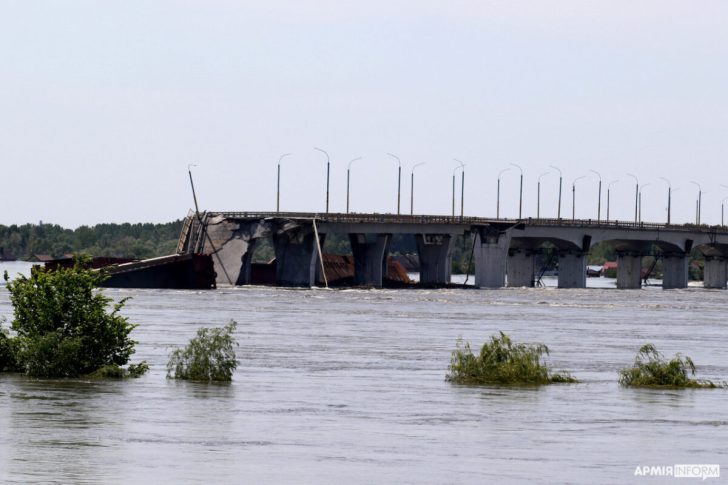
Russia’s invasion has had a significant impact on Ukraine’s freshwater ecosystems and water infrastructure, particularly through the destruction of major dams such as the Kakhova Dam in 2023. A huge surge of water was released from the reservoir – Ukraine’s largest – held behind the dam, inundating downstream regions with polluted water and threatening populations of fish including sturgeon and esturine perch.
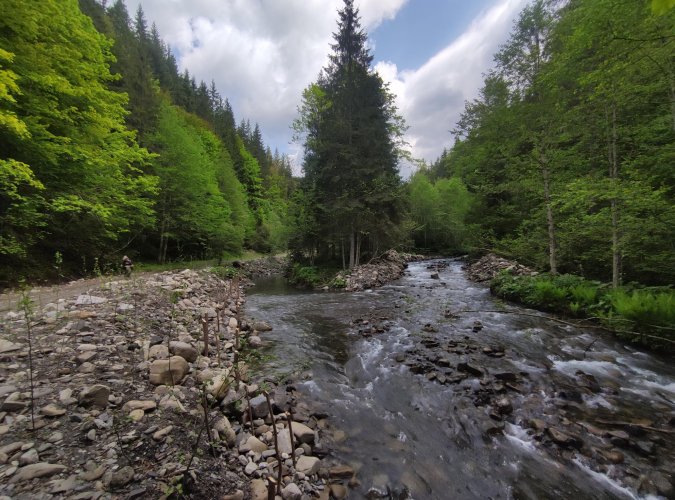
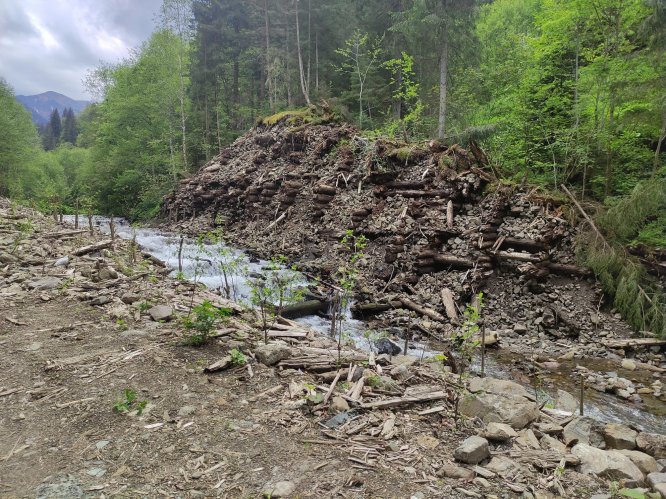
Amidst this landscape of loss, green shoots of recovery have recently sprouted from a different – intentional – form of dam removal on rivers in Western Ukraine. Last month, a river restoration project in the Carpathian Biosphere Reserve, close to the Romanian border, was awarded the 2024 Dam Removal Award after successfully removing three dams and reconnecting 200km of rivers.
Led by the Danube-Carpathian Programme and the UNESCO-listed Carpathian Biosphere Reserve, the project removed three obsolete dams on the Kvasnyi, Bilyi, and Bohdan Rivers in the Zakarpatska region of Ukraine.
“Air alarms, bombings, and Russian propaganda have created a challenging environment to work in, but thanks to team efforts, the outstanding achievements have been realised alongside our partner, the Carpathian Biosphere Reserve,” said a representative from the Danube-Carpathian Programme. “The dam removal movement is gaining momentum in Ukraine, and we anticipate linking it with broader wetlands restoration initiatives.”
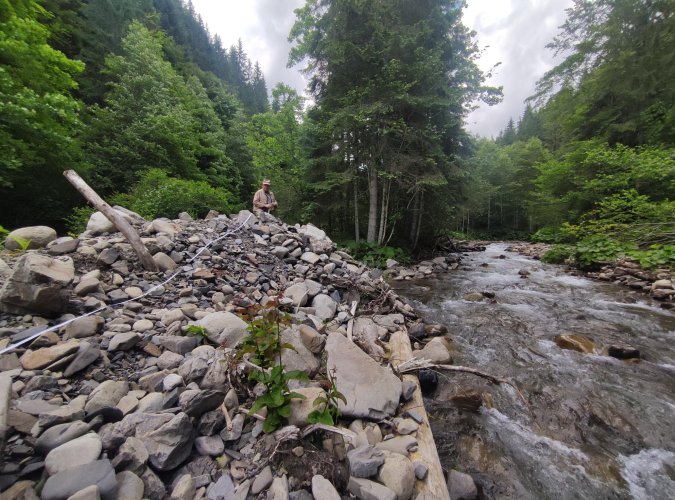
Restoration work is designed to reopen vital migration routes for eight IUCN Red List fish species along the rivers. The projects will also benefit communities living in the catchments by reducing flood risks, rebuilding critical road infrastructure, and reopening access to mineral springs, grazing lands, and tourist trails.
“It is astonishing that Ukraine is still restoring rivers despite all its wartime challenges – this project is truly an inspiration to all of us,” said Chris Baker, Director of Wetlands International Europe, which coordinated the award on behalf of the Dam Removal Europe coalition. “This award reminds us that restoring nature is not just about the environment: it’s about resilience, unity, and hope. Ukraine’s achievement shows that even in the most challenging times, people can unite to let rivers flow freely again.”
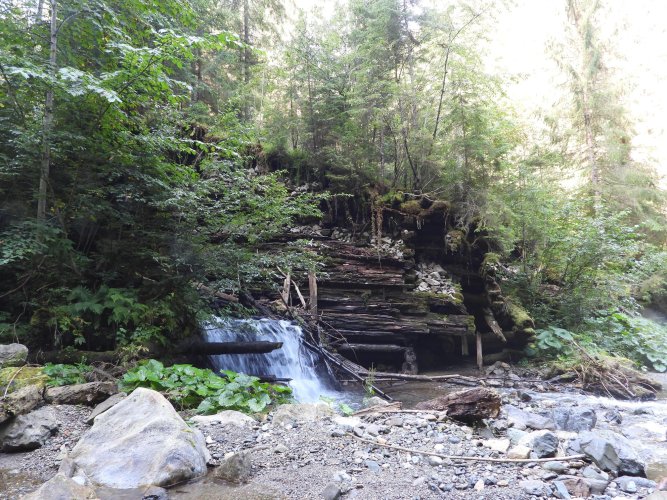
“Ukraine understands that removing obsolete dams is a fast and effective way to reconnect rivers and restore their natural flow – bringing life back, reducing risks to people, enhancing water and food security, and building climate resilience,” continued Baker. “Europe’s rivers are the most fragmented in the world and we must accelerate investment in dam removals and river restoration for people, nature and climate. We can all learn from Ukraine’s remarkable example.”
The Dam Removal Award is an annual event that celebrates the restoration of free-flowing rivers across Europe. The award highlights innovative projects that remove obsolete barriers, revive ecosystems, and strengthen communities’ connection to healthy rivers. The Ukrainian Three Dam Removals Amid Wartime project was chosen as the winner of the €20,000 prize after a process involving an international jury of experts and a public vote.










 The Freshwater Blog
Comments are closed.