Migratory freshwater fish working group launches key conservation initiatives
///
A guest blog by Zeb Hogan and Monni Böhm
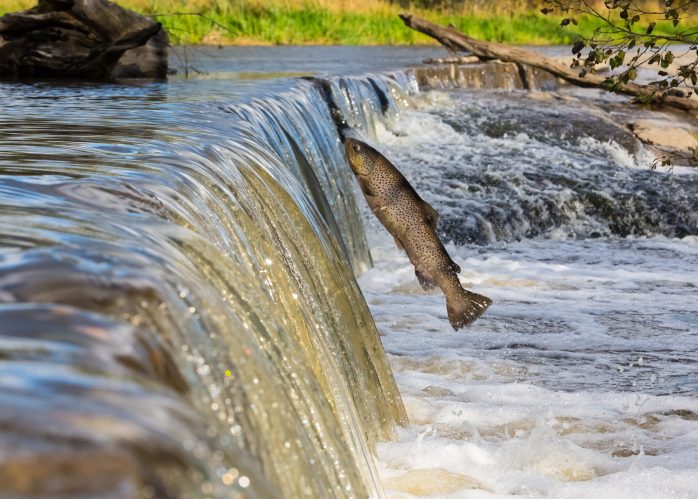
What do Lake sturgeon, European eel, and Atlantic salmon have in common? They are all fishes that migrate – at least for part of their life – in freshwater systems. These migrations can take vary in length from tens to thousands of kilometres, but are often predictable and cyclical depending on the species’ ecology and environmental cues.
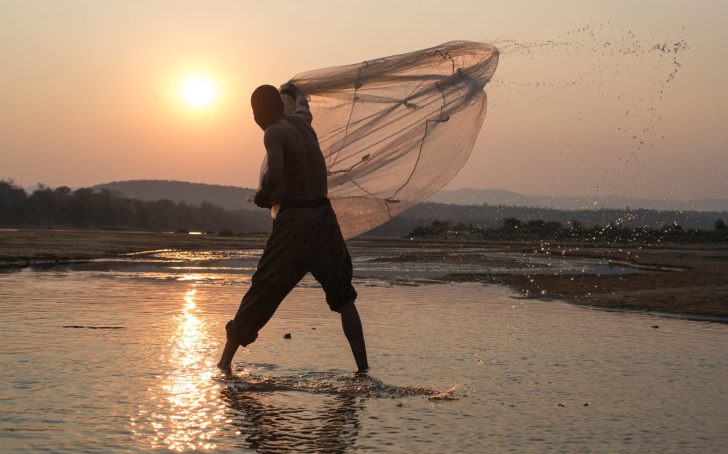
Some species – like the European eel – migrate between freshwater and marine environments to complete their life cycle, other species remain exclusively in freshwater. Many of these freshwater migratory fishes are also vitally important to food security, cultural identity, and livelihoods of Indigenous and rural communities around the world.
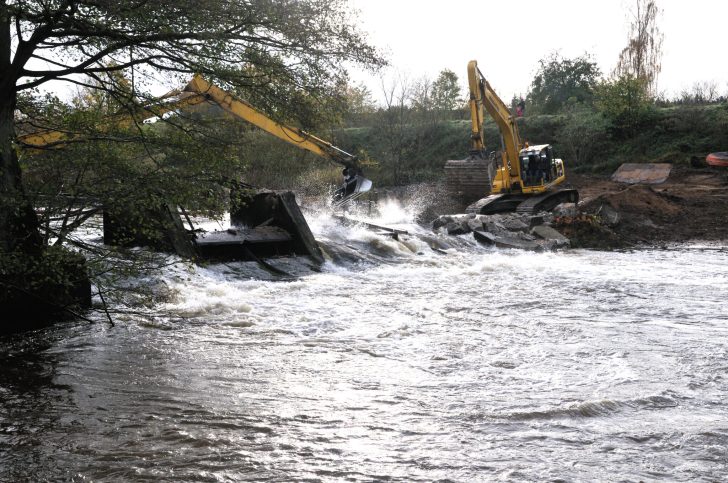
Freshwater migratory fishes are also in trouble. Monitored populations of migratory freshwater fish species have declined by 80% in the last fifty years. A prominent threat to freshwater migratory fishes is the loss of connectivity. Globally, only 37% of rivers longer than 1,000 km remain free-flowing, and key biodiversity hotspots such as the Amazon, Mekong, and Congo basins are increasingly subject to hydropower expansion.
In terms of conservation policy, the Convention on the Conservation of Migratory Species of Wild Animals (CMS), – sometimes referred to as the Bonn Convention – provides a global platform for the conservation and sustainable use of migratory animals and their habitats. It lays the legal foundation for internationally coordinated conservation measures throughout a species’ migratory range.

To aid the conservation of migratory freshwater fishes, a group of leading scientists, conservationists, and policy experts from five continents recently met at the University of Nevada, Reno at Lake Tahoe to discuss latest progress in migratory fish work, develop outputs that are usable and impactful for parties to the CMS, and to further develop a Swimways concept – akin to flyways designated for migratory birds.
The meeting was hosted by the Tahoe Institute for Global Sustainability and supported by PlusFish Philanthropy, and produced a set of tangible outcomes that will directly inform global conservation efforts, including preparations for the United Nations Convention on Migratory Species Conference of the Parties (COP15) in Brazil in 2026.
Key achievements included the identification of migratory freshwater fish species that meet the criteria for CMS listing, and further development of a designation of globally significant migration corridors, such as the Danube in Europe, the Mekong in Southeast Asia and the Mississippi river in North America, amongst others.
Participants also committed to several coordinated outputs in the near future, all of which will shape how we better conserve freshwater migratory fishes. These include a report to CMS and COP15; a peer-reviewed scientific paper on freshwater fish migrations; a public-facing global database of migratory freshwater fish for use in conservation planning and research; an analysis of challenges and opportunities in engaging with international policy frameworks; IUCN Green Status assessments of high profile freshwater migratory species; and a suite of educational and outreach materials designed to raise awareness of freshwater biodiversity.
“These are not symbolic conversations—we’re generating the data, strategies, and commitments that will shape global policy,” says Dr. Zeb Hogan, aquatic ecologist and workshop organiser with the University’s College of Science. “The outcomes of this meeting will directly inform global efforts to protect migratory fish populations and restore connectivity in rivers around the world.”
The workshop brought together experts from the UN CMS Secretariat, World Wildlife Fund, IUCN Species Survival Commission, IUCN World Commission on Protected Areas, the Global Center for Species Survival at the Indianapolis Zoo, Shedd Aquarium, Cornell University, University of Tennessee, the Leibniz-Institute of Freshwater Ecology and Inland Fisheries, and the Chinese Academy of Sciences, alongside faculty and students from the University of Nevada, Reno.
“This gathering showcased the University of Nevada, Reno’s growing leadership in freshwater biodiversity and environmental sustainability,” says Melanie Virtue, Head of the Aquatic Species Team at the CMS Secretariat. “The UNR Lake Tahoe campus, located on the shores of one of the world’s most iconic lakes, is acting as a global hub for science-informed policy and local-to-global conservation action.”
///
Learn more about the Convention on the Conservation of Migratory Species of Wild Animals









 The Freshwater Blog
Comments are closed.