Beaver populations help boost insect biodiversity in streams
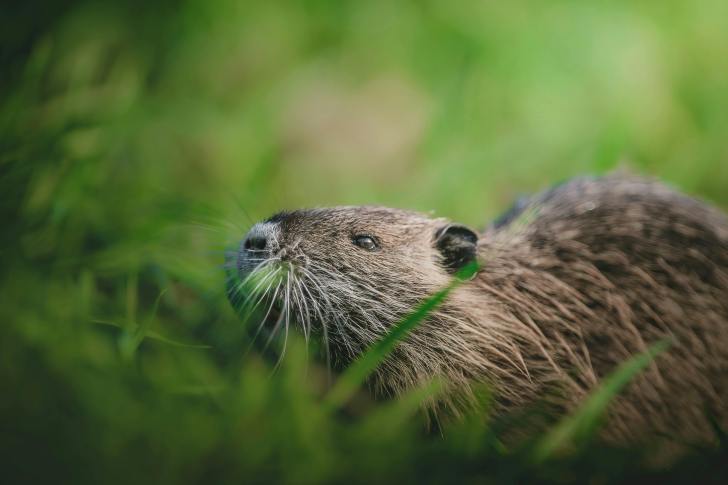
Beavers create diverse new habitats in stream ecosystems which significantly boost biodiversity, according to a new study.
Once common across Europe, the Eurasian beaver was hunted and trapped to near-extinction by the early 20th century. However, restoration projects have reintroduced beaver populations across the continent, with more than 1.5 million animals now making their home in European freshwaters.
Beavers are often termed ‘ecosystem engineers’ due to their ability to create complex and diverse wetland habitats through tree felling and dam building. As beaver populations spread across Europe, there is increased focus on the impacts of this activity, both to human and non-human life.
As shown in the MERLIN project work in Sweden, beaver reintroduction is increasingly seen as a key part of a nature-based solutions approach to restoration. The ponds, pools and floodplains they create around streams and rivers have been shown to help reduce flooding and improve water quality through trapping sediment.
A key question for beaver restoration programmes is how their activity influences the wider ecological health of their rivers and streams they inhabit. Existing studies have shown the presence of beavers boosts populations of aquatic insects, amphibians, birds and bats, whilst providing nursery grounds for juvenile fish.

A new study by scientists in Germany focuses on the impact of beaver populations on three streams in North-Rhine Westphalia – an area in the west of the country, adjacent to the Netherlands and Belgium. The team studied aquatic insect populations in three streams: the Thönbach, Weberbach and Weiße Wehe. On each stream, the team took samples around beaver habitats, and again where the animals were not present.
“What is striking,” says Sara Schloemer, lead author of the study, “is that no species disappeared in the beaver territories we studied. On the contrary, over 140 additional species were present in these areas, compared to the sites without beavers.”
“By increasing aquatic habitats beavers boost both species abundance and richness,” Schloemer continues. “In our study, the area of aquatic habitats increased six-fold due to beaver activities. The abundance of bottom-dwelling aquatic insects increased more than four times over.”
The so-called ‘macroinvertebrates’ studied by the team are valuable proxies for the health of the wider ecosystem. These aquatic insects – including beetles, mayflies and caddis flies – provide vital food for fish, bats, amphibians and birds, and their population dynamics can reveal important insights about water quality and pollution.
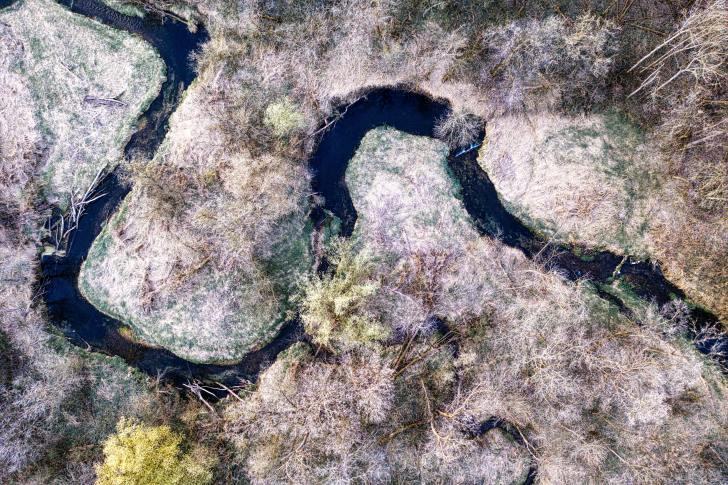
“The concern sometimes expressed by conservationists that beavers will destroy free-flowing, strong-flowing stream sections in their territories is therefore unfounded. In fact, the beaver creates fascinating additional habitats such as ponds, dams, swamps without free-flowing sections disappearing completely,” says Daniel Hering, the final author of the study.
“Beavers are rapidly expanding their range in Europe,” Hering continues. “This sometimes causes problems with land owners and land users. At the same time, they really contribute to diversity floodplains and to restore streams.”
Writing in Freshwater Biology, the research team suggest that their findings show that beavers can offer a cost-effective means by which small stream floodplains can be enhanced. As such, they emphasise the importance of their reintroduction to areas where they were formerly present.
“Beavers reintroduce habitat features that were once characteristic of natural stream ecosystems and that are missing from most contemporary European streams,” Hering says. “Beavers greatly enhance the diversity of aquatic insects and provide habitats for a multitude of species.
“By considering the full range of habitats created by beavers, we can ensure more accurate assessments and make informed decisions for conservation and restoration efforts,” Hering concludes.
///










 The Freshwater Blog
Comments are closed.