A ‘how-to guide’ for citizen scientists on small stream restoration

Small streams criss-cross Europe’s landscapes: from the highest mountains to the busiest cities. However, despite offering a home to rare and special wildlife, and providing numerous benefits such as natural flood protection to people, this network of small streams can be overlooked by European environmental policy and management.
A new publication by the MERLIN project suggests that citizen science groups can help boost our understanding of small streams, offering valuable activities to help restore the ecological health and biodiversity of these valuable ecosystems.
The publication – Revitalising small streams – A practical guide for community action – offers a hands-on guide for volunteer groups seeking to help restore their local streams. It builds of deep real-world experience in the FLOW project in Germany to outline a detailed series of steps to support public groups in restoring small streams in their area.
After selecting an accessible section of stream around one-hundred metres in length, volunteer groups should follow three key steps towards its restoration, the publication suggests.
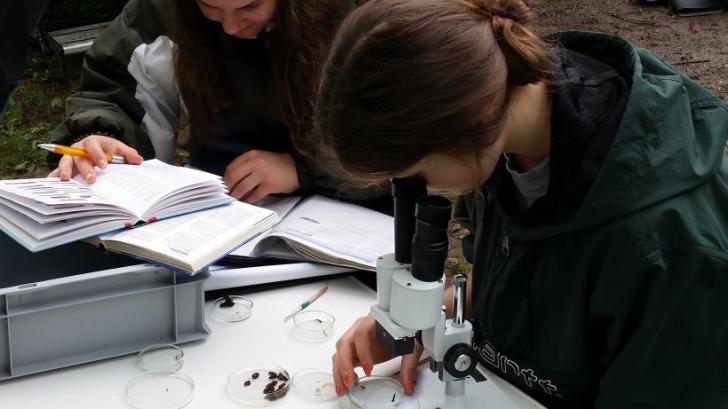
1. Take a small stream health check
The first step is to monitor the ecological health and habitat quality of the stream. This step is important in understanding the pressures acting on the stream ecosystem and the scale of restoration measures needed to tackle them.
A series of standardised ‘monitoring protocols’ developed in the FLOW project are shared in the publication. These give straightforward ways for the public to assess the stream’s habitat and insect communities to help build a picture of restoration needs.
///
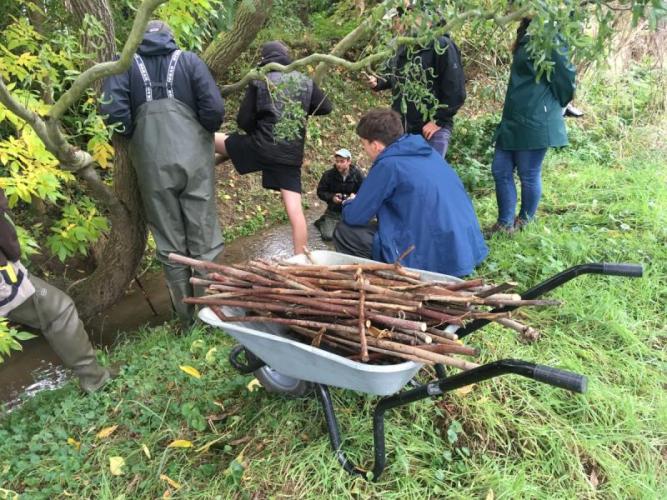
2. Work with local groups to put restoration measures in place
This leads onto the second step in the restoration process: to work with local stakeholders, land owners and environmental agencies to agree upon the restoration measures to be implemented. This process involves obtaining permissions, recruiting volunteers, mobilising local public support, and, finally, putting restoration plans into action.
The publication gives information on a series of tried-and-tested restoration approaches. These include installing wood structures to help boost habitat and stabilise stream banks; introducing gravel as ‘micro-groynes’ to help improve stream bed habitats; and planting trees such as alder along the stream’s banks to help shade its waters.
Each of these restoration approaches is accompanied in the publication by detailed information on its ecological effects and the resources and materials needed to make it happen. As such, it provides a valuable resource for public groups to take to other stakeholders in a landscape to help advocate for collaborative restoration activities to be undertaken.
///
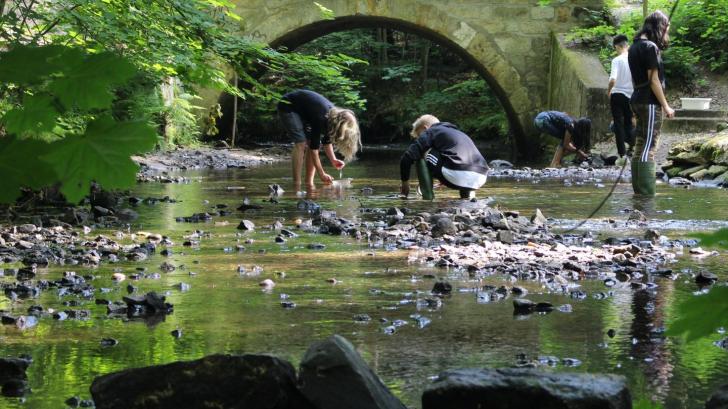
3. Track the impacts of restoration over time
The final step once restoration measures have been implemented is to monitor their impacts over time. This is a vital stage because it allows restoration solutions to be adapted over time in response to how well they are working, or to respond to the emergence of new pressures on the stream.
It is recommended that a stream is monitored for at least five years after restoration to give time for the ecosystem to recover. The publication offers guidance on monitoring so-called ‘bio-indicators’ such as mayflies and stoneflies to give a picture of the wider health of the stream.
///
Overall, the new publication offers a valuable resource to empower local communities across Europe to positively impact the ecological health of their local streams. It relates to a recent episode of the MERLIN podcast on the power of community in making restoration projects happen – which includes an interview with Roland Bischof and Julia von Gönner about the FLOW project which underpins the new publication.
The authors suggest that once restoration is completed, citizen scientists should: “celebrate your success with everyone involved. Share your stories and experience in the local media, and pass on your expertise to other volunteer groups. Work with local fishing clubs and other organisations to maintain the momentum for restoration also of other stream sections. We wish all river enthusiasts and local restoration groups much success and fun! Healthy streams for healthy landscapes and healthy people!”
///
This article is supported by the MERLIN project.










 The Freshwater Blog
Comments are closed.