Can nature-based solutions help ‘green’ European economies?
As the ongoing effects of the climate emergency and ecological crisis continue to be felt across Europe, it is clear that ‘business as usual’ in our society’s relationships to nature isn’t working. In recent years, the EU MERLIN project has worked with representatives from six key economic sectors across Europe to explore how this relationship could be fundamentally transformed, to benefit both people and nature.
This work centres on the promise of nature-based solutions in ecosystem restoration. Nature-based solutions – such as peatland and river restoration – aim to use natural processes to help tackle socio-environmental challenges such as climate change, biodiversity loss and flooding.
One key element of nature-based solutions is that they are designed to offer clear economic and social rationales for the value of protecting and restoring natural environments. Advocates of nature-based solutions suggest that this helps strengthen arguments over the value of mainstreaming environmental restoration to benefit all our lives.
MERLIN recently released six strategies exploring how the agriculture, water supply and sanitation, peat extraction, insurance, hydropower and navigation sectors can be ‘greened’ through better adoption of nature-based solutions.
“Over the past three years the project has engaged with the six economic sectors, involving more than a hundred stakeholders from the private and public sector through roundtables, interviews, written comments and feedback, and using these activities to form a sectoral community of practice to encourage knowledge sharing and collaboration,” says strategy editor Anna Bérczi-Siket from WWF Hungary.
“The results of this sometimes-bumpy journey are embedded in the six strategies and their actions, with the purpose to highlight how sectors can take an active role in safeguarding Europe’s freshwater resources, and to help them benefit from the transformation,” she says.
You can read the full strategies on the MERLIN website, and listen to a podcast on the sectoral collaborations here.
///
Agriculture
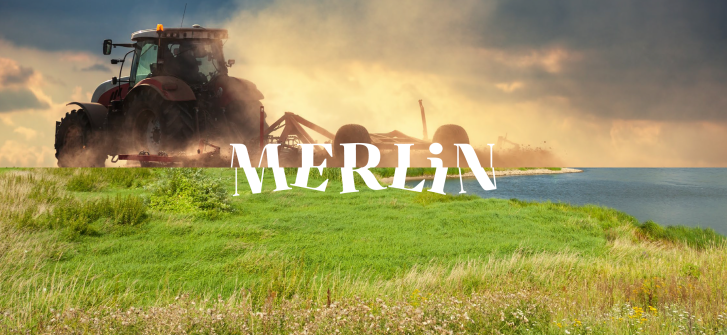
Farming shapes almost 40% of European landscapes, providing vital food security and rural employment, but also significantly contributing to habitat loss and water pollution across the continent. At the same time, the agricultural sector is facing significant challenges such as drought and flooding as a result of climate change alongside rising production costs caused by wider geopolitical events.
Policy makers have long sought to ‘green’ European agriculture through the Common Agricultural Policy, the Green Deal and the Farm to Fork and Biodiversity strategies. The MERLIN strategy works in this context to emphasise the agricultural sector’s critical role in addressing biodiversity loss, climate crisis, and soil and water degradation, while promoting sustainable farming practices that secure food production and ecosystem health.
The strategy envisions a transformed European agricultural sector with nature-based solutions at its heart by 2050. To get there, the strategy outlines six key actions. First, it emphasises the need to educate and assist farmers to integrate nature-based solutions into their practices. Second, it highlights the need to build public awareness and support around the need for such approaches to make European farming more sustainable.
Third, it argues that existing policy frameworks – particularly the Common Agricultural Policy – require reforms to better support nature-based solutions. Fourth, it highlights the role of landscape partnerships between farmers, municipalities, NGOs and citizens to help align agricultural practices with ecosystem restoration goals.
Fifth, the strategy emphasises the potential of recent innovations in farming technologies to help promote more sustainable practices. Finally, it highlights the need to secure market support for nature-based solutions in agriculture – for example through eco-labelling – to reward farmers for their contributions to ecosystem recovery.
///
Water supply and sanitation
The water supply and sanitation sector oversees drinking water and wastewater activities for households, industrial, agriculture and commercial customers. Europe’s sewage network and wastewater treatment plants are managed by a mix of public utilities and private operators.
Engagement with stakeholders in the sector identified three main obstacles to the adoption of nature-based solutions. First, the sector has a longstanding engineering culture, which prioritises technical and built solutions to ensuring clean water provision. Second, it is currently more difficult to evaluate the effectiveness of nature-based solutions in helping provide clean water, when compared to traditional engineering approaches. Finally, the governance of nature-based solutions is often complex: requiring collaborations between sectors across landscapes.
The MERLIN strategy proposes three actions to dismantle these barriers. First, it highlights the need to equip engineers and water operators with the expertise to design and implement nature-based solutions. Second, it advocates for standardised decision-making tools to be developed to allow water managers to evaluate the impact and cost-effectiveness of nature-based solutions. Third, it demonstrates the need for nature-based solutions to be better embedded in EU and national policies, in order to create regulatory and financial incentives for water managers to adopt them.
The strategy envisions a future where by 2036 Europe’s water supply and sanitation sector prioritises nature-based solutions. Backed by evidence and strong policies, this situation places nature-based solutions at the heart of Europe’s clean water supply, helping restore ecosystems, boost biodiversity and foster climate-resilient communities.
///
Peat extraction
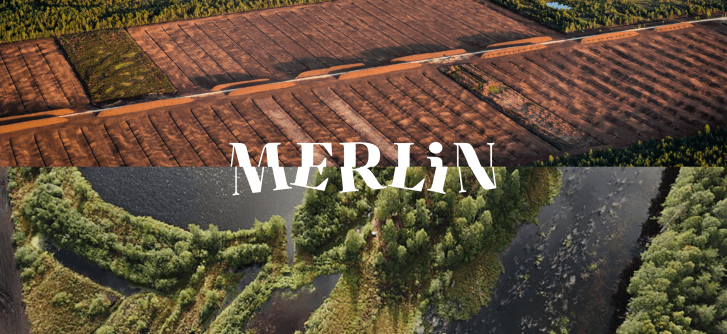
The peat extraction sector supplies peat for horticulture and energy production. Largely extracted across Central Europe, the Baltic States and Scandinavia, the sector removes vegetation and drains peatlands in order to extract and dry the peat found below their surface. Peatland restoration is a vital activity due to the ability these ecosystems have to absorb and store carbon, to act as ‘sponges’ for flood waters, and as important biodiversity habitats.
Collaborations with organisations involved in the sector identified the potential for peatland restoration as a necessary step following peat extraction in a landscape. It is intended that this process would create valuable nature-based solutions such as carbon sequestration and flood mitigation to support large-scale peatland recovery aligned with EU Green Deal and Nature Restoration Law goals.
To achieve this vision by 2050, the MERLIN strategy outlines five interlinked actions. First, it highlights the need to build shared knowledge around how peatland restoration can help reduce emissions and boost biodiversity. Second, it emphasises how peatland restoration should be promoted as the primary ‘after-use’ step following peat extraction.
Third, the strategy outlines the need to foster partnerships between landscape authorities and landowners in order to embed peat restoration in their management. Fourth, it highlights the need for policy and regulatory frameworks to prioritise restoration as a key licensing requirement for peat extraction organisations. Finally, it states that clear and viable business incentives must be presented to the sector in order to help boost the uptake of restoration activities.
///

Insurance
The insurance sector underpins how individuals and organisations across Europe deal with environmental risks. There are two broad types of insurance: life and non-life. Life insurance focuses on human capital value (e.g. legacy planning, medical costs); whereas non-life insurance covers property, casualty or accident costs, aiming to replace the valuable of things like homes, cars and valuables.
As extreme weather – and resulting floods and droughts – becomes more common under the climate emergency, the demands on both life and non-life insurance are changing to accommodate new risk factors. The MERLIN strategy offers an action plan for 2025–2030 under which the insurance sector integrates nature-based solutions in order to better manage these emerging risks.
Building on engagements with the insurance sector, the strategy focuses on the role of nature-based solutions in non-life insurance, for example through the reductions in flood risks prompted by floodplain restoration. It also considers life insurance investments in nature-based solutions as a means of helping mainstream such approaches through “nature investments” across different sectors.
The strategy identifies a series of key actions required to mainstream nature-based solutions across the investment sector in Europe. These include: the sharing of loss data with all actors, especially regional and local authorities; conducting cost-benefit analyses of nature-based solutions measures; developing standards for evaluating the sustainability of nature-based solutions; encouraging policies to consider nature-based solutions for risk reduction; revisiting insurance portfolios; creating innovative products incorporating nature-based solutions, and; promoting “insurers as investors” in nature-based projects.
///
Hydropower
Hydropower is one of the oldest and most widespread sources of renewable energy in Europe, with 21,387 hydropower plants in the EU contributing 13.8% to overall net electricity generation, and with another 8,785 plants currently proposed or under construction. There are around 1.2 million dams, weirs and obstacles in Europe’s rivers, of which hydropower projects account for less than 2%.
However, the sector has a key role to play in European river restoration. Removal of the barriers blocking rivers is a hot topic across Europe: as restorationists seek to connect up fish migration routes and restore natural flow patterns. Following consultation with the hydropower sector, the MERLIN strategy advocates for its role in the barrier removal process across Europe, emphasising the social, economic and biodiversity benefits it offers.
The strategy outlines five strategic actions to better support the involvement of the hydropower sector in this process. First, it highlights the need for better understanding of nature-based solutions – and the benefits they can bring – across the sector. Second, it identifies potential synergies between the hydropower sector’s role in renewable energy policies, their links to nature restoration policies, and how these could be brought together through a nature-based solutions approach to barrier removal.
Third, the strategy focuses on creating clearer financial pathways to involve the hydropower sector in planning, designing and delivering nature-based solutions through barrier removal. Fourth, it outlines the need for better collaboration between public and private bodies to help deliver these projects. Finally, it highlights the need to provide tools to help identify appropriate barriers to be removed and to guide investment decisions.
The strategy authors emphasise the promise of such approaches, but note that fostering trust between different bodies involved in the sector is crucial, due to the adversarial positions taken between some hydropower and nature restoration groups in the past.
///

Navigation
Inland navigation along Europe’s vast network of rivers has an important role to play in moving both people and goods across the continent. Large boats typically require deep, consistent navigable channels, known as ‘fairways’. Maintaining these fairways can significantly alter the course, depth and flow of a river, often altering its ecological functioning and the biodiversity habitat it provides.
Inland waterways in Europe are largely managed by public, governmental bodies. The MERLIN strategy highlights the potential to harmonise the drive for zero-emission, sustainable transport with river restoration in Europe. It notes the need for careful trade-offs between navigation and restoration needs, but highlights how recent studies suggest that nature-friendly river engineering – such as bank restoration – does not necessarily hinder navigation.
The strategy argues that the ongoing effects of the climate emergency on Europe’s rivers are common ground for navigation and restoration concerns. It states that increasingly extreme levels of flood and drought require more adaptable vessels, logistics and waterway design that benefit both navigation and nature. To achieve this, high-level policy and management ambitions need to be linked to on-the-ground experience to build trust and confidence in nature-based solutions approaches.
Formed through engagement with the European navigation sector, the MERLIN strategy offers a series of five actions to mainstream its adoption of nature-based solutions. First, it cites the need to develop an action plan to ‘green’ inland waterways on a large scale through nature-based solutions. Second, it highlights the need to build confidence by supporting communities of practice to share knowledge and experiences on the subject.
Third, it suggests that such knowledge sharing can provide a common understanding of the issues facing the European navigation sector, and how nature-based solutions can help address them. Fourth, it emphasises the need to minimise ‘hard’ engineering of Europe’s rivers in the future by promoting nature-based solutions. Finally, it highlights the need for inland waterways to be prioritised based on their ecological status and navigation roles in order to better balance the needs of nature and navigation on Europe’s rivers.
///
And finally, to celebrate International Women’s Day at the weekend, the MERLIN communication team put together this video introducing some of the incredible women who make this project special. Enjoy!
///
This article is supported by the MERLIN project.









 The Freshwater Blog
Comments are closed.