Introducing FutureLakes: transforming lake restoration in Europe

Europe’s lakes need urgent help. Around half of European lakes fail to reach ‘good’ benchmarks for ecological health and chemical pollution. And as a growing number of studies show, freshwater ecosystems are struggling across the continent, with around a quarter of aquatic species now classified as endangered or ‘near threatened’.
The picture is similar globally: lakes are one of the most threatened ecosystems on the planet, subject to the over-abstraction of water, widespread pollution, and the growing impacts of the climate emergency.
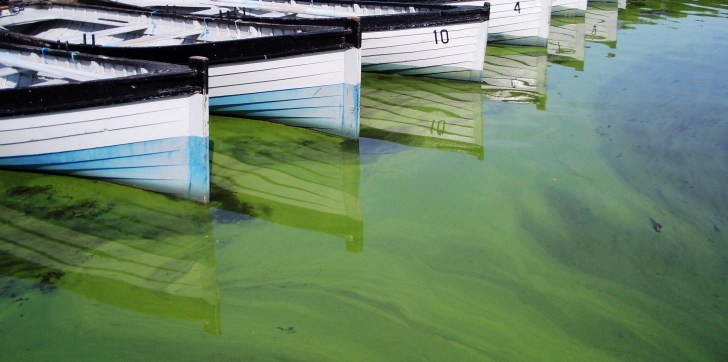
Lakes are not only important for the unique plants and animals they support – they’re also vital in underpinning our everyday lives. Widespread algal blooms – caused by pollutants from agriculture and wastewater and exacerbated by warming water temperatures under climate change – threaten water supplies for drinking, washing and recreation.
As a result, the time for ambitious lake restoration is now. The new FutureLakes project responds to this need, aiming to drive forward cutting-edge approaches to help restore Europe’s lakes. A partnership of ten environmental institutions from across Europe, FutureLakes aims to showcase the value of nature-based and circular economy solutions in lake restoration in order to help stimulate more sustainable blue economies.

“We will demonstrate nature-based solutions to reduce pollution loads to lakes and help deliver resilience to floods and droughts,” says NIVA research manager and project coordinator Laurence Carvalho. “We will also pilot circular economy solutions to recover valuable resources from legacy pollutants that have built up in lake sediments.”
“In my view these circular approaches – including harvesting algae – are potentially transformative as they are taking nutrients out of the system and recovering them for re-use in economic sectors, for example in soil conditioner and fertiliser in agriculture or high value products from algae,” Carvalho continues.
“If we can demonstrate it pays to recover valuable resources this can fuel the restoration process. In FutureLakes we aim to demonstrate that restoring lake water quality not only restores freshwater biodiversity, but also makes economic sense,” Carvalho says.
There is a lot of excitement about nature-based solutions in environmental circles right now. The concept is simple: harness the power of natural processes to help protect and restore damaged ecosystems. So, for example, restoring reed beds around a lake can help trap the pollutants that would otherwise run off from surrounding landscape. And as Laurence Carvalho suggests, part of the optimism around nature-based solutions lies in their potential to help stimulate additional economic and societal benefits through ecosystem restoration.
“We will deliver a tested blueprint for lake protection and restoration which will include guidance on how to attract green financing for implementing restoration measures and policy implementation to support the restoration process,” says NIVA researcher and project manager Maeve McGovern. “We will also pilot more innovative and inclusive approaches to water management, including increasing public engagement in citizen science and restoration planning.”

To do this, over the next three years FutureLakes will focus on ten pilot sites and six large demonstration lakes across Europe. Technical innovations such algae harvesting and island creation will be tested at the pilot sites, whilst the potential to integrate such innovative approaches into wider governance and management will be explored at the lake demo sites.
FutureLakes is currently inviting applications from lake managers across Europe to a call for funding to help support their restoration work. The call, which is open until the 31st March 2025, offers over €50,000 in financial assistance to help managers develop action plans to upscale lake restoration in their region. A webinar will be held on the 10th February to guide interested applicants through the process.
FutureLakes is funded by the European Union under a wider ‘Mission to Restore our Ocean and Waters’. This EU Mission aims to protect and restore the health of our oceans and inland waters through research and innovation, citizen engagement and blue investments.
You can find out more about FutureLakes on their project website, and keep updated with progress in articles and podcasts here over the coming years.
///
This article was supported by the FutureLakes project.










 The Freshwater Blog
Comments are closed.