Global rivers drying up at fastest rate for 30 years due to climate emergency
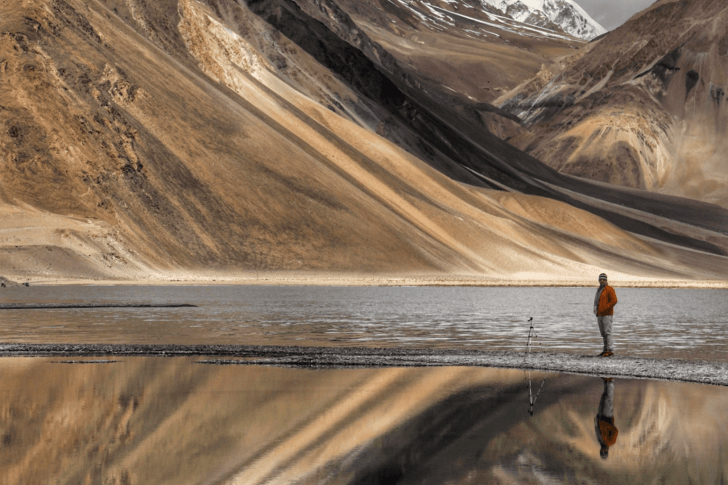
2023 was the driest year for global rivers in 33 years, according to a major new report released this week. The World Meteorological Organisation’s (WMO) State of Global Water Resources 2023 report highlights the severe stresses on global water supplies, starkly indicated by five consecutive years of below-normal river flows across the world.
The report draws from global meteorological and hydrological data to offer a planetary assessment of water resources. It highlights that 2023 was the hottest year on record, with widespread floods and prolonged droughts globally, driven by the ongoing climate emergency, which has made the global water cycle more erratic and extreme.
Melting glaciers suffered the largest loss of ice mass ever recorded over the last five decades. 2023 is the second consecutive year in which all regions of the world with glaciers recorded ice loss.
“Water is the canary in the coalmine of climate change,” says WMO Secretary-General Celeste Saulo. “We receive distress signals in the form of increasingly extreme rainfall, floods and droughts which wreak a heavy toll on lives, ecosystems and economies. Melting ice and glaciers threaten long-term water security for many millions of people. And yet we are not taking the necessary urgent action.”
The report illustrates that global rivers are being significantly affected by the effects of the climate emergency. Over half of global river catchments had abnormal conditions in 2023, with most of them running at lower levels than normal.
Large areas of Northern, Central and South America experienced severe droughts in 2023, as the Mississippi and Amazon basins suffered record low water levels. Similarly, the Ganges, Brahmaputra and Mekong basins experienced lower than normal water level conditions.
Other areas were deluged with rain and flooding. The East coast of Africa, North Island of New Zealand and the Philippines experienced regular river flooding, as did the UK, Ireland and Finland in Europe.
“As a result of rising temperatures, the hydrological cycle has accelerated,” Saulo continues. “It has also become more erratic and unpredictable, and we are facing growing problems of either too much or too little water. A warmer atmosphere holds more moisture which is conducive to heavy rainfall. More rapid evaporation and drying of soils worsen drought conditions.”
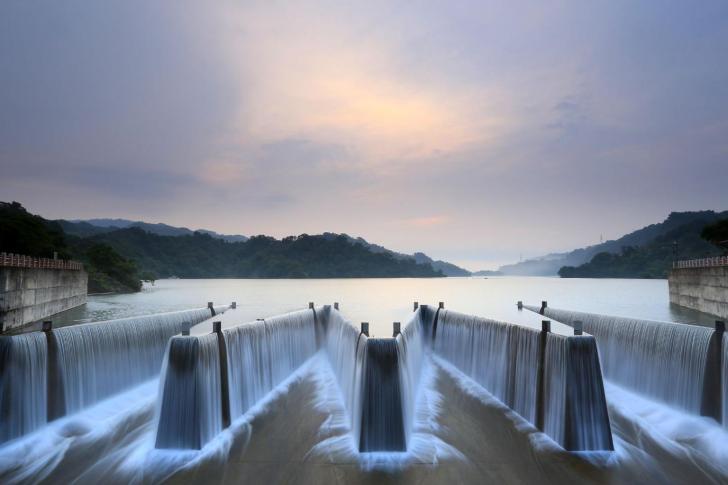
The trend of widespread low river levels translated into lower inflows into reservoirs across the world, particularly across India, Northern, South and Central America and parts of Australia. For example, low water levels in Lake Coari in the Amazon led to extreme peaks in water temperatures, with negative effects for its biodiversity.
However, the report highlights that water management approaches heavily influence reservoir inflows, as areas of the Amazon and Parana kept water levels topped up despite low river flows.
Glaciers across the world lost more than 600 gigatonnes of water in 2023, largely due to extreme melting across western North America and the European Alps. Snow cover across the Northern Hemisphere has been decreasing in spring and summer, reflecting a cold season shortened by climate change.
“And yet, far too little is known about the true state of the world’s freshwater resources,” Saulo adds. “We cannot manage what we do not measure. This report seeks to contribute to improved monitoring, data-sharing, cross-border collaboration and assessments. This is urgently needed.”
The report highlights the significant changes happening to the global water cycle as a result of the climate emergency. As a result it has important implications for freshwater managers across the world seeking to conserve and restore their ecosystems under increasingly erratic and extreme conditions.
Water supplies are also vital for human health and equitable development. However, 3.6 billion people currently experience inadequate access to water for at least one month a year, according to UN Water. This figure is expected to increase to more than 5 billion by 2050.
As Celeste Saulo argues, there is a need for better monitoring and assessment of global freshwaters in order to adapt to rapidly changing conditions. The report cites the United Nations’ Early Warnings for All and Operational Global Water Information System as valuable tools for this task to help inform better freshwater planning and policy making.








 The Freshwater Blog
Comments are closed.