Large river restoration under the spotlight along the banks of the Tisza River

The Tisza River flows nearly a thousand kilometres from its source in Ukraine through Hungary to meet the Danube in Serbia. In places, the Tisza supports rich and varied biodiversity, particularly bird species, mayflies and floodplain meadows. However, the Tisza’s course and floodplains have been altered for well over a century through dam construction, dredging and channel straightening.
The EU-funded MERLIN project is supporting the restoration of the Tisza river at two sites close to the village of Nagykörű in Hungary. Floodplains surrounding the river – which have been drained and cut off from the river to support intensive arable farming – are being ‘rewetted’. This process is intended to increase water retention in the floodplains, which will help buffer floodwaters and create valuable biodiversity habitat. In turn, the plan is for the rewetted Tisza floodplains to support more sustainable farming practices.
Last month, scientists from across Europe visited the restoration sites for a MERLIN field visit to learn about ongoing work on the Tisza. Over three days, the scientists visited the restoration areas to see progress, and to undertake wider discussions around the restoration projects supported by MERLIN on large river sites across the continent.

Reporting back on the meeting, project co-ordinator Dr. Sebastian Birk suggested this vision involves significant changes to how the Tisza floodplains are managed. “A major transformation in thinking is needed,” Dr. Birk explained. “This means the farmers living along the river changing their business model from cash crop cultivation – which needs to be protected from flooding – towards more sustainable farming practices which can work even when periodically flooded.”
Such a major shift in how the Tisza floodplains are managed and used requires close cooperation with local communities. “The restoration managers have this big idea and they are increasingly communicating their narrative of how the river and its floodplains will look in the future,” Dr. Birk outlined. “And they wanted us as MERLINers to meet the local people there and the stakeholders to learn about their perspectives. The level of understanding has massively increased through these meetings which is very nice to see.”
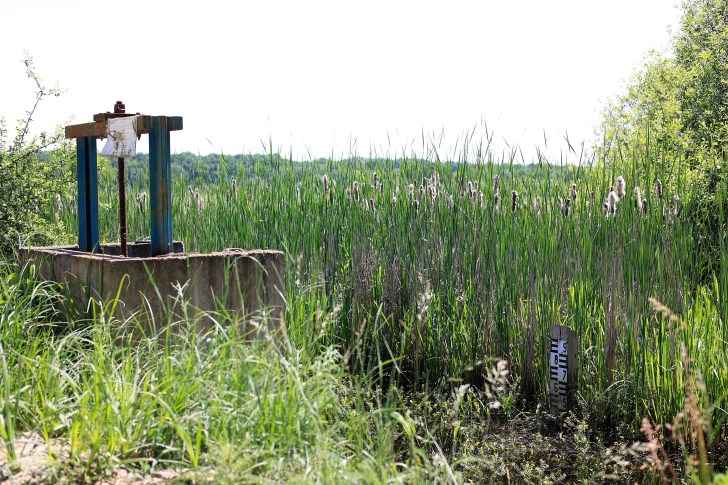
More broadly, Dr. Birk highlighted how large river restoration projects like those on the Tisza are often very complicated and time-consuming to carry out. “Large rivers are often more in the public perception, which can help a project because local communities and stakeholders are often aware of them and the issues they face,” he said. “On the other hand, restoring a large river involves focusing on certain stretches and areas. These are often the most modified or ecologically valuable areas, and are often only several kilometres in length at best. This means joining up the work of such restoration projects across a large river is a major challenge.
“And then there is the challenge of the integrating the different stages of these projects along a river. Some are well established and some are only just beginning. Think about Room for the River in the Netherlands – a long standing program that has already reached so many goals, especially around the main focus of flood protection. But this program has already started more than twenty-five years ago,” Dr. Birk said.
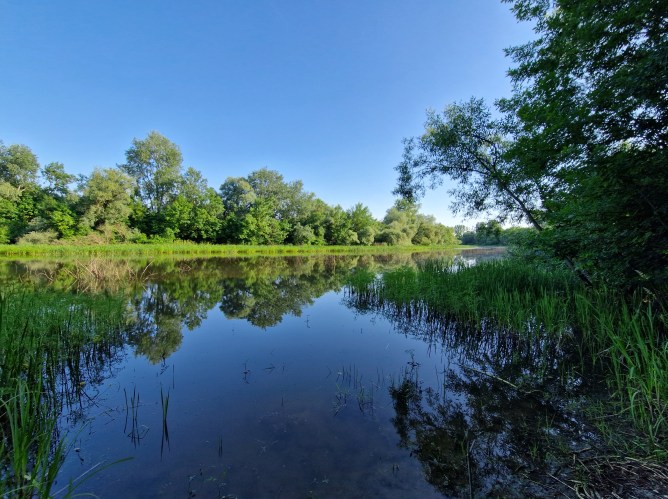
This means that for the restoration of large rivers such as the Tisza is invariably a slow process. “The original ideas for the Tisza restoration date back years, but this work is still only piloting,” Dr. Birk explained. “The temporal dimension is just huge for these kind of transformative actions. So never expect something to happen quickly especially when there is no top-down government initiatives supporting restoration.”
You can find out more about the Tisza River floodplain restoration in a factsheet and article. You can find out more about how MERLIN is supporting large river restoration across Europe in our podcast recorded last summer on the banks of the River Rhine.
+++
This article is supported by the MERLIN project.










 The Freshwater Blog
Comments are closed.